June 26, 2026
LLM Innovation Tracker · Jun 26 Daily Digest
LLM Inference Breakthroughs
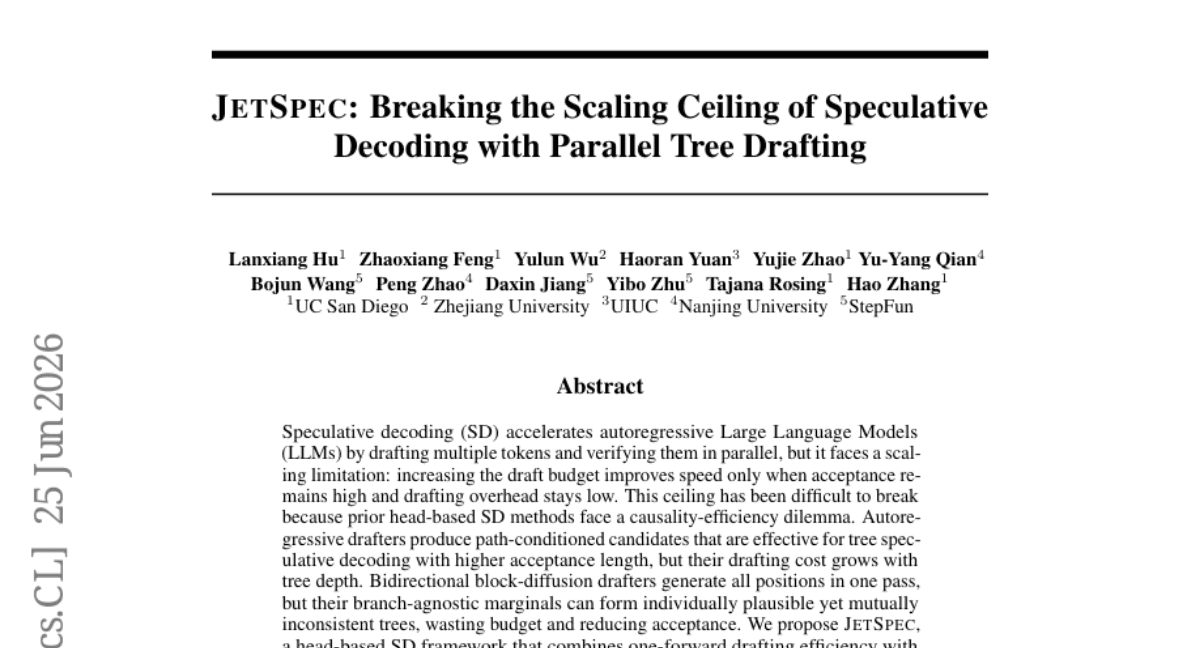
- 🔥 JetSpec Speculative Decoding: Hao AI Lab released JetSpec, a parallel tree drafting method achieving up to 9.64x...

Created by Jonathan Jones
Frontier LLM research, product launches, and commercial AI innovations
Explore the latest content tracked by LLM Innovation Tracker
JetSpec resolves the causality-efficiency tradeoff in speculative decoding by training a causal parallel draft head on fused target hidden states,...
The STOC 2026 workshop signals TCS research on LLMs reaching maturity, connecting classic theory to modern models via talks on alignment distortion, fast attention algorithms, and using frontier LLMs for automated proofs.
Successful deployments converge on three practical steps.
New techniques address core multimodal limitations in reliability, context, and representation.
As frontier models mature, enterprises are capturing value in three adjacent layers rather than the models themselves.
Two complementary methods reveal distinct LLM strengths in simulating human behavior:
Claude Fable 5 is returning with GPT 5.6 likely launching tomorrow, putting major frontier model releases back on track.
HarnessX autonomously rewrites its modular AI scaffolding during tasks, delivering an average +14.5% gain across benchmarks and up to +44% for the 9B...
Fable 5 usage references have appeared in Claude Code v2.1.190, including new limit messages and the removal of "purchased separately" language, while similar mentions reemerged in Amazon Bedrock.
OpenAI's most-used model just became much more fun to talk to, with sharper intent understanding, better response adaptation, and more reliable...
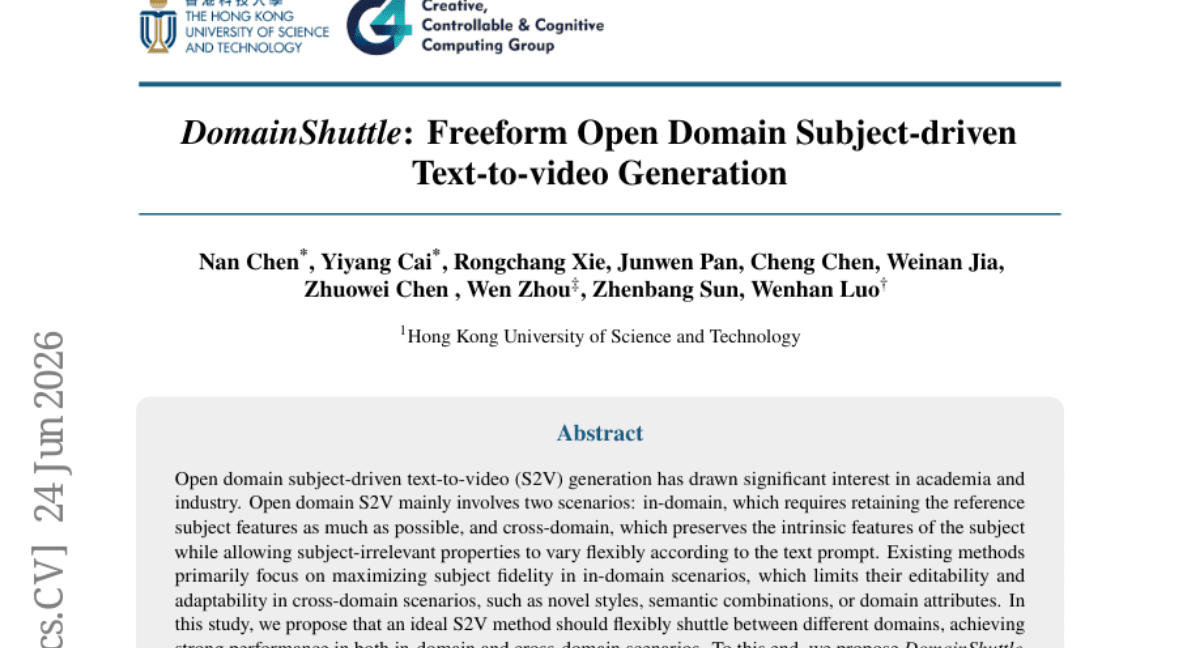
DomainShuttle enables open-domain subject-driven text-to-video generation with strong performance in both in-domain fidelity and cross-domain...
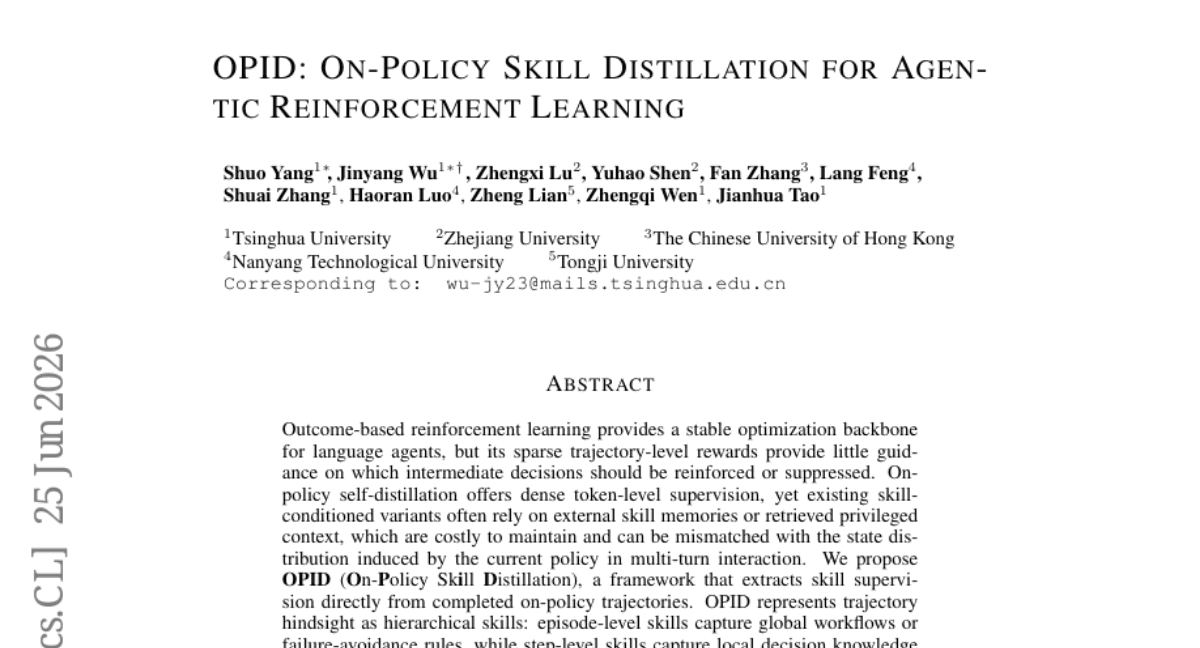
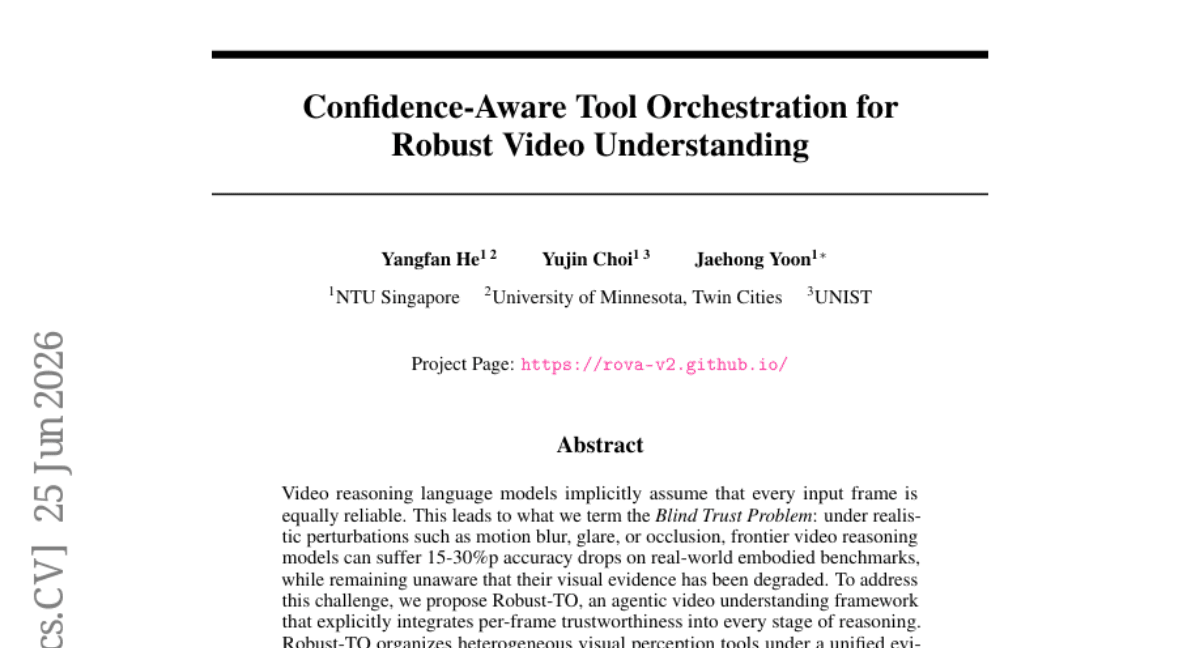
Three papers signal a shift from basic LLM-tool agents toward deeper architectural foundations.
Waymo's fleet has driven 220M+ fully autonomous miles with safety performance staying remarkably consistent—even as it scaled into complex new cities and airports. The result: 16x safer than human drivers.