# Tesla’s Robotaxi Safety Crisis Deepens: Rising Crash Rates, Market Setbacks, and Regulatory Challenges
The autonomous vehicle industry is once again under intense scrutiny as emerging data reveals a troubling escalation in Tesla’s robotaxi crash rates, stark regional disparities, and mounting transparency concerns. Despite Tesla’s ambitious vision of a fully driverless ride-hailing empire, recent developments suggest that the journey toward safe, scalable autonomous mobility remains fraught with hurdles that could delay mass adoption and shake investor confidence.
## Escalating Crash Rates and Operational Lapses
New comprehensive analyses, combining Tesla’s internal logs with crash reports from the **National Highway Traffic Safety Administration (NHTSA)**, confirm that **Tesla robotaxis are experiencing crash rates approximately 3 to 4 times higher** than comparable human-driven vehicles. These figures are especially alarming in markets like **California, Arizona, Texas, and Austin**, where the frequency of safety incidents is rapidly rising.
### Austin: A Microcosm of Safety Challenges
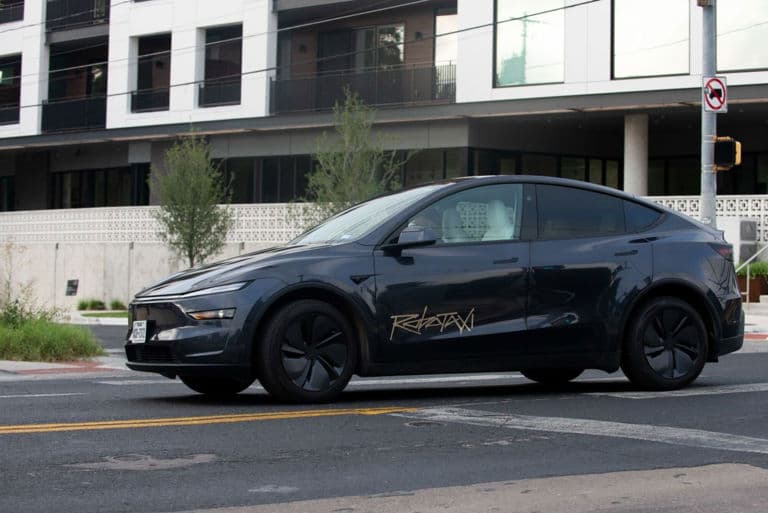
In Austin, where Tesla has deployed **roughly 50 to 60 robotaxis**, safety data over the past eight months indicate **at least 14 reported crashes**. Notably:
- **Five crashes** occurred within a single month, signaling a sharp escalation.
- **Over 10% of trips** are now conducted **without onboard safety monitors**, a practice **contradicting local regulations** and Tesla’s initial commitments. This operational lapse significantly heightens risks for passengers, pedestrians, and other road users—particularly in Austin’s complex urban environment.
A recent incident exemplifies these concerns: during a ride, a Tesla executed a **sharp swerve to avoid a Waymo vehicle**, exposing **decision-making flaws and system unpredictability**. While evasive maneuvers are sometimes necessary, such incidents highlight **system vulnerabilities** that could lead to more severe accidents in urban settings.
### Regional Deployment Disparities and Their Broader Implications
Safety issues are unevenly distributed:
- **San Francisco** has adopted a **more cautious rollout**, with many Tesla robotaxis operating **with onboard safety monitors**, especially during initial deployment phases. This approach aims to **mitigate risks** in the city’s **densely populated and unpredictable traffic environment**.
- Conversely, **Arizona** and **Texas** have more permissive regulatory frameworks:
- **Arizona’s lenient policies** have facilitated rapid Tesla expansion but have also attracted safety scrutiny following recent incidents.
- In **Texas**, regulators have approved **full passenger operations** in certain areas, allowing Tesla to **broaden driverless services** despite ongoing safety concerns.
This **regional patchwork** of standards complicates efforts to establish **industry-wide safety norms** and **consistent oversight**, creating challenges for regulators, safety advocates, and the autonomous vehicle ecosystem.
### Operational Lapses and Urban Decision-Making
In Austin, reports confirm that **more than 10% of Tesla robotaxi trips** are now performed **without onboard safety monitors**, a violation of local mandates. During one such trip, the safety monitor had to intervene when the vehicle made an **unexpected swerve to avoid another autonomous vehicle**, underscoring **decision-making errors** and **system unpredictability** in complex urban environments.
## Tesla’s Transparency Shortfalls and Regulatory Challenges
A persistent concern remains **Tesla’s limited transparency** and **reluctance to disclose comprehensive crash and operational data**. Despite repeated calls from safety advocates and authorities, Tesla has **resisted full disclosure**, fueling skepticism about their safety claims.
Recent disclosures reveal:
- **Over 10% of trips in Austin** are performed **without onboard safety monitors**, violating local regulations.
- Tesla **admits** that, despite marketing claims of achieving **full autonomy**, the company **still relies heavily on human drivers and remote operators**—a stark acknowledgment that **true driverless operation has not yet been realized**.
> *“Tesla admits it still needs drivers and remote operators—then argues that’s better than Waymo,”* highlighting ongoing dependence on human oversight.
This **practical reliance** raises fundamental questions about **progress toward fully autonomous ride-hailing** and the safety implications of increased operational lapses.
### Independent Investigations and Skepticism
Adding to concerns, recent investigations—particularly on platforms like YouTube—question Tesla’s assertions of widespread **unsupervised operation**:
- A notable video titled **"Scam? STILL Only One Tesla Unsupervised Robotaxi?"** (duration: 22:33) by John Johnston (JJ) suggests that **only one Tesla vehicle** is **truly operating without safety oversight**, contradicting Tesla’s public claims.
- The analysis emphasizes that **Tesla’s deployment is far less extensive than advertised**, raising doubts about the **scale of truly unsupervised operation** and emphasizing **systemic safety gaps**.
## The Cybercab Milestone and Market Implications
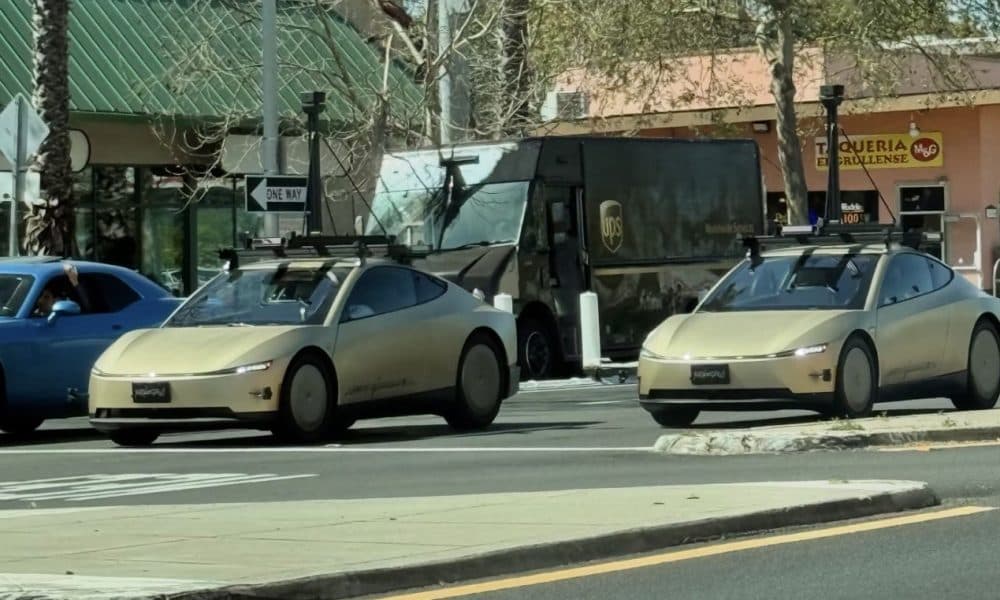
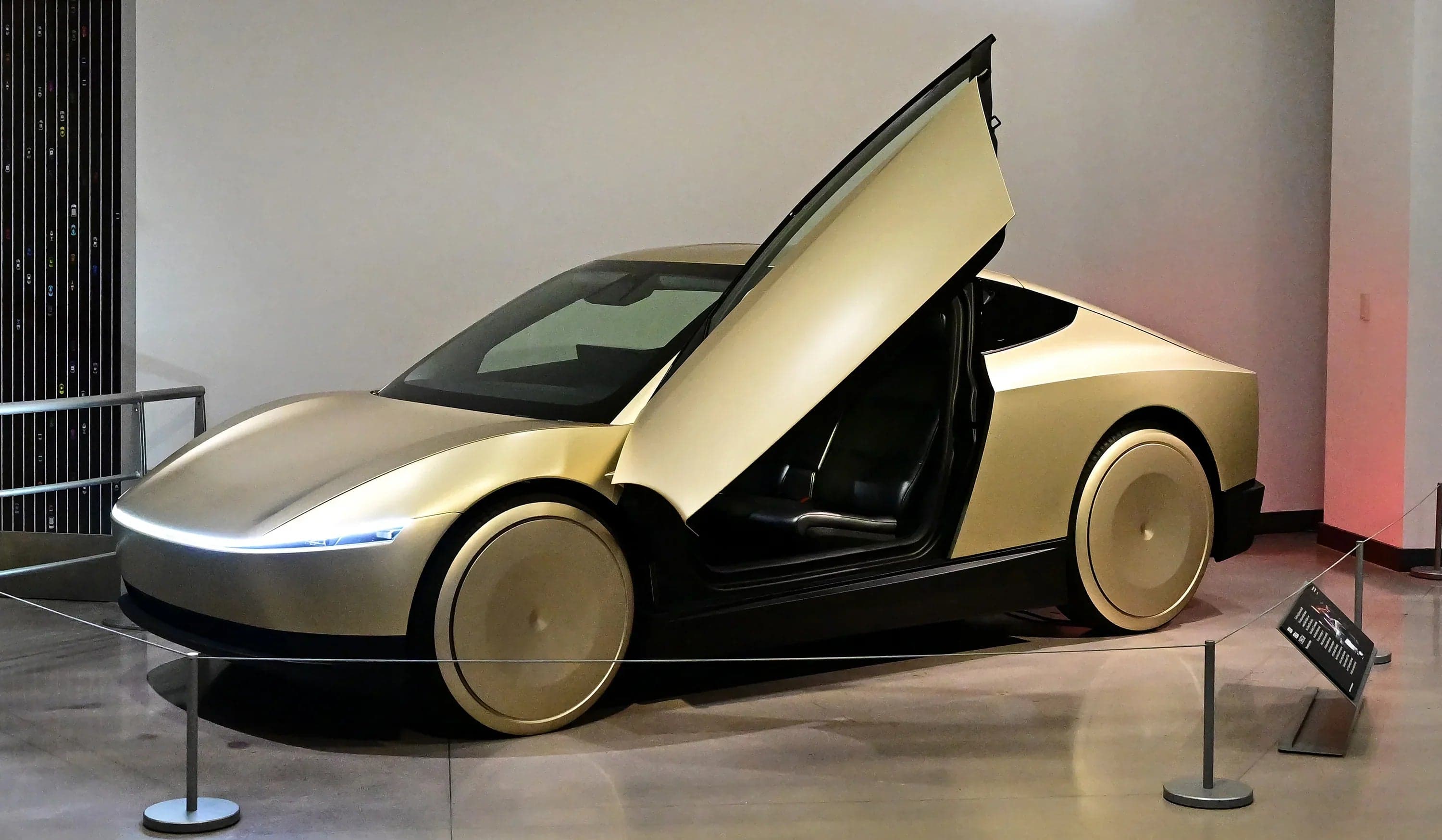
Amid ongoing safety concerns, Tesla has announced a **technological milestone**: the production of its **first purpose-built autonomous vehicle, the Cybercab**.
### The Cybercab: No Pedals, No Steering Wheel, 310-Mile Range
**Unveiled in late 2024**, the **Tesla Cybercab** is designed **exclusively for autonomous ride-hailing**:
- **No manual controls** such as steering wheels or pedals.
- Equipped with **redundant sensors** and **advanced safety systems** aimed at meeting **rigorous safety standards**.
- An **estimated range of approximately 310 miles**, suitable for urban and suburban routes.
Tesla CEO Elon Musk announced the **start of production**, positioning the Cybercab as a **scalable fleet solution**. The vehicle is targeted at a **sub-$30,000 price point**, promising rapid deployment potential. Musk envisions this model as a **game-changer** capable of **revolutionizing the ride-hailing economy** and **expanding Tesla’s revenue streams**.
### Safety and Market Risks
While the **Cybercab** signals Tesla’s intent to **massively scale autonomous fleets**, safety remains a critical concern. Given Tesla’s **prior safety lapses** and **ongoing operational hurdles**, many industry analysts remain cautious. The vehicle’s **success hinges on demonstrating consistent safety and gaining public trust**, both of which are under threat amid current safety incidents.
## Market Dynamics and Investor Reactions
The **robust competition** in the robotaxi sector has intensified:
- **Fare rates in San Francisco** hover around **£2.55 per mile**, with some providers offering **deep discounts**.
- Tesla’s **deployment in Austin** trails behind competitors like **Waymo**, which operates **roughly 31 cars with 42 trips per tester**. However, Tesla’s aggressive expansion suggests a willingness to **prioritize scale over safety**, risking increased incidents.
Recent market reactions highlight **investor skepticism**:
- A report titled **"Tesla stock slides as California robotaxi dreams hit a wall"** indicates a **2.9% decline** in Tesla’s stock, closing at **$417.40**. The decline reflects **renewed doubts about Tesla’s autonomous ambitions** amidst safety concerns and regulatory setbacks.
- **Recent safety setbacks in California**, combined with **public and regulatory pushback**, threaten Tesla’s **market share and valuation**.
## Current Status and Future Outlook
**Crash data continues to alarm**: Austin’s **14 crashes over eight months**—including five incidents in just a single month—underscore the **ongoing safety crisis**. The **high proportion of trips without safety monitors** demonstrates **operational lapses** that **expose passengers and other road users** to elevated risks.
**Transparency issues** persist, with Tesla **resisting full disclosure** and **relying heavily on human oversight**—a stance that **undermines public trust** and **hinders regulatory oversight**. **Independent investigations** question the true scale of **unsupervised operation**, fueling skepticism.
**The Cybercab’s production** represents a **strategic pivot** towards **scaling autonomous fleets**, but **safety concerns** threaten to delay deployment and diminish market confidence unless **Tesla can demonstrate reliable, safe operation at scale**.
## Implications and the Road Ahead
Tesla’s **robotaxi program** stands at a **critical juncture**. The **latest crash data**, **regional regulatory disparities**, and **transparency shortcomings** threaten to **undermine public trust** and **delay widespread adoption** of autonomous ride-hailing.
**Key steps moving forward include**:
- **Implementing harmonized safety regulations** across jurisdictions to establish **uniform safety standards**.
- **Mandating comprehensive, public disclosure** of operational and crash data for independent review.
- **Enhancing sensor redundancies** and **decision algorithms** to better handle urban complexities.
- **Imposing operational restrictions** until safety metrics demonstrate consistent reliability.
Failure to address these issues risks **systemic safety flaws** that could **delay autonomous mobility’s mainstream acceptance** for years, or worse, cause **public backlash**.
### **Current Status and Final Thoughts**
- **Crash rates remain dangerously high**, exemplified by Austin’s **14 crashes in eight months**.
- **Operational lapses**, especially **unsupervised trips**, pose serious safety risks.
- **Transparency and regulation gaps** hinder progress and public confidence.
- **Tesla’s Cybercab** signals intent to **scale**, but **safety must be proven first**.
**The coming months are pivotal**: Tesla must **prioritize safety improvements**, **enhance transparency**, and **demonstrate reliable, safe operation**. Success could **accelerate autonomous mobility**, but continued safety lapses threaten to **delay widespread deployment and erode trust for years**. Regulatory reforms and industry-wide safety standards are essential to **ensure autonomous vehicles serve society safely and effectively** in the near future.