# Escalating Israeli Settler and Military Violence, Displacement, and Arrests Across the Occupied West Bank: A Deepening Crisis
The occupied West Bank remains at the heart of one of the most urgent and complex humanitarian crises in the world today. Despite mounting international condemnation and numerous diplomatic efforts, the situation has deteriorated sharply since late 2023, with an alarming escalation in military operations, settler hostility, land confiscations, and systemic violations of Palestinian rights. This convergence of violence, displacement, and legal encroachments threatens to irreparably fragment Palestinian communities and pushes the region toward a perilous tipping point, with profound regional and global consequences.
## Intensification of Military Operations and Civilian Suffering
Since late 2023, Israeli military forces have significantly expanded their operations across major Palestinian urban centers such as **Nablus, Jenin, Hebron**, and **Bethlehem**. Nightly raids—often conducted with little warning—have become a grim fixture, involving **arbitrary arrests**, **administrative detention**, and targeted killings. Human rights organizations estimate that **over 1,700 Palestinians have been killed** since October 2023, many during military incursions, confrontations, or crossfire incidents. Civilians, including women and children, bear the brunt of these violent campaigns.
**Impact on daily life includes:**
- The proliferation of checkpoints, curfews, and military raids severely restricting access to healthcare, education, and economic activities.
- A pervasive climate of psychological trauma, fear, and mistrust, undermining social cohesion and community resilience.
- Targeted harassment of Palestinian activists, journalists, and community leaders, escalating tensions and silencing dissent.
Recent reports indicate that large portions of the West Bank have become zones of control and unrest, where civilians live under the shadow of military violence, harassment, and constant surveillance—feeling trapped between aggressive settlers and a heavily militarized apparatus that leaves little room for normal life.
## Humanitarian Collapse: Infrastructure Sabotage, Displacement, and Healthcare Breakdown
Simultaneously, **settler violence** remains unchecked and intensifies, with frequent attacks on farmland, vandalism of infrastructure, and sabotage of vital services—particularly water and electricity networks. Such acts have precipitated a severe **water crisis**, impacting over **100,000 Palestinians**, and worsening health and sanitation conditions, including outbreaks of waterborne diseases like cholera.
Recent notable incidents include:
- Attacks in **Birzeit**, where Palestinian families defending their homes have been detained amid settler-led assaults.
- Infrastructure sabotage causing **water shortages** and widespread electricity outages, crippling daily routines and economic livelihoods.
- Reports revealing that **more than 94% of healthcare facilities** are either non-operational or severely damaged, leading to shortages of medicines, emergency supplies, and essential medical services.
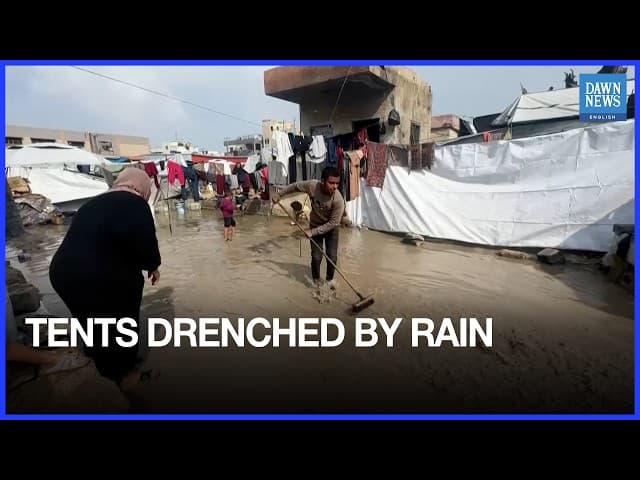
- In January 2024, nearly **700 Palestinians displaced**, many seeking shelter during winter amidst freezing temperatures, increasing risks of exposure, illness, and further humanitarian suffering.
- Fuel shortages further hinder hospitals, water pumps, and emergency response efforts, deepening the healthcare crisis.
This confluence of violence and infrastructure destruction has led to a **collapse of healthcare systems** and a surge in displacement, especially among vulnerable groups such as children, the elderly, and those with chronic illnesses, intensifying the humanitarian emergency.
## Rising Settler Violence and Displacement Near Ramallah
A particularly troubling trend is the sharp increase in settler violence near **Ramallah** and the surrounding villages. Entire families are fleeing their homes amid threats, vandalism, and intimidation campaigns. A widely circulated **YouTube video** depicts families evacuating under duress, highlighting a new wave of internal displacement driven by settler hostility.
Adding to this escalation, an **arson attack on a West Bank mosque**—attributed to settler arsonists—symbolizes the rising hostility targeting religious and communal sites. Such acts not only destroy property but also threaten communal cohesion and cultural heritage, fueling cycles of revenge and unrest.
**Key factors driving displacement include:**
- Armed settler groups attacking farms, homes, and vital infrastructure.
- Infrastructure sabotage disrupting water, electricity, and healthcare services.
- Israeli military and legal measures often overlooking or facilitating these acts, citing security concerns but effectively displacing communities.
## Aggressive Land Policies and the Path Toward De Facto Annexation
Israeli land policies continue their aggressive trajectory, further fragmenting Palestinian territory and undermining sovereignty. Recent developments include:
- Expansion of **settlements** and the establishment of new **outposts** encircling Palestinian communities or severing access to land and resources.
- Widespread **home demolitions**, justified by administrative or security reasons, displacing families and dismantling social networks.
- The **reactivation of the "Yellow Line"**, an administrative boundary restricting Palestinian access to agricultural and urban land, deepening territorial fragmentation.
- The **resumption of land registration procedures**, widely viewed as moves toward **formalized Israeli land claims** and **de facto annexation**.
These measures are not mere administrative adjustments; they form part of a broader strategy to diminish Palestinian sovereignty, entrench occupation, and undermine prospects for a two-state solution. Over **80 nations** have condemned these actions, emphasizing their resemblance to **de facto annexation** with far-reaching regional and international repercussions.
## Diplomatic Tensions, International Condemnation, and Attacks on Justice
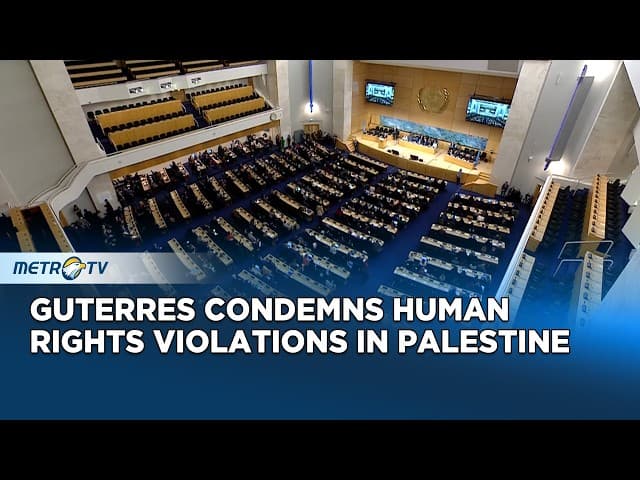
The international community’s response continues to grow increasingly condemnatory. Over **80 UN member states** have issued statements denouncing Israeli policies, emphasizing violations of international law and regional stability. UN Secretary-General **António Guterres** has expressed **"grave concern"**, urging restraint and adherence to global standards.
Human rights organizations—including **Al Jazeera** and the **OHCHR**—warn of **systematic violations** and **potential ethnic cleansing**. The **Palestinian Permanent Observer to the UN** and diplomats such as **Riyad Mansour** have called for urgent international intervention, emphasizing accountability and justice.
A recent and highly controversial development involves **US Ambassador to Israel Mike Huckabee**, who publicly promised to **"neuter"** the International Criminal Court (ICC) and the International Court of Justice (ICJ). Many interpret these remarks as an attempt to weaken international legal mechanisms and shield violators from accountability, sparking outrage across Arab nations, Europe, and human rights groups. These comments have intensified diplomatic tensions and raised fears that impunity for violations will persist.
In addition, **Israel’s UN envoy in Geneva** has actively defended settlement expansion and land registration efforts, framing them as necessary security measures. Such positions undermine prospects for peace and further isolate Israel diplomatically.
## New Developments Highlighting Legal and Humanitarian Dimensions
### Aid Groups Appeal to the Israeli Supreme Court
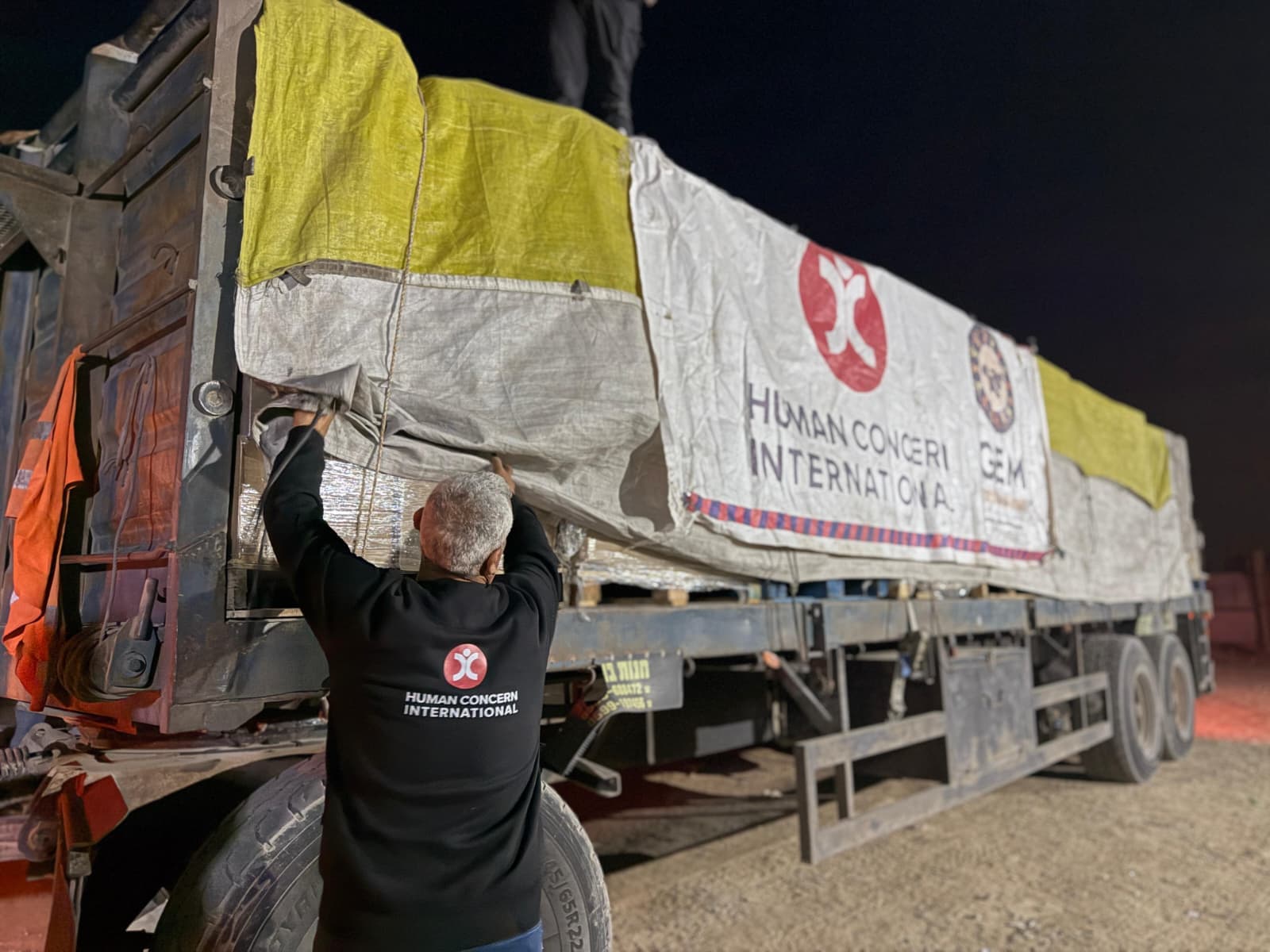
Amidst mounting humanitarian concerns, **dozens of international aid organizations** have made a final appeal to the **Israeli Supreme Court** to **overturn a ban on humanitarian operations** in certain areas of the West Bank. The restriction, imposed under security pretexts, has severely hampered aid delivery, exacerbating the crisis for vulnerable populations. Advocates argue that lifting these restrictions is crucial to prevent further deterioration of living conditions and health outcomes.
### Amnesty Highlights Global Impunity and Annexation Efforts
According to **Amnesty International**, the persistent **impunity** enjoyed by Israeli authorities fuels the illegal push towards **annexation** of parts of the West Bank. The organization underscores that international inaction emboldens settler groups and facilitates land grabs, effectively eroding Palestinian rights and sovereignty. Amnesty's recent report emphasizes that **weak international enforcement** and **lack of accountability** are allowing Israel to pursue policies that violate international law with near impunity, leading to a de facto annexation process that threatens the two-state vision.
## Implications and the Path Forward
The current trajectory points toward an increasingly **fragmented and militarized landscape** where Palestinian communities are systematically displaced, their lands seized or rendered inaccessible, and their rights continually undermined. If these trends persist:
- The **prospects for a two-state solution** will dwindle further, replaced by a reality of prolonged occupation and demographic shifts.
- **Regional stability** could be severely compromised, potentially fueling broader conflicts and destabilization.
- The **international community** faces a stark choice: **act decisively** to uphold international law, protect civilians, and halt illegal settlement expansion, or accept a future marked by ongoing violence, systemic injustice, and a deeply fractured West Bank.
### Current Status
As of now:
- Military operations and settler violence continue unabated, with daily confrontations and displacement.
- Humanitarian infrastructure remains fragile, with water, healthcare, and electricity crises worsening.
- Diplomatic efforts are hampered by conflicting international interests and internal political stances, while legal mechanisms remain under threat from political interference.
- The region teeters on the brink of further escalation, with reports indicating a slow but steady march toward **de facto annexation** and **ethnic stratification**.
Unless urgent, coordinated international action emerges—focused on safeguarding civilians, enforcing legal protections, and holding violators accountable—the cycle of violence and displacement will likely intensify, risking a prolonged and intractable conflict with devastating regional implications. The window to prevent further erosion of prospects for peace is narrowing rapidly, and the urgency to uphold justice, human rights, and international law has never been more critical.