# Escalating Sanctions and Strategic Maneuvers Reshape Iran’s Geopolitical Landscape
The geopolitical tension surrounding Iran has reached a critical juncture, driven by an intensified wave of sanctions, sophisticated evasion tactics, covert nuclear developments, and regional security threats. These developments are not only reshaping Iran’s strategic posture but also profoundly impacting global energy markets and international diplomacy. As Iran continues to adapt and resist, the international community faces mounting challenges in enforcing sanctions, verifying nuclear activities, and preventing regional escalation.
## Expanded Sanctions and Enforcement Actions
Over recent weeks, Western nations, particularly the United States, have significantly escalated their pressure on Iran through targeted sanctions and legal measures:
- **Broadened Vessel Sanctions:** The U.S. Treasury has added **12 more shadow fleet vessels** to its sanctions list, including vessels involved in Iran’s clandestine oil and shipping networks. This expands the already substantial efforts to disrupt Iran’s ability to export oil covertly and hampers its shadow shipping operations. Recent actions also include sanctions against additional vessels and entities linked to Iran’s illicit trade, aiming to choke Iran’s revenue streams.
- **Legal Crackdowns on Financial Institutions:** A landmark case involves the **civil forfeiture of assets from Turkey’s Halkbank**, which has historically been implicated in facilitating Iran-related transactions. These legal actions serve as a stern warning to global banks and financial institutions, emphasizing the importance of compliance and deterring sanctions evasion.
- **Enforcement of Asset Freezes and Interdictions:** Authorities have intensified vessel interdictions, seizure operations, and asset freezes, especially targeting Iran’s shadow shipping networks. These efforts aim to prevent illicit oil shipments—Iran’s lifeline for funding nuclear and military programs—while maintaining market stability to avoid triggering global oil shocks.
## Iran’s Resilience and Evasion Strategies
Despite mounting sanctions, Iran remains resourceful in circumventing restrictions:
- **Crypto Platforms and Digital Evasion:** Investigations into major crypto exchanges, notably **Binance**, reveal efforts to monitor and curb potential facilitation of illicit Iranian transactions. Iran’s use of **Bitcoin and other cryptocurrencies** for shipping and trade continues to grow, providing a covert avenue for oil and financial transactions outside traditional channels. Digital assets' pseudonymous nature complicates enforcement, making crypto a persistent loophole.
- **Shadow Shipping Networks:** Iran’s maritime sector has expanded its use of **shadow vessels**—many of which are now **sanctioned and tracked**—to transport oil clandestinely. Recent reports confirm large Iranian supertankers, capable of carrying **up to 2 million barrels**, navigating through the Strait of Hormuz, often employing layered obfuscation tactics.
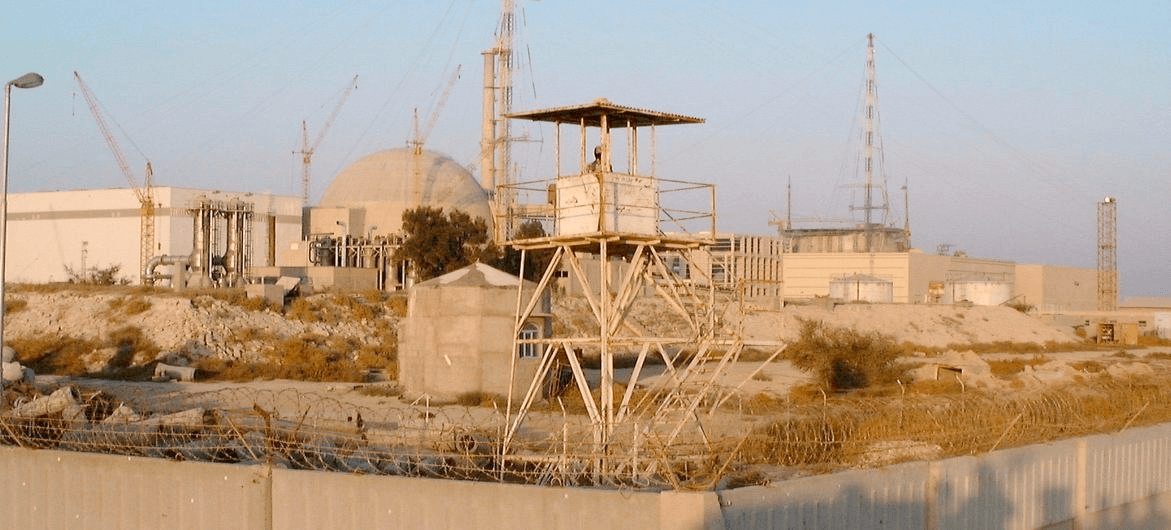
- **Concealment of Nuclear Material:** New intelligence indicates Iran is burying **highly enriched uranium (HEU)** beneath rubble at sites like Isfahan, making detection difficult. The establishment of **underground and hidden enrichment facilities**, including those with **60% uranium**, heightens proliferation concerns. Tracking of Iran’s current uranium stockpiles shows persistent efforts to **hide and move** nuclear material, with the IAEA raising alarms over the erosion of verification mechanisms.
## Covert Nuclear Activities and Escalation
Iran’s clandestine nuclear pursuits continue to escalate, with recent disclosures highlighting alarming trends:
- **Buried and Hidden HEU:** Intelligence reports reveal Iran’s efforts to **bury HEU** in underground facilities, complicating international monitoring. These concealment tactics aim to evade detection and extend Iran’s breakout capacity.
- **Progression Toward 60% Enrichment:** Iran is steadily advancing toward **60% uranium enrichment**, a level approaching weapons-grade material. The proliferation risks are exacerbated by Iran’s underground facilities and covert operations, undermining diplomatic efforts to limit nuclear escalation.
- **IAEA’s Growing Concerns:** The International Atomic Energy Agency (IAEA) has expressed deep concern over Iran’s **obfuscation and concealment tactics**, which threaten verification and regional stability. Recent IAEA reports underscore Iran’s persistent efforts to **hide nuclear infrastructure and material**, undermining transparency.
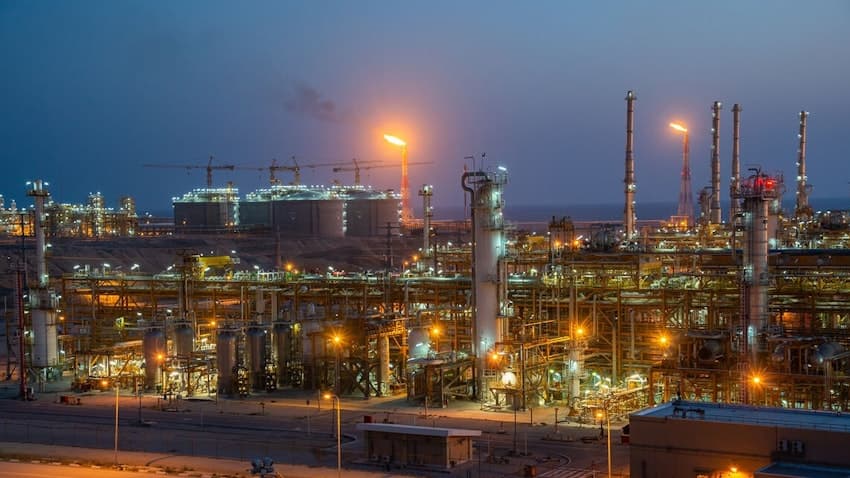
- **Recent Infrastructure Attacks:** Notably, Iran’s oil infrastructure, including the **bombing of Kharg Island**, has faced targeted strikes. These incidents threaten Iran’s export capacity and signal rising hostilities, raising fears of escalation that could impact global energy supplies.
## External Support and Geopolitical Alignments
Iran’s strategic resilience is bolstered by external actors, notably Russia:
- **Putin’s Russia Provides Massive Aid:** Recent reports, including a detailed video analysis, indicate **Russia is sending substantial support** to Iran amid Tehran’s ongoing confrontation with the U.S. and Israel. Moscow’s backing includes diplomatic backing, potential military aid, and offers to help manage Iran’s nuclear material, such as moving uranium to safer locations. This support complicates international efforts to impose unified sanctions and diplomatic pressure.
- **Russia’s Diplomacy and Proposals:** Russian officials, including Ambassador Andrei Kelin, have emphasized **opposition to unilateral sanctions** and promoted **multilateral dialogue**. Russia’s stance supports Iran’s nuclear pursuits and advocates respect for sovereignty, which may facilitate Iran’s ability to continue its clandestine activities.
- **Potential Expansion of Sanctions:** Discussions are underway to **broaden sanctions to include Russia**, citing alleged support for Iran’s nuclear program. This move risks deepening geopolitical divides and complicating diplomatic resolutions.
## Market and Security Ramifications
The confluence of sanctions, covert nuclear activities, and regional tensions continues to threaten global markets:
- **Continued Iranian Oil Movements:** Despite sanctions, **Iranian supertankers** remain active, with recent reports confirming large vessels transiting through the Strait of Hormuz, sometimes **carrying up to 2 million barrels**. Iran’s strategic challenge to enforcement efforts raises the risk of military confrontations and potential disruptions of one of the world’s most vital energy transit routes.
- **Energy Infrastructure and Regional Tensions:** The **bombing of Kharg Island’s oil facilities** exemplifies Iran’s vulnerabilities and the potential for escalation. Iran’s threats to **block the Strait of Hormuz** if sanctions persist heighten naval tensions, prompting increased patrols by U.S. and allied naval forces. Such confrontations could trigger supply shocks and regional instability.
- **European Energy Diversification:** European nations, heavily reliant on Middle Eastern and Iranian oil, are **stockpiling strategic reserves** and **diversifying energy sources**. New pipelines and alternative suppliers are prioritized to mitigate potential disruptions stemming from Iran’s evasive tactics or regional conflicts.
## Diplomatic Fractures and Future Outlook
The diplomatic landscape remains fractured:
- **Divergent International Positions:** France has called for **renewed sanctions and diplomatic engagement**, seeking a unified front. Conversely, Russia and China oppose broad unilateral measures, emphasizing **sovereignty and non-interference**, complicating efforts to forge a cohesive strategy.
- **Iran’s Diplomatic Posturing:** Iran’s representatives, including ambassador Iravani, have condemned Western sanctions, asserting **Iran’s sovereign right** to develop its nuclear program and dismissing recent measures as **illegal and unjust**.
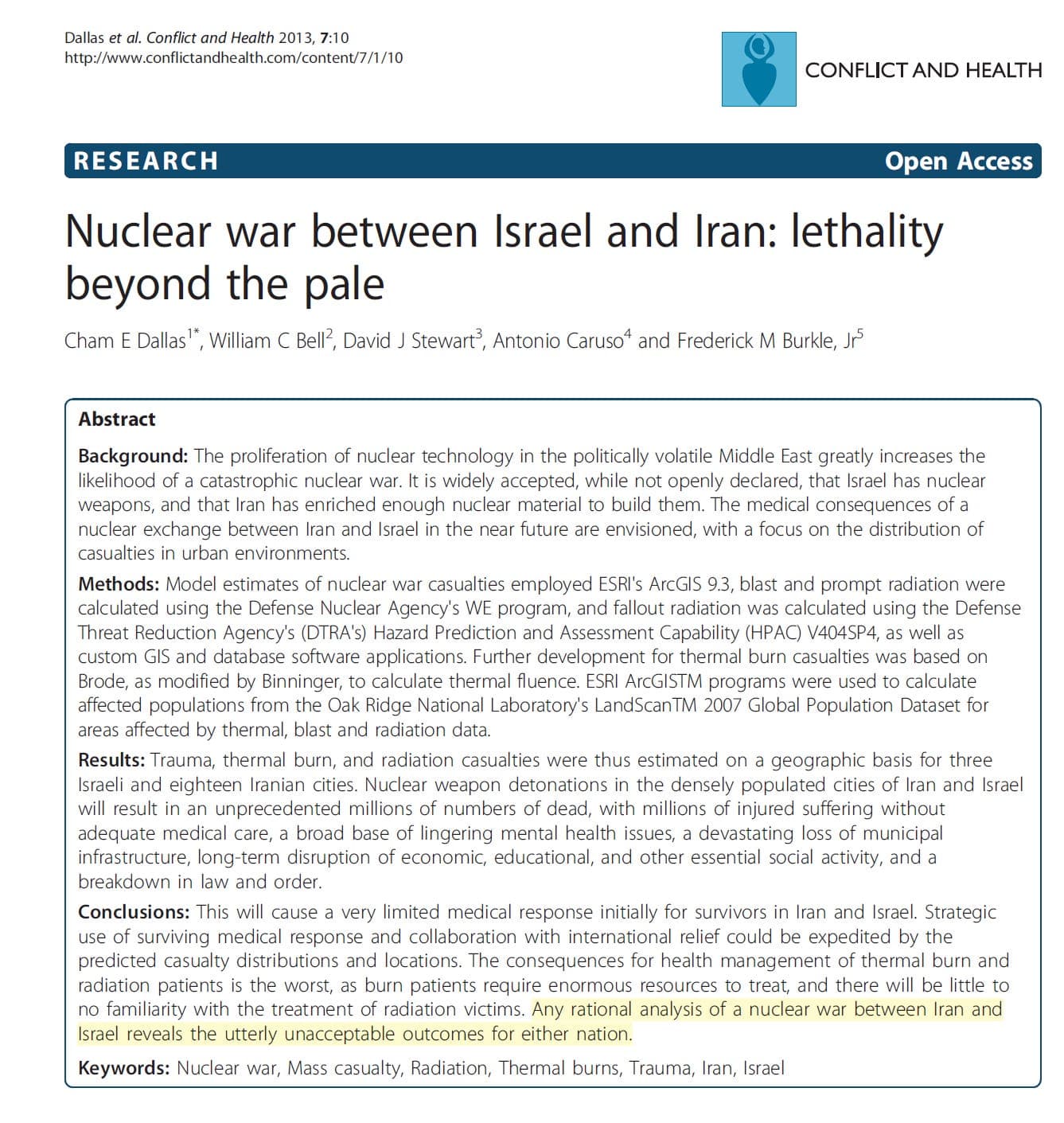
- **Potential for Escalation:** The combination of Iran’s nuclear advancements, naval threats, and external support creates a volatile environment. The possibility of **clashes in the Strait of Hormuz**, **retaliatory strikes**, or **widening regional conflicts** remains a persistent concern.
## Current Status and Implications
Iran’s strategic resilience, coupled with external support from Russia and ongoing covert activities, indicates that the situation remains **highly volatile**:
- **Verification Challenges:** The IAEA’s ability to monitor Iran’s clandestine nuclear sites is increasingly compromised, raising proliferation risks.
- **Enforcement and Evasion:** Continued enforcement actions against shadow fleets and crypto platforms are vital but face mounting difficulties due to Iran’s evolving tactics.
- **Potential Escalation:** The risk of conflict, either through miscalculation or intentional escalation, persists, particularly with Iran’s threats to block energy routes and its ongoing nuclear pursuits.
- **Market Impact:** Global energy markets remain vulnerable, with potential for supply shocks should tensions erupt into conflict or infrastructure disruptions.
**In summary,** Iran’s ongoing evasion, covert nuclear development, and regional posturing are reshaping the geopolitical landscape. The international community’s response—through intensified sanctions, diplomatic efforts, and military preparedness—will determine whether stability can be restored or whether the region slips further into conflict. The coming weeks will be critical in assessing Iran’s nuclear trajectory, enforcement effectiveness, and the potential for escalation in the Strait of Hormuz.