# European Union Imposes New Sanctions Over Iran’s Human Rights Abuses Amid Escalating Digital and Maritime Tactics
The European Union has taken a significant step forward in its ongoing effort to pressure Iran, announcing an expanded package of targeted sanctions in response to persistent human rights violations and Tehran’s increasingly sophisticated regional strategies. This move underscores the EU’s commitment to uphold international norms while confronting the multifaceted challenges posed by Iran’s digital innovation and maritime provocations.
## EU’s Strengthened Sanctions: Focused on Human Rights and Regional Stability
Building on previous measures, the EU’s latest sanctions aim to intensify economic and diplomatic isolation of Iran. Key components include:
- **Asset freezes** targeting individuals and entities directly implicated in human rights abuses, such as crackdowns against protesters and dissidents.
- **Travel bans** preventing designated officials involved in repression from entering or transiting EU member states.
- **Financial restrictions** designed to sever Iran’s access to the international banking system, thereby limiting funding for oppressive regimes and regional destabilization efforts.
EU foreign policy chief Kaja Kallas reaffirmed the bloc’s stance, stating, *“These sanctions are a clear message that the EU stands with the Iranian people and will not tolerate their rights being systematically suppressed.”* The EU’s coordinated actions reflect broader international efforts, notably with the United States and allies, to maximize pressure on Iran and deter its regional ambitions.
## Enforcement Challenges: Iran’s Digital Assets and Maritime Strategies
While sanctions are a critical tool, Iran’s adaptive tactics present formidable hurdles for enforcement agencies worldwide.
### Cryptocurrency as a Sanctions Evasion Tool
Iran’s **use of cryptocurrencies** has surged as a strategic response to economic restrictions:
- Current intelligence estimates suggest that Iran may hold **up to $7.8 billion worth of digital assets**, mostly in Bitcoin and other cryptocurrencies.
- Tehran is suspected of conducting **clandestine transactions** on platforms like **Binance** and various decentralized exchanges, exploiting the **borderless and pseudonymous nature** of crypto markets to bypass sanctions.
- Experts warn that **cryptocurrencies** have become **weapons in Iran’s sanctions war**, enabling the regime to finance illicit activities and sustain market access despite restrictions.
This digital evolution complicates traditional enforcement, emphasizing the **urgent need for international cooperation**, **stricter crypto regulations**, and **advanced monitoring tools** capable of tracing illicit transactions.
### Maritime Maneuvers and Regional Escalations
Iran’s **maritime activities** continue to threaten regional stability:
- A **supertanker**, reportedly carrying around **2 million barrels of oil**, recently navigated through the **Strait of Hormuz**, a vital global energy transit chokepoint.
- Iranian authorities have **threatened to block oil shipments** through the Strait if U.S. military actions persist, raising the risk of **regional conflict**.
- Iranian military videos depict **vessels and strategic positioning**, signaling Iran’s intent to **use maritime assets for leverage** and exert pressure on global markets.
Iran’s maritime tactics aim to **sustain its oil exports** despite sanctions, risking **disruptions to global energy supplies**. An **oil blockade** could trigger **sharp price spikes** and escalate tensions, prompting increased naval vigilance from U.S. and allied forces.
## Broader Geopolitical Tensions: Diplomatic Standoff and Great Power Dynamics
Recent developments highlight a **volatile regional environment** and complex diplomatic landscape:
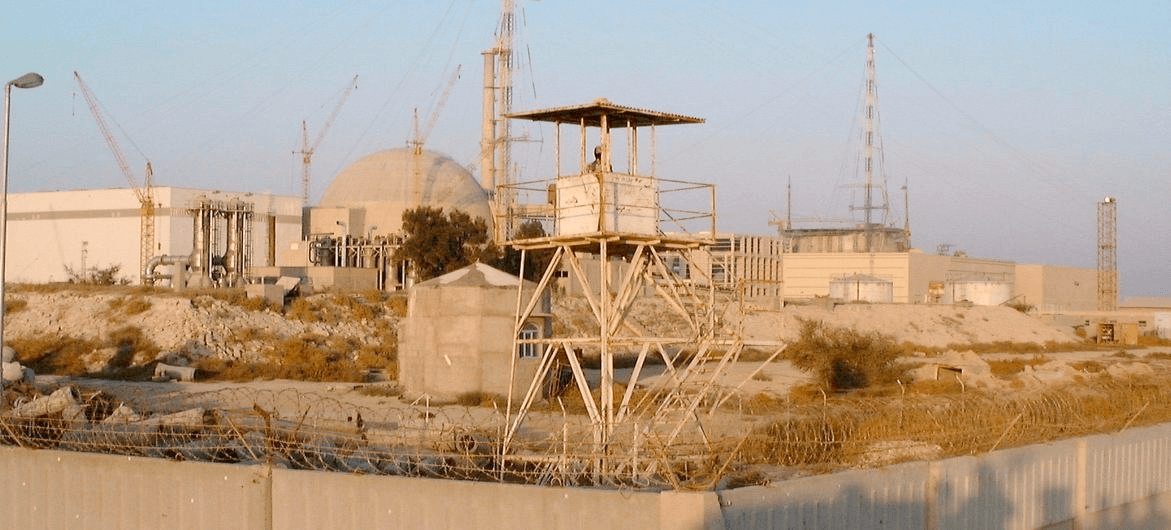
- **Israeli military strikes** on a **nuclear-related site** underscore ongoing covert operations aimed at hindering Iran’s nuclear ambitions.
- The **UN Security Council** is scheduled to debate **snapback sanctions** this Thursday, with the U.S. reaffirming efforts to **maintain maximum diplomatic and economic pressure**.
- EU leaders, including Ursula von der Leyen, have called for **sustained sanctions and diplomatic resolve**, warning that Iran’s **regional assertiveness and maritime tactics** threaten **stability and energy security**.
### Russia and China’s Role: Shielding Iran at the UN
Adding further complexity, the **US has accused Russia and China** of **actively shielding Iran** at the United Nations:
- US envoy Mike Waltz **criticized Moscow and Beijing** for **blocking efforts** to **reimpose or uphold sanctions**, undermining **multilateral enforcement mechanisms**.
- This diplomatic standoff **raises concerns** about **great power rivalry**, which could embolden Iran’s defiance and complicate international efforts to curb its regional influence.
## Iran’s Response: Escalation Risks and Regional Tensions
Iran’s leadership remains defiant:
- Following US strikes on military sites at **Kharg Island**, Iran **warned of immediate retaliation** against what it called **attacks on energy infrastructure**.
- Iranian officials have **threatened to escalate** regional tensions, including **disrupting oil exports** and **military responses** to perceived aggression.
- Such rhetoric **heightens fears** of a broader conflict, which could **destabilize energy markets** and lead to **military confrontations** in the Persian Gulf.
## Iran’s Digital Assets as a Strategic Weapon
Iran’s **digital asset strategy** continues to evolve as a vital component of its resilience:
- The **cryptocurrency holdings** are now regarded as **key tools** for **bypassing sanctions**.
- The **Supreme Leader** reportedly views **cryptocurrencies** as **strategic resources**, transforming them into **weapons** to sustain Iran’s economy under pressure.
- These developments **challenge traditional enforcement** since **decentralized transactions** are inherently **difficult to trace**, complicating efforts to curb illicit flows.
### Market Implications
The **rise in crypto activity** linked to Iran has broader consequences:
- **Ripple’s valuation** has surged toward **$50 billion**, reflecting heightened investor interest in blockchain technology, which Iran may exploit.
- Analysts warn that Iran’s **crypto strategies** could **destabilize global financial monitoring efforts**, emphasizing the **need for international cooperation** and **regulatory frameworks** to prevent illicit crypto flows.
## Recent Additional Sanctions and Measures
Alongside EU initiatives, the US has **sanctioned over 50 entities**, including **two Indian nationals**, facilitating Iran’s **energy trade**. These measures aim to **disrupt Iran’s vital oil exports** and **block financial channels** supporting regional influence.
Recent reports also indicate **DOJ investigations** targeting **major sanctions violations**, with moves toward **prosecuting entities aiding Iran’s covert operations**. Notably, a **quiet effort** by U.S. authorities seeks to **disrupt illicit networks** involved in **cryptocurrency-based transactions** and **ship-to-ship transfers**.
## Iran’s Oil Empire: Wealth, Sanctions, and Evolving Trade Networks
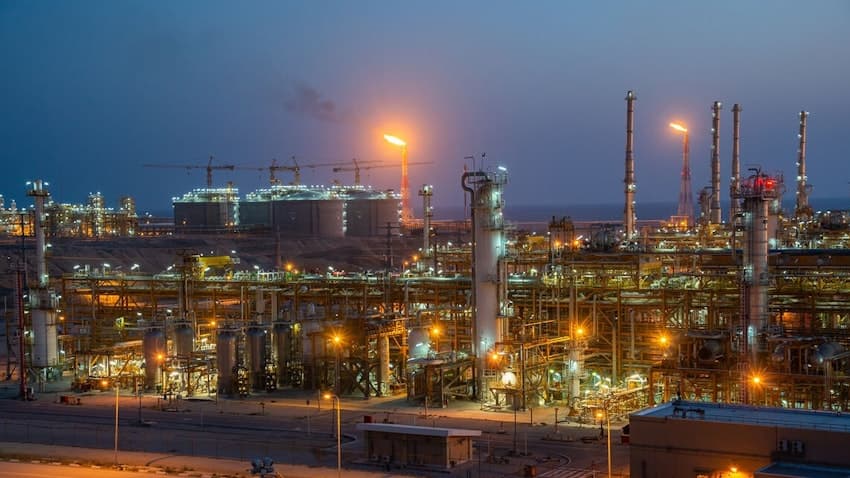
Despite sanctions, Iran **remains a major oil producer**, with revenues heavily dependent on **regional and illicit channels**:
- Iran has developed **complex oil transfer routes**, often involving **hidden ships and transshipment hubs**, to **circumvent international restrictions**.
- The **black market oil trade** sustains Iran’s economy, enabling **millions of barrels daily** to flow into global markets in defiance of sanctions.
- Recent **intelligence assessments** reveal Iran’s **use of illegal maritime routes** and **proxy networks** to maintain export levels, impacting **global energy prices** and **market stability**.
## Implications and Future Outlook
The convergence of **digital evasion tactics**, **maritime provocations**, and **regional security tensions** underscores a **challenging landscape** for policymakers:
- **Strengthening international cooperation** is essential to **monitor and disrupt illicit crypto transactions**, involving **financial institutions**, **crypto exchanges**, and **intelligence agencies**.
- **Enhancing maritime surveillance** and **patrols** in strategic chokepoints like the **Strait of Hormuz** are critical to **preventing blockades** and **tracking illicit oil shipments**.
- **Diplomatic efforts** must **continue at the UN and regional forums** to **maintain maximum pressure** while **avoiding military escalation**, especially given recent Israeli strikes and Iranian threats.
### Navigating a Complex Geopolitical Environment
The ongoing **security dilemma** is compounded by **Russia and China’s reluctance** to fully support sanctions enforcement. This underscores the **need for a coordinated, multilateral approach** that leverages **technology, diplomacy, and intelligence sharing** to uphold **international norms**, safeguard **energy markets**, and **prevent broader conflicts**.
## Conclusion
Iran’s **resilience and strategic adaptation**—highlighted through **cryptocurrency use**, **maritime posturing**, and **regional assertiveness**—signal a **more complex confrontation**. Recent developments, including the **US’s renewed sanctions**, **diplomatic stalemates at the UN**, and Iran’s **escalatory rhetoric**, suggest that the coming weeks will be critical.
The effectiveness of **international sanctions**, **diplomatic initiatives**, and **security measures** will determine whether tensions are contained or if a broader conflict erupts. The **global community** faces a **formidable test** in **maintaining strategic patience, coordination, and resolve** to **stabilize the region**, **protect energy supplies**, and **uphold international norms** amid a rapidly evolving geopolitical landscape.