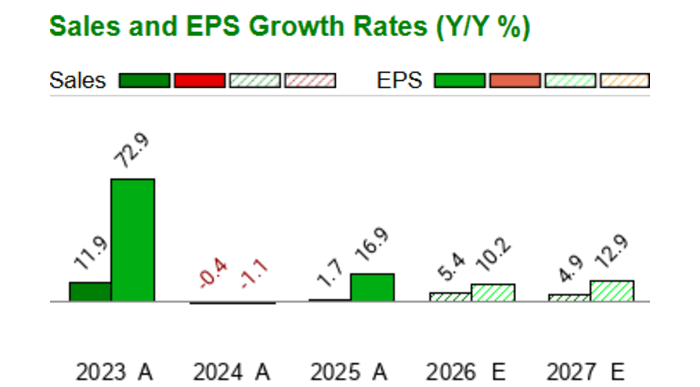
Investors continue to reassess Wells Fargo’s (WFC) valuation amid a complex interplay of strong earnings prospects, dividend appeal, institutional trading activity, and ongoing legal and operational risks. The evolving market debate underscores a split sentiment: some view WFC as an attractively priced durable bank stock with solid income potential, while others see elevated risk factors that may cap upside and fuel volatility.
**Divergent Views on Valuation and Outlook**
Wells Fargo remains a focal point in the large-cap banking sector, often compared with peers like Bank of America and KeyCorp. Analysts and investors are weighing the company’s attractive dividend yield and historically solid earnings against the backdrop of legal uncertainties and macroeconomic headwinds. Recent updates highlight:
- **Multiple buy ratings and price targets**: Several firms, including Barclays, have maintained or upgraded their ratings with bullish price targets, reflecting confidence in Wells Fargo’s earnings resilience. However, the range of targets spans significantly, illustrating divergent expectations.
- **Institutional activity**: Recent filings and market data show a mix of buying and selling by institutional investors. Some funds have increased exposure, signaling conviction in Wells Fargo’s long-term potential, while others have reduced holdings, possibly taking profits or hedging against risks.
- **Mixed trading headlines and forecasts**: Market commentary features both optimistic earnings forecasts and cautious notes regarding legal and regulatory challenges, especially after Wells Fargo’s recent fraud-related reversal. This has contributed to price swings and investor uncertainty.
**Impact of Fed Rate Policy and Macroeconomic Factors**
The potential trajectory of Federal Reserve interest rate policy remains a key variable influencing Wells Fargo’s market value. Wells Fargo’s profitability, like many banks, is sensitive to interest rate movements:
- **Potential rate cuts**: Discussion around imminent Fed easing has injected volatility. Rate cuts could compress net interest margins, dampening future earnings growth, which some analysts factor into more conservative valuations.
- **Rate stability or hikes**: Conversely, a pause or resumption of hikes could bolster Wells Fargo’s lending margins, supporting the case for upside in the stock price.
The interplay of these macro factors adds layers of complexity to investor decisions, contributing to a bifurcated market view.
**Latest Price Target and Forecast Analysis**
New aggregated analyst coverage provides updated insights into market consensus and the breadth of expectations for Wells Fargo:
- **Average price target**: The analyst consensus price target for WFC currently centers around $50 per share, reflecting moderate upside from recent trading levels.
- **High and low targets**: The highest price targets approach $60, indicating bullish outlooks predicated on earnings growth and dividend sustainability, while the lowest targets dip into the low $40s, often citing legal risks and margin pressures.
- This spread illustrates the ongoing debate about how Wells Fargo’s challenges will balance against its income generation and operational improvements.
**Continued Volatility from Legal Risks and Market Sentiment**
The recent fraud-related reversal—concerning consumer and elderly protections—has kept Wells Fargo under regulatory and investor scrutiny. This issue:
- Rekindles concerns about operational risk and potential penalties.
- Fuels uncertainty around management’s ability to fully restore trust and avoid further setbacks.
- Adds to the cautious tone among some institutional investors, who may be trimming positions amid these unresolved issues.
Combined with macroeconomic uncertainty, these factors have kept Wells Fargo’s stock price volatile, even as dividend consistency underpins its appeal to income-focused investors.
---
**In summary**, Wells Fargo stands at a crossroads where robust earnings expectations and dividend strength are tempered by legal risks and macroeconomic uncertainty. Investor sentiment remains **divided**, with institutional buying balanced by profit-taking and cautious selling. The updated analyst price target range—spanning roughly $40 to $60—reflects this dynamic, capturing both the upside potential and the risks ahead. As the Fed’s rate policy unfolds and the company addresses regulatory challenges, Wells Fargo’s valuation will likely continue to be a focal point for investors balancing risk and reward in the banking sector.