The Bay Area housing market in late 2026 remains a crucible of intense pressures and innovative responses, where the **surge in AI-driven talent demand** intersects with **ongoing financial sector instability**, **inflationary construction and compliance expenses**, and **advances in modular and infill development strategies**. This evolving landscape demands agile, multi-disciplinary solutions to balance supply growth with affordability, risk mitigation, and community resilience.
---
### AI Demand Fuels Uneven, Persistent Housing Pressure Near Transit Hubs
The region’s position as a global AI and technology hub continues to generate relentless housing demand, particularly concentrated in transit-accessible urban corridors. Recent data from August 2026 reveal San Francisco’s median single-family home price has climbed further to **$1,685,000**, a 2% increase since February, underscoring sustained upward pricing pressure despite broader economic uncertainties. Rent inflation remains acute, with two-bedroom apartments in core neighborhoods fetching upwards of **$3,350 monthly**.
East Bay locales like Oakland and Berkeley continue to see **annual rent growth rates exceeding 18%**, exacerbating affordability challenges for working- and middle-class households. Industry sources report an intensification of employer-driven housing incentives, including relocation bonuses and subsidized rentals, particularly among AI startups competing fiercely for scarce talent. This structural demand is notably **inelastic**, less tied to macroeconomic cycles and more dependent on the region’s expanding AI ecosystem and innovation clusters.
---
### Post-Lender Collapse Environment Spurs Heightened Financial Vigilance
The fallout from the mid-year collapse of a major Marin County non-bank real estate lender reverberates through the Bay Area’s development financing ecosystem. The lender’s sudden failure—now subject to a criminal investigation—has deeply unsettled investors and developers reliant on bridge loans and alternative capital. One impacted investor lamented, “That lender was my retirement plan,” highlighting the personal stakes involved.
In response, market participants have dramatically increased **due diligence** and **counterparty risk monitoring**, with many institutional investors pivoting toward proven urban assets and away from more volatile suburban markets. For example, Stockbridge Capital’s recent acquisition of a $65 million SoMa portfolio signals a concentration of capital in well-located, transit-adjacent properties perceived as lower risk.
Concurrently, the **rise in title fraud incidents**, particularly in Oakland, has prompted legal firms and insurers to advocate for enhanced title verification protocols and more robust insurance coverage. This development adds a new dimension of operational risk that must be managed alongside traditional financial concerns.
Compounding financing uncertainties, brokerage entities such as Compass face ongoing financial strain, further clouding transaction certainty and market liquidity.
---
### Supply Innovations Gain Momentum Amid Cost and Regulatory Headwinds
In the face of constrained financing and escalating costs, the Bay Area housing supply side is rapidly innovating:
- **Office-to-Residential Conversions Accelerate in Sunnyvale and Beyond:**
The Duane Avenue project in Sunnyvale has entered its second phase, converting roughly **500,000 square feet** of obsolete office space into approximately **450 residential units**, including a significant share of affordable workforce housing. This strategy leverages proximity to Caltrain and light rail, aligning with shifts in work patterns and tech campus utilization. Other Silicon Valley cities are now exploring similar conversions, signaling a broader trend.
- **Modular and Factory-Built Housing Breakthroughs:**
2026 has been dubbed a “breakthrough year” for modular housing in the Bay Area, thanks to the passage of **Assemblymember Buffy Wicks’ bills** that streamline approvals and incentivize factory-built construction. Notably, the **700 Irwin Street project in Marin County** has successfully integrated modular components, reducing construction timelines by up to 30% and containing costs amid inflationary pressures. Industry leaders estimate modular construction now accounts for **12-15% of new multifamily starts** in the region, double last year’s share.
- **Accessory Dwelling Units (ADUs) Face Headwinds but Adapt:**
Rising construction costs, now estimated at **$375-$460 per square foot** in San Jose, coupled with energy retrofit mandates under **AB 628**, have squeezed ADU feasibility. However, innovative combinations of modular construction techniques with ADU builds are emerging to lower costs and accelerate project completion. Local governments are beginning to pilot streamlined permitting processes for modular ADUs, signaling potential for scale.
- **Transit-Oriented Developments and Urban Infill Projects Advance:**
Large-scale TODs such as **Northgate Town Square in San Rafael** (1,422 homes) and expansions along the **West Oakland BART corridor** continue to progress, emphasizing sustainable density near transit. These projects integrate green infrastructure and affordable units, though rising community fees and infrastructure costs pose challenges.
- **Suburban Mega-Projects Push Forward Despite Opposition:**
The **Chevron Campus redevelopment in San Ramon** now anticipates completion of approximately **2,700 units**, a slight increase from previous estimates, including expanded workforce housing commitments. Meanwhile, **Bay Meadows in San Mateo County** has commenced a second phase, adding 600 homes with a focus on family-friendly amenities.
- **NIMBY Resistance Persists in Affluent Enclaves:**
Despite these advances, affluent communities continue to deploy political and legal strategies to limit multifamily housing. A notable Peninsula town recently passed a charter amendment aimed at circumventing state housing mandates, reflecting ongoing tensions between growth imperatives and neighborhood preservation.
---
### Financing Innovations and Risk Management Amid Market Flux
Bay Area housing stakeholders are adopting a spectrum of financial and operational strategies to navigate the complex environment:
- **Bridge Loans and Cash Acquisition Platforms:**
Programs like **Bay Buyers’ cash home purchase service** maintain transaction velocity, providing liquidity amid mortgage tightening. However, lender underwriting standards have become more conservative, extending loan approval timelines.
- **Equity Sharing and Shared-Ownership Models Expand:**
Partnerships between investors, nonprofits, and homeowners are increasingly utilized to unlock capital while preserving affordability. These models are gaining traction in middle-income markets, particularly in East Bay communities.
- **Community Facilities Districts (CFDs) for Infrastructure Financing:**
Jurisdictions such as Livermore are actively exploring CFDs, but concerns over fees—now reaching **$145,000 per unit**—raise questions about their impact on housing affordability and project viability.
- **Mortgage Rate Environment and Refinancing:**
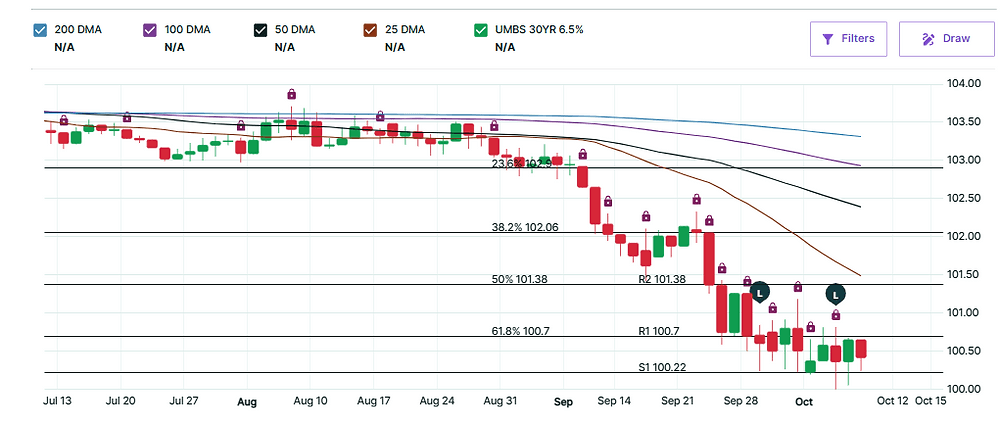
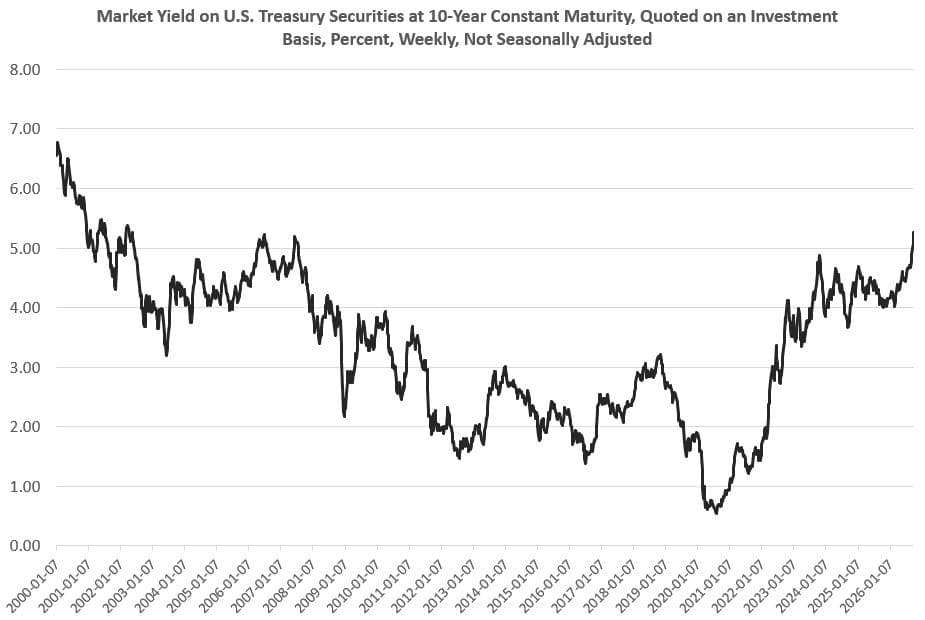
The 30-year fixed mortgage rate has stabilized near **5.85%**, down slightly since mid-2026, encouraging some refinancing activity and portfolio adjustments amid lender stress.
- **AI-Enhanced Underwriting and Market Analytics:**
Firms like Berkeley’s **Winkler Real Estate Group** have expanded AI-driven tools for underwriting, tax impact analysis, and market forecasting. These technologies improve precision but require vigilant governance to uphold transparency and ethical standards.
- **Enhanced Title and Operational Risk Controls:**
In light of the Marin lender collapse and rising title fraud, developers and investors are instituting more rigorous legal reviews and insurance protocols, particularly in high-risk markets like Oakland.
---
### Regulatory Environment: Compliance Costs and Political Complexities Intensify
The Bay Area’s regulatory and political landscape continues to complicate development:
- **AB 628 Energy Retrofit Mandates Tighten:**
Stricter enforcement of energy efficiency standards has increased renovation and new construction costs, disproportionately impacting small landlords and ADU builders. Delays tied to compliance verification also extend project timelines.
- **NIMBY Political Mobilization:**
Wealthy enclaves have intensified campaigns to resist state housing laws, leveraging ballot measures and charter amendments to block multifamily development. These efforts threaten to slow regional progress on affordability goals.
- **Escalating Development Fees and Property Taxes:**
Rising community impact fees and property taxes—such as Palo Alto’s average homeowner tax exceeding **$105,000 annually**—contribute to middle-income displacement and constrain housing diversity.
- **Short-Term Rental Regulation Enforcement Wanes:**
Despite expanded tenant protections and STR restrictions in Alameda County and elsewhere, inconsistent enforcement limits the policies’ effectiveness in preserving long-term rental stock.
- **Climate Resilience Demands Increase Costs:**
New requirements for flood mitigation, wildfire risk management, and transit capacity investments add complexity and expense to housing development, especially in vulnerable bayfront zones.
---
### Practical Playbook for Stakeholders: Navigating Complexity with Agility
Given this multifaceted environment, stakeholders should consider the following strategic imperatives:
- **Elevate Financial and Operational Due Diligence:**
Continuous monitoring of lender health, brokerage stability, and title security is critical. Develop contingency plans to address potential counterparty failures and fraud risks.
- **Accelerate Modular, ADU, TOD, and Conversion Projects:**
Prioritize innovative supply-side solutions that reduce timelines and control costs while expanding affordability.
- **Proactively Manage Regulatory Compliance:**
Budget for AB 628 mandates and compliance-related delays. Engage with local governments to streamline permitting and enforcement processes.
- **Leverage Financing Innovations Prudently:**
Utilize bridge loans, equity sharing, and CFDs where appropriate, balancing speed with fiscal responsibility and community impact.
- **Harness AI and Data Analytics Responsibly:**
Deploy AI tools to enhance underwriting and market insights, ensuring transparency and ethical governance to maintain stakeholder trust.
- **Engage in Inclusive Policy Dialogue:**
Foster partnerships among developers, investors, tenants, local governments, and community groups to reconcile growth needs with equity, climate resilience, and neighborhood preservation.
---
### Monitoring Priorities for Strategic Resilience
Stakeholders should watch:
- **Shifts in AI and tech employment distribution** to anticipate changing housing hotspots.
- **Financial health indicators of lenders and brokerages,** including regulatory actions and market rumors.
- **Permitting volumes and deployment rates for modular and factory-built housing** as leading supply indicators.
- **Local political developments** affecting zoning, fees, and multifamily housing mandates.
- **Efficacy of STR regulation enforcement** and its impact on rental stock availability.
---
### Conclusion
As 2026 draws to a close, the Bay Area housing market remains defined by **unrelenting AI-driven demand**, **heightened financial sector fragility**, and **accelerating supply innovation amid rising costs and political complexity**. The momentum behind office-to-residential conversions, modular construction, and ADU integration offers promising paths to expand supply and affordability.
However, the combination of **lender collapse fallout**, **title fraud risks**, **NIMBY resistance**, and escalating regulatory compliance costs present formidable obstacles. Success in this environment demands **heightened vigilance, innovation, and collaborative engagement** across public and private sectors to build resilient housing systems that serve the region’s diverse communities and economic future.
---
### Selected Further Reading
- “‘This was my nest egg’: Marin lender’s sudden collapse panics investors, prompts investigation”
- “Sunnyvale to replace old tech buildings with new homes – NBC Bay Area”
- “Factory-built housing hasn’t taken off in California yet, but this year might be different • Chico News & Review”
- “Home Addition Cost in San Jose: Per Square Foot Guide (2026) | Maison Remodeling”
- “Wealthy Bay Area town makes a charter bid to sidestep mandated housing”
- “Northgate Town Square: Massive San Rafael Redevelopment with 1,422 Homes & Retail”
- “Stockbridge Snaps Up SoMa Building For Nearly $65M”
- “Real estate title fraud is rising: This is how they steal your home”
- “San Francisco Real Estate Update August 2026 | theFrontSteps”
- “Bay Buyers Launches Honest Bay Area Cash Home Buying Service”
- “Winkler Real Estate Group Unveils Comprehensive Berkeley Market Intelligence Resource - USA Today”
- “Livermore council sets hearing on proposed special tax district for housing infrastructure”
---
This synthesis highlights how the Bay Area housing ecosystem continues to evolve rapidly at the nexus of technological growth, financial innovation, and political contestation—requiring nuanced, flexible strategies from all stakeholders to navigate one of the nation’s most complex and consequential housing markets.