# Transforming Recruitment in 2026: The Rise of Responsible AI, Authentic Branding, and Agile Innovation
In 2026, the talent acquisition landscape has undergone a profound transformation driven by a strategic blend of authentic employer branding, responsible AI deployment, and agile experimentation. As organizations navigate a highly competitive and socially conscious environment, their ability to balance technological innovation with ethical standards and human-centric storytelling is defining recruitment success. This new era emphasizes resilience, scalability, and transparency—creating ecosystems where talent attraction and engagement are not just optimized but are also aligned with organizational values.
## The Evolution of Recruitment: From Authentic Branding to AI-Driven Strategies
Building on early successes such as Endries International’s storytelling campaigns—social media videos, employee testimonials, and case studies that elevated their employer recognition—2026 has seen these efforts become even more sophisticated. Their 10-minute YouTube case study, for example, showcased how consistent storytelling increased application quality and positioned them as a preferred employer. These narratives now serve as foundational building blocks for larger, data-informed outreach strategies.
Complementing storytelling, **data analytics** have become central to refining messaging and targeting. Organizations analyze engagement metrics, candidate flow data, and feedback loops to continuously optimize sourcing strategies, ensuring messaging resonates authentically with evolving candidate preferences.
## The AI Revolution: Scaling and Personalizing Recruitment
Artificial Intelligence’s role in recruitment has expanded dramatically over the past year, moving beyond efficiency to encompass fairness, transparency, and candidate experience. Leading companies like Chipotle have demonstrated this with remarkable results: a **75% reduction in time-to-hire** through AI-driven sourcing, screening, and engagement automation. This not only accelerates hiring processes but also maintains, and often improves, candidate quality.
### Key AI Innovations in 2026
- **Automated Candidate Sourcing**: AI algorithms now scan social media profiles, resumes, and digital footprints to surface passive candidates who match role criteria, widening talent pools.
- **Personalized Outreach at Scale**: Advanced platforms generate tailored messages based on individual candidate backgrounds, enhancing engagement and response rates.
- **Predictive Analytics**: AI models forecast candidate success probabilities, allowing recruiters to prioritize high-potential individuals.
- **Real-Time Optimization**: Continuous AI monitoring enables dynamic adjustments to messaging, channels, and outreach strategies, ensuring maximum effectiveness.
### Rapid Prototyping and Practical AI Applications
A notable breakthrough involved creating an **AI Recruiter Coach** within just **6 hours** using APIs like Claude Cowork. This tool provides instant coaching, simulated conversations, and feedback, which:
- Accelerates validation of new AI concepts
- Enhances recruiter performance with personalized guidance
- Reduces onboarding/training time
- Cultivates a culture of experimentation and agility
Similarly, platforms like **CoderScout.io** have launched **"Placement on Autopilot"**, automating sourcing, screening, interview scheduling, and onboarding processes. This end-to-end automation creates seamless candidate experiences while dramatically scaling hiring volume.
In frontline retail, Rachel Allen, Head of Talent Acquisition at **7-Eleven**, reports that AI tools now streamline candidate screening and improve match quality, allowing rapid response to staffing needs without sacrificing standards.
Furthermore, organizations have achieved **exponential scale** through agency-level automation, as exemplified by a case that grew candidate outreach from **150 to 3,000 leads per day**—showcasing AI’s capacity to generate and engage massive candidate pools efficiently.
Tools like **SendPulse’s AI-powered chatbot** automate roughly **70% of candidate screening**—interacting with applicants, filtering inquiries, scheduling interviews, and providing instant responses. Companies employing such chatbots observe faster response times, higher engagement, and streamlined workflows.
## Addressing Risks: Ethical AI Use and Legal Frameworks
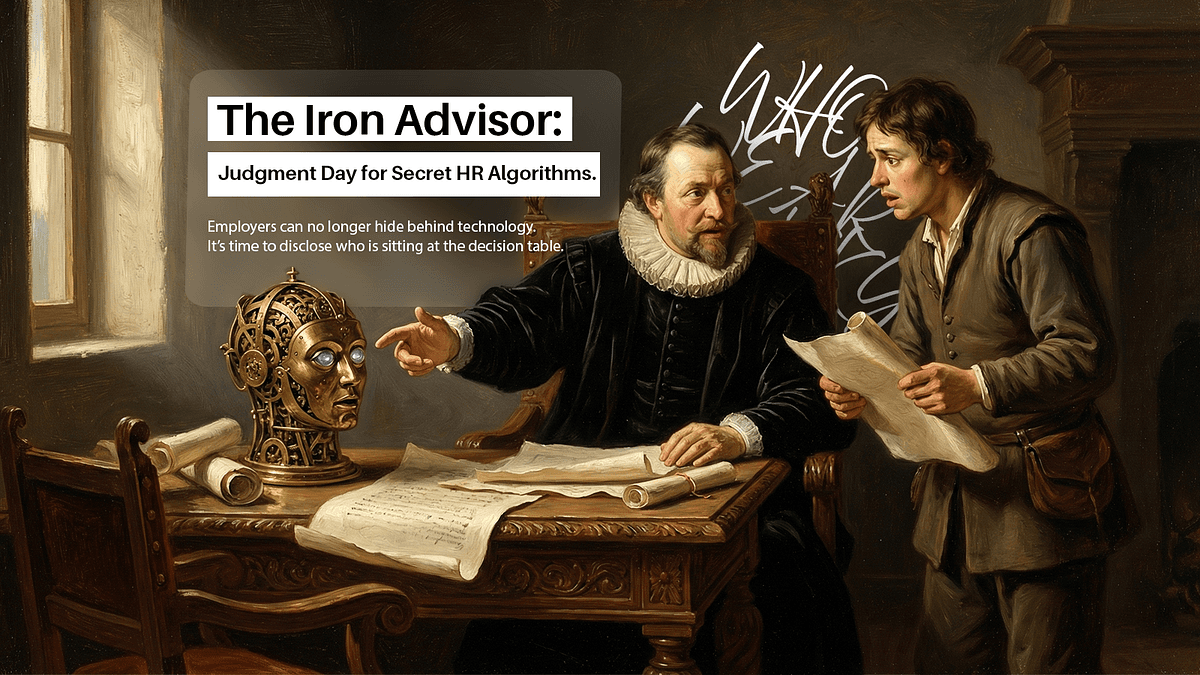
Despite these advancements, 2026 has also highlighted the importance of **ethical AI deployment**. Several high-profile **AI hiring bias lawsuits** have underscored the risks of biased algorithms, opaque decision-making, and over-reliance on automation. Common issues include:
- Overemphasis on keyword matching, which can overlook qualified candidates
- Embedded biases disadvantaging specific demographic groups
- Lack of transparency in how AI models arrive at decisions
To mitigate these risks, organizations are adopting several best practices:
- **Human oversight** during final candidate assessments
- Conducting **regular audits** for bias and fairness
- Ensuring **explainability** of AI decisions to candidates and recruiters
- Maintaining **transparency** about AI use and decision criteria
- Adhering to **data privacy standards** in line with evolving legal frameworks
Failing to address these concerns can result in legal repercussions, reputational damage, and loss of trust among applicants.
## Strategic Recommendations for 2026 and Beyond
To navigate this complex landscape, HR leaders should:
- **Preserve authentic storytelling** and a compelling Employer Value Proposition (EVP) as the foundation
- **Leverage analytics** for segmentation and personalization, ensuring outreach remains relevant
- **Pilot AI tools within strong governance frameworks** emphasizing transparency, fairness, and compliance
- **Embrace rapid prototyping**—like AI Recruiter Coaches and end-to-end automation platforms—to test and refine recruitment strategies swiftly
- **Establish clear KPIs** such as candidate quality, response rates, time-to-hire, and candidate satisfaction; continuously adjust tactics based on insights
- **Balance human authenticity** with technological innovation, ensuring AI enhances, rather than replaces, meaningful human interactions
## Broader Practitioner Insights: Episode 8 on AI – Opportunity or Threat?
In the recent **Episode 8: HR Technology & AI – Opportunity or Threat**, industry practitioners debated the dual nature of AI in recruitment. Some emphasized the unprecedented opportunities AI offers for scalability, personalization, and efficiency, while others warned of ethical pitfalls, bias risks, and the importance of maintaining human oversight. The consensus underscores that **responsible AI deployment**, coupled with transparent communication and human judgment, is essential to harness AI’s full potential without compromising fairness and trust.
## The Future: Responsible, Agile, and Transparent Recruitment
The convergence of **authentic employer branding**, **cutting-edge AI**, **rapid experimentation**, and **rigorous governance** is shaping a future where recruitment is more strategic, ethical, and resilient. Companies that blend **human-centric storytelling** with **technological agility** will be best positioned to attract top talent, adapt swiftly to market changes, and foster sustainable talent pipelines.
### Final Reflection
Endries International’s journey exemplifies this integrated approach—leveraging storytelling, data insights, AI automation, and rapid prototyping to revolutionize recruitment. As Andrea Tjoeng-Davey notes, **"While AI is transforming hiring, ethical deployment and transparency are paramount."** Success in this new era hinges on **balancing human authenticity** with **technological innovation**, fostering a culture of continuous experimentation, and prioritizing **responsible AI use**.
Organizations that embrace **agility, transparency, and ethical standards** will not only attract top talent but also set the benchmarks for the future of work. Recruitment will evolve from a transactional process into a strategic driver of organizational resilience and growth—anchored in authenticity, innovation, and integrity.