# How Policy Shifts, Costs, and Workforce Pressures Are Reshaping Hospitals and Health Systems in 2026
The healthcare landscape in 2026 remains one of the most dynamic and complex periods in modern medicine. Driven by an intricate web of policy reforms, technological innovation, economic pressures, and workforce challenges, hospitals and health systems are compelled to adapt rapidly. These forces are not only reshaping operational models but also redefining how care is delivered, financed, and governed—bearing profound implications for equity, safety, and future innovation.
## Continued Expansion and Refinement of Digital Care Models
### Federal Initiatives Drive Broader Access and Innovation
A defining feature of 2026 is the sustained federal commitment to digital health innovation. Legislation extending the reach of telehealth and hospital-at-home programs has been pivotal:
- **Telehealth services**—which saw unprecedented adoption during the pandemic—have been reinforced through legislation extending **Medicare and Medicaid coverage for telehealth—including teleprescribing of controlled substances—through 2028**. This extension underscores the critical role telehealth plays in enhancing access, especially in rural and underserved communities.
- **Hospital-at-home programs**—which enable patients to receive hospital-level care in their residences supported by remote monitoring—are now **supported through 2031**. Significant investments are being funneled into remote sensors, cybersecurity, and staff training to ensure safety, efficacy, and scalability. These programs aim to **reduce hospital capacity constraints, lower costs**, and **improve patient satisfaction and outcomes**.
### Legislative and Regulatory Milestones from 2025
Building on policies enacted in 2025, the current landscape features:
- **Coverage expansions** for Medicaid and Medicare, coupled with **new oversight mechanisms** to improve quality and safety.
- **Transparency mandates** requiring hospitals to disclose pricing and quality metrics—empowering consumers and fostering competition.
- **Behavioral health initiatives** with substantial funding to address escalating mental health needs amid ongoing workforce shortages.
- **Digital health innovation and cybersecurity investments** emphasizing safety, resilience, and public trust.
### State-Level Divergence and Regulatory Patchworks
While federal policies promote innovation, individual states are implementing their own regulations, creating a complex mosaic:
- **Ohio’s AI regulations** emphasize transparency, safety, and accountability, potentially setting a national benchmark.
- **Data localization laws in Texas and Florida** impose operational hurdles by complicating interoperability efforts and data exchange.
This regulatory patchwork challenges hospitals to develop flexible, compliant technology solutions capable of navigating diverse standards.
## Market Dynamics and the Rapid Rise of Digital Solutions
### Healthcare IT and AI Market Boom
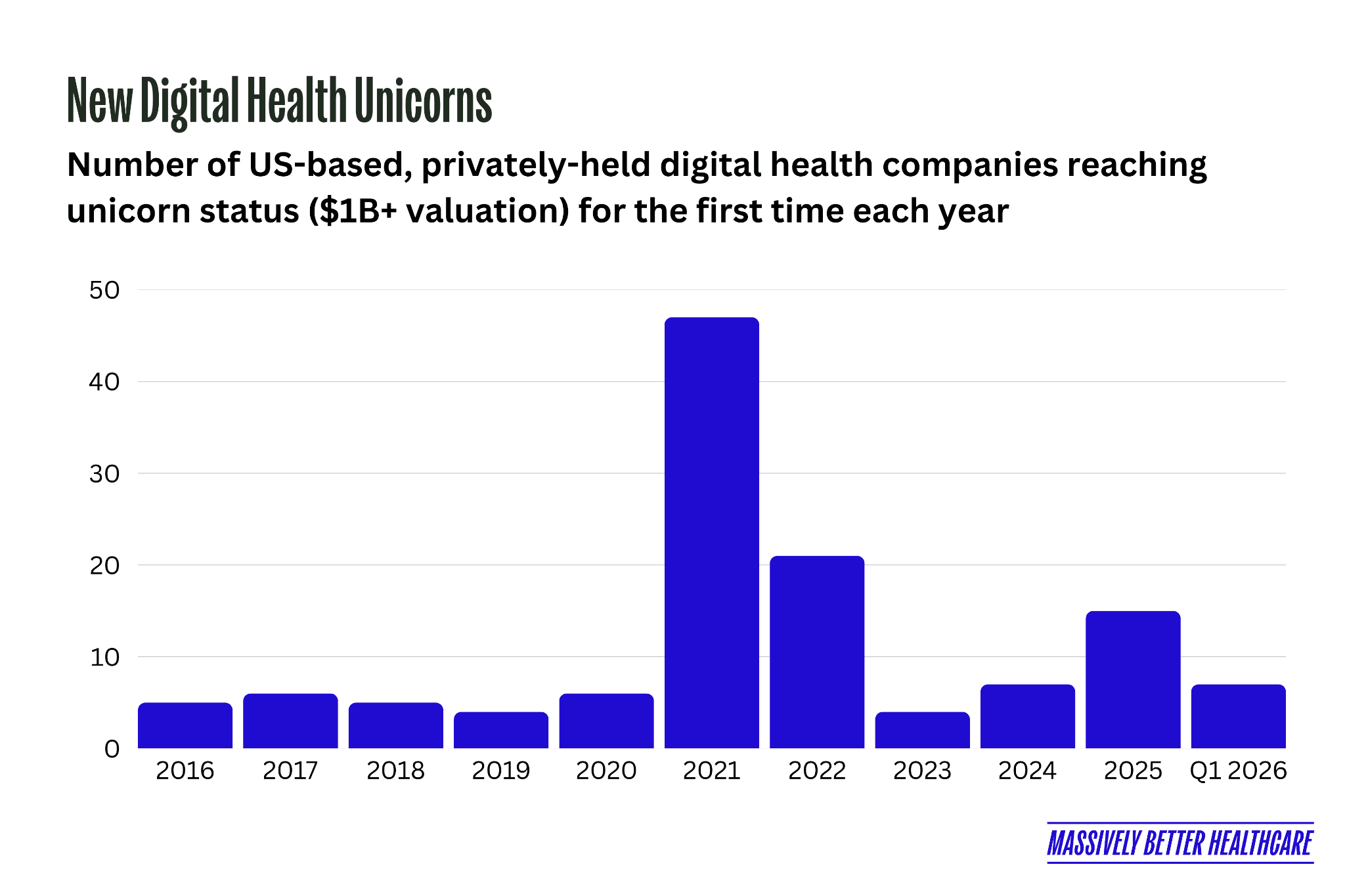
The US healthcare IT sector continues its exponential growth, projected to reach **approximately $396.82 billion by 2030**. Over **7,500 companies** are developing solutions involving **AI**, **augmented reality (AR)**, **virtual reality (VR)**, and other digital tools, transforming clinical workflows, operational management, and patient engagement.
- Industry leaders like **Palantir** and **TeleTracking** are pioneering AI-driven capacity management tools that enable hospitals to **predict patient surges**, **optimize staffing**, and **streamline resource deployment**.
- **AR and VR applications** are expanding into **surgical training**, **patient education**, and **mental health therapies**, promising increased precision and therapeutic engagement.
### Safety, Fairness, and Evaluation Challenges
As AI becomes integral to clinical and operational processes, the emphasis on **evaluating safety, efficacy, and fairness** has intensified:
- The publication of **"The Challenge of Evaluating AI Products in Healthcare"** underscores the necessity for **standardized assessment protocols** to prevent biases and ensure patient safety.
- The push for **audit-ready, compliant AI solutions** aligned with standards such as **HIPAA**, **SOC 2**, and **HITRUST**.
### Regulatory Complexity and Legal Risks
States like **California** and **Texas** are enacting regulations focused on **algorithmic fairness** and **transparency**, adding operational layers for hospitals. Navigating this evolving legal landscape necessitates **rigorous safeguards**, **ongoing validation**, and **compliance strategies**.
### Cybersecurity and Fraud Risks Escalate
Cyber threats continue to escalate:
- The **Conduent breach**, which exposed data of over **25 million individuals**, exemplifies systemic vulnerabilities.
- Hospitals are investing heavily in **multi-layered cybersecurity defenses**, including **advanced threat detection**, **multi-factor authentication**, and **staff cybersecurity training**.
- The rise of **siloed communication and data systems** has increased risks related to **healthcare fraud**, **elder abuse**, and **Medicare scams**, prompting authorities to tighten enforcement and protective measures.
## Policy and Political Developments
### High-Profile Federal Leadership Hearings
Recent hearings, such as the full Senate confirmation of **Casey Means** as President Biden’s nominee for Surgeon General, have spotlighted the political scrutiny on public health leadership and digital health policies. The **LIVE | Senate Grills Casey Means In US Surgeon General Confirmation Hearing** (duration: 1:57:16, viewed over 116 times) exemplifies the intense oversight and debate surrounding the future direction of health policy. Dr. Means, an advocate for digital health and health equity, was questioned on vaccine policies, misinformation, and public health strategies, reflecting a broader environment where **public health leadership** is under political pressure—thus influencing federal priorities and hospital strategies.
**Notably, during her confirmation process, Dr. Casey Means emphasized her strong support for vaccines, stating: “I fully support the measles vaccine,”** in response to recent concerns about vaccine hesitancy and misinformation. Her stance underscores the ongoing emphasis on vaccination as a cornerstone of public health policy, especially in the context of digital tools and outreach strategies to combat misinformation.
### Impact of the Consolidated Appropriations Act of 2026 on Drug Costs
A landmark legislative development is the **Consolidated Appropriations Act of 2026**, which mandates **greater transparency by Pharmacy Benefit Managers (PBMs)**:
- PBMs are now required to disclose **rebate arrangements, price concessions**, and **net drug costs**.
- This aims to **reduce drug prices** and **lower hospital pharmacy costs**, but it also increases **administrative burdens** and operational complexity within hospital systems.
## Operational Challenges: Costs, Workforce Burnout, and Ethical Governance
### Rising Costs and Cybersecurity Investments
Operational expenses continue to surge, driven by:
- The need for **advanced cybersecurity defenses** following high-profile breaches.
- Investments in **AI** and **immersive technologies** to enhance care and operational efficiency.
### Workforce Burnout and Staffing Shortages
Clinician burnout persists as a critical issue, intensified by staffing shortages—particularly among nurses. Hospitals are responding by:
- Promoting **digital literacy** and **AI stewardship training** to enable clinicians to oversee AI tools ethically, recognize biases, and maintain safety.
- Implementing policies like the **Healthcare Without Fear Act** (passed in 2025), designed to protect clinicians and patients, fostering safer and more equitable working environments.
### Rising Operational Costs
Hospitals face escalating costs related to **cybersecurity**, **technology upgrades**, and **staffing**, challenging financial sustainability.
## Governance, Equity, and Ethical Use of Technology
### Robust AI Governance and Bias Mitigation
The proliferation of AI underscores the urgent need for **comprehensive governance frameworks**:
- Establishing **safety, transparency, and fairness standards**.
- Implementing **bias mitigation protocols** and **continuous validation** to prevent disparities.
- Prioritizing **cybersecurity** to protect sensitive health data and uphold public trust.
### Promoting Equity Through Digital Tools
While digital innovations can improve access, they risk widening disparities if biases persist. Current efforts focus on:
- Developing **diverse datasets**.
- Applying **continuous validation**.
- Ensuring **equitable deployment** to prevent digital disparities from deepening.
### Multi-sector Collaboration
Effective management relies on **collaborative efforts** among federal agencies, states, private sector, and community organizations to:
- Manage costs.
- Expand access.
- Uphold quality standards.
- Promote ethical AI use.
## Emerging Therapies and Policy Gaps
### Radioligand Therapy (RLT) and Specialized Treatments
Emerging therapies like **Radioligand Therapy (RLT)** are gaining traction, particularly in oncology. However, **policy gaps** hinder broad adoption:
- The report **"Bridging Gaps for Radioligand Therapy: Policy Priorities for Scaled Implementation"** emphasizes the need for clear regulatory pathways, reimbursement models, and safety protocols to integrate RLT into standard care.
### Accelerating Policy, Access, and Innovation
Initiatives such as **"Fast Track Healthcare: Policy, Access, and Innovation"** aim to **streamline regulatory processes**, **expand coverage**, and **accelerate adoption** of innovative therapies and digital solutions, ultimately seeking to **reduce delays**, **lower costs**, and **improve patient outcomes**.
## New Focus: AI-Driven Revenue Cycle Management
An emerging area gaining prominence is **AI-driven revenue cycle management (RCM)**. This involves deploying **advanced AI agents** to:
- **Automate billing and coding processes**.
- **Reduce administrative overhead**.
- **Enhance revenue capture accuracy**.
- **Identify and prevent denials or fraud**.
A recent article titled **"Transforming Revenue Cycle Management with AI Agents"** highlights how hospitals can **maximize revenue**, **streamline workflows**, and **maintain compliance and security**. Successful implementation, however, requires **robust governance**, **security protocols**, and effective **change management**.
---
### **Current Status and Implications**
As 2026 progresses, hospitals and health systems operate within a **multifaceted ecosystem** shaped by rapid technological advances, evolving policies, and enduring operational pressures. While challenges such as **cybersecurity threats**, **disparities**, and **rising costs** persist, ongoing efforts in **regulatory harmonization**, **ethical AI governance**, and **multi-sector collaboration** are creating pathways toward a **more connected, equitable, and innovative healthcare system**.
**Key to success will be**:
- Developing **harmonized regulatory standards** that keep pace with innovation.
- Building **comprehensive frameworks** for **AI safety, fairness, and transparency**.
- Investing in **workforce development**, including **digital literacy** and **ethical oversight**.
- Ensuring **equitable deployment** of digital tools and therapies, addressing biases and social determinants.
---
### **Implications for Stakeholders**
- **Hospitals and providers** must prioritize **cybersecurity**, **compliance**, and **clinician well-being**.
- **Policymakers** should continue harmonizing regulations, support innovation, and safeguard equity.
- **Vendors and innovators** are encouraged to develop **standardized, audit-ready solutions** aligned with evolving standards.
- **Patients** stand to benefit from **greater access**, **personalized therapies**, and **safer, more transparent care**—if these systems are managed responsibly.
---
### **In Summary**
The trajectory of hospitals and health systems in 2026 is shaped by a **complex interplay of policy reforms, technological advances, and workforce realities**. While significant obstacles—cybersecurity threats, disparities, rising operational costs—remain, concerted efforts toward **regulatory harmonization**, **ethical AI governance**, and **collaborative policymaking** offer a promising path toward a **more efficient, equitable, and innovative healthcare future**. Stakeholders who proactively address these issues will be best positioned to harness the transformative potential of this new era in healthcare.