# How Iran’s War Is Reshaping Gulf Security and Alliances: An In-Depth Update
The ongoing conflict involving Iran has entered a critical and increasingly volatile phase, fundamentally transforming the security landscape of the Gulf region. Recent developments reveal a clear shift toward military assertiveness by Iran, mounting attacks on vital energy and shipping infrastructure, and strategic recalibrations among regional and global allies. These dynamics are creating a tense, unpredictable environment that could redefine alliances, security strategies, and energy markets for years to come.
## Iran’s Hardening Military Posture and Diplomatic Rejection
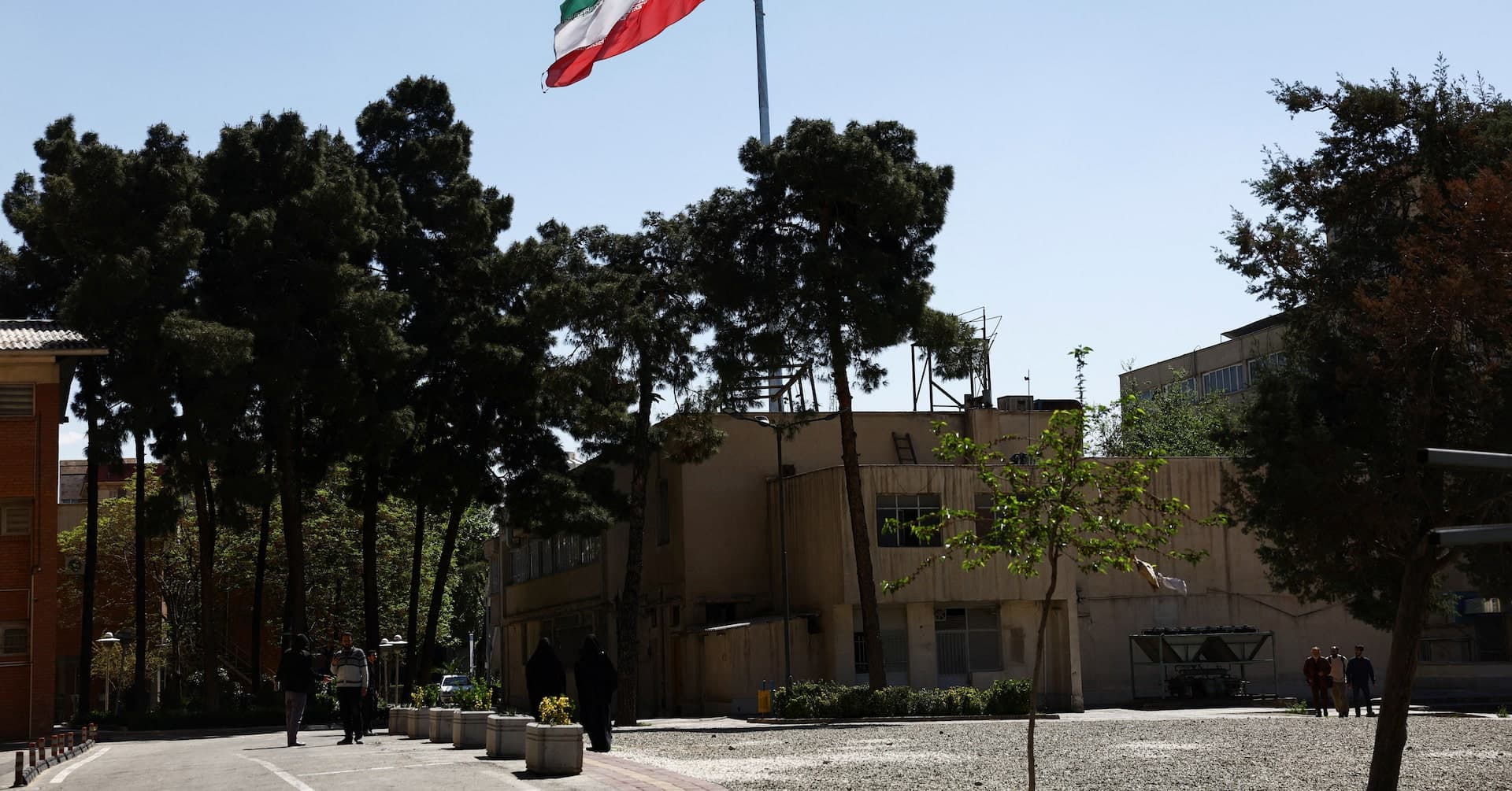
Iran’s leadership has unequivocally doubled down on its military strategy, making it clear that diplomatic efforts to de-escalate the crisis are effectively off the table. Iranian Foreign Ministry officials have publicly **“ruled out diplomacy with the US and Israel amid the escalating war,”** signaling a deliberate move away from negotiations toward resilience and military readiness. This stance underscores Iran’s intent to project strength and deter external interference through a sustained and increasingly aggressive military posture.
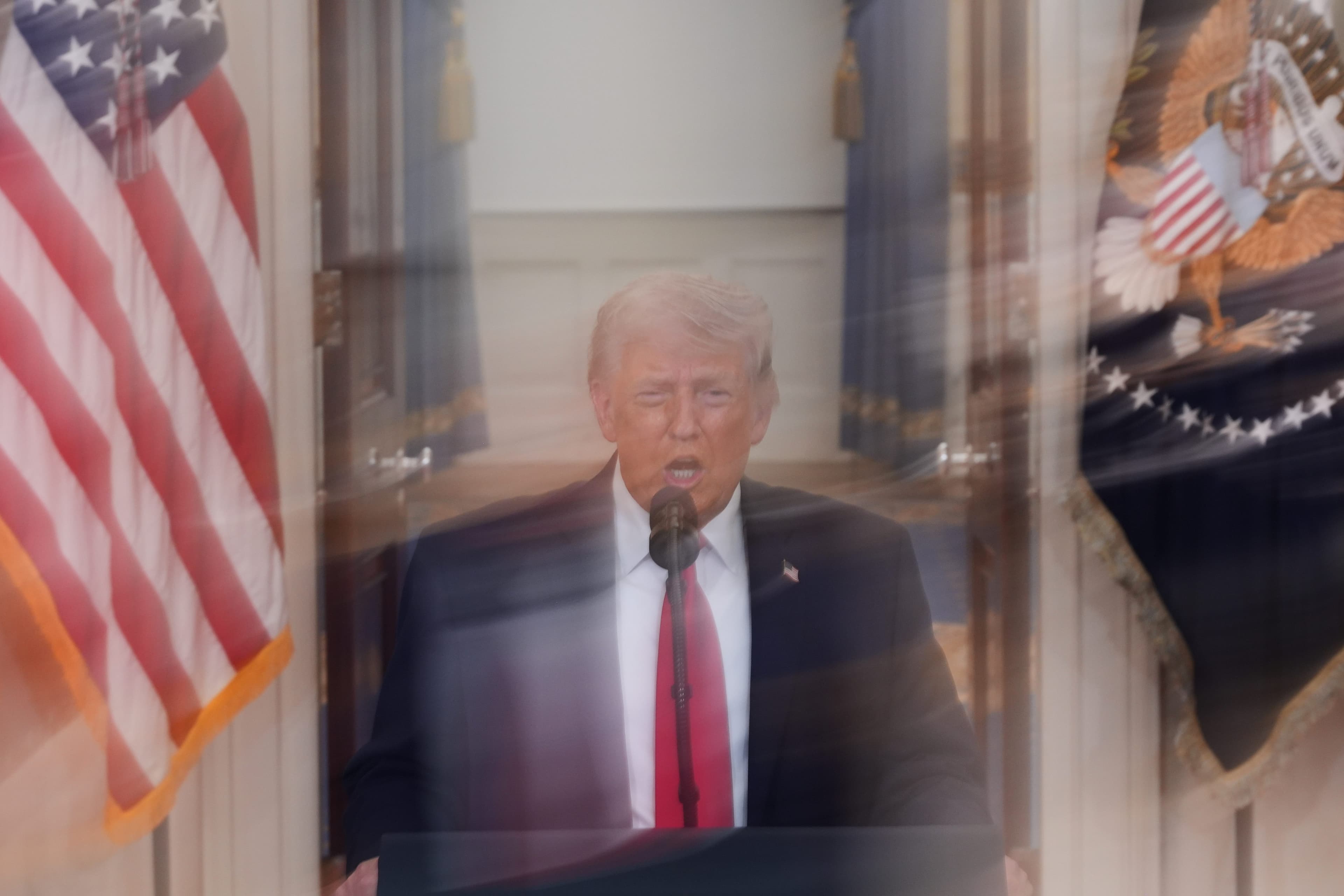
Recent statements from President Ebrahim Raisi have further emphasized this approach. Raisi publicly declared that Iran is **“prepared for a long war”** if necessary, a message designed to bolster domestic morale, justify ongoing military actions, and signal to regional and international actors that Iran is committed to enduring the conflict regardless of external pressures. This posture reflects Tehran’s belief that diplomatic avenues are effectively closed, making prolonged conflict a likely scenario.
### Military Movements and Capabilities
Intelligence assessments from U.S. and regional sources confirm that Iran retains formidable military capacity. Despite ongoing sanctions, internal challenges, and economic pressures, Iran continues mobilizing forces and maintaining the ability to escalate operations. Notably, Iran has demonstrated resilience in its military infrastructure, and recent reports indicate preparations for possible further strikes or defensive actions. This indicates that Iran perceives itself as capable of withstanding external pressures while pursuing its strategic objectives.
## Escalation of Attacks and Regional Security Dynamics
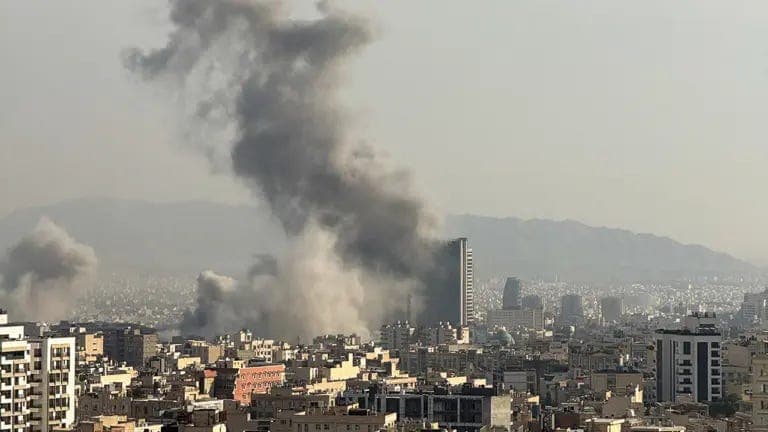
Iran’s recent series of attacks on critical energy infrastructure and shipping lanes have sharply heightened tensions across the Gulf. These strikes threaten vital energy routes, risking significant disruptions to global oil markets, especially amid a backdrop of geopolitical instability and fluctuating energy demands.
### Key Incidents and Responses
- **Attacks on Dubai and Shipping:** Iran has stepped up its assaults targeting Dubai’s shipping lanes and infrastructure, rattling markets and raising fears of broader disruptions. A recent video titled *“Iran Escalates Attacks on Dubai and Shipping, Rattling Markets”* documents the increasing frequency and intensity of these operations, highlighting the threat to maritime security and regional stability.
- **Targeted Strikes on Saudi Arabia and the UAE:** Following recent assaults, Saudi Arabia and the UAE have responded by bolstering their defenses. The UAE, in particular, declared a **‘state of defense’**, increasing military readiness and security measures to protect critical infrastructure and prevent spillover effects from Iran’s actions. Reports indicate that both countries are enhancing missile defenses, intelligence sharing, and military patrols along sensitive corridors.
### Regional Strategic Shifts
While Gulf nations publicly call for restraint, they are deepening security cooperation with the United States. This includes increased intelligence sharing, joint military exercises, and diplomatic coordination aimed at deterring Iran’s aggressive actions and safeguarding energy and shipping routes. Qatar, traditionally more cautious, is quietly upgrading its military and intelligence ties with Washington to balance regional sensitivities with strategic imperatives.
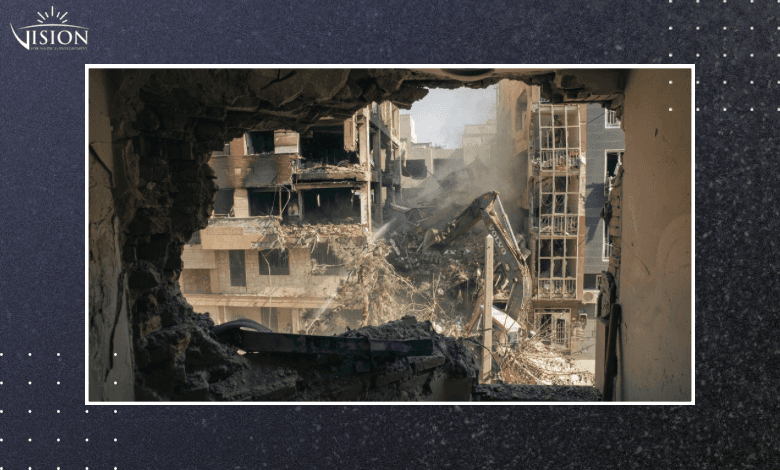
Leaders in Iraq and Kurdish regions have issued stark warnings that their territories risk becoming battlegrounds, underscoring fears of regional spillover that could threaten energy corridors and regional stability. These concerns are prompting a re-evaluation of security policies across the Gulf and neighboring countries.
## Iran’s Information Warfare and Strategic Messaging
Beyond kinetic operations, Iran is actively engaged in information warfare to influence perceptions within Gulf populations and beyond. Iranian authorities have intensified campaigns blaming the US and Israel for regional instability, urging Gulf citizens to **“not shield US forces,”** and framing the conflict as a struggle against foreign interference. These propaganda efforts aim to sway public opinion, sow distrust in Western-led security arrangements, and justify Iran’s military posture both domestically and regionally.
A recent Iranian message explicitly urges Gulf populations to **“reveal the locations of foreign military bases,”** attempting to weaken Gulf states’ support for Western security alliances and foster anti-American sentiment. This information warfare complements Iran’s kinetic activities, creating a comprehensive strategy to undermine Gulf support for external powers.
## Internal Iranian Politics and Regime Resilience
Despite external pressures and military provocations, recent analyses suggest Iran’s internal resilience remains largely intact. A video titled *“Structure of the regime: Why Iran is more resilient than assumed”* argues that Iran’s political and military structures are capable of withstanding prolonged conflict.
However, internal dynamics are complex. Clashes within Iran’s political elite—particularly tensions between President Raisi and the Islamic Revolutionary Guard Corps (IRGC)—are intensifying. The video *“Clashes within Iran’s political elite: Tension between president and IRGC”* indicates factions are vying for influence, which could impact Iran’s strategic decisions. Nonetheless, U.S. intelligence assessments, such as *“Trump’s Big Iran Bet Goes Up In Smoke? US Intel Says Islamic Republic Standing - No Imminent Fall,”* suggest that Iran is not on the verge of collapse. Instead, Tehran perceives its military and strategic posture as capable of deterring intervention and prolonging its endurance.
## External Support and Strategic Calculations
Iran’s strategic environment is being influenced by external powers. Reports indicate that Russia and China are providing military cooperation and support to Iran, including intelligence sharing, military training, and possibly assisting with missile technology. A POLITICO article titled *“Iran says Russia and China providing 'military cooperation'”* confirms these alliances, which bolster Iran’s deterrent capabilities.
Moreover, proposals are emerging to restrict Iran’s oil exports to key buyers like China. An energy policy expert, in a recent video titled *“‘Restrict Iran Exports of Oil to China’: Next Steps for Strait,”* discusses potential measures such as enforcing sanctions and limiting Iran’s access to global markets, aiming to pressure Iran economically and reduce its capacity to fund military operations.
### Regional and Global Strategic Moves
- **Russia and China’s Involvement:** Both countries are actively aiding Iran, potentially providing military hardware, intelligence, and diplomatic cover at international forums. This support complicates Western efforts to isolate Iran and adds a new layer to the regional power balance.
- **Potential Oil Export Restrictions:** Experts suggest that restricting Iran’s oil exports, especially to China—a major customer—could serve as leverage to curb Iran’s economic capacity to sustain prolonged conflict.
## Turkey’s Position and Regional Dynamics
Turkey’s stance remains nuanced. A recent report indicates that **“Iran feels ‘betrayed’ by US attacks during nuclear talks,”** according to Turkish officials. While Turkey seeks to maintain diplomatic ties with Iran, it is also wary of escalation and regional spillover. Ankara has called for dialogue but is also increasing its military preparedness, particularly along its southeastern borders and maritime routes.
## New Diplomatic Developments and Risks
Amidst escalating hostilities, reports of a potential diplomatic offer to end hostilities have emerged. An article titled *“Iran Just Offered a Deal for the End of the War With America”* suggests Tehran may be willing to negotiate under certain conditions. Experts caution, however, that such overtures could be part of a strategic ploy, and the risk remains that negotiations could be used to buy time or divide Western and regional interests.
Meanwhile, warnings of an escalation trap persist. A recent analysis titled *“Thirty Years of Pentagon Warnings are Ignored — Inside the Iran Escalation Trap”* underscores the danger that ongoing military provocations and external provocations could lead to all-out conflict, with unintended consequences for regional and global stability.
## Market and Energy Implications
The recent surge in attacks, especially on Dubai’s shipping and energy infrastructure, has unsettled global markets. The threat of sustained disruptions to energy supplies raises fears of higher oil prices, inflation, and economic instability worldwide. The vulnerability of energy routes underscores the strategic importance of Gulf security architectures, and prolonged conflict could trigger significant volatility in global energy markets.
## Current Status and Outlook
Iran continues to reject diplomatic overtures while emphasizing military resilience and strategic messaging. Gulf states are increasingly aligning with the U.S. security framework, fortifying deterrence measures amid Iran’s aggressive stance. External powers—Russia and China—are deepening their involvement, complicating the diplomatic landscape.
**The coming weeks will be decisive.** Key questions include:
- Will Iran escalate further, potentially targeting more strategic assets or adopting new tactics?
- How deeply will Gulf states and regional actors integrate with external alliances like the U.S., Russia, and China?
- Can diplomatic channels be revived amidst ongoing hostilities, or will conflict persist and intensify?
- How will global energy markets respond to continued threats and disruptions?
---
**In summary**, Iran’s strategic posture—marked by military defiance, aggressive attacks, information warfare, and external alliances—is fundamentally reshaping Gulf security and regional geopolitics. The region faces a volatile future, with the risk of escalation, spillover, and broader instability looming. While diplomatic efforts are ongoing, current developments suggest a challenging road ahead, with profound implications for energy security, international diplomacy, and alliance structures worldwide.