# The 2026 Immigration Crisis: Judicial Resistance, Systemic Collapse, and the Road Ahead
As 2026 unfolds, the United States faces a mounting and multifaceted immigration crisis driven by systemic failures, aggressive enforcement policies, and persistent legal battles. While judicial resistance remains a critical line of defense against some of the most harmful Trump-era policies, the underlying infrastructure of the immigration system continues to weaken, risking a collapse that could have profound humanitarian and national security implications.
---
## Judicial Resistance Continues to Defend Immigrant Rights
Throughout 2026, courts have played a decisive role in checking executive overreach, blocking or overturning policies that threaten due process and human rights:
- **Blocking TPS Rescissions:** In **February 2026**, federal courts issued a **stay preventing the Trump administration’s attempt to rescind Temporary Protected Status (TPS) for Venezuelan and Ethiopian nationals**. The courts underscored that rescinding TPS amidst ongoing crises—such as political upheaval, armed conflict, and humanitarian emergencies—would cause **irreparable harm**, reaffirming the judiciary’s role in protecting statutory protections.
- **Restrictions on Indefinite Detention:** Several rulings, notably in Minnesota and Oregon, **limited practices of indefinite re-detention**. Courts emphasized that detention must be based on **lawful, specific grounds**, challenging systemic abuses like those seen in **Kilmar Abrego Garcia**, where detainees faced prolonged detention without justification.
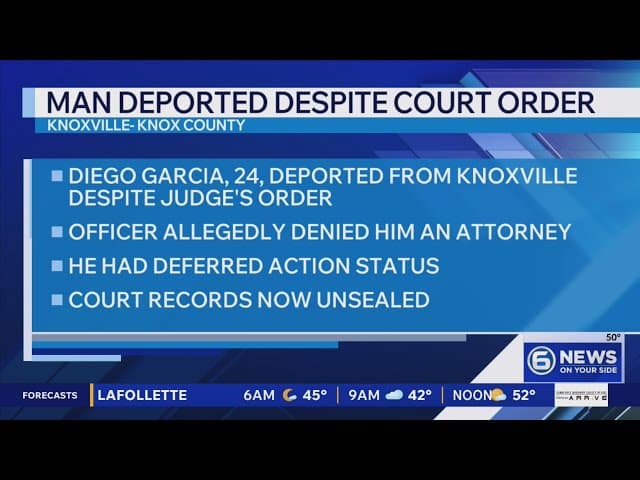
- **Restoring Access to Counsel and Bond Hearings:** Courts increasingly **ordered ICE to restore detainees’ access to legal counsel** and **mandated bond hearings after prolonged detention**. For example, a **court in Evansville, Indiana**, mandated a **bond hearing** after an individual was detained excessively, reinforcing constitutional protections and curtailing indefinite detention.
- **Legal Victories and Accountability:** A **notable settlement of $68 million in Texas** emerged after lawsuits revealed wrongful detention and systemic misconduct. These victories underscore ongoing efforts to **hold agencies accountable** and **improve detainee treatment** amid systemic failures.
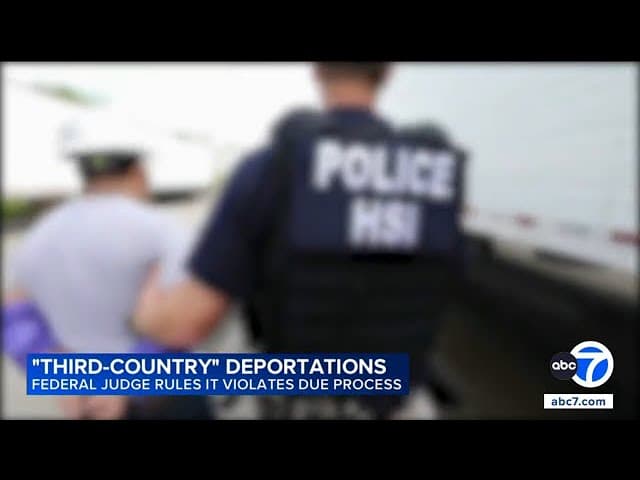
- **Judicial Rejection of Trump-Era 'Third Country' Deportation Policy:** A landmark ruling explicitly **invalidated the Trump administration’s 'third country' deportation policy**, which sought to transfer asylum seekers to third countries for processing. The court found this policy **unlawful**, citing violations of international refugee protections and due process rights. The decision signals a significant judicial pushback against restrictive enforcement measures.
Additionally, **amici briefs from faith communities, civil rights organizations, and legal scholars** emphasize the moral and constitutional imperative to uphold refugee and asylum rights, shaping judicial understanding and rulings.
---
## Drivers of Systemic Collapse: Backlogs, Staffing Shortfalls, and Underfunding
Despite these legal protections, the operational backbone of the immigration system faces unprecedented strain:
- **Record Backlogs:** The **immigration courts now have over 3.2 million pending cases**, with delays stretching for years. Vulnerable populations—including asylum seekers, families, and unaccompanied minors—remain in limbo, often subjected to detention or deportation orders that neglect due process.
- **Decline in Immigration Judges:** The **number of immigration judges has decreased by approximately 25% over the past year**, largely due to low pay, burnout, and politicization. An investigative report titled *"U.S. has a quarter fewer immigration judges than it did a year ago. Here's why"* highlights how this staffing crisis worsens delays and reduces fairness in proceedings.
- **USCIS Underfunding and Overload:** While some processes like **I-130 family petitions** show slight improvements, **USCIS remains severely underfunded**. As a result, asylum processing, green card adjudications, and work permit issuance continue to face significant delays, leaving many applicants in limbo—unable to access legal status or employment authorization.
- **Procedural Rollbacks and Rising Denial Rates:** Recent policy changes—such as **shortened appeal windows, sometimes as tight as 10 days**, and **auto-dismissal policies**—have **reduced judicial review opportunities**. Denial rates for applications like **I-751 (marriage-based green cards)** are surging, often leading to deportation threats. Social media testimonies and viral videos depict the human toll vividly, illustrating families torn apart by these policies.
---
## Tightening Asylum and Work-Authorization Policies
The administration’s latest policies continue to restrict core principles of refugee protection and economic self-sufficiency:
- **Limits on Asylum-Related Work Permits:** New DHS regulations **restrict eligibility for asylum-related work permits**, leaving many asylum seekers unable to support themselves legally. Recent reports and videos highlight how these restrictions deepen economic hardship, leading to increased reliance on aid and community support.
- **Resurrected Trump-Era Restrictions:** Echoing **Trump’s policies**, proposals for **shortened processing times**, **expanded expedited removals**, and **heightened screening procedures** are being implemented **without thorough review**. These policies **restrict access to asylum** and **expedite deportations**, severely undermining due process rights and international obligations.
- **Impact on Communities:** As **fewer work permits are granted**, local economies suffer, and community integration efforts are strained further. Immigrant-rich areas face rising economic hardships, social tensions, and diminished trust in federal enforcement agencies.
---
## Enforcement Overreach, Litigation Surge, and Civil Liberties at Risk
Enforcement agencies are embroiled in scandals and legal challenges that threaten civil liberties:
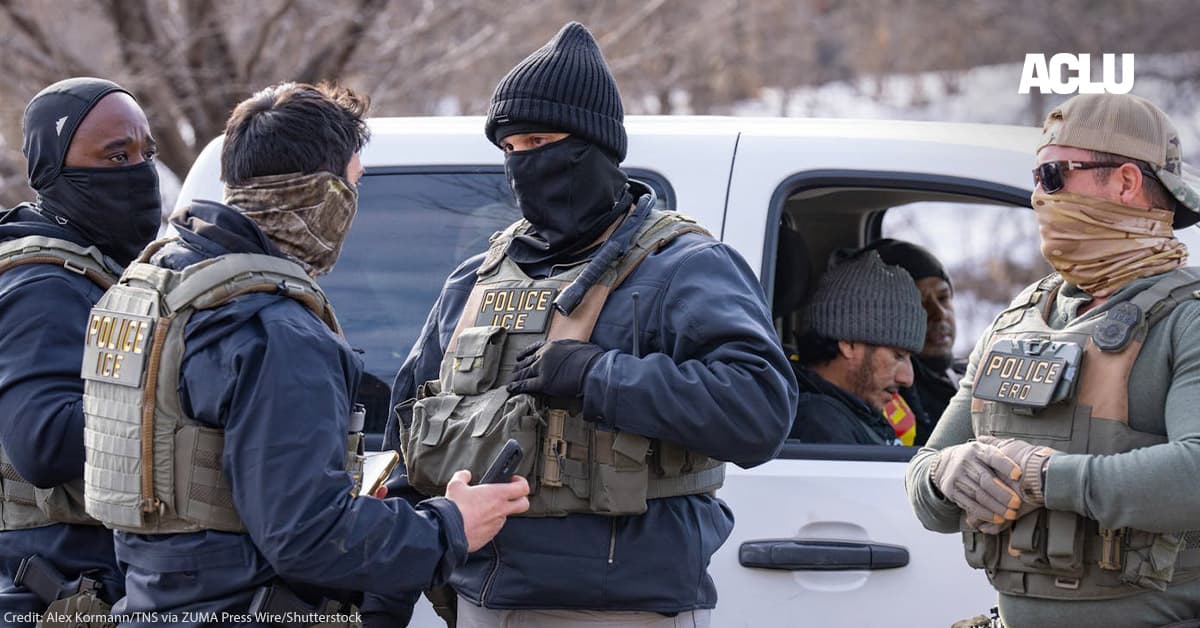
- **Over 1,000 Lawsuits Filed:** Advocacy groups, detainees, and legal organizations have **filed over 1,000 lawsuits** alleging wrongful detention, unlawful interrogations, and systemic misconduct. Courts are **restricting warrantless arrests** and **challenging practices** that violate constitutional protections, especially in states like Minnesota and Oregon.
- **DOJ Admissions of Violations:** The **Department of Justice** has **admitted to dozens of violations of court orders**, further eroding public trust in enforcement agencies and raising concerns about accountability.
- **Detainee Medical Care Crisis:** Funding cuts and mismanagement have **worsened medical services at detention centers**, leading to preventable health crises and fatalities. Faith-based and community organizations are mobilizing to address these issues, but systemic neglect persists as a human rights crisis.
- **Airport Arrests and Data Sharing:** Recent investigations, including a **CNN report**, reveal **ICE agents conducting arrests at airports and wrongful detentions of U.S. citizens**, raising constitutional concerns. Additionally, **TSA–ICE data-sharing at airports** increases risks of wrongful surveillance and detention, threatening privacy rights and civil liberties.
- **Civil Liberties at Increased Risk:** The increasing scope of enforcement—such as **arresting U.S. citizens for "impeding" enforcement efforts**—and **widespread surveillance practices** threaten constitutional protections and civil rights.
---
## Local Resistance and Community-Led Initiatives
Many jurisdictions continue to push back against federal enforcement:
- **Sanctuary Policies and Local Limits:** Cities like **New Orleans**, **Fargo (North Dakota)**, and **Minnesota** have **enacted policies limiting cooperation with ICE and CBP**. The **New Orleans Police Department (NOPD)** recently **revised its immigration enforcement policies** to **limit collaboration**, emphasizing community trust and public safety.
- **Faith and Volunteer Support:** Civil society, faith-based organizations, and volunteers remain vital in **monitoring enforcement actions**, **advocating for fair treatment**, and **providing legal assistance**. An article titled *"Inside New Orleans' immigration court, volunteers watch cases unfold: ‘From kindness to cruelty’"* underscores their critical role amid systemic hostility.
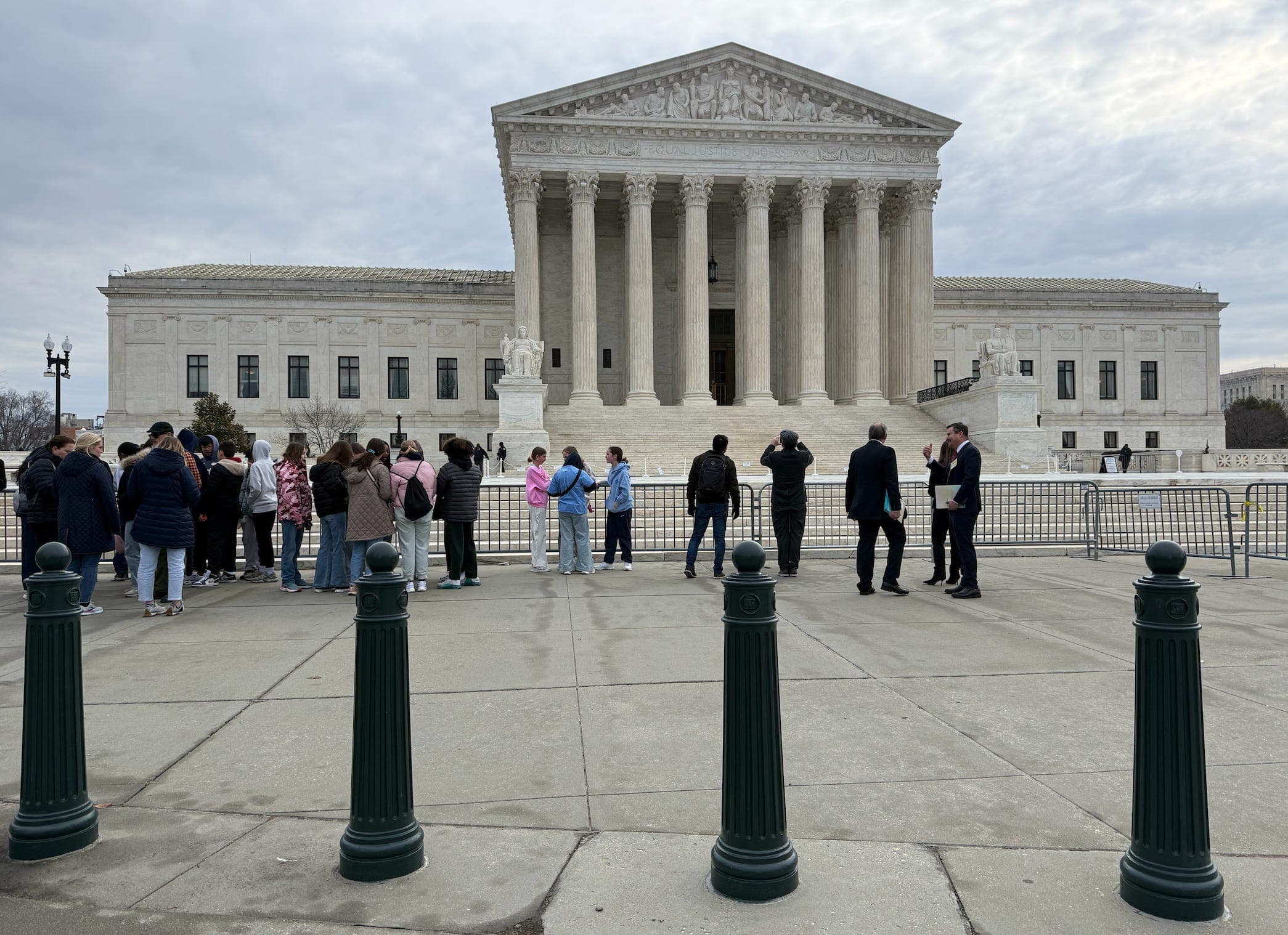
- **Historical Role of Faith Communities:** The **PDF report from the Supreme Court** underscores how **faith communities have historically played a key role** in refugee resettlement and asylum advocacy, reinforcing their moral authority and ongoing influence.
---
## Immediate Threats and Recent Developments
The year’s unfolding events threaten to exacerbate the crisis:
- **Potential Federal Shutdown:** An **impending government shutdown** could **furlough immigration judges and staff**, halting all proceedings. Such a shutdown risks **freezing adjudications**, extending backlogs, and causing widespread human suffering.
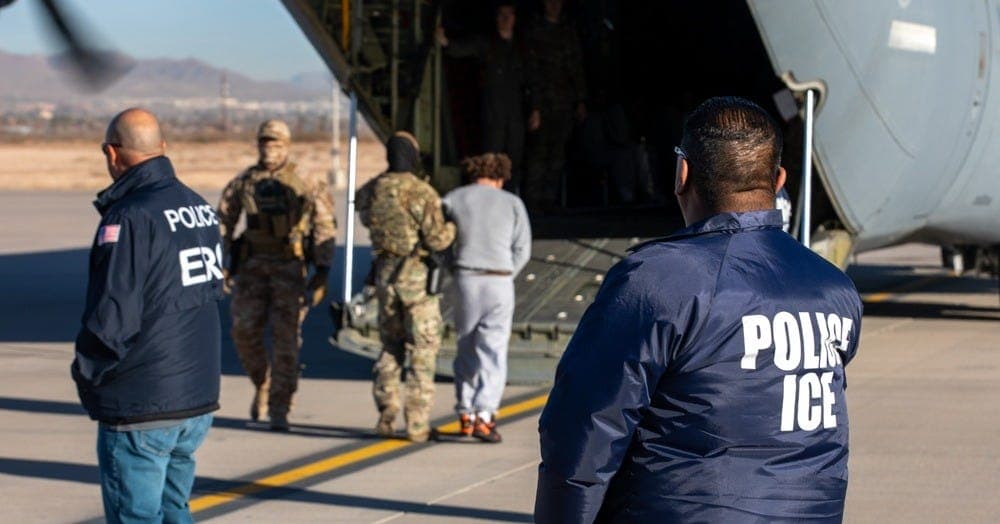
- **Mass Deportation Planning:** Evidence points to **large-scale deportation efforts**, even amid backlog chaos and restrictive policies, risking violations of international law and human rights standards.
- **Ongoing Litigation and Relief Pathways:** Recent **court rulings**—notably **invalidating the 'third country' deportation policy**—and **settlements** such as the **$68 million in Texas** demonstrate judicial pushback against unlawful enforcement. **Mandamus lawsuits**, **travel-ban litigations**, and **administrative challenges** continue to shape legal avenues for relief.
- **Civil Liberties and Overreach:** Investigations reveal **ICE conducting airport arrests of U.S. citizens**, while **TSA–ICE data sharing** heightens surveillance concerns, threatening constitutional protections and civil rights.
- **Political and Judicial Tensions:** The Department of Justice’s **lawsuit against sanctuary jurisdictions** and threats to **challenge birthright citizenship** underscore ongoing disputes over constitutional rights and states’ authority.
---
## **Current Status and Implications**
While **judicial resistance** has been instrumental in curbing some of the most extreme policies, the **system’s structural vulnerabilities**—notably the backlog exceeding 3.2 million cases, staffing shortages of approximately 25%, and underfunding of USCIS—are pushing the immigration system toward collapse. The **threat of a federal shutdown** looms large, with the potential to **further paralyze adjudications and deepen the crisis**.
Enforcement overreach—manifested through airport arrests, wrongful detention, and intrusive surveillance—continues to threaten civil liberties at home. Meanwhile, **local jurisdictions and community organizations** are actively resisting federal policies through sanctuary measures and legal advocacy, but their efforts are increasingly strained.
**The overarching implication** is clear: without urgent, bipartisan reform—expanding staffing, increasing resources, safeguarding due process, and ensuring accountability—the U.S. immigration system risks disintegration. This would prolong human suffering, undermine international commitments, and erode the moral fabric that underpins America's immigration principles.
As 2026 progresses, the nation faces a pivotal choice: **reform the system to uphold fairness, human rights, and efficiency** or witness the unraveling of a once-functioning immigration framework, with profound consequences for generations to come.