# The Evolution of AI (2024–2026): Foundations, Innovations, and Societal Impact
The AI landscape from 2024 to 2026 has witnessed an unprecedented transformation, driven by the release of increasingly powerful foundational models, breakthroughs in compression and efficiency techniques, and hardware innovations that enable highly capable on-device inference. These developments are collectively reshaping the capabilities, accessibility, and societal implications of AI, positioning it as a ubiquitous, intelligent, and safer technology across industries and everyday life.
---
## Major Model Releases and Long-Context Multimodal Capabilities
The period has been marked by the unveiling of **groundbreaking models** such as **GPT-5.3-Codex**, **Qwen3.5**, **Gemini 3.1 Pro**, and **Sonnet 4.6**. These models push the boundaries of scale and functionality:
- **GPT-5.3-Codex** now features a **400,000-token context window**, a 20-fold increase compared to traditional models. This allows AI systems to **maintain extended conversations**, **analyze lengthy documents**, and support **complex reasoning tasks**—a significant step toward **memory-enabled, autonomous AI agents**.
- **Gemini 3.1 Pro** has achieved **record benchmark scores** (e.g., a **human-normalized RE-Bench score of 1.27**), indicating near-human reasoning and enhanced multimodal perception. Its capabilities are crucial for deploying AI in **automated reasoning, content understanding, and decision-making**.
- **Sonnet 4.6** from Anthropic expands **context windows** further and improves **coding and automation abilities**, making it a versatile tool for **software development and automated reasoning**.
In addition, **real-time and speech models** have advanced significantly:
- **OpenAI’s gpt-realtime-1.5** enhances **speech instruction adherence**, making voice-driven workflows more reliable.
- Community-developed **Faster Qwen3TTS** now produces **high-fidelity voice synthesis at 4× real-time**, facilitating **low-latency voice applications** vital for **virtual assistants, accessibility tools, and media production**.
### The Rise of Multimodal and Extended-Context Models
The trend towards **multimodal AI** continues robustly:
- **Llama-3-Chat** and **Meta’s SeamlessM4T** integrate vision, speech, and language, supporting **more natural and seamless interactions**.
- The expansion of **context windows**—from thousands to hundreds of thousands of tokens—enables models to **manage complex workflows**, **long-term reasoning**, and **multi-turn dialogues**, essential for **autonomous agents** handling **multi-faceted, extended tasks**.
This long-term memory capacity is increasingly vital for **automated decision systems**, **complex analysis**, and **multi-modal content understanding**.
---
## Compression, Quantization, and Efficiency Breakthroughs
Handling such large models efficiently has been a core focus:
- **COMPOT**, a **training-free matrix Procrustes orthogonalization method**, allows models to be **shrunk significantly** without retraining. This makes **on-device deployment** feasible for resource-constrained environments.
- **NanoQuant** delivers **sub-1-bit quantization**, enabling models to **run on wearables, IoT sensors, and embedded devices** with minimal accuracy loss, democratizing AI accessibility.
- **SpargeAttention2** achieves **95% sparsity**, which accelerates **multimodal and diffusion models** by over **16×** while maintaining quality.
- **Consistency Diffusion** offers **up to 14× faster inference speeds** **without sacrificing quality**, making real-time, large-scale AI applications more practical at the edge.
These advances drastically reduce **computational** and **energy costs**, paving the way for **widespread, on-device AI inference**.
---
## Hardware Innovations and Infrastructure for Edge AI
Hardware breakthroughs are critical for deploying these models effectively:
- Companies like **Taalas** have pioneered **"printing" large language models onto dedicated chips**, drastically reducing **latency and power consumption**, enabling **truly edge-native AI** on smartphones, IoT devices, and embedded systems.
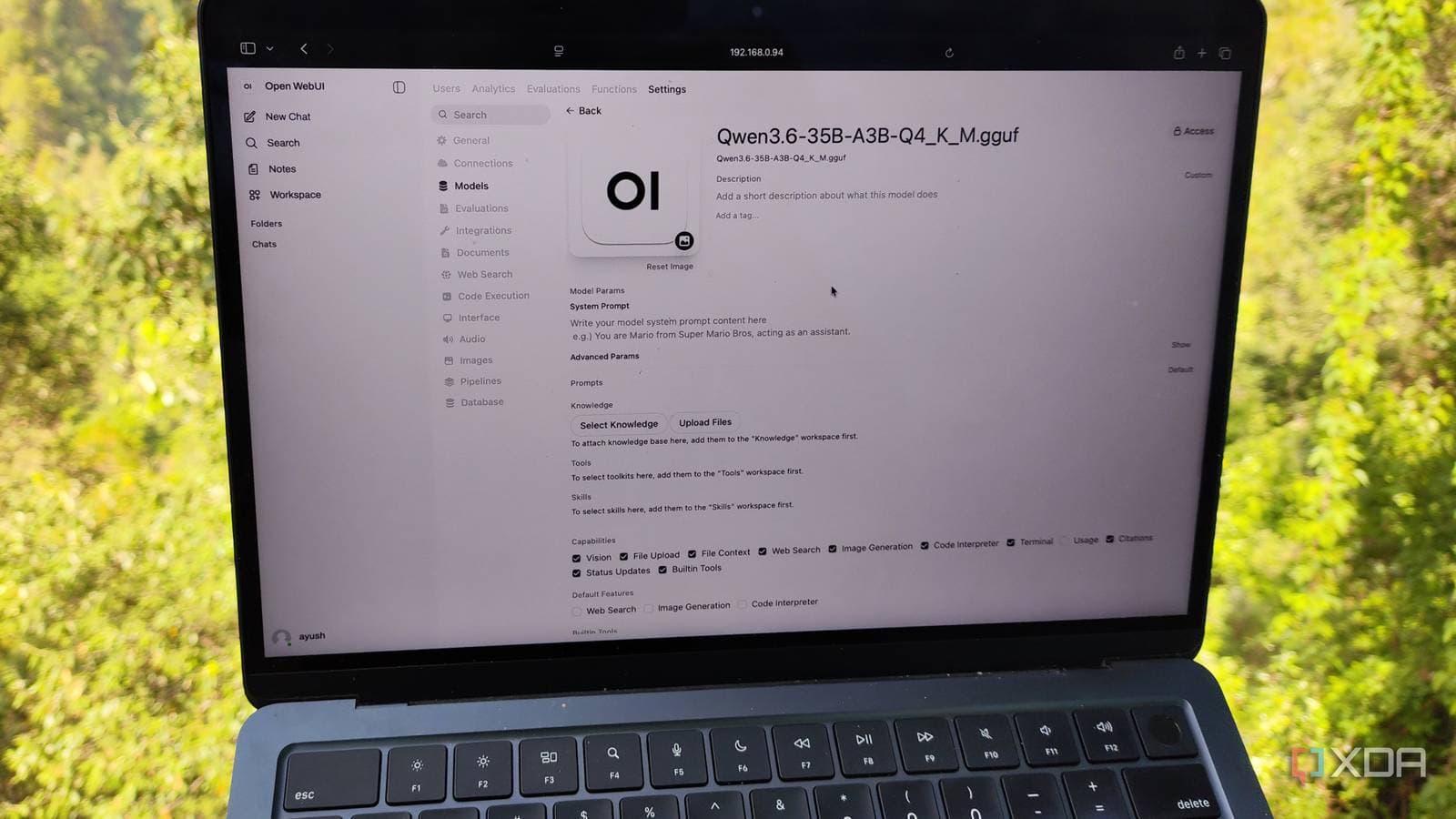
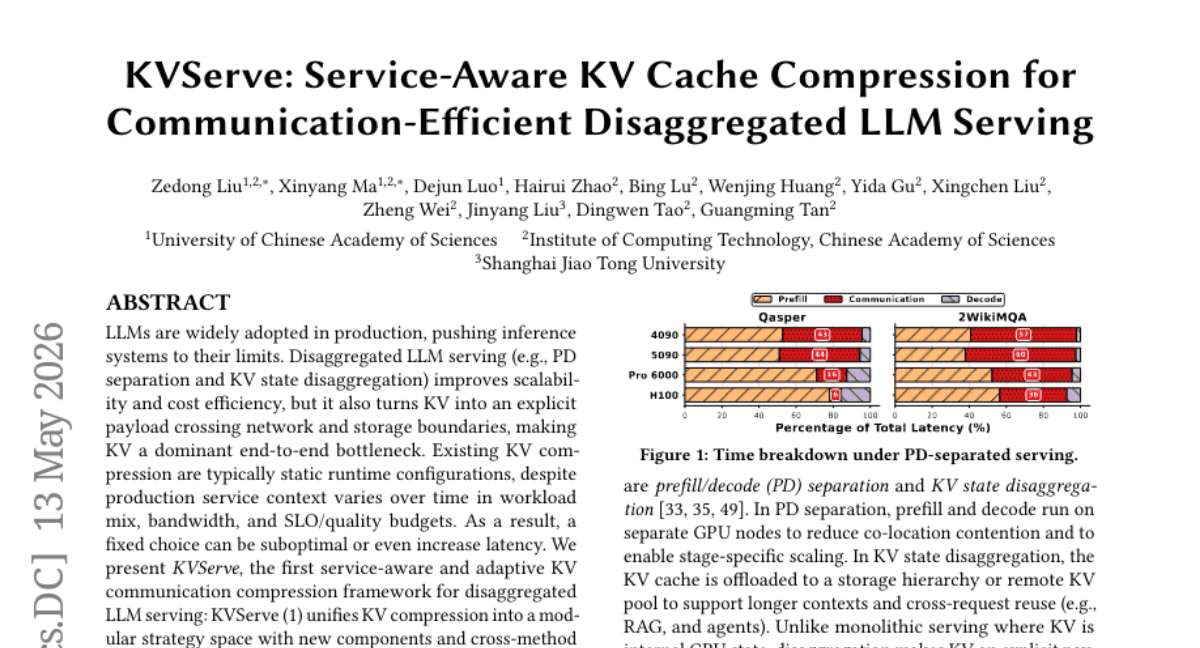
- **NTransformer** leverages **PCIe streaming** and **NVMe I/O** to facilitate **single-GPU inference** of **large models** (e.g., **Llama 3.1 with 70B parameters**) on **24GB VRAM**, lowering hardware barriers.
- **Browser-native inference solutions**, such as **DeepMind’s TranslateGemma 4B** utilizing **WebGPU**, support **privacy-preserving AI**, removing dependence on cloud servers and enabling **local inference directly within browsers**.
### Infrastructure and Ecosystem Enhancements
Supporting these hardware innovations are **scalable deployment platforms**:
- **Red Hat’s Metal-to-Agent Stack** ensures **seamless deployment** across **cloud, edge, and on-premises environments**, emphasizing **security and manageability**.
- **New Relic’s AI agent platform**, integrated with **OpenTelemetry**, offers **real-time performance monitoring**, crucial for **maintaining reliability and safety** at scale.
The emergence of **hybrid ecosystems**—combining **edge AI** with **cloud resources**—provides **flexibility** for **privacy**, **low latency**, and **scalable processing**.
---
## Democratization of AI Access and Development Tools
Efforts to **lower barriers** to AI deployment have accelerated:
- **Hugging Face** has introduced **affordable storage add-ons** (starting at **$12/month per TB**), making **large datasets and models** more accessible.
- Tools like **Mojo in Jupyter** integrate **high-speed inference** into familiar environments, streamlining **model experimentation** and **deployment**.
- Educational initiatives, including **"Local AI Coding" tutorials** and **AI agent starter classes**, empower **developers and enterprises** to deploy **sophisticated models** on **modest hardware**, broadening **participation and innovation**.
---
## Societal Impact, Safety, and Governance
The rapid proliferation of **powerful models** has amplified **safety and security concerns**:
- A notable incident involved **@minchoi** revealing a **security breach involving Claude**, where hackers exploited vulnerabilities to **steal 150GB of Mexican government data**. This underscores the **risks of large language models** being targeted or misused.
- In response, organizations are deploying **safety frameworks** like **NeST (Neuron Selective Tuning)**, which allows **targeted safety updates** without full retraining.
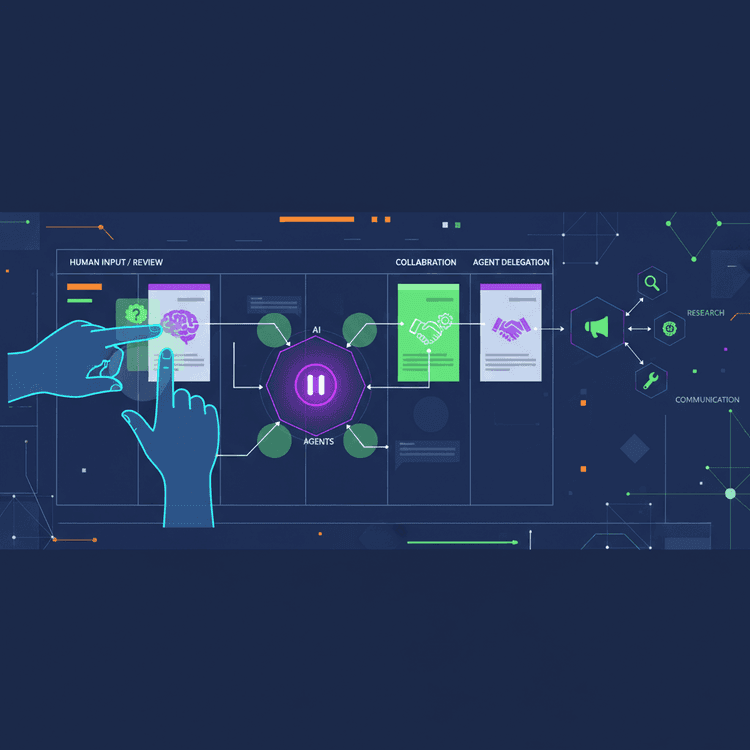
- **Monitoring platforms** such as **CanaryAI** and **Agentforce** now track **autonomous system behaviors**, **detect malicious activities**, and **ensure compliance**.
- The upcoming **EU’s AI Act**, set for full enforcement by August 2026, mandates **transparency, safety, and accountability**, prompting industries to embed **explainability** and **robust safety protocols** into their AI systems.
### Real-World Applications and Industry Impacts
Two recent developments highlight AI’s expanding societal footprint:
- A **YouTube video titled "AI and its Practical Applications in Smart Buildings"** illustrates how AI is transforming **urban infrastructure**, optimizing **energy efficiency**, **security**, and **occupant comfort** through **edge AI deployment** in **smart buildings**.
- Another video, **"Indian IT vs Anthropic’s AI Agents: Crash, Overreaction, or Reset?"**, discusses **industry reactions** to the deployment of **large autonomous agents**, revealing **debates on safety, security, and regulatory frameworks**. These discussions emphasize the importance of **governance**, **safety measures**, and **public trust** as AI becomes integral to critical sectors.
---
## Current Status and Future Outlook
By 2026, the AI ecosystem has matured into a **highly capable, efficient, and accessible** domain. The convergence of **massive model releases**, **compression techniques**, and **hardware innovations** enables **powerful AI to operate directly on devices**, fostering **privacy-preserving**, **low-latency**, and **scalable applications**.
However, this rapid growth also necessitates **rigorous safety protocols**, **regulatory oversight**, and **ethical frameworks** to prevent misuse and ensure societal trust. The integration of **safety tools** like **NeST**, **monitoring platforms**, and **regulatory compliance** will be critical in guiding responsible AI development.
As AI continues to embed itself into **industry**, **urban infrastructure**, and **daily life**, the focus will remain on **balancing innovation with safety**, **democratizing access**, and **building trustworthy autonomous systems**. The next few years will be pivotal in shaping an AI future that is both **powerful** and **responsible**.
---
**In summary**, the period from 2024 to 2026 marks a **quantum leap** in AI capabilities, efficiency, and deployment ecosystems, transforming AI from a niche technology into an **ubiquitous, edge-native, and societal infrastructure**, with ongoing challenges and opportunities for **safe and ethical advancement**.