The Gaelic renaissance that has been shaping Scotland and its global communities throughout the 2020s continues to gain remarkable momentum in 2027, marked by significant educational achievements, sustained legislative backing, vibrant cultural expression, and dynamic diaspora engagement. This year has reinforced Gaelic’s position not only as a protected language under the **Scottish Languages Act of 2025** but as a flourishing, everyday medium of communication, education, and artistic creativity across Scotland and beyond.
---
### Legislative and Funding Momentum: Translating Policy into Sustained Growth
The transformative promise of the 2025 Scottish Languages Act continues to be realized in 2027 through robust investment and grassroots empowerment:
- The **Scottish Government’s multi-million-pound Gaelic funding package** remains a cornerstone, channeling resources into education, media, community projects, and digital innovation, ensuring practical support beyond symbolic recognition.
- **Bòrd na Gàidhlig’s allocation of over £210,000 to 54 Gaelic projects between 2026 and 2028** strengthens diverse local initiatives, empowering communities from urban Glasgow to rural islands to tailor language revival efforts that reflect their unique cultural contexts.
- These sustained financial commitments underpin expanding Gaelic infrastructure, enabling continuity in education, public services, and cultural participation.
---
### Education Expansion and Workforce Development: Record Attainment and Growing Reach
Education continues to be the engine of Gaelic revitalization, and 2027 has delivered new milestones:
- A landmark achievement came from **a Skye Gaelic Medium school**, which recently **achieved top marks for pupil attainment**, impressing Highland Council’s education committee. This success underscores the growing academic excellence within Gaelic Medium Education (GME) and validates ongoing investment in high-quality, immersive language teaching.
- **Glasgow Gaelic Medium Primary School**, buoyed by a £2 million facility upgrade, reports record enrolments, reflecting the burgeoning urban demand for Gaelic education.
- Workforce development remains a priority with recruitment of key teaching roles such as the **Primary Teacher maternity cover at Shawbost School** in the Western Isles, alongside expansion into new areas like East Renfrewshire and Thornliebank, ensuring stable staffing and increased access.
- Early years immersion flourishes through roles like the **Gaelic Play Leader at Sgoil Araich Thunga** and the network of **Gaelic Bookbug Session Leaders**, facilitating language exposure from infancy.
- Public sector Gaelic training is broadening, including **fully funded Gaelic courses for Western Isles police officers via UHI North and West**, enhancing linguistic inclusivity in vital community services.
- Curricular resources continue to expand, with providers like **Twinkl Alba** enriching teaching materials, informed by data from the **Gaelic Medium Standards & Quality Report 2024/25** for pedagogical refinement.
- Innovative music education platforms such as **Seinn Air Loidhne** and the **Sar Chlas ‘Ceangal le Breigichean’ masterclass** promote language learning through cultural engagement.
- The launch of the **“Story time! Levels A1 / A2 / B1 - Scottish Gaelic”** YouTube series during Seachdain na Gàidhlig 2026 exemplifies the expansion of accessible, learner-friendly digital content.
---
### Media, Festivals, and Digital Innovation: Amplifying Gaelic’s Cultural Voice
2027 has seen Gaelic culture resonate more widely through media, festivals, and technology:
- The **fifth and largest World Gaelic Week** staged over 200 events, connecting urban centres and rural communities across Scotland and the diaspora with immersive workshops, storytelling, and traditional music.
- A new **Gaelic song portal** launched alongside the festival offers an open-access repository of traditional and contemporary Gaelic songs, supporting learners and performers worldwide.
- BBC ALBA’s quiz show *Mas Fhìor* remains a popular staple, blending entertainment with language normalization.
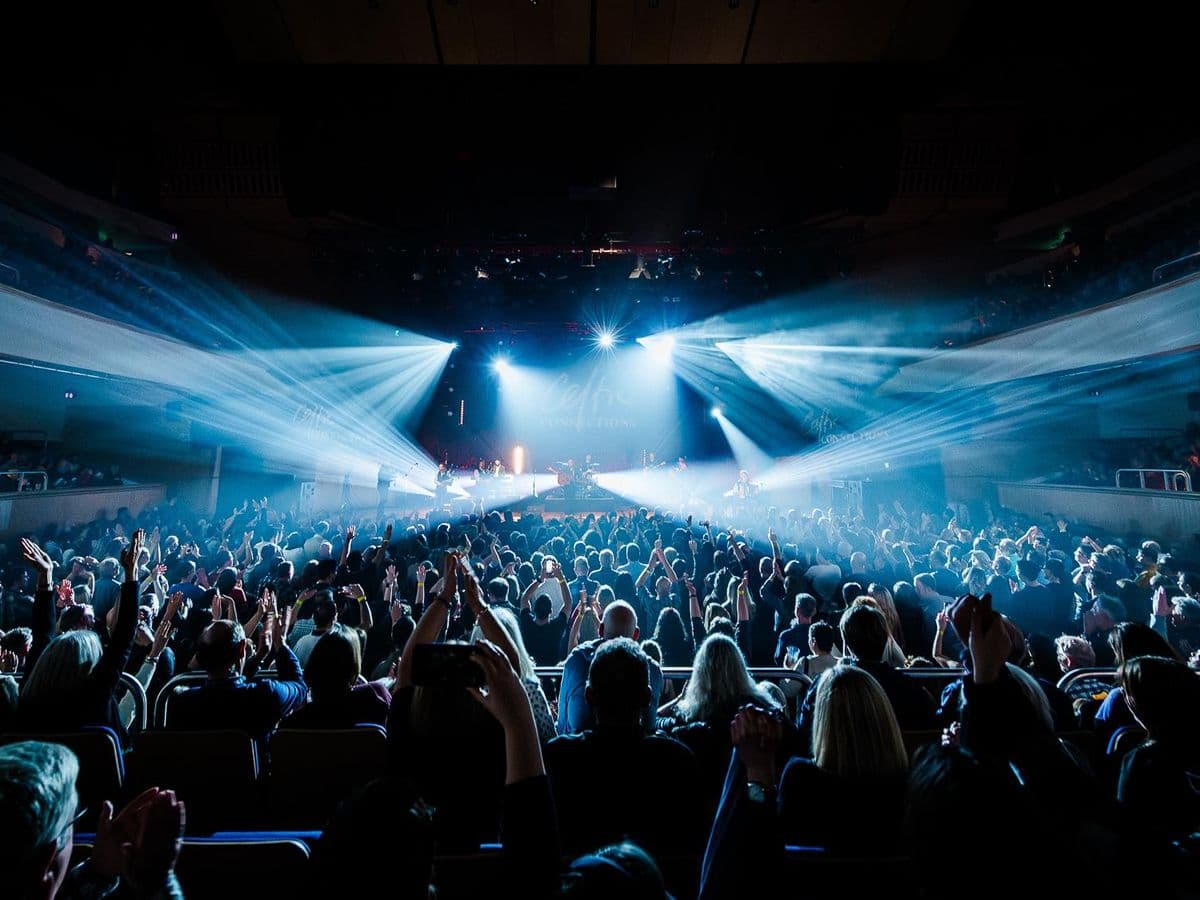
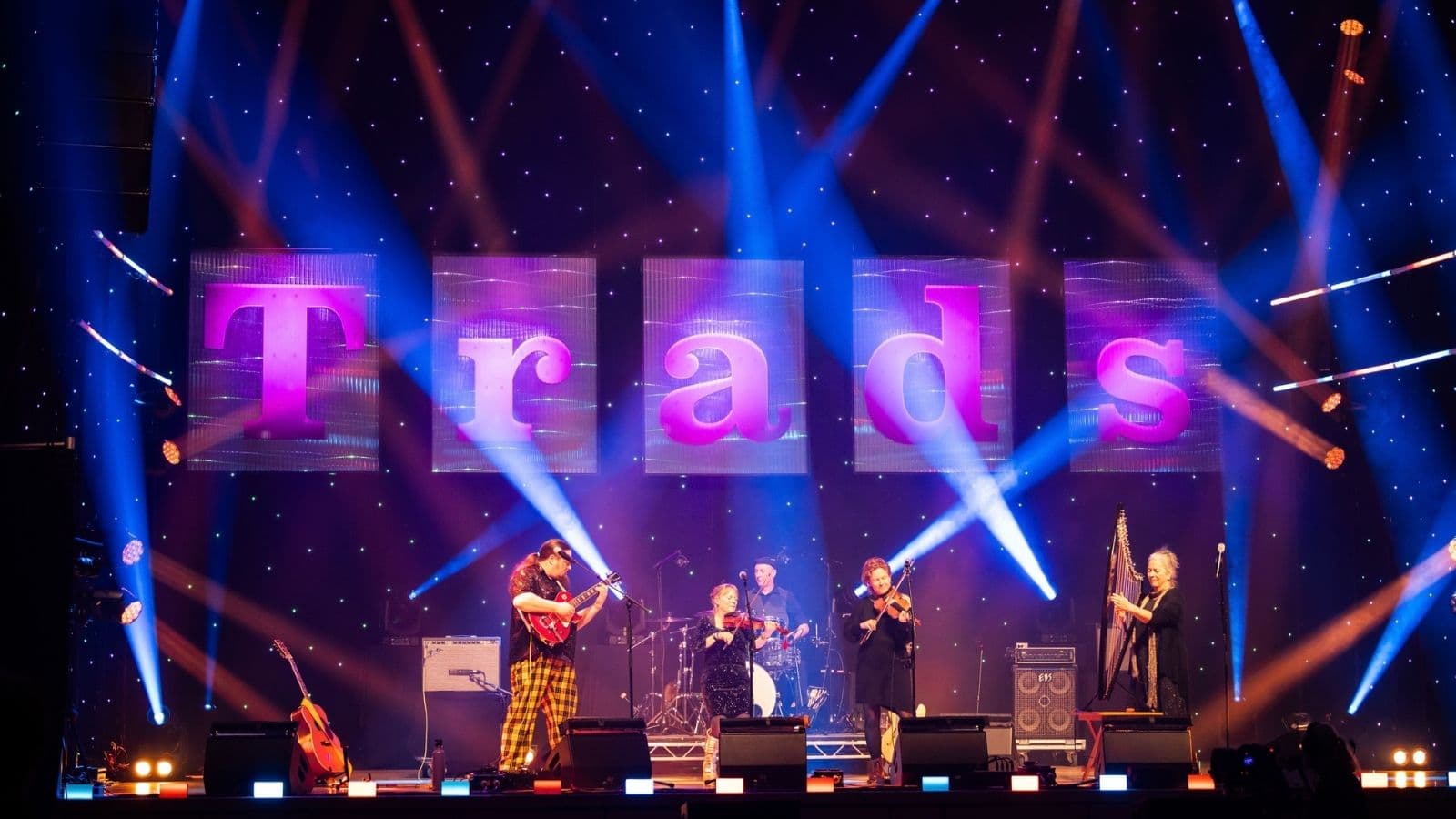
- Prestigious festivals such as **Celtic Connections** and **Edinburgh Harp Fest 2027** highlighted Gaelic artists and cross-Celtic collaborations, spotlighting the clarsach and vocal traditions.
- The internationally acclaimed **Ceòlas Sgoil Shamhraidh** summer school resumed after a hiatus, attracting global participants for immersive Gaelic language and music experiences.
- Discussions continue to secure long-term funding for the **Blas Festival**, a vital platform for Gaelic music and arts sustainability.
- Public education campaigns have intensified to clarify cultural distinctions among “Celtic,” “Gaelic,” “Norse,” and “Norman” heritages, combating misconceptions and fostering cultural literacy.
---
### Community and Diaspora Empowerment: Gaelic’s Global Reach and Local Roots
Gaelic’s vitality transcends Scotland, nurtured by vibrant diaspora communities and innovative cultural projects:
- In **Atlantic Canada**, especially Nova Scotia and Newfoundland, Gaelic endures as a living tradition. Recent ethnolinguistic studies reveal unique dialectal developments shaped by interactions with English and Indigenous languages, highlighting Gaelic’s adaptive resilience.
- An emerging and unexpected growth centre lies in **South Korea**, where Gaelic language programs and cultural exchanges—such as *From South Korea with Love to Gàidhlig!*—have cultivated enthusiastic learner communities and rich intercultural dialogue.
- Academic scholarship continues to deepen with works like *The Carolina Lullaby and Gaelic Oral Tradition Revisited*, illuminating Gaelic’s roots in the American South.
- Diaspora leaders including musician and author **Randy “Gil” Waugh** of Ottawa foster global networks connecting Gaelic communities through music, advocacy, and research.
- Community-led digitisation and archival initiatives, notably in **Inverness**, empower locals to reclaim and celebrate Gaelic heritage, reinforcing identity and pride.
- Spiritual revival efforts, including innovative reinterpretations of **saining rites**, interweave language and tradition into contemporary cultural practice.
- Institutional support from organizations like **Stòrlann Nàiseanta na Gàidhlig** remains crucial, delivering curriculum resources, digital tools, and professional development that sustain educational and community vitality.
- Urban hubs such as Glasgow’s **Gaelic Heritage Group** and academic initiatives like Nicky MacCrimmon’s **“Gaelic in Dundee”** expand Gaelic’s presence in city life and scholarship.
---
### Scholarship, Digitisation, and Archival Advancement: Tradition Meets Technology
Gaelic studies in 2027 exemplify a synergy of heritage and innovation:
- Advances in computational linguistics enhance orthographic consistency and learner-friendly digital tools, including spell-checkers and language apps.
- The **National Library of Scotland’s digitisation project** now offers public access to over 170 early Gaelic volumes online, facilitating engagement with historic texts and supporting intergenerational transmission.
- The **University of Edinburgh’s Deo-gréine project** continues to enrich understanding of Gaelic folklore, oral traditions, and ritual practices.
- The **Clarsach Society**, under artistic director **Sheena Walker**, has expanded its curated collection of sheet music and teaching materials, integrating pan-Celtic harp traditions.
- Ongoing research explores Gaelic’s economic and community roles, informing policy and underscoring the language’s societal value.
---
### Mainstream Endorsement and Cultural Normalisation: Gaelic in the Public Eye
Public recognition and grassroots vitality have further normalized Gaelic’s role in Scotland’s contemporary identity:
- **Kate Forbes**, Cabinet Secretary for Finance and the Economy, publicly expressed joy at hearing her daughter speak Gaelic, calling it “one of my life’s greatest joys.” This heartfelt endorsement, widely covered in the media, highlights Gaelic’s growing social prominence and integration into family life.
- Festival highlights, community activism, and public education campaigns collectively foster an environment where Gaelic is increasingly embraced as a vibrant, living language integral to Scottish identity.
---
### Conclusion: A Flourishing Gaelic Future Rooted in Community, Innovation, and Global Connectivity
The Gaelic renaissance of 2027 stands as a testament to the power of sustained legislative support, robust education, vibrant cultural programming, and energized diaspora engagement. The year’s achievements—from the **top attainment results in Skye’s Gaelic Medium school** to the expansion of digital learning platforms like **Seinn Air Loidhne** and **Story time!**—reflect a language and culture that honor their rich past while innovating boldly for the future.
With strong government funding, expanding Gaelic Medium Education, thriving festivals, cutting-edge digital resources, active diaspora networks, and mainstream public endorsement, Gaelic is embedded firmly in Scotland’s social and cultural fabric and continues to reach global audiences.
For learners, speakers, and enthusiasts worldwide, 2027 offers renewed invitation and inspiration to join in sustaining and celebrating Gaelic—a living heritage that bridges tradition and innovation, local roots and global voices.