# Escalation Deepens: Failed Diplomacy, Rising Tensions, and Global Consequences
The Middle East stands on the precipice of a potentially catastrophic conflict, as recent weeks have seen an unprecedented escalation of military, diplomatic, and geopolitical tensions. Despite mounting international concern, efforts at diplomacy have shattered, leaving a volatile landscape fueled by covert operations, rapid military developments, and entrenched regional rivalries. The implications extend far beyond the borders of Iran, Israel, and their neighbors, threatening global stability through energy markets, humanitarian crises, and the specter of wider war.
## Intensified Military Confrontations and Strategic Capabilities
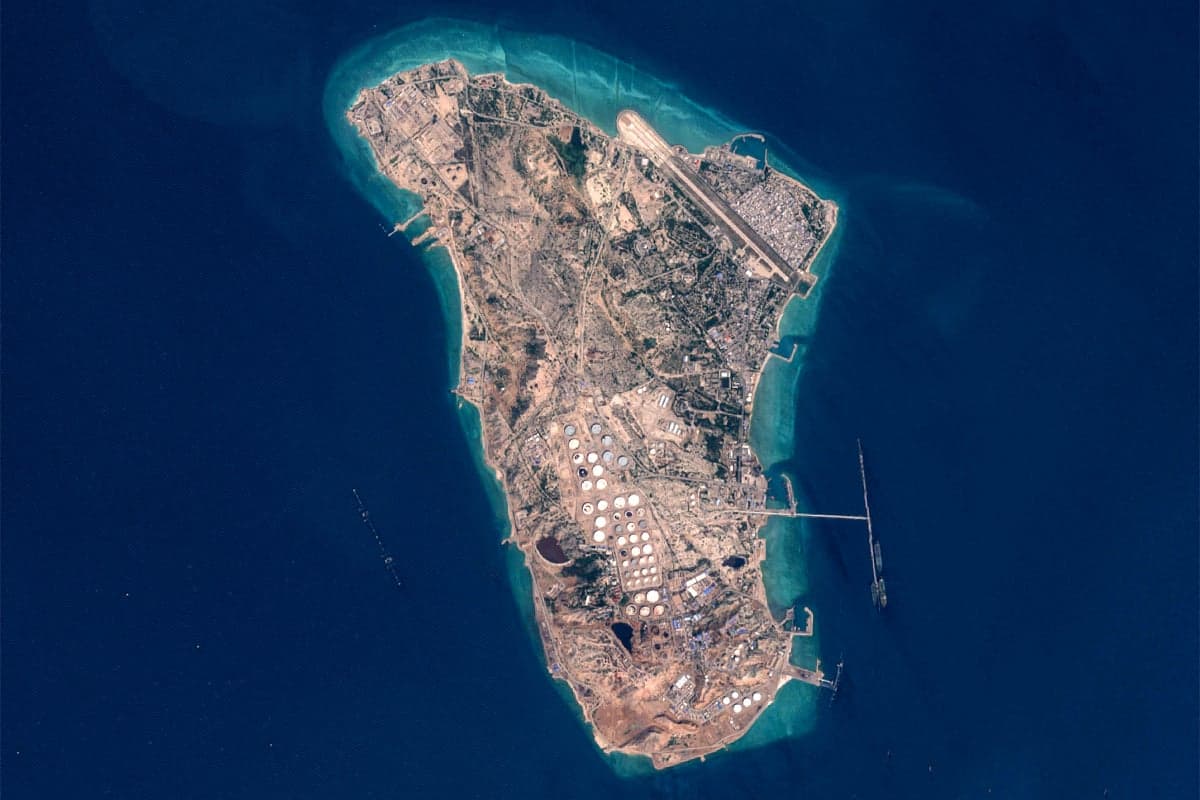
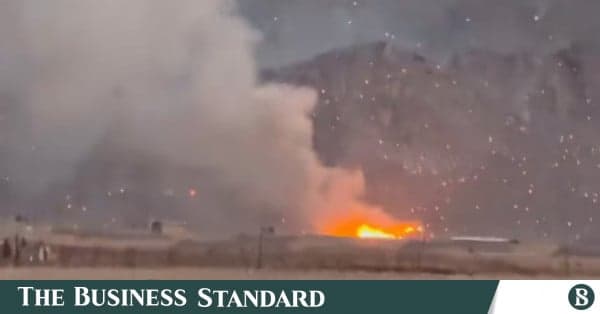
The cycle of violence has entered a dangerous new phase. The United States has significantly ramped up covert operations against Iran, employing cyberattacks and precision missile strikes aimed at crippling Iran’s nuclear infrastructure and military command centers. Intelligence assessments reveal a shift from diplomatic engagement to sustained military pressure, with recent strikes on strategic sites such as Iran’s oil hub at Kharg Island suggesting a concerted effort to weaken Iran’s regional influence and nuclear ambitions.
In parallel, Israel, under Prime Minister Benjamin Netanyahu, has intensified its military campaigns, launching targeted strikes across Syria and Iraq against suspected Iranian-backed groups. These actions underscore Israel’s determination to prevent Iran from achieving nuclear breakout, branding their operations as “decisive actions” necessary for regional security. However, such strikes have provoked widespread international criticism, with many warning they risk destabilizing the region further and provoking Iranian retaliations.
A stark example of Iran’s evolving military readiness is the deployment of the **Fattah-2 missile**, which reportedly struck Tel Aviv in just **4 minutes**—a notable acceleration compared to Israel’s **6-minute** warning system. This rapid strike capability highlights Iran’s technological advancements and increasing operational readiness, raising concerns over a faster, more unpredictable escalation cycle that could spiral out of control.
Iran’s leadership remains resolute. **“Negotiations are dead; we will continue our path regardless of external threats,”** Iranian officials declare, emphasizing their commitment to advancing nuclear development and regional influence. Iran’s extensive proxy networks—operating through groups in Lebanon, Iraq, and Syria—continue to bolster its capacity for retaliation, suggesting a protracted conflict with complex, layered frontlines.
### Key Military Developments:
- **U.S. covert operations and cyberattacks** targeting Iranian nuclear sites, including recent strikes on strategic infrastructure like Kharg Island.
- **Israeli strikes** in Syria and Iraq, targeting suspected Iranian-backed groups, with some reports indicating operational autonomy within Iran’s IRGC command structure.
- **Iran’s retaliatory stance**, leveraging proxy groups and underground infrastructure, demonstrated by rapid missile strikes and resilient supply routes.
## Political Dynamics and Internal Power Struggles
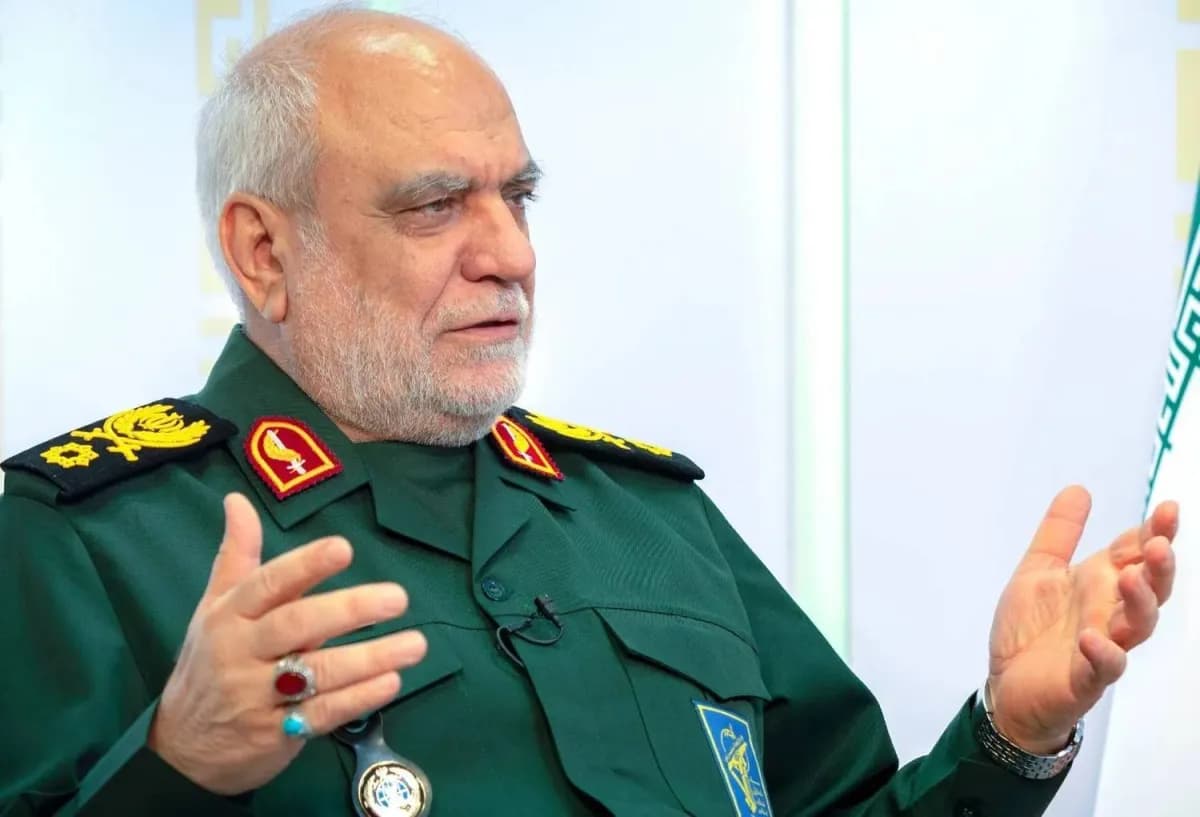
The internal political landscape in Iran and Israel profoundly influences their strategic calculus. In Iran, **Mojtaba Khamenei**, the increasingly prominent figure believed to be a de facto Supreme Leader, appears to be consolidating internal authority amid external threats and domestic unrest. Recent video footage shows Khamenei stepping into a more visible leadership role, signaling a shift toward internal stability and strategic resilience.
Meanwhile, in Israel, domestic politics—particularly Netanyahu’s hawkish government—drive aggressive military postures. Experts note that **Israeli political dynamics** are fueling increasingly assertive targeting policies, heightening the risk of broader conflict if not carefully managed. The U.S., under hawkish voices like Senator Lindsey Graham, continues to advocate for maximalist policies, including the threat to **“obliterate”** Iran’s nuclear program if necessary, further inflaming tensions.
## Diplomatic Collapse and Rising Geopolitical Divides
Diplomatic efforts to de-escalate the crisis have collapsed entirely. A recent **UN Security Council session** descended into acrimony, with Iranian diplomat Majid Takht-Ravanchi vehemently denying Western allegations related to missile proliferation and regional destabilization. He accused Israel of provoking tensions through provocative strikes, while Western representatives condemned Iran’s regional activities. The session marked a profound deterioration of diplomatic norms, with little hope for renewed negotiations in the immediate future.
Adding complexity, **Russia and China** have openly challenged Western-led sanctions and military actions, asserting that **Iran’s sovereignty must be respected**. Viral videos such as **“Russia and China Challenge US, UK, France on Iran”** depict a rapidly widening divide in international consensus, complicating efforts to forge a unified approach to Iran and the region. Their opposition emboldens Iran and its allies, making diplomatic resolution increasingly unlikely.
The recent diplomatic deadlock, combined with regional actors’ responses—such as Turkey’s firm rejection of regime change in Iran and its warnings against escalation—underscores the risk of a wider conflict. Arab Gulf states, particularly those bordering the Strait of Hormuz, are gripped by panic, fearing that control over key maritime routes could be lost amid rising tensions.
## Iran’s Resilience, Strategic Infrastructure, and Regional Influence
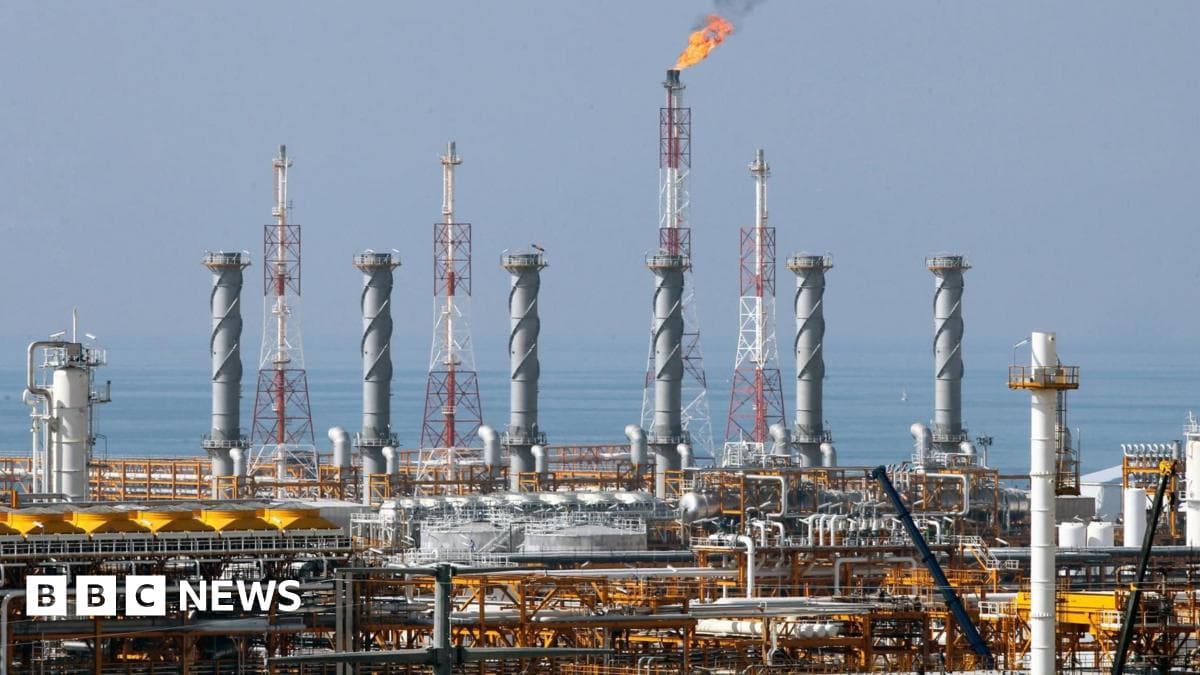
Despite relentless strikes and international sanctions, Iran’s nuclear program remains largely operational. Reports from DW News highlight Iran’s underground tunnels and resilient infrastructure that have allowed its nuclear activities to persist despite setbacks. Iran continues covert uranium enrichment, demonstrating resilience and strategic adaptability.
Internal sources suggest that **Mojtaba Khamenei’s rise** signals internal stability and a unified leadership willing to endure external pressures. Iran’s energy exports and regional alliances, especially with groups in Lebanon and Iraq, continue to reinforce its regional influence, complicating international efforts to contain its ambitions.
### Notable Developments:
- Iran’s nuclear activities, including covert uranium enrichment, persist despite sanctions and targeted strikes.
- The emergence of Mojtaba Khamenei as a consolidator of influence signals internal strategic shifts.
- Domestic authorities emphasize stability and resilience amid external threats, preparing for prolonged conflict.
## Proxy Warfare and the Threat of Broader Regional Conflict
The rhetoric from all sides has become increasingly incendiary. U.S. hawks, such as Senator Lindsey Graham, have openly vowed to **“obliterate”** Iran’s nuclear program, heightening fears of miscalculation. Military analysts warn that **the current escalation could spill into ground warfare**, with provocations or accidental clashes potentially triggering a full-scale invasion.
Iran’s proxy networks—operating through groups like Hezbollah, Kata’ib Hezbollah, and others—remain highly active, threatening regional stability. The risk of wider conflict escalates if provocations spiral into open warfare, especially as regional actors like Turkey publicly oppose regime change policies, warning that **a wider war could spread across the Middle East**.
**Turkey’s recent stance** is particularly notable. Publicly rejecting any regime change in Iran, Ankara warns that military interventions could trigger a domino effect, spreading conflict across the Gulf and beyond. This stance adds a new layer of complexity to international efforts to manage escalation.
## Global Ripple Effects: Markets, Humanitarian Crises, and International Stability
The international community is already feeling the shockwaves. Oil prices have surged sharply amid fears of supply disruptions, especially along critical maritime routes such as the Strait of Hormuz. Futures markets display heightened volatility, with analysts warning that **“there are no off-ramps in sight,”** suggesting a prolonged, unpredictable conflict that could destabilize global energy markets for years.
Humanitarian crises are intensifying. Civilian casualties are rising, refugee flows are increasing, and regional stability is collapsing. Sanctions and disrupted trade routes threaten to deepen these crises, risking millions of lives, especially in vulnerable populations already affected by ongoing regional conflicts.
Furthermore, **the control of the Strait of Hormuz**, a strategic chokepoint vital for global oil shipments, has become a focal point of concern. Iran’s recent strategic positioning and threats to close the Strait if attacked have heightened alarm in Arab states and Western capitals alike, with **Arab Gulf nations panicking over potential disruptions** and the possibility of losing control over vital shipping lanes.
## Latest Developments: Analysis and Regional Warnings
Recent analyses highlight the critical importance of the Strait of Hormuz. Maleeha Lodhi’s insightful commentary emphasizes that **Iran’s control over Hormuz** could trigger widespread panic among Gulf Arab states, prompting preemptive military or diplomatic countermeasures. This scenario risks escalating into full-blown regional conflict, with economic and security repercussions.
In addition, **Turkey’s public stance** against regime-change operations in Iran and its warnings of war spreading beyond the Middle East have added a new dimension. Ankara’s position signals a desire to prevent broader destabilization, even as it balances its regional interests and strategic alliances.
### Summary of Key Points:
- **US and Israel** are intensifying covert and overt military actions, with Iran demonstrating rapid strike capabilities.
- Diplomatic efforts have collapsed, with regional and global powers taking divergent positions.
- **Iran’s internal leadership**, notably Mojtaba Khamenei, bolsters resilience amid external pressures.
- **Proxy networks** and underground infrastructure remain a persistent threat.
- **Turkey’s rejection** of regime change and warnings about wider conflict complicate international responses.
- **Market volatility** and humanitarian crises are escalating, with the Strait of Hormuz as a critical flashpoint.
## Current Status and Future Outlook
The crisis remains at a dangerous crossroads. Diplomatic channels are nearly entirely blocked, and military tensions continue to escalate. Iran’s strategic resilience—bolstered by proxy networks, underground infrastructure, and a unified internal leadership—means setbacks have not yet translated into decisive strategic defeat.
**The risk of escalation into a full-scale regional or global conflict remains high**, especially if miscalculations, accidental clashes, or provocations occur. The international community faces a stark choice: renew diplomatic engagement and seek de-escalation, or accept the possibility of prolonged, destructive war with profound consequences for global energy markets, civilian populations, and international stability.
As recent developments underscore, **the situation is fragile but not yet irreversible**. The coming weeks will be pivotal—diplomatic efforts or continued escalation will determine whether the Middle East plunges further into chaos or finds a fragile path back toward stability. The choices made now may shape regional and global geopolitics for years to come.