As Puget Sound communities continue to grapple with interwoven crises of homelessness, informal economy enforcement, rising violent crime, and mounting public health pressures in mid-2026, recent developments cast a sharper light on the region’s systemic challenges and the urgent need for integrated, equity-driven solutions. From intensified encampment removals and immigrant vendor crackdowns to troubling spikes in youth-involved violence and strained healthcare infrastructures, the multifaceted landscape reveals deep social fissures compounded by political tensions, infrastructure funding shortfalls, and contentious preparations ahead of the 2026 FIFA World Cup.
---
### Encampment Removals and Shelter Overflow Amplify Housing Instability and Community Resistance
Seattle’s large-scale April 2026 sweep of the Ballard homeless encampment displaced hundreds, setting off cascading impacts on regional shelter systems and housing initiatives. The overflow strain is acutely felt at West Seattle’s Hiawatha Community Center, where staff report severe burnout amid demand exceeding capacity, despite ongoing efforts to expand affordable housing options such as Tacoma’s Proctor complex and Seattle’s DESC 95-unit supportive housing project.
Efforts to establish interim housing—including West Seattle’s RV Safe Lot and Tiny House Village proposals—face persistent neighborhood opposition, delaying urgently needed relief for displaced individuals and fueling tensions between public safety, housing advocates, and residents concerned about community impacts.
Adding complexity, investigative reporting by Seattle journalist Jonathan Choe has raised critical concerns that city officials led by Katie Wilson may be masking homelessness challenges in the lead-up to the World Cup. Choe alleges that data and visibility of encampments have been intentionally suppressed, raising questions about transparency and the ethical implications of “hiding” vulnerable populations to present a sanitized image for global events. This scrutiny intensifies debates around the balance between high-profile event preparations and long-term housing justice.
---
### Crackdowns on Informal Immigrant Economies Deepen Economic Precarity and Food Insecurity
In Everett, enforcement against informal immigrant microentrepreneurs has escalated sharply following a new ordinance criminalizing unpermitted food trucks and pop-up vendors—penalties now include jail time alongside fines. Confiscations of equipment have driven many vendors underground, undermining economic survival and access to culturally significant food options. Maria Lopez, director of an immigrant advocacy nonprofit, condemned these measures:
> “Criminalizing survival strategies without affordable alternatives traps families in poverty and deepens food insecurity.”
This punitive approach stands in stark contrast to Tacoma’s Microenterprise Launch & Grow Program, which offers grants, technical assistance, and streamlined licensing specifically tailored to immigrant entrepreneurs, exemplifying a model of economic inclusion rather than criminalization.
Public health officials acknowledge legitimate food safety concerns posed by unregulated vendors but warn that enforcement without supportive alternatives risks exacerbating food insecurity and economic instability in vulnerable communities—a critical tension that demands policy reconciliation.
---
### Rising Violent Crime Escalates Public Safety Concerns and Spurs Calls for Holistic Responses
Puget Sound’s violent crime surge deepened through mid-2026 with a series of alarming incidents across King and Pierce counties:
- **June Mass Stabbing near Tacoma:** Four people were killed before law enforcement fatally shot the suspect, underscoring persistent challenges in preventing mass violence.
- **Tacoma South End Shooting:** Over 50 rounds fired into a residential home critically injured a woman, heightening fears for neighborhood safety.
- **Youth-Involved Shootings in Seattle:** Two teenage boys with felony histories were arrested after a Mount Baker shooting, with police seeking additional suspects—highlighting the role of youth violence in regional crime trends.
- **Drive-by Shootings and Smash-and-Grab Burglaries:** Tacoma’s multiple drive-by shootings and Seattle’s Ballard neighborhood smash-and-grabs have unsettled residents and local businesses alike.
- **Alki Beach Break-ins:** Recent break-ins prompted investigations into property crimes in popular commercial districts.
- **Capitol Hill Fatal Shooting & Tacoma Police Pursuit:** A deadly shooting on Capitol Hill and a high-speed Tacoma police chase culminating in fentanyl seizures illustrate the complex nexus of firearm violence and the opioid epidemic.
In response, King and Pierce counties have strengthened inter-agency communication and rapid crisis response protocols. The Seattle Community Police Commission advanced 15 reform recommendations addressing transparency, crowd management, and use-of-force policies, aiming to rebuild public trust ahead of the FIFA World Cup.
Yet community advocates caution that policing reforms, while necessary, are insufficient alone. One advocate reflected,
> “We can’t arrest our way out of this crisis.”
Grassroots groups, such as a Rainier Beach nonprofit focused on youth safety, have intensified efforts to address social determinants of violence through community engagement and prevention programs, signaling a shift toward holistic public safety approaches.
---
### Public Health Systems Strained by Behavioral Crises, Infectious Diseases, and Immigration Enforcement Fears
Healthcare infrastructure across Puget Sound confronts compounding pressures from behavioral health emergencies, infectious disease outbreaks, and immigration enforcement anxieties:
- **Expanded Pediatric and Behavioral Health Capacity:** Tacoma’s $480 million MultiCare Mary Bridge Children’s Hospital opened in May, significantly boosting pediatric and behavioral health services. Partnerships with Ohio specialists target pediatric cardiac care, while planned expansions include oncology infusion centers and Everett’s Latino Educational Training Institute Telehealth Hub aimed at underserved populations.
- **Workplace Safety Challenges:** Despite these expansions, assaults on healthcare workers are rising. A violent June attack on Harborview emergency personnel and repeated aggression highlight urgent needs for integrated behavioral health supports and enhanced worker protections.
- **Immigration Enforcement Impact:** Over 30 Everett-area businesses and nonprofits petitioned against federal ICE operations at healthcare facilities, fearful that raids deter immigrant patients and disrupt care. Everett Mayor Cassie Franklin responded with directives limiting city cooperation with immigration authorities. Tacoma hosted a town hall addressing ICE presence at St. Joseph Hospital, while Tukwila and SeaTac enacted sanctuary policies banning new detention centers. Seattle is actively considering similar measures to protect immigrant healthcare access.
- **Public Health Emergencies:** An active tuberculosis case linked to Rainier Beach High School prompted testing of 130 individuals, adding to ongoing infectious disease concerns. A May evacuation of the Everett courthouse due to suspected fentanyl contamination exposed 20 people, underscoring opioid-related hazards to workers and the public.
These overlapping crises underscore the urgent need for culturally competent care, harm reduction strategies, and protections for vulnerable populations in both healthcare and community settings.
---
### Policy and Infrastructure Developments Highlight Funding Challenges and Technological Innovations
Puget Sound’s resilience is shaped by recent policy initiatives alongside infrastructure and funding challenges:
- **Washington State Budget Proposals:** Majority Democrats unveiled supplemental budget proposals amid a tight legislative schedule, with notable potential cuts to childcare subsidies for low-income families. These cuts threaten to increase strain on already vulnerable households navigating employment, housing, and health challenges.
- **Medical Debt Reform:** Bipartisan legislation seeks to cap medical debt interest rates and prevent housing loss from unpaid bills, aiming to reduce financial stress tied to health crises.
- **Purple Alert System Launch:** The statewide rollout enhances rapid response for missing vulnerable adults, including seniors and those with cognitive impairments, strengthening public safety nets.
- **Technology in Emergency Response:** Everett’s “Drone as First Responder” pilot has shown promise in fire containment and suspect apprehension, while Lynnwood canceled its Flock license plate camera contract amid privacy and immigration enforcement concerns. Seattle clarified ICE does not have access to police license plate reader data, efforts that aim to rebuild trust within immigrant communities.
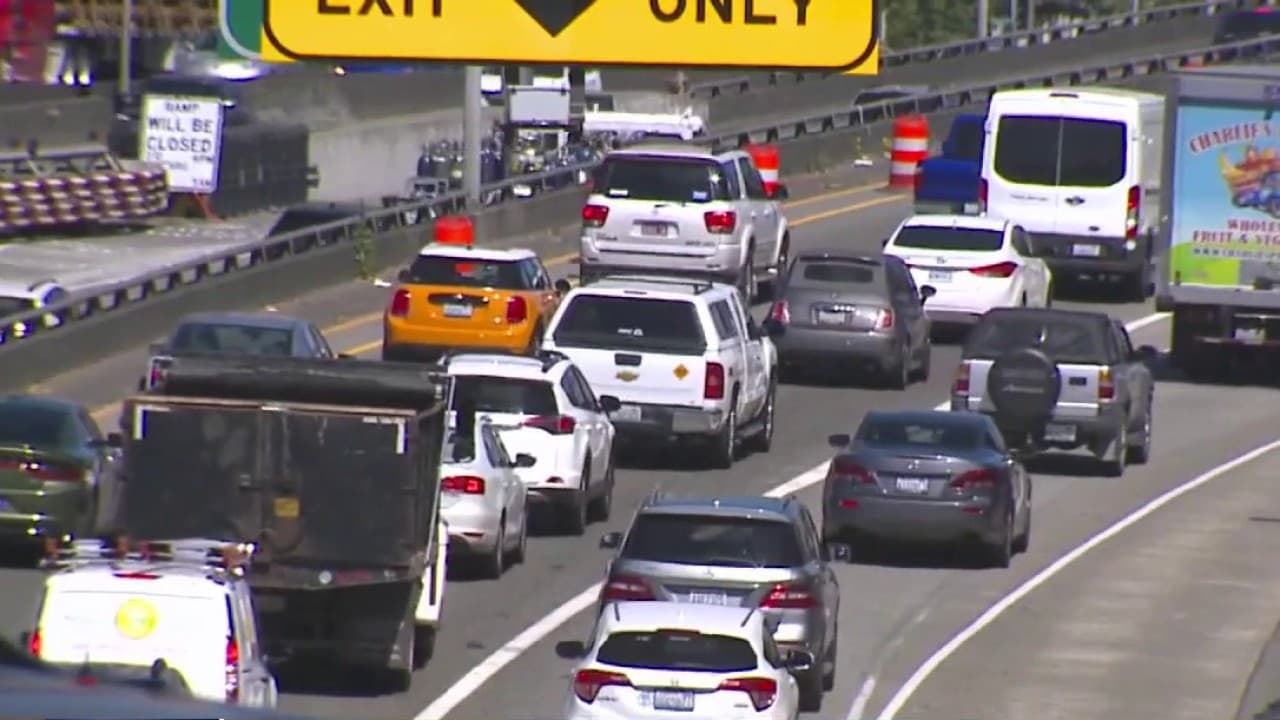
- **Infrastructure Funding Shortfall:** King County faces a $200 million roads budget deficit, threatening maintenance of critical infrastructure that supports emergency services, housing access, and economic activity. This shortfall poses a significant challenge to regional resilience amid rising social and public health demands.
---
### Toward Integrated, Equity-Driven Strategies for Long-Term Stability and Safety
Experts and community advocates emphasize that addressing Puget Sound’s intertwined crises requires comprehensive, justice-centered approaches:
- **Accelerate Housing-First and Supportive Housing Development:** Breaking cycles of displacement caused by encampment removals demands rapid expansion of affordable, stable housing options.
- **Promote Economic Inclusion:** Programs like Tacoma’s Microenterprise Launch & Grow offer replicable models for supporting immigrant entrepreneurs, mitigating economic precarity and food insecurity worsened by punitive enforcement.
- **Expand Behavioral Health Services and Worker Protections:** Scaling culturally competent mental health and substance use supports alongside robust protections for frontline healthcare and shelter workers is critical to reducing violence and improving health outcomes.
- **Integrate Harm Reduction and Policing Reforms:** Combining harm reduction strategies with transparent, community-driven policing reforms can rebuild trust, enhance emergency preparedness, and improve public safety—especially vital ahead of the FIFA World Cup.
- **Sustain Community Engagement:** Ongoing, meaningful dialogue among residents, service providers, neighborhood groups, and policymakers is essential to mediate tensions around interim housing, enforcement policies, and safety initiatives.
---
### Current Outlook
Puget Sound stands at a pivotal crossroads as it confronts the compounding effects of encampment removals, informal economy crackdowns, escalating violent crime—including youth-related shootings—and persistent public health crises tied to behavioral health, infectious disease, and immigration enforcement fears. While expanded healthcare infrastructure, policy reforms, and innovative community programs offer hopeful pathways, persistent political polarization, neighborhood resistance, funding shortfalls, and pressures related to the 2026 FIFA World Cup complicate efforts.
The region’s capacity to implement integrated, compassionate, and equity-centered responses will be decisive not only for managing immediate safety and health outcomes but also for fostering long-term resilience, social cohesion, and economic inclusion as Puget Sound prepares to welcome global audiences and confront ongoing social challenges.
---
**Sources and Further Reading**
- “Everett mayor outlines City response to immigration enforcement,” Everett Times
- “King County grapples with funding crisis amid $200M roads budget shortfall,” King County Reports
- “MultiCare to open new $480M Mary Bridge Children’s Hospital in Tacoma this May,” Tacoma News
- “Seattle Community Police Commission issues use of force and crowd control recommendations,” CPC Report
- “City of Tacoma and Revby Introduce the Microenterprise Launch & Grow Program,” Tacoma City Council
- “Lynnwood votes to cut ties with Flock cameras,” FOX 13 Seattle
- “Tacoma town hall raises concerns over ICE presence in hospitals,” MSN
- “Everett courtroom evacuated, 20 people potentially exposed to fentanyl during trial,” Everett Times
- “Purple Alert system launched to protect vulnerable adults,” Washington State Department of Health
- “VIDEO: Seattle police investigating break-ins at Alki Beach businesses,” KIRO 7 News
- “Two teens with a history of felonies arrested after Seattle shooting, SPD searching for more suspects,” Seattle Police Department
- “Nonprofit steps up to rebuild student safety in Rainier Beach,” Rainier Beach Community News
- “Active tuberculosis case linked to Rainier Beach High School; 130 to be tested,” Public Health–Seattle & King County
- “5 takeaways from WA budget proposals,” Olympia News
- “Why WA child care program could bear brunt of budget cuts,” Seattle Times
- “Seattle reporter Jonathan Choe accuses Katie Wilson of masking homelessness failures to prepare for World Cup,” Investigative Report
---
This evolving crisis landscape demands that Puget Sound’s leaders, communities, and advocates sustain collaborative, equity-focused efforts to protect vulnerable populations and build a more resilient, just future.