June 26, 2026
First Wireless BCI Implant Targets Speech Restoration
Michigan surgeons implanted Paradromics' Connexus wireless BCI in a motor neuron disease patient, marking the first human use of this 421-electrode...
Created by Yuanhao
Family‑focused BCI communication and clinical research news for locked‑in patients and broader medical uses
Explore the latest content tracked by Family BCI Insights
Michigan surgeons implanted Paradromics' Connexus wireless BCI in a motor neuron disease patient, marking the first human use of this 421-electrode...
Northwestern engineers have printed flexible artificial neurons that send realistic signals to living brain cells, opening a materials pathway toward more compatible neural interfaces.
A Michigan woman with motor neuron disease received Paradromics' Connexus implant, marking the first human test of this fully wireless BCI designed...
A man with near-total paralysis can now 'speak' on his own terms using an experimental brain implant. This offers direct hope for locked-in patients regaining personal communication.
Multiple recent studies highlight accelerating progress in speech-restoring BCIs for ALS.
UCSF researchers created a personalized adaptive brain implant that identifies signals for left and right leg movement, advancing motor BCIs toward mobility support for paralyzed patients.
NeuroXess's new unit for mass BCI production pairs with AI that accelerates decoding speed, accuracy, and patient-to-patient transferability. This directly supports faster clinical rollout for speech restoration in locked-in patients.
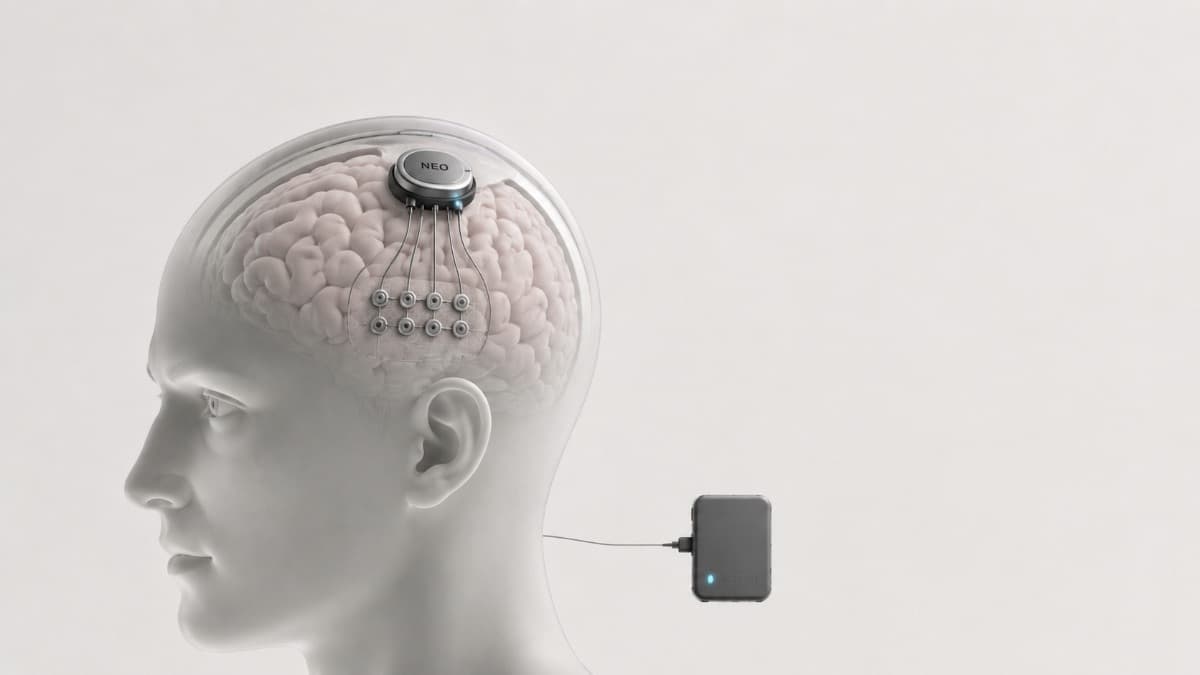
China's NEO implant from Neuracle Technology and Tsinghua University secured the first commercial approval for an invasive motor BCI, beating...
China granted commercial approval in March to NEO, the world's first cleared invasive BCI for quadriplegia from spinal cord injury, letting patients...
Up to a quarter of behaviorally unresponsive brain-injury patients show sleep spindles on EEG that signal preserved thalamocortical circuits and...
A patient-developed AI app called Talk to Me Goose lets ALS patients clone their voice with as little as 45 seconds of audio, restoring natural speech...
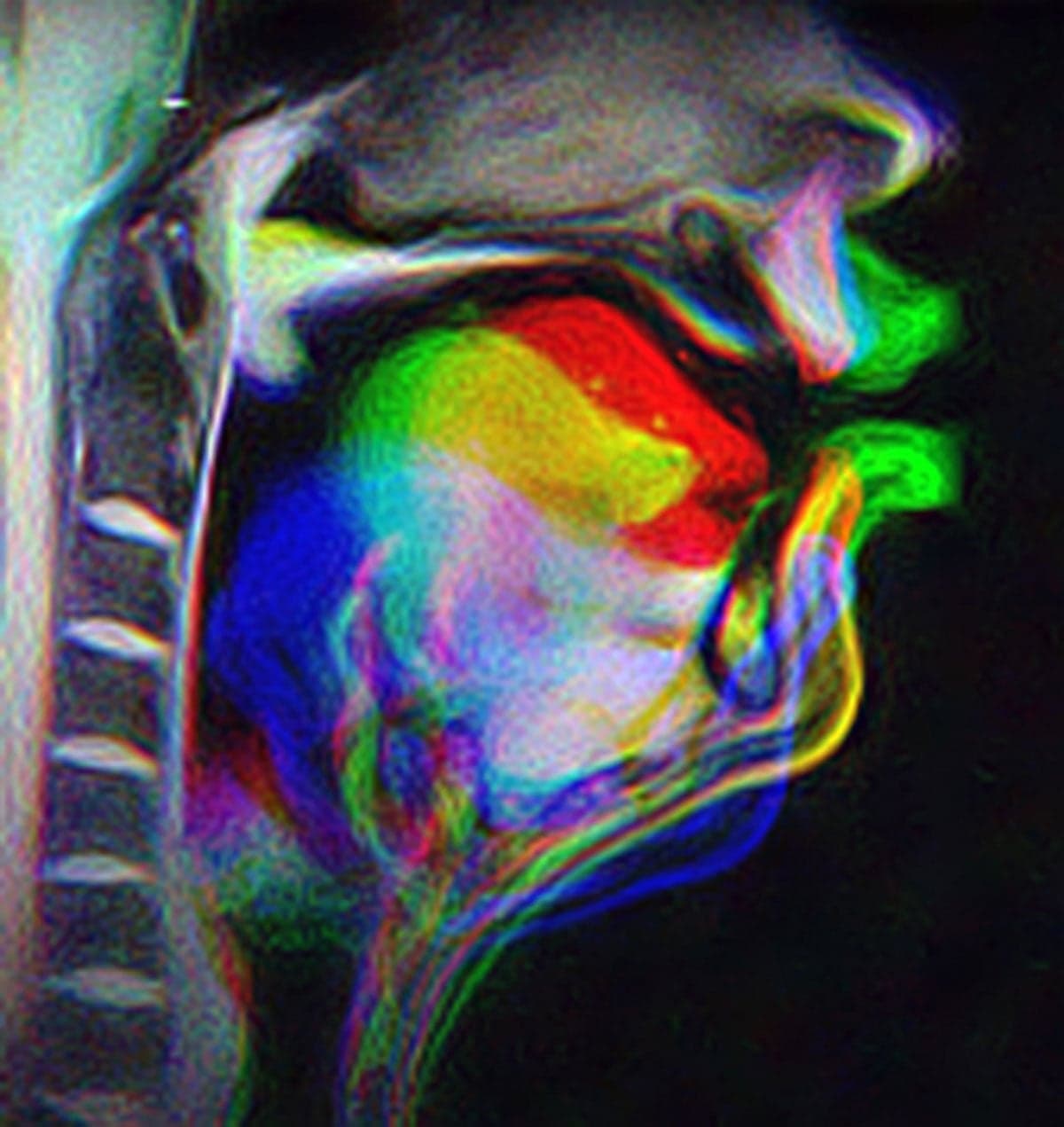
A new study shows speech learning depends primarily on auditory and somatosensory cortex activity rather than motor areas. This suggests future BCIs...
Neuralink co-founder DJ Seo outlined tech to restore lost function for severe neurological conditions through brain interfaces.
Ability Neurotech received approval to begin its first chronic implantation study of a fully implantable, wireless optical-link BCI in ALS...
Speech memories form and persist through auditory and somatosensory cortices rather than motor areas. For BCIs restoring speech in locked-in patients,...