# US-Iran Standoff Rattles Commodities and Broader Financial Markets: Escalation Sparks Market Volatility
The escalating geopolitical tensions between the United States and Iran continue to dominate headlines, with recent developments signaling a potential shift in the global economic landscape. Fresh US sanctions targeting Iran’s missile, drone, and oil infrastructure, coupled with Iran’s defiant stance and stalled nuclear negotiations, have intensified uncertainty across markets. This evolving crisis has profound implications for commodities, investor sentiment, and financial stability worldwide.
## Escalating Tensions: A New Wave of US Sanctions and Iran’s Resilience
Over the past few weeks, the Biden administration announced **a new round of sanctions aimed at Iran’s missile, drone, and oil networks**. These measures are designed to pressure Tehran into returning to nuclear negotiations, which have remained deadlocked despite diplomatic efforts. The sanctions target key sectors integral to Iran’s military and economic resilience, including its expansive oil exports.
In response, Iran has issued unequivocal warnings, emphasizing its right to develop missile and drone technology. Iranian officials assert that external sanctions only serve to deepen their resolve, heightening fears of a broader regional escalation. Analysts warn that **any miscalculation could trigger supply disruptions**, especially in the Middle East—a critical hub accounting for a significant share of global oil and gas production.
## Commodity Markets React: Oil, Gasoline, and Gold Surge
The immediate market response has been robust, driven by fears of supply disruptions and geopolitical instability:
- **Oil Prices:** Benchmark Brent crude has surged above **$85 per barrel**, a level not seen in recent months. WTI futures have approached similar highs, supported by concerns over regional conflicts affecting supply routes and production stability.
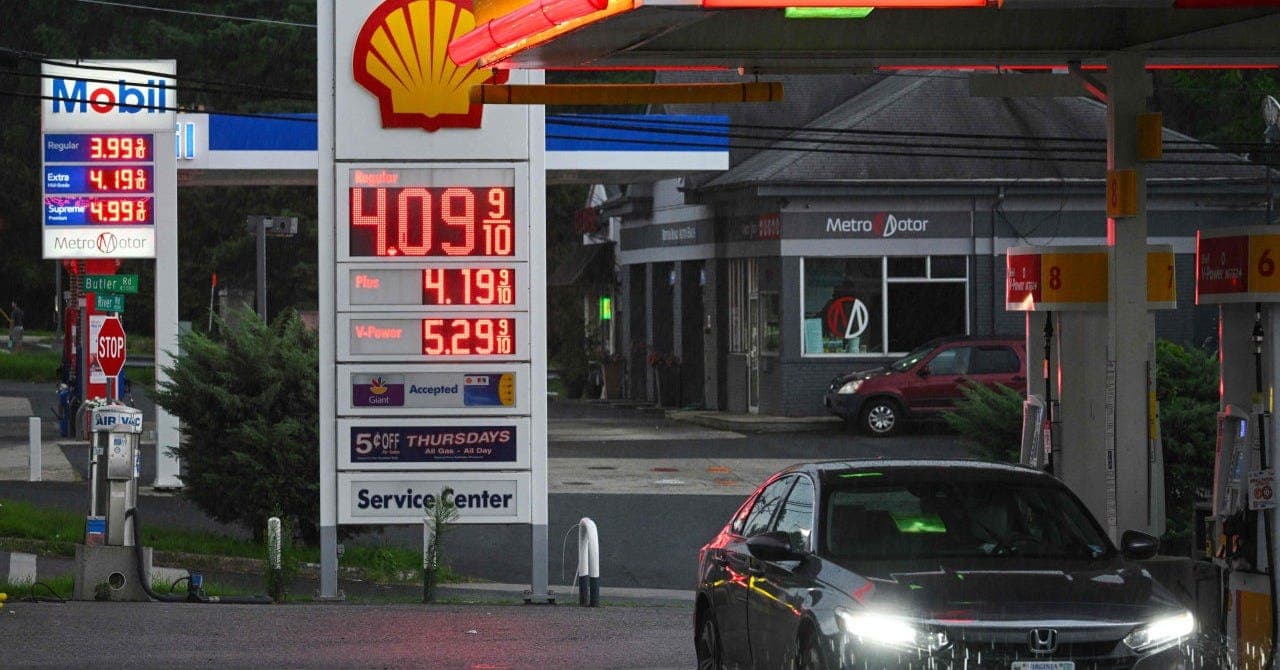
- **Gasoline Prices:** Reflecting the rally in crude, gasoline prices have edged higher, contributing to inflationary pressures domestically and internationally. These increases threaten to elevate living costs and complicate monetary policy decisions.
- **Gold:** As a traditional safe haven during periods of geopolitical turbulence, **gold inflows have surged**, reaching multi-month highs. Investors seek refuge from volatility, viewing gold as a hedge against both economic and geopolitical risks.
The energy market's volatility has also sparked warnings of an emerging **“energy shock,”** with analysts like those at UBS highlighting the rapid rise in energy prices and potential disruptions to global supply chains. A recent UBS analyst note titled **"U.S. Stocks Cut by UBS—Energy Shock Rising Fast"** underscores the severity of the situation, emphasizing that energy markets are now a key risk factor for global equities.
## Financial Market Volatility: Rising Risks and Technical Challenges
The uncertainty has spilled over into financial markets, producing heightened volatility and sector rotation:
- The **CBOE Volatility Index (VIX)** has spiked sharply, signaling increased fears of market swings.
- Equity markets exhibit **sector dispersion**, with defensive sectors outperforming cyclical ones amid the risk-off environment.
- Technical analyses suggest **key gamma and VIX levels are being challenged**, raising the likelihood of significant moves ahead. If the VIX breaches certain high gamma zones, markets could experience sharper declines or heightened turbulence.
These dynamics are complicating the Federal Reserve's policy outlook. Rising commodity prices, coupled with elevated volatility, are making it difficult for policymakers to gauge inflation trajectories and determine appropriate monetary responses.
## Broader Market Implications and Expert Perspectives
Financial analysts and brokerages are sounding alarms about the broader implications of the US-Iran standoff. For instance:
- **UBS** has issued warnings about an **"energy shock rising fast,"** emphasizing the potential for sustained higher energy prices to underpin inflation and market instability.
- Market analysts warn that prolonged geopolitical uncertainty could **hardwire inflation expectations**, forcing central banks into tighter monetary stances and risking economic slowdown.
Additionally, options markets are showing signs of increased activity near critical gamma levels, indicating traders are positioning for heightened volatility. Such conditions could trigger more abrupt market swings, especially if geopolitical headlines escalate.
## Current Status and Forward Outlook
As the US and Iran remain locked in a tense standoff, markets continue to react dynamically:
- **Commodity prices remain elevated**, with energy markets vulnerable to further shocks.
- **Safe-haven assets like gold** continue to attract inflows as risk aversion persists.
- **Financial markets** are on edge, with volatility measures at multi-month highs and technical thresholds potentially in sight.
Investors and policymakers must navigate this landscape with caution, closely monitoring geopolitical developments, energy market signals, and volatility metrics. The unfolding situation underscores the interconnectedness of geopolitical stability, commodity prices, and financial market health.
**In sum, the US-Iran standoff has evolved into a pivotal event shaping global markets. Its resolution remains uncertain, but its immediate impact is clear: heightened risk, increased volatility, and a cautious outlook for investors worldwide.**