# Budget Constraints, Labor Unrest, and Leadership Turmoil Continue to Reshape the 2026 K‑12 Education Landscape
The year 2026 stands as a pivotal moment for U.S. K‑12 education, characterized by an ongoing confluence of fiscal austerity, widespread labor unrest, and significant leadership changes across districts and municipalities. These intertwined challenges threaten to fundamentally alter the way districts operate, prioritize resources, and engage with their communities. Recent developments underscore the resilience of educators and local officials amid a landscape of economic strain, political turbulence, and external crises, while also highlighting the mounting pressures that could influence the future of education nationwide.
## Persistent Fiscal Pressures Drive Program Cuts, Staffing Surpluses, and Municipal Cost-Shifting
Financial adversity remains at the forefront of district management strategies, compelling school leaders to make difficult decisions:
- **Clark County School District (CCSD) in Nevada** reports a **surplus of nearly 1,200 employees** due to declining enrollment. To address budget shortfalls, the district has initiated **layoffs, staff reassignments, and reductions in extracurricular and specialized programs**. These cuts raise concerns about future opportunities for student diversity and educational enrichment.
- **Pomona Unified School District** in California recently convened a lengthy board meeting to deliberate on ongoing fiscal challenges. While no definitive resolutions have been reached, the discussions reflect efforts to **reallocate resources and improve operational efficiencies** in a constrained financial environment.
- External crises, such as **Coffee County in Tennessee**, which experienced school closures due to a severe flu outbreak, have further strained district resources. These emergencies complicate staffing logistics and delay infrastructure projects, demonstrating how external shocks exacerbate fiscal stress.
Municipal governments are increasingly influencing district budgets:
- **Randolph’s** recent budget includes six ordinances emphasizing **fiscal discipline and development**, with direct implications for education funding.
- The **Twentynine Palms City Council** scheduled a **budget deliberation on February 24**, potentially affecting local education infrastructure and resource support.
Municipal infrastructure investments are increasingly aligned with educational priorities:
- **Palo Alto** is collaborating with the City Council and Caltrain on **railroad safety improvements at crossings**, vital for ensuring safe transportation for students and staff—highlighting how municipal projects support educational access and safety.
Furthermore, utility and rate decisions are adding to financial pressures:
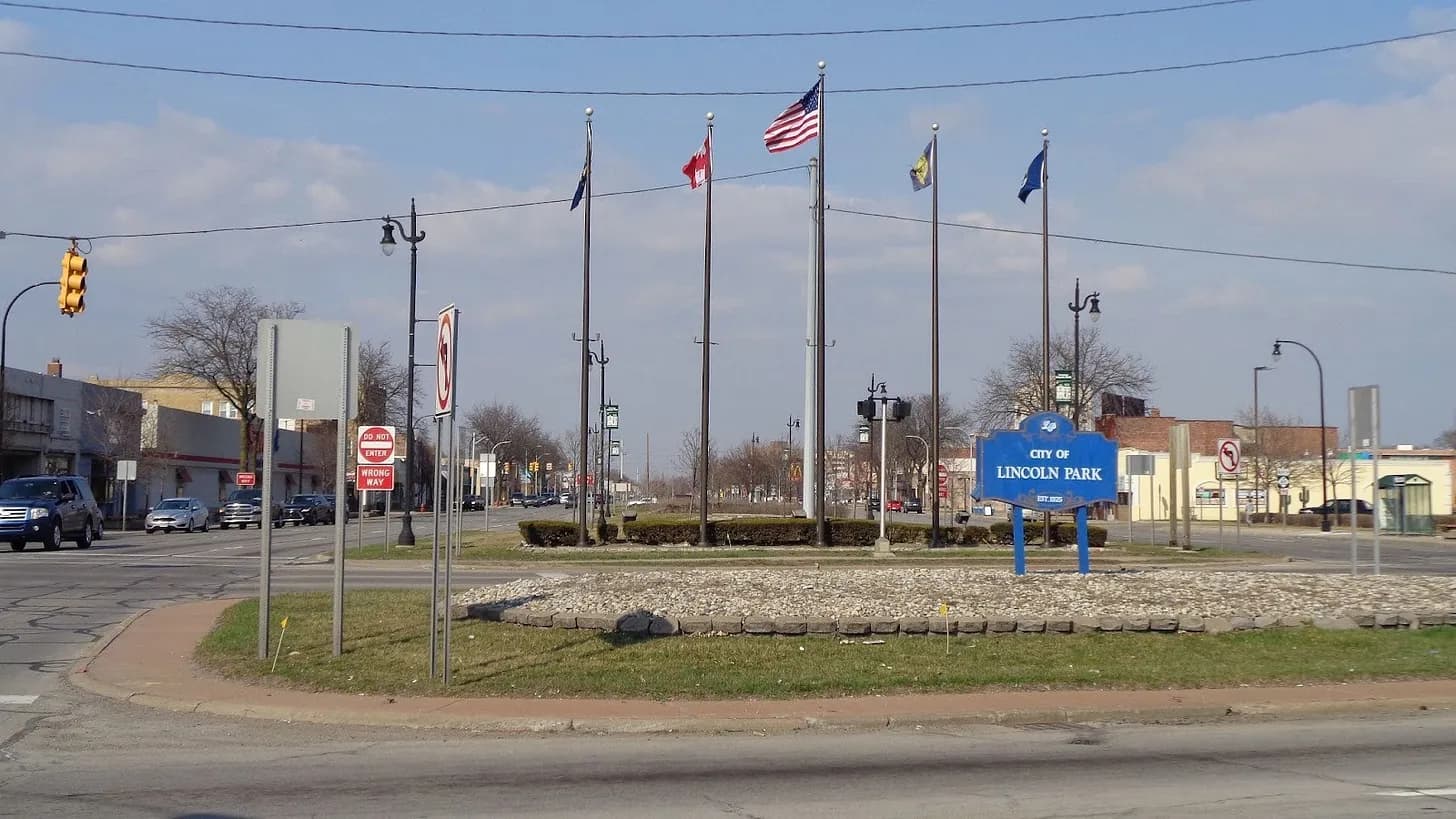
- **Lincoln Park residents** are questioning **steep water and sewer rate increases**, following a **17% rate hike and meter failures**. If municipalities pass these increased costs onto schools, district operational expenses could rise, compounding existing financial challenges.
## Labor Unrest and Staffing Shortages: Disrupting Instruction and Fueling Burnout
The ongoing labor disputes and staffing shortages remain critical obstacles, severely impacting classroom instruction and teacher wellbeing:
- **San Francisco** teachers have engaged in **months-long strikes**, demanding **better pay, smaller class sizes, and improved working conditions**. These strikes have caused significant schedule disruptions, affecting students, families, and community morale, while fueling activism and student walkouts.
- **Statewide**, teacher attrition continues to rise, driven by **increasing workloads and inadequate compensation**. This staffing crisis threatens classroom stability, reduces extracurricular offerings, and strains remaining staff, leading to a vicious cycle of burnout and turnover.
Recruitment and retention difficulties persist, hampering districts’ operational capacity:
- Larger class sizes, fewer extracurricular activities, and limited resources are becoming commonplace, further diminishing educational quality and equity. The staffing shortages also hinder districts’ ability to respond to future crises, leaving students vulnerable.
## Leadership Turnover and Governance Instability Fuel Uncertainty
Leadership changes are creating uncertainty and influencing district priorities:
- Several districts are experiencing **retirements, board vacancies**, and **prolonged superintendent searches**. For example, a **Midwestern district** recently appointed a new superintendent after a lengthy search process, signaling a move toward stability but underscoring ongoing leadership challenges.
- **Williamsburg, Virginia**, exemplifies the turbulence, as **City Manager Andrew Trivette resigned after a decade of service**. His departure has prompted the appointment of a **deputy city manager on an interim basis**, raising questions about the district’s and city’s future direction. Given Williamsburg’s close ties between municipal leadership and education support, this leadership upheaval could influence resource allocation and policy focus.
- In **Harvey, Illinois**, the **City Council** prepares to **appoint a new mayor and city clerk**, decisions that could impact local education initiatives and funding streams.
- Civic activism is evident in **Miami**, where residents have submitted a **petition with over 20,000 signatures** advocating for **government restructuring**. This movement aims to alter local governance, potentially affecting education policy and funding mechanisms.
- **Cambridge** is actively seeking **community members for upcoming commission vacancies** scheduled for February-March 2026, aiming to bolster community input into governance and ensure decisions reflect local priorities.
Recent city council meetings further illustrate governance dynamics:
- The **2026-02-24 City Council Meeting** (available via YouTube) and the **City of Somerville**’s **public meeting** demonstrate ongoing civic engagement in local policy discussions affecting education and municipal support.
## Municipal Decisions and Infrastructure Projects: Impacting School Safety and Access
Local governments are advancing initiatives that directly influence educational environments:
- **Twentynine Palms** is set to discuss **funding allocations** on February 24, which could bolster district resources.
- **Palo Alto** continues advancing **railroad safety projects** with Caltrain, focusing on **improving crossings** to enhance student transportation safety and reduce accidents.
- **White Plains, NY**, announced **program enhancements on February 24**, including expanded youth bureau activities, after-school initiatives, and community services that support student development.
- **King George County** prepares to **discuss improvement plans and adopt the FY2027 budget**, aligning educational priorities with available resources.
Infrastructure investments also focus on **mental health and safety**:
- **Troy, NY**, secured a **$4.3 million state fund infusion** led by Mayor Carmella R. Mantello, aimed at **addressing staffing shortages, upgrading facilities, and expanding mental health services**—areas critically impacted by ongoing crises.
- Following recent severe winter storms, **Lamont officials** emphasized **weather preparedness measures** to ensure schools remain operational and safe during ongoing weather disruptions.
## External Emergencies and Severe Weather: Adding to Operational Challenges
Severe weather continues to test districts’ resilience:
- The **Blizzard of 2026** brought record snowfall across NY, NJ, and CT, with **additional storms forecasted**. School closures, infrastructure damage, and emergency response efforts have overwhelmed districts, disrupting schedules and delaying maintenance projects.
- Municipal offices, such as in **Lumberton Township**, temporarily closed due to weather, further delaying administrative functions and planning, which compounds fiscal and operational challenges.
External crises like **flu outbreaks** and environmental hazards have also increased repair costs and delayed infrastructure upgrades, stretching district budgets even thinner.
## Civic Engagement and Transparency Debates Influence Education Policy
Community activism remains a powerful force:
- In **Miami**, the **petition for restructuring** exemplifies civic engagement aimed at reforming governance and funding models.
- Some city councils, such as **Spokane**, are **limiting public comment periods** at meetings, citing efficiency but raising concerns about transparency and stakeholder participation.
- Conversely, **Beavercreek’s City Council** hosts **Community Conversations** to foster dialogue on issues including education and infrastructure, emphasizing local engagement amid ongoing challenges.
These debates reflect a community eager to influence policies related to **funding, safety, and growth**, with active participation shaping future directions.
## Rising Utility and Rate Increases: Further Budgetary Pressures
Finally, districts are contending with **rising utility costs**:
- The **Lincoln Park water and sewer rate hikes**—a **17% increase coupled with meter failures**—have prompted residents to question the financial impact, which could translate into higher operational costs for schools if municipalities pass these expenses onto districts.
- Broader utility rate hikes and municipal fee increases threaten to deepen existing budget strains, especially as districts grapple with staffing shortages, infrastructure needs, and external emergencies.
## Current Status and Future Outlook
Despite these mounting pressures, districts and local governments are demonstrating resilience through **strategic planning, civic participation, and targeted investments**. Recent city council meetings and community initiatives underscore efforts to stabilize and improve educational environments.
However, persistent risks—including potential future budget cuts, political shifts, external crises, environmental disasters, and utility rate increases—highlight the urgent need for **diversified funding sources, transparent governance, and inclusive policymaking**. Leadership changes, such as Williamsburg’s recent interim appointment, and civic activism, exemplified by Miami’s signatures, reflect both challenges and opportunities for reform.
Looking forward, the capacity of educators, policymakers, and communities to adapt and collaborate will be crucial in determining whether the 2026 landscape can evolve into a more equitable, resilient, and responsive system. While obstacles remain formidable, the emerging initiatives and community engagement efforts suggest that meaningful reform and renewal are still within reach—if stakeholders can navigate the complex interplay of economic, political, and environmental forces shaping education today.