# Symptoms, Risks, and Surgical Management of Bowel Obstruction: The Latest Advances and Insights
Bowel obstruction continues to pose a significant clinical challenge in gastrointestinal medicine, demanding swift recognition and precise intervention to prevent devastating outcomes such as bowel ischemia, perforation, systemic infection, and even death. Over recent years, advancements in diagnostic techniques, surgical approaches, and our understanding of underlying pathophysiological mechanisms have revolutionized how clinicians approach this complex condition. Notably, recent research underscores the central role of postoperative adhesions—both as primary culprits in initial obstruction and as the predominant cause of recurrent episodes—and highlights innovative strategies aimed at prevention and minimally invasive management.
## Recognizing the Signs: From Subtle Symptoms to Critical Emergencies
Early detection of bowel obstruction hinges on vigilant assessment of clinical signs and symptoms:
- **Early and Common Symptoms:**
- Intermittent abdominal pain and cramping, often intensifying over time.
- Abdominal distension, tenderness, and palpable masses.
- Nausea and vomiting—bilious in proximal obstructions; feculent in distal cases.
- Constipation or complete inability to pass gas or stool.
- Signs of dehydration, including dry mucous membranes, tachycardia, hypotension, and dizziness.
- **Indicators of Strangulation and Critical Conditions:**
- Severe, persistent pain associated with fever, tachycardia, and leukocytosis.
- Physical signs of peritonitis: rigid abdomen, rebound tenderness.
- Imaging evidence such as free air, bowel wall thickening, or lack of perfusion indicating ischemia or perforation.
**Timely recognition of these red flags** is essential to prevent irreversible bowel damage, systemic sepsis, and increased mortality. Recent studies emphasize that delays in diagnosis, especially in atypical presentations or in high-risk populations, can significantly worsen prognosis.
## Underlying Causes and Advances in Diagnostic Techniques
### Etiology:
Mechanical factors are responsible for the vast majority of bowel obstructions, with **adhesions** being the leading cause—especially in patients with prior abdominal surgeries. Other common causes include:
- **Hernias:** Incarcerated or strangulated.
- **Neoplasms:** Tumors infiltrating or compressing the bowel.
- **Inflammatory Conditions:** Crohn's disease, diverticulitis, or strictures.
- **Fecal Impaction:** Particularly prevalent among elderly, immobile, or neurologically impaired patients.
### Diagnostic Innovations:
While physical examination remains fundamental, recent technological progress enhances diagnostic accuracy:
- **Abdominal X-rays:** Useful for initial assessment, revealing dilated bowel loops and characteristic air-fluid levels.
- **Computed Tomography (CT):** The **gold standard**—provides detailed localization, identifies the cause, and detects signs of ischemia or perforation. The **LASSO trial** has demonstrated that early use of CT scans improves detection of strangulation, guides surgical decision-making, and reduces unnecessary surgeries.
- **Magnetic Resonance Imaging (MRI) and Ultrasound:** Employed in selected cases, such as pregnant women or pediatric patients, but less effective in directly visualizing adhesions.
## Management Strategies: From Conservative to Surgical Interventions
### Conservative Management:
In cases of partial obstruction without signs of strangulation, initial treatment involves:
- Nasogastric decompression.
- Intravenous fluids and correction of electrolyte imbalances.
- Close clinical and imaging monitoring for deterioration.
### Indications for Surgical Intervention:
Surgery is indicated when:
- Obstruction persists despite conservative measures.
- Signs of strangulation, ischemia, necrosis, or perforation develop.
- Imaging reveals bowel perforation or diffuse peritonitis.
- No improvement occurs within a defined observation period.
### Surgical Options:
- **Resection:** Removal of necrotic or severely compromised bowel segments.
- **Anastomosis:** Restoring bowel continuity via stapled or hand-sewn techniques.
- **Bypass Procedures:** Creating alternative pathways when resection is contraindicated or incomplete.
**Prompt surgical intervention**, especially in the presence of compromised bowel viability, markedly improves survival rates. Furthermore, minimally invasive approaches, particularly laparoscopic adhesiolysis, have gained prominence due to their reduced morbidity and faster recovery.
## The Central Role of Adhesions: The Hidden Challenge
### Adhesions: The Invisible Culprits
Postoperative intra-abdominal adhesions are fibrous bands that develop silently, yet they are **the leading cause of recurrent bowel obstructions**. Their impact includes:
- Chronic abdominal pain and discomfort.
- Increased risk of subsequent obstructions.
- Elevated risk during reoperations due to dense, adherent tissues.
### Challenges:
- Difficult to visualize on imaging.
- Often diagnosed intraoperatively.
- Responsible for up to **80% of recurrent obstructions**.
### Advances in Adhesion Prevention:
To combat this challenge, surgeons have adopted several preventive strategies during the initial operation:
- **Use of Adhesion Barriers:**
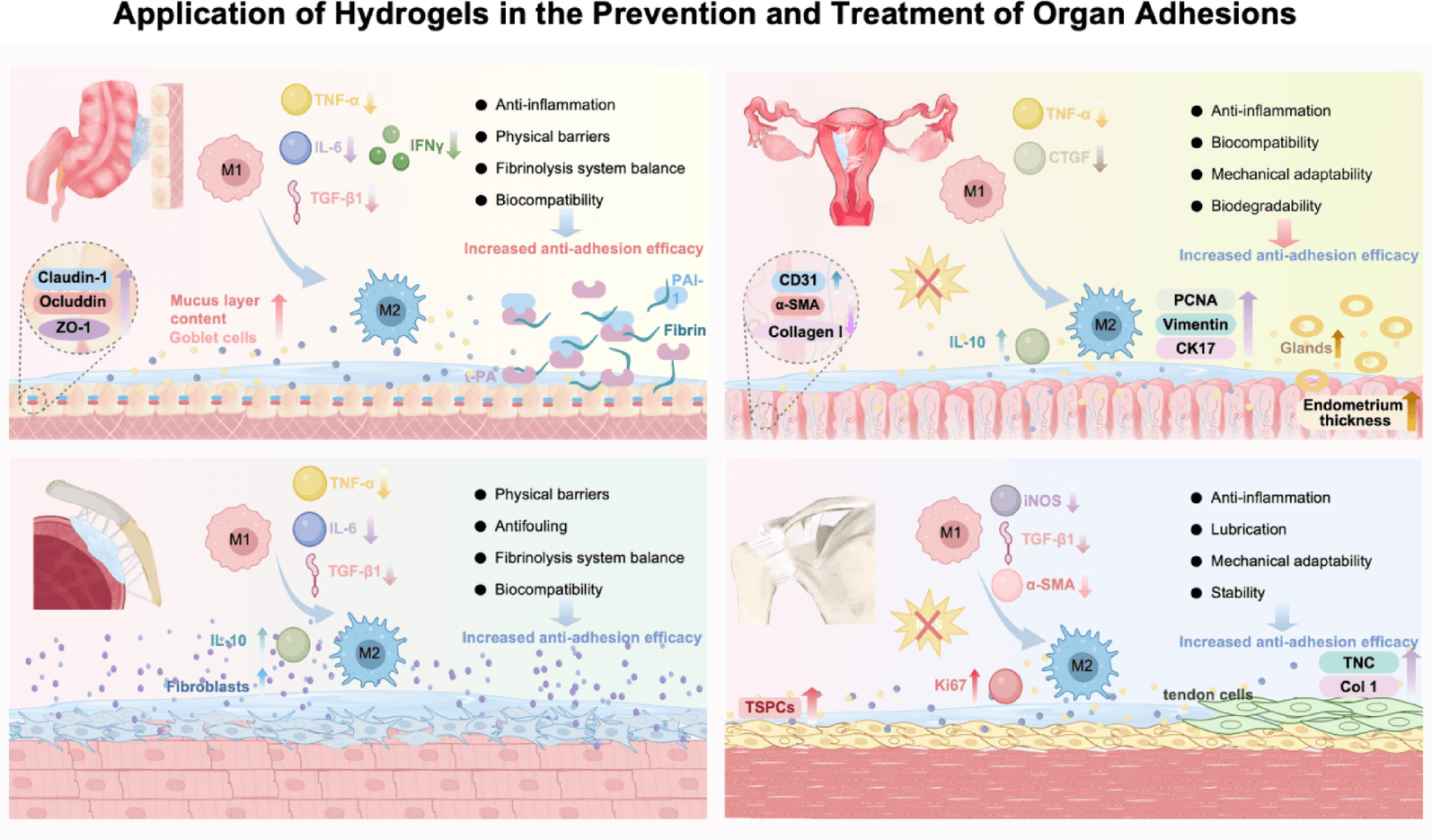
Bioabsorbable materials such as hyaluronic acid-based gels and **sprayable hydrogels** have shown promising results. Recent evaluations indicate that these barriers significantly reduce adhesion formation, thereby decreasing the risk of future obstructions.
- **Refined Surgical Techniques:**
- Gentle tissue handling and meticulous dissection.
- Adoption of **laparoscopic approaches**, which minimize tissue trauma and exposure to inflammatory stimuli.
- Intraoperative measures like thorough irrigation and strategic dissection, exemplified by the **Laennec laparoscopic approach**, facilitate the safe management of dense adhesions during reoperations.
## Recent Developments and Evidence Supporting Practice Change
### The LASSO Trial and Its Implications:
A pivotal randomized controlled trial, the **LASSO trial**, compared **laparoscopic versus open adhesiolysis** for adhesive small bowel obstruction. Its prespecified analysis revealed that:
- **Laparoscopic adhesiolysis** reduces postoperative complications, including wound infections, intra-abdominal infections, and adhesion recurrence.
- Patients undergoing laparoscopic procedures experience shorter hospital stays and quicker return to normal activities.
- When performed by experienced surgeons, laparoscopy is a safe and effective alternative even in complex cases, challenging traditional notions favoring open surgery.
### Emerging Biomaterials:
Research now focuses on **next-generation adhesion barriers**, including **sprayable hydrogels** and **biopolymer-based materials**, designed for ease of intraoperative application. These innovations aim to transiently prevent tissue apposition during healing, thus **reducing adhesion formation** and subsequent bowel obstruction risk.
## The Future of Prevention and Management
Ongoing studies aim to develop **more effective, user-friendly adhesion barriers** and refine surgical techniques further. The integration of **robotic-assisted surgery** offers enhanced precision and tissue handling, promising a further reduction in adhesion-related morbidity. Additionally, **pharmacologic agents** targeting molecular pathways involved in fibrosis and adhesion formation—such as inflammatory mediators—are under active investigation.
### Molecular Pathways and Targeted Therapies:
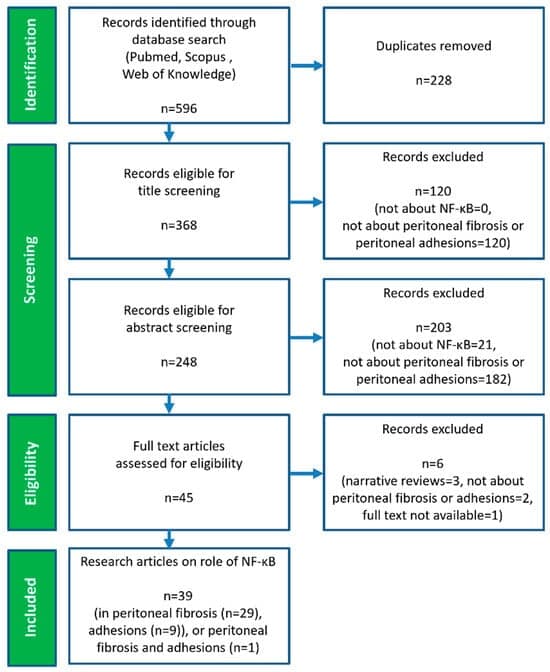
Research into **cellular and molecular mechanisms**, including the NF-κB pathway, is shedding light on peritoneal fibrosis and adhesion formation. A recent systematic review titled *"The Role of NF-κB in Peritoneal Fibrosis and Adhesion in Humans and Animals"* highlights the significance of these pathways and suggests potential for **targeted pharmacologic interventions** to prevent adhesions at the molecular level.
## Clinical Implications and Practice Recommendations
Clinicians should:
- **Prioritize early, accurate diagnosis** using advanced imaging modalities like CT scans.
- **Favor minimally invasive approaches**, such as laparoscopic adhesiolysis, when appropriate, supported by evidence from recent trials.
- **Incorporate adhesion prevention measures** during initial surgeries, including the use of bioabsorbable barriers and gentle tissue handling.
- **Stay abreast of emerging biomaterials and targeted therapies** that promise to further reduce adhesion formation and subsequent obstruction.
---
**In summary**, the management of bowel obstruction is undergoing a transformative phase driven by technological innovations, refined surgical techniques, and a deeper understanding of adhesion biology. Recognizing the pivotal role of adhesions not only in initial obstruction episodes but also in recurrences underscores the importance of preventive strategies during initial surgeries. The integration of evidence-based approaches—such as laparoscopic adhesiolysis and the application of advanced adhesion barriers—has demonstrated substantial benefits. As ongoing research into molecular pathways and novel biomaterials progresses, the future holds promise for more effective, preventive, and personalized care strategies that can significantly improve patient outcomes in this challenging domain.