Tesla’s ambitious drive to dominate embodied AI, autonomous mobility, and robotics in mid-2026 is entering a critical and complex phase. As **Optimus humanoid robots**, the **Cybercab driverless taxi program**, and the **Grok AI chatbot** continue to evolve, Tesla faces a dynamic interplay of technological breakthroughs, manufacturing scale-up, regulatory scrutiny, and intensifying global competition. Recent developments reveal mounting challenges in European market performance, escalating regulatory demands, and shifting investor sentiment, all while Tesla pushes forward with next-generation hardware and AI integration.
---
### Embodied AI and Autonomous Mobility: Progress, Leadership Changes, and Market Realities
Tesla’s core embodied AI initiatives reveal both advancements and emerging hurdles:
- The **Optimus robot** benefits from ongoing integration of Tesla’s proprietary **Full Self-Driving (FSD) firmware updates**, with the latest **v14.2.2.5** improving real-time adaptability and obstacle negotiation in complex industrial settings. Tesla continues refining its closed-loop AI learning systems to enhance robot agility and task execution.
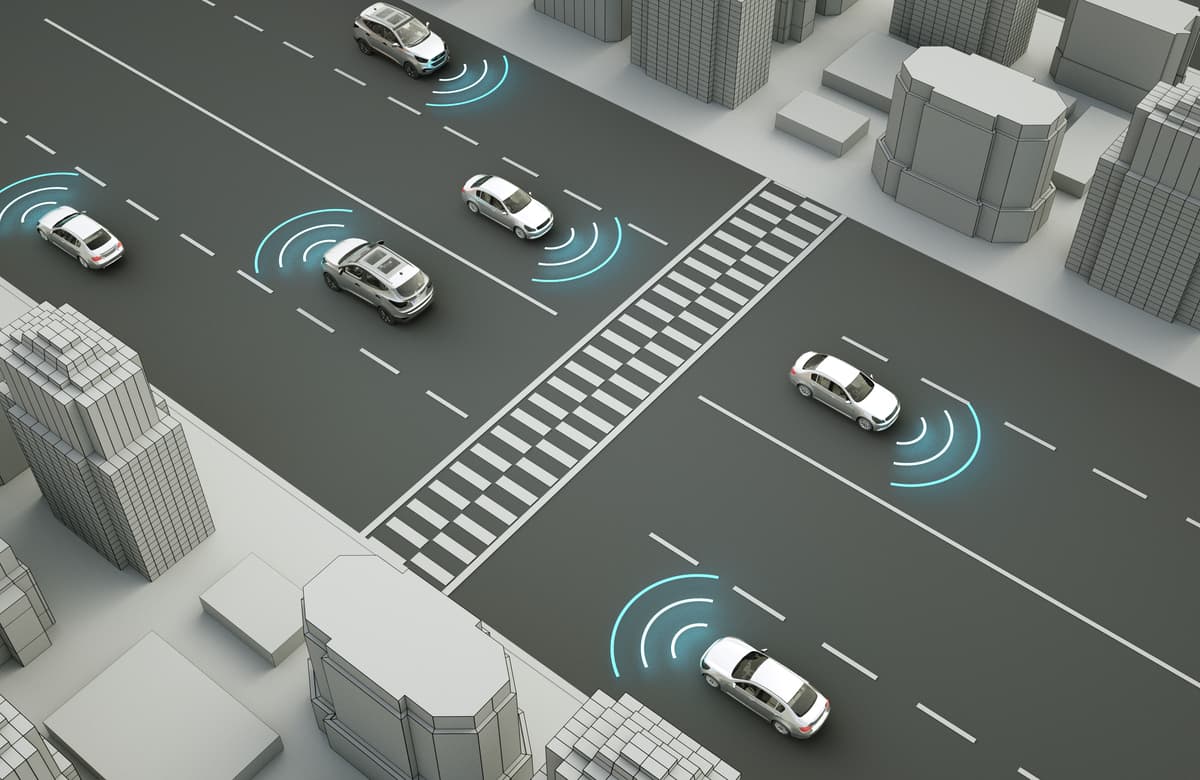
- The **Cybercab robotaxi program** aims for a **fully driverless launch by 2027** with a targeted price below $30,000, reinforcing Tesla’s vision of accessible autonomous mobility. However, operational reports from Jefferies indicate Tesla’s Austin-based robotaxis are still **lagging behind traditional rideshare services on key metrics such as ride completion rates and customer satisfaction**, despite aggressive discounting strategies. These performance gaps raise concerns about the readiness of the service for mass-market adoption.
- Leadership turbulence compounds program risks: **Victor Nechita, Cybercab’s program manager, recently departed the company**, fueling speculation about internal stability and continuity just months before the planned launch.
- On the hardware front, Tesla officially announced development of **FSD Hardware 5.0**, slated for production within 18 months. This next-gen platform promises enhanced sensor arrays, improved processing power, and integration optimized for both Tesla vehicles and humanoid robots, potentially marking a major leap forward in autonomous capabilities.
- Tesla’s **Grok AI chatbot** has expanded into **Australia and New Zealand**, enriching AI training data with diverse cultural and linguistic inputs and advancing Tesla’s goal of a unified AI platform that bridges conversational intelligence with embodied autonomy.
---
### Manufacturing Innovation and Energy Infrastructure: Scaling Production and Power
Tesla’s ability to scale embodied AI hinges on manufacturing breakthroughs and robust energy supply:
- The **Giga Press 2.0 autonomous casting system**, originally developed for Cybertruck, is now producing large polymer alloy components for Optimus. This innovation reduces complexity and cost, allowing more scalable humanoid robot production with improved structural integrity.
- Extensive use of **AI-driven digital twin simulations** optimizes factory workflows, predictive maintenance, and supply chains. New localized manufacturing hubs across North America and Europe are projected to reduce costs by 15-20%, enhance supply chain resilience, and mitigate geopolitical risks.
- The recently operational **$200 million Megapack factory in Texas** is delivering up to **40 GWh annually**, powering Tesla’s energy-demanding AI and robotics manufacturing operations. Tesla’s Megapack systems also anchor a **$1.1 billion AI data center campus in Uberlândia, Brazil**, marking a strategic push into Latin America’s energy infrastructure to support AI workloads.
- A landmark **$4 billion domestic battery cell contract** strengthens Tesla’s supply chain autonomy. Integration of proprietary **4680 battery cells** into Optimus robots enhances power density and thermal efficiency, enabling longer autonomous operational cycles.
- However, competitive pressure intensifies: Chinese rival **BYD recently unveiled battery cells nearing 400 Wh/kg**, nearly doubling Tesla’s current 4680 cell energy density. Tesla’s ongoing research into solid-state batteries and other next-gen storage technologies remains critical for maintaining its competitive edge.
- Tesla’s **Powerwall residential batteries** continue to be a cornerstone of its integrated energy ecosystem, increasingly integrated with grid management solutions serving both residential and industrial customers.
- Tesla hinted at a confidential **“holy grail” energy breakthrough** with transformative potential for the U.S. energy market and robotics power but has withheld details amid speculation.
---
### Safety, Regulatory, and Ethical Challenges: Heightened Scrutiny and Governance
As Tesla scales embodied AI, safety, legal, and regulatory pressures intensify significantly:
- Despite software improvements, **urban crash rates remain elevated**, especially in dense areas like Austin, complicating insurance underwriting and operational risk.
- A recent **$243 million legal verdict** stemming from a fatal Autopilot crash underscores Tesla’s ongoing exposure to substantial financial and reputational ramifications.
- The **$99/month FSD Supervised subscription was ruled “unambiguously false” by a court**, triggering increased regulatory scrutiny on Tesla’s marketing practices and liability disclosures.
- Regulators in the U.S. and Europe now increasingly mandate **remote human operators during high-risk autonomous operations**, reflecting caution toward AI’s current operational limits.
- European pilot programs for autonomous vehicles face stringent liability and safety compliance requirements, slowing Tesla’s regional expansion efforts.
- Reports of CEO Elon Musk’s dismissive stance toward internal safety advocates raise concerns about Tesla’s organizational culture amid rapid growth.
- Media revelations of **“Robot Fight Clubs” featuring Optimus units** have ignited ethical debates and amplified calls for AI accountability and greater transparency.
- Musk’s recent descriptions of Optimus as a **“living creature” exhibiting emergent behaviors** have intensified societal discourse on AI ethics, transparency, and machine rights, adding layers of complexity to Tesla’s public narrative.
---
### Global Competition and Supply Chain Dynamics: Intensifying Rivalry and Strategic Imperatives
Tesla’s leadership in embodied AI faces mounting challenges from international competitors and resource constraints:
- Chinese firms such as **Unitree Robotics** and **XPeng**, with strong government backing, are rapidly advancing humanoid robotics and robotaxi technologies, narrowing Tesla’s lead.
- U.S. startups like **Apptronik**, supported by Google and Mercedes-Benz investments, accelerate innovation in manufacturing robotics, diversifying the competitive landscape.
- Traditional automakers, notably **Toyota** in partnership with Agility Robotics, plan humanoid robot deployments in Canadian manufacturing by 2026, signaling broad industry adoption beyond Tesla’s ecosystem.
- Tesla’s multi-billion-dollar investments in critical minerals—including lithium, cobalt, and rare earth elements—reflect a strategic imperative to secure supply chains amid geopolitical tensions.
- Aggressive supply chain localization and circular economy initiatives, such as scaling battery recycling capabilities, aim to mitigate resource risks but depend on breakthroughs in chemistry and recycling technologies.
- China’s dominance in mineral extraction and state-backed robotics industries remains a long-term challenge to Tesla’s ambitions.
- Industry analysts caution that widescale commercialization of humanoid robotics may be deferred into the **2030s** without significant expansion in mining and recycling infrastructure.
- The **U.S. Department of Commerce recently convened a robotics policy meeting involving Tesla and other key stakeholders**, signaling growing government recognition of robotics as a strategic technology sector.
- On the autonomous mobility front, competition heats up:
- **Waymo expanded self-driving services into four new U.S. cities**, intensifying pressure on Tesla’s Cybercab rollout.
- British startup **Wayve raised $1.2 billion in funding**, reaching a valuation of **$8.6 billion**, underscoring strong investor confidence and expanding the competitive field.
- Nvidia’s record-breaking earnings, fueled partly by AI and robotics demand, reinforce the strategic importance of its ecosystem for Tesla’s autonomous ambitions.
---
### Market Sentiment, Regional Performance, and Communication Challenges
Tesla’s public perception and investor sentiment remain volatile amid operational challenges and communication issues:
- Tesla’s **European sales have sharply declined**, sparking concern and debate about whether Tesla is losing its dominance in key international markets. Factors include regulatory hurdles, local competition, and consumer sentiment shifts.
- Institutional investor **K.J. Harrison & Partners Inc** increased its Tesla holdings recently, signaling renewed confidence in Tesla’s AI and robotics vision.
- High-profile investor **Cathie Wood** expressed cautious optimism about Tesla’s AI potential, emphasizing the company’s integrated ecosystem despite inherent market risks.
- Tesla’s stock dropped **3.2% to $348.12 following disappointing Q4 2025 deliveries**, yet overall investor sentiment remains cautiously optimistic.
- Viral misinformation incidents, notably the **“Robotaxi Video That Fooled the Internet,”** have highlighted the risks of misleading narratives, prompting Tesla to strengthen its communication and public relations strategies.
- Tesla resists regulatory mandates such as California DMV’s proposed driver assistance warning labels, arguing they may confuse consumers and damage the brand.
- To rebuild consumer trust, Tesla is expanding **app-based loyalty rewards programs** and enhancing **FSD transparency dashboards** to improve user engagement and safety awareness.
---
### Conclusion: Tesla at a Defining Crossroads
Mid-2026 marks a pivotal inflection point for Tesla’s leadership in embodied AI and autonomous systems. Its unparalleled assets—vast autonomous driving data, manufacturing innovations like the Giga Press 2.0, deep capital investment, and integrated AI platforms—continue to position Tesla as a frontrunner. However, Tesla must adeptly navigate:
- **Elevated safety risks and mounting legal liabilities** threatening financial and reputational capital
- Complex and tightening **regulatory landscapes** demanding transparent governance and credible liability frameworks
- Intensifying **global competition and critical resource constraints** in minerals, manufacturing, and robotics innovation
- Heightened **ethical and societal debates** on AI transparency, accountability, and emergent machine rights
- Market communication challenges amid **misinformation risks and volatile investor sentiment**
The outcomes of upcoming U.S. government robotics policy deliberations, Tesla’s internal leadership stability, and its ability to manage European market headwinds will profoundly shape not only Tesla’s near-term rollout but also the broader adoption of embodied AI technologies globally.
Tesla’s breakthroughs—or setbacks—in robotics, autonomous mobility, and AI will echo far beyond Silicon Valley, influencing the industrial and technological ecosystems worldwide. The global community watches closely as Tesla charts a course through innovation, risk, and regulation at the frontier of intelligent machines.