# Post-Presidency Legal Battles in 2026: Escalating Litigation, Transparency Battles, and Political Fallout
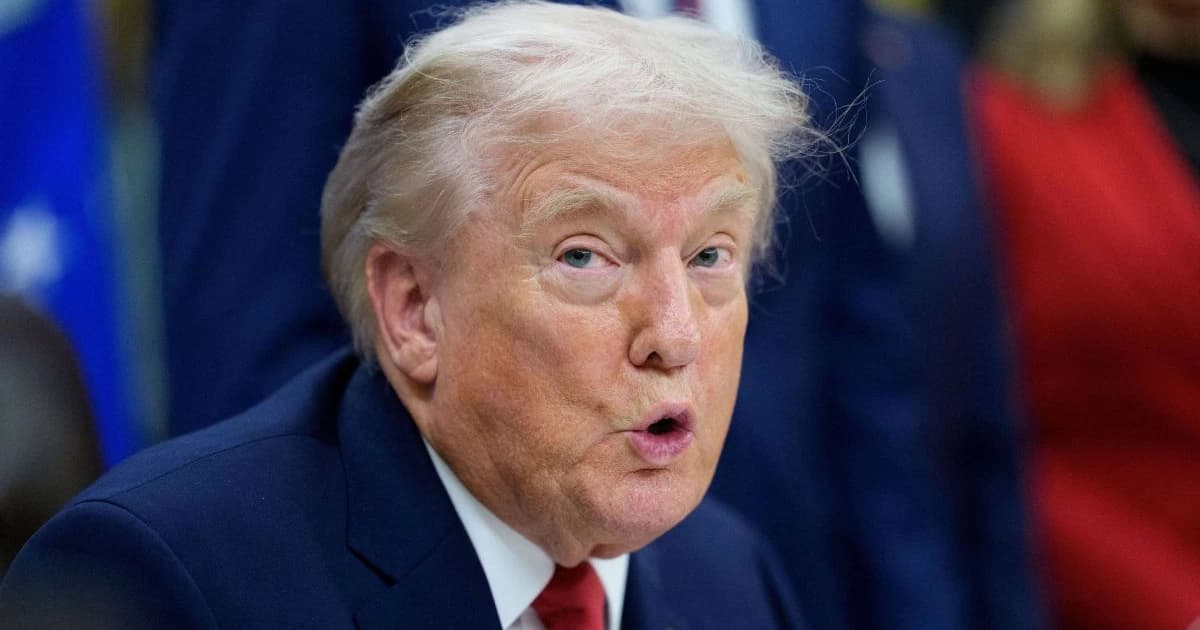
The legal saga surrounding former President Donald Trump has entered an unprecedented and highly contentious phase in 2026. What began as isolated investigations into classified documents, hush money payments, and civil liabilities has morphed into a sprawling, complex web of criminal prosecutions, civil lawsuits, and intense congressional scrutiny. These developments threaten to redefine norms around presidential accountability, transparency, and the rule of law in the United States, as Trump’s legal strategies and mounting pressures continue to unfold across multiple fronts.
---
## The Core of the Legal Turmoil: Key Cases and Recent Developments
### The Mar-a-Lago and Classified Documents Investigation
At the forefront is the ongoing investigation into Trump’s handling of sensitive government materials. The 2024 FBI raid on Mar-a-Lago uncovered a significant cache of classified documents, leading to federal charges related to national security breaches. Trump and his legal team have responded with vigorous opposition, contesting the legality of the seizure and attempting to delay the release of investigative reports, citing concerns over national security.
**Recent developments include:**
- **Special Counsel Jack Smith’s team has stepped up efforts to disclose evidence**, emphasizing that **"transparency is vital for maintaining public trust and judicial integrity."** Smith publicly stated that **"the evidence against Trump is substantial,"** with hearings revealing efforts to determine whether Trump or his associates attempted to conceal documents or submitted false statements. Testimonies suggest potential obstruction of justice, adding weight to the criminal charges.
- **In a notable legal development, a federal judge has issued rulings that significantly impact transparency efforts.** Recently, **a U.S. District Judge, Aileen M. Cannon, blocked the public release of Smith’s investigative report on the classified documents case**, citing national security concerns. This order marked a decisive move to limit disclosure, and the report remains under seal, fueling ongoing debates over transparency versus confidentiality.
- **Trump’s legal team has filed emergency motions to prevent the release of Smith’s report**, arguing that its disclosure could harm national security and influence ongoing proceedings. However, courts have largely dismissed such motions. In particular, courts are showing increasing skepticism about claims that transparency would cause irreparable harm, with some judges indicating the public’s right to know outweighs executive privilege in this context.
- **He faces potential adverse rulings in upcoming hearings outside Manhattan Federal Court**, where proceedings are streamed live. Legal analysts suggest that **these hearings could produce rulings that deepen his legal vulnerabilities**, especially if evidence points to obstruction or mishandling of classified information.
### Civil and Financial Litigation: New Fronts and Escalations
Beyond criminal cases, Trump faces a barrage of civil actions, including civil asset seizures, investigations into his financial dealings, and lawsuits targeting his influence and reputation:
- **A landmark $10 billion lawsuit filed in January against the IRS and Treasury Department** has marked a significant escalation. Trump alleges that **"the leak of his tax returns was a deliberate breach of confidentiality,"** seeking colossal damages. The suit claims that the leak caused **irreparable harm**, damaging his reputation and political prospects, and accuses government agencies of **"politically motivated misconduct."**
Key points in this suit include:
- Allegations that the IRS and Treasury failed to prevent the unauthorized disclosure of his tax information.
- Claims that the leak was designed intentionally to damage him politically.
- A demand for **$10 billion in damages**, sparking intense debate over government transparency versus presidential confidentiality.
- Additional civil cases include:
- The **$5 million verdict in E. Jean Carroll’s defamation and sexual assault case**, which is now under review by the Supreme Court. A scheduled conference on **February 20** could determine whether the Court accepts Trump’s appeal, potentially setting a precedent for civil liability for former presidents.
- A **$5 billion civil lawsuit targeting JPMorgan Chase and CEO Jamie Dimon** alleges that the bank’s decision to close Trump’s accounts was **"retaliatory"** and **"politically motivated,"** further complicating his financial standing and influence.
### Congressional Oversight and Public Testimony
Congressional hearings continue to serve as platforms for transparency and political debate:
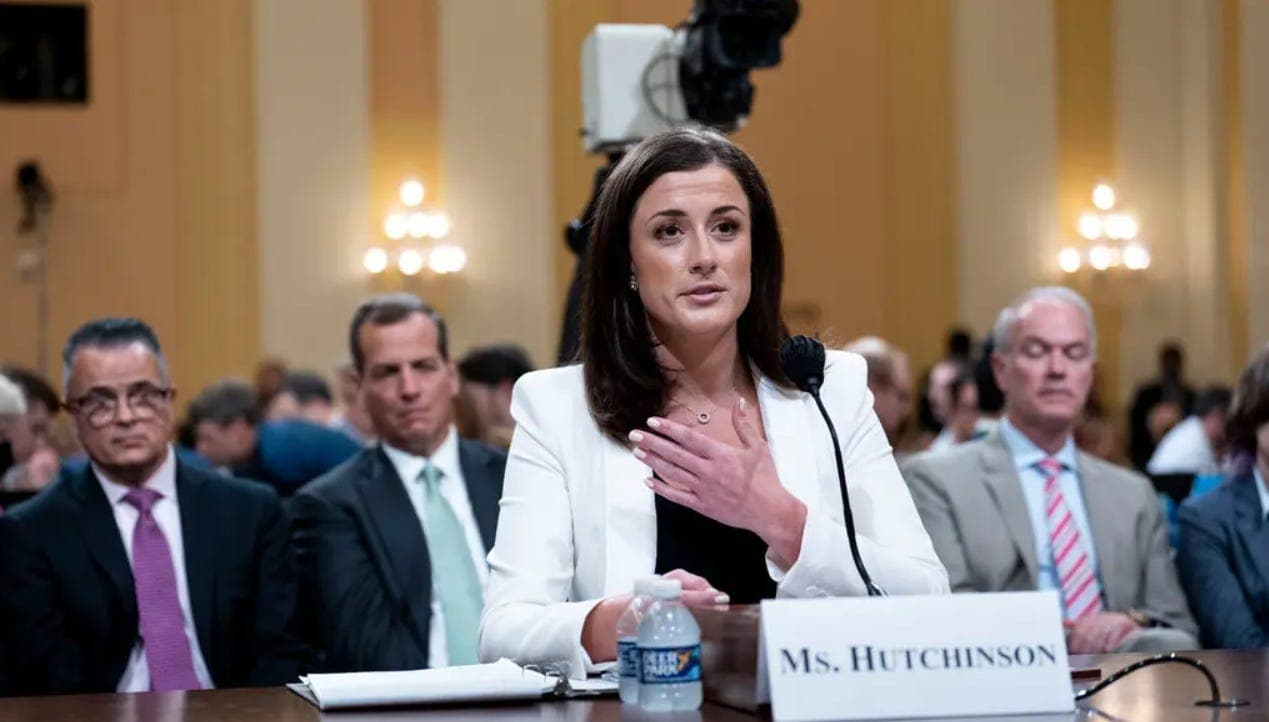
- Special Counsel Jack Smith has testified before congressional committees, emphasizing that **"the evidence is substantial"** and defending ongoing investigations. These hearings have ignited partisan divides: supporters argue that the investigations are politically motivated, while authorities emphasize **"no one is above the law."**
- Notably, Rep. Pramila Jayapal (D-Wash.) questioned Smith about the scope of the investigations, highlighting the deep political rifts that continue to influence these proceedings.
---
## New Developments: Judicial Actions and Legal Strategies
### The Fight Over the Release of Jack Smith’s Report
Adding a critical new layer to the transparency debate, **Trump recently filed a lawsuit seeking a federal court order to block the Justice Department from releasing Smith’s special counsel report**. His team argues that **"the disclosure would irreparably harm national security"** and could influence ongoing investigations. Courts are increasingly skeptical of these claims.
**Significant rulings include:**
- **A federal judge, in a separate decision, has temporarily ordered secrecy for Smith’s report**, citing national security concerns. This order effectively prevents the public and media from accessing the document, at least temporarily, amplifying tensions over transparency versus confidentiality.
- **However, other courts have shown a tendency to favor transparency.** Recent decisions suggest that **the report’s release is likely to proceed**, with courts emphasizing the public’s right to information and the importance of judicial accountability. These conflicting rulings underscore the judicial system’s delicate balancing act.
- **Trump’s opposition to a stay in the Mar-a-Lago classified documents case during his appeal** continues to reflect his broader strategy of contesting proceedings at every turn, aiming to delay or derail critical rulings.
### The Supreme Court’s Role and Future Rulings
The Supreme Court’s upcoming decisions could be pivotal in shaping the legal landscape:
- The **$5 million E. Jean Carroll case** is scheduled for a conference on **February 20**, where the Court will decide whether to accept Trump’s appeal of his civil verdict. A ruling here could significantly impact civil liability standards for former presidents.
- The **$10 billion tax leak lawsuit** could set important precedents regarding executive confidentiality and the limits of government transparency, especially if the handling of the leak becomes central to the case.
**Other pending cases and legal questions include:**
- The admissibility and scope of evidence, especially regarding the release of Smith’s reports and their influence on criminal and civil trials.
- Asset seizure rulings and civil liability cases, which are expected to have profound financial and political implications for Trump.
---
## Current Status and Broader Implications
**The post-presidential legal landscape remains intense and unpredictable.** Recent developments — including Trump’s opposition to transparency efforts, the courts’ mixed rulings on report releases, and the mounting civil and criminal cases — highlight a period of heightened judicial scrutiny and political tension.
**The judiciary’s approach to balancing transparency and confidentiality will be decisive in shaping future norms.** Recent rulings suggest a trend toward favoring transparency, with courts increasingly inclined to release investigative reports and scrutinize executive privilege claims. Conversely, Trump’s legal maneuvers—like seeking to block the Smith report from public disclosure—illustrate continued efforts to limit transparency.
**The upcoming Supreme Court decisions could define key legal standards:**
- **Limits on executive privilege and confidentiality for former presidents**
- **The scope of civil liability and accountability**
- **The handling and disclosure of investigative evidence**
**The outcomes will impact Trump’s political influence, financial stability, and the broader integrity of American judicial and political institutions.**
---
## **Current Outlook and Significance**
2026 remains a defining year in Trump’s post-presidency saga. The escalation of litigation, strategic courtroom maneuvering, and potential landmark Supreme Court rulings underscore a pivotal moment for accountability in American politics.
**If the courts uphold transparency and enforce accountability, a new standard for presidential conduct post-office could emerge. Conversely, if political interests sway judicial outcomes, concerns about impunity and double standards may deepen.**
As these legal battles unfold, their resolutions will profoundly influence the future of the rule of law, political accountability, and the legacy of one of the most controversial figures in recent U.S. history.
---
**In summary**, the combination of aggressive legal tactics, judicial skepticism, and ongoing investigations makes 2026 a watershed year. The conflicts over transparency, civil liability, and criminal accountability are not only about Trump himself but also about defining the standards of justice and oversight for future presidents and high-profile officials. The coming months will be crucial in shaping the legal and political landscape for years to come.