# Regional Public Safety and Resilience in 2026: A Year of Strategic Investments, Community Engagement, and Modernized Response Systems
As 2026 advances, the region continues to exemplify a dynamic, forward-looking approach to public safety, community resilience, and civic participation. Building on prior initiatives, recent developments illustrate an unwavering dedication to leveraging technological innovation, strategic staffing, infrastructure modernization, and community-driven programs. These efforts collectively position the region as a national leader in creating safe, equitable, and resilient environments capable of confronting environmental challenges, social uncertainties, and emergent crises.
---
## Continued Strategic Investments in Climate Resilience and Infrastructure
This year has seen substantial financial commitments aimed at strengthening physical and technological resilience across municipalities:
- **Flood Mitigation and Community Outreach**
- **Woodfin** secured a **$284,000 grant** to support flood mitigation efforts. These funds have been allocated toward constructing flood barriers, upgrading drainage systems, and implementing targeted outreach campaigns, empowering residents to participate actively in flood risk reduction.
- To enhance public understanding, the city released a **2-minute and 40-second educational video** detailing flood risks and mitigation tactics tailored to local communities, fostering proactive safety behaviors.
- **Sarasota County** intensified efforts to acquire land for stormwater management, a critical step to reduce flood impacts amid increasing storm activity driven by climate variability.
- **Energy Resilience Enhancements**
- **Gorham** commissioned a **new battery storage system**, a significant upgrade supporting sustainable growth and ensuring reliable power during extreme weather events—an essential component of emergency response and energy security.
- **Facility Modernization and Budget Allocations**
- Despite ongoing fiscal debates, **Johnstown**’s city council recently approved design contracts for modernizing public safety facilities, demonstrating a firm commitment to upgrading emergency response infrastructure.
- In **Des Moines**, strategic reallocation of funds toward public safety infrastructure—including trail development—aims to promote safe recreation, active mobility, and enhanced community connectivity.
---
## Expansion and Modernization of Communication and Alert Systems
Effective, inclusive communication remains vital to regional resilience:
- **Mass Notification Systems**
- **Watertown** and **Codington County** launched the **CodeRED Emergency Alert System**, significantly boosting their capacity to deliver timely weather warnings and safety messages across multiple channels.
- The **East Bay Regional Park District** regularly issues alerts and park closures related to seasonal flooding, such as on **Wildcat Creek Trail**, ensuring visitors are well-informed about hazards.
- **Innovative Alert Delivery**
- Cities like **Marblehead** and **Portland** are piloting **multilingual, geotargeted alert systems**. These platforms are designed to deliver culturally sensitive, localized emergency messages swiftly, reducing response delays among diverse populations and fostering inclusivity.
- Utilities continue to adopt **Public Safety Power Shutoff (PSPS) watches** for wildfire risk mitigation:
- **Hooksett, NH** issued its **first PSPS watch**, marking a proactive step toward wildfire prevention.
- **Black Hills Energy** issued **PSPS alerts** during high fire danger periods, safeguarding residents and critical infrastructure.
- These alerts are coordinated closely with emergency agencies to ensure preparedness and minimize disruptions.
- **Public Health and Utility Alerts**
- The region remains vigilant regarding public health threats; for example, **Kentucky’s Office of Homeland Security (KOHS)** issued a **public safety alert** concerning potent synthetic opioids, underscoring the importance of community awareness and law enforcement collaboration.
---
## Community Engagement, Staffing, and Outreach: Building Trust and Capacity
Maintaining adequate staffing levels and fostering strong community relationships remain central priorities:
- **Public Safety Events**
- **Gilbert** hosted its annual **S.A.F.E. Public Safety Day** on March 28, engaging residents—including individuals with special needs—in demonstrations, workshops, and community-building activities that reinforce safety awareness.
- Law enforcement agencies are expanding outreach efforts through initiatives like **Coffee with a Cop** and targeted recruitment campaigns. Notably, **Baltimore County Police** announced a **Community Hiring Event** scheduled for **February 28, 2026**, emphasizing efforts to recruit officers committed to community trust and service.
- **Educational Campaigns and Civic Advocacy**
- **Portland Community College** continues its safety awareness initiatives, with videos surpassing **580 views**—raising awareness about personal safety, emergency preparedness, and civic responsibility.
- Grassroots activism is gaining momentum; a notable example is a **couple biking from Green Cove Springs to Washington, D.C.** to advocate for screening reform. Their **2-minute and 27-second YouTube video** amplifies civic health issues and community activism efforts.
- **Recognition and Civic Dialogue**
- The **Erie County Annual Public Safety Dinner and Awards** celebrated local heroes, fostering community pride and ongoing safety initiatives.
- A recent **panel hosted by the League of Women Voters - Downeast in Ellsworth** focused on regional governance, civic participation, and safety strategies, promoting transparency and community dialogue.
---
## Upgraded Emergency Response and Utility Preparedness
Communication and utility safety measures continue to evolve:
- **Enhanced Alert Systems**
- **Washington County** launched a **new mass notification system**, expanding the region’s capacity to deliver timely weather and safety alerts.
- **Marblehead** and **Portland** are piloting **multilingual, geotargeted alert systems** designed to deliver culturally sensitive, rapid emergency messaging tailored to specific neighborhoods and language groups, fostering inclusivity and response efficiency.
- **Proactive Utility Safety Measures**
- Utilities are adopting **PSPS measures**:
- **Hooksett, NH**, issued its **first PSPS watch**.
- **Black Hills Energy** issued **PSPS alerts** during periods of high fire danger.
- These measures are crucial for wildfire risk mitigation, aiming to prevent catastrophic fires and protect communities during extreme weather episodes.
- **Public Health and Safety Alerts**
- The region remains vigilant regarding public health threats; for example, **Kentucky’s KOHS** issued alerts about synthetic opioids, emphasizing community vigilance and law enforcement collaboration.
---
## Strengthening Winter Storm Response and Regional Coordination
As climate patterns grow more unpredictable, regional agencies have intensified winter storm preparedness:
- **Pre-Storm Communication and Community Advisories**
- A **YouTube video titled "Philadelphia region prepares for nor’easter"** (**2 minutes and 50 seconds**, over **2,142 views**) highlights pre-storm measures, including early warnings, resource mobilization, and community advisories, exemplifying effective collaboration.
- **NYC Emergency Management (NYCEM)** issued a **hazardous travel advisory** for **Sunday, Feb. 22**, urging residents to **avoid unnecessary travel** amid heavy snowfall and high winds.
- Mayor **Mamdani** and Governor **Hochul** declared a **local state of emergency**, activating response protocols and closing schools for safety.
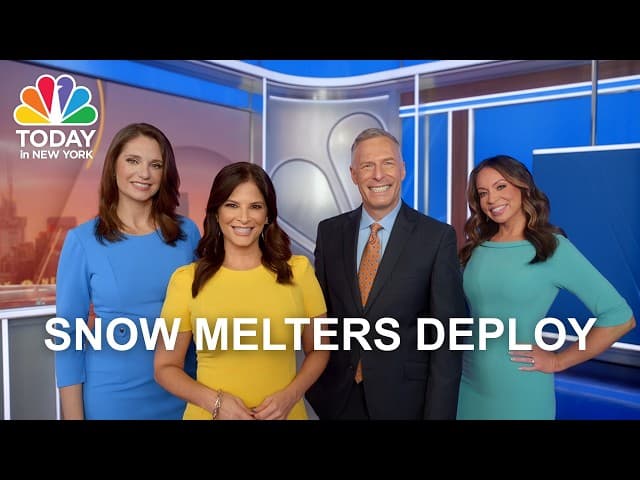
- City officials released a **full briefing video** emphasizing pre-storm preparations, resource deployment, and safety messaging.
- Towns are conducting storm readiness drills, reinforcing infrastructure resilience—roads, power lines, emergency shelters—and educating residents through **storm safety days** and **CPR training programs**.
---
## Recent Controversies and Policy Discussions
The region continues to grapple with pivotal safety and policy debates:
- **Controversy Over Proposed ICE Detention Center**
- A significant point of contention arose with the announcement that **a warehouse in New Jersey** is slated to become an **ICE detention center**. Community opposition has been strong, with residents voicing concerns over safety, human rights, and community trust. Critics argue that such developments could undermine regional safety efforts and foster tension around immigration enforcement. A **News 12** video captures community responses, highlighting the broader implications for social cohesion.
- **Municipal Policy Limiting Assistance to ICE**
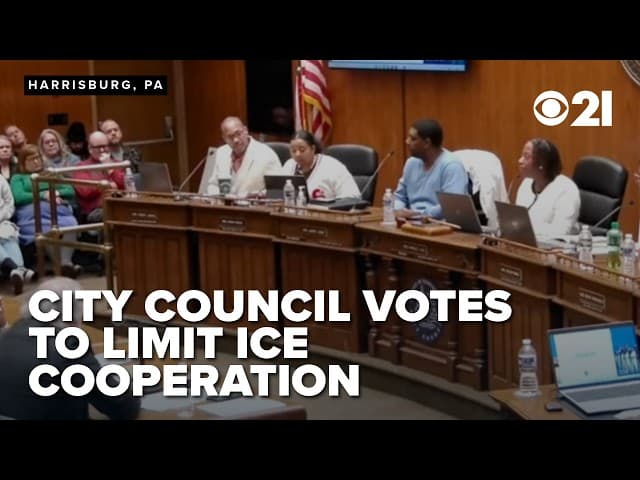
- In a related development, **Harrisburg City Council** recently voted to pass a bill limiting city resources in assisting ICE operations. A **YouTube video** details the decision, which has sparked debate about local sovereignty, safety, and the role of law enforcement in immigration issues. Council members emphasize the importance of community trust and protecting vulnerable populations.
- **Public Safety Alerts and Incidents**
- Recent safety alerts include **mountain lion sightings in Glendale**, prompting residents to stay cautious, especially with small children and pets.
- The **Caruthersville Police Department** issued a **public safety alert** regarding a **missing backpack containing a firearm**, emphasizing the need for vigilance and community cooperation.
- Regional authorities also responded to a **mountain lion sighting** in Glendale, issuing a **safety advisory** urging residents to remain alert, keep small children and pets indoors, and report any sightings immediately.
- **Other Notable Incidents**
- A **public safety alert** was issued regarding a **missing backpack containing a firearm**, highlighting ongoing concerns about firearm safety and community awareness.
- Town governance meetings, such as the **Decatur Community Town Hall**, continue to serve as forums for residents and officials to discuss safety priorities, infrastructure projects, and community concerns. A **short video from News 19** captures residents voicing their safety needs and fostering civic dialogue.
---
## Current Status and Future Outlook
2026 has been a transformative year, marked by strategic investments, technological advancements, and a deepened focus on equity and community participation. Initiatives—from flood mitigation grants and energy resilience projects to sophisticated alert systems—are laying a solid foundation for long-term regional resilience.
The region’s emphasis on **transparency, inclusivity, and social justice** ensures that safety policies serve all residents effectively, fostering trust and civic pride. The recent controversies underscore the importance of **community dialogue** and **equitable policymaking** as essential to resilience.
Looking forward, continued collaboration among municipalities, utility providers, community organizations, and residents will be vital. Climate unpredictability and social challenges necessitate adaptive, inclusive strategies that uphold safety and equity.
**In summary**, 2026 exemplifies a year of comprehensive growth—where investments, innovation, and civic engagement converge—to build a resilient region capable of facing future challenges with confidence. The region’s proactive, inclusive approach positions it as a model for communities nationwide committed to safe, equitable, and sustainable futures.