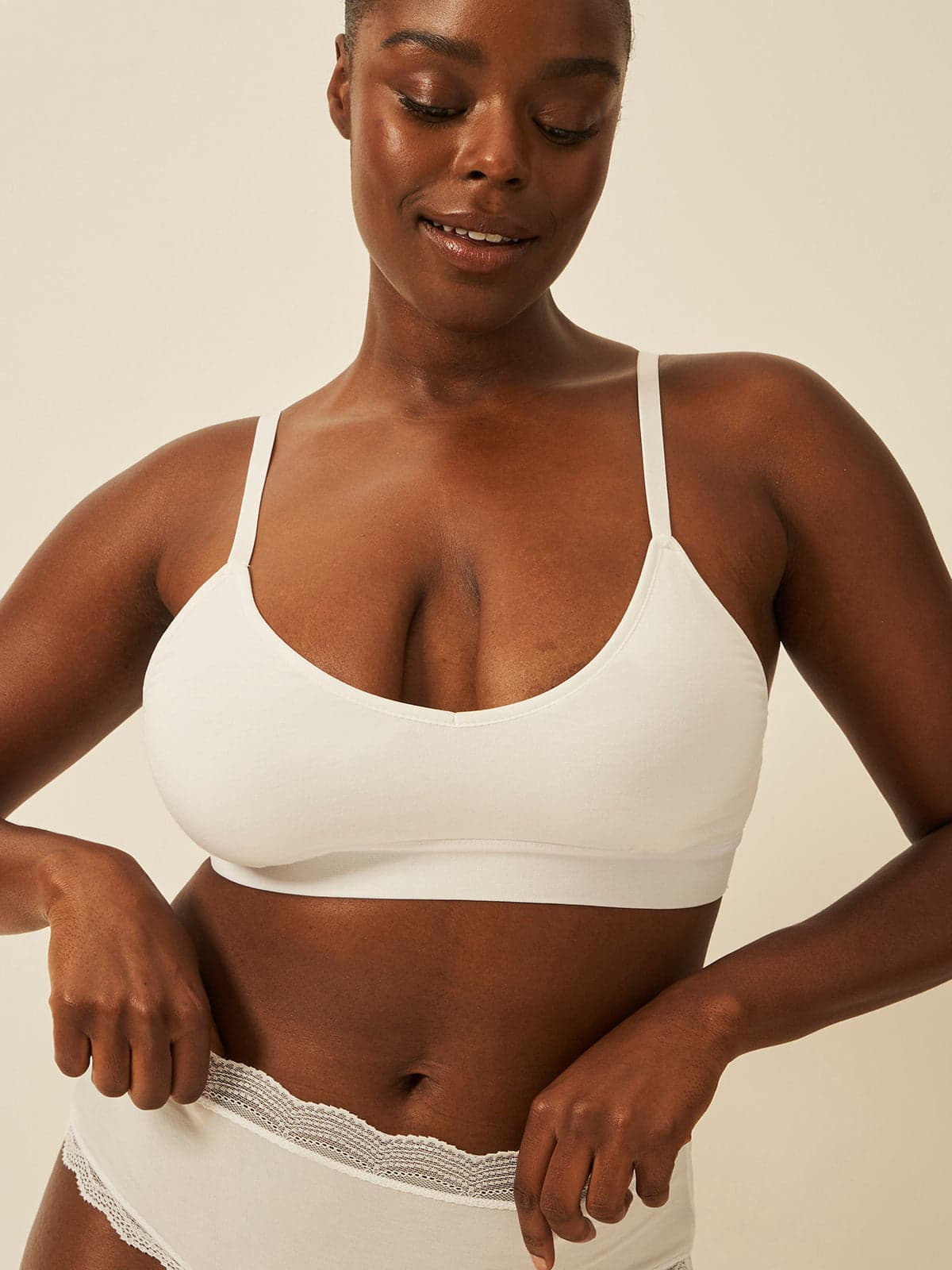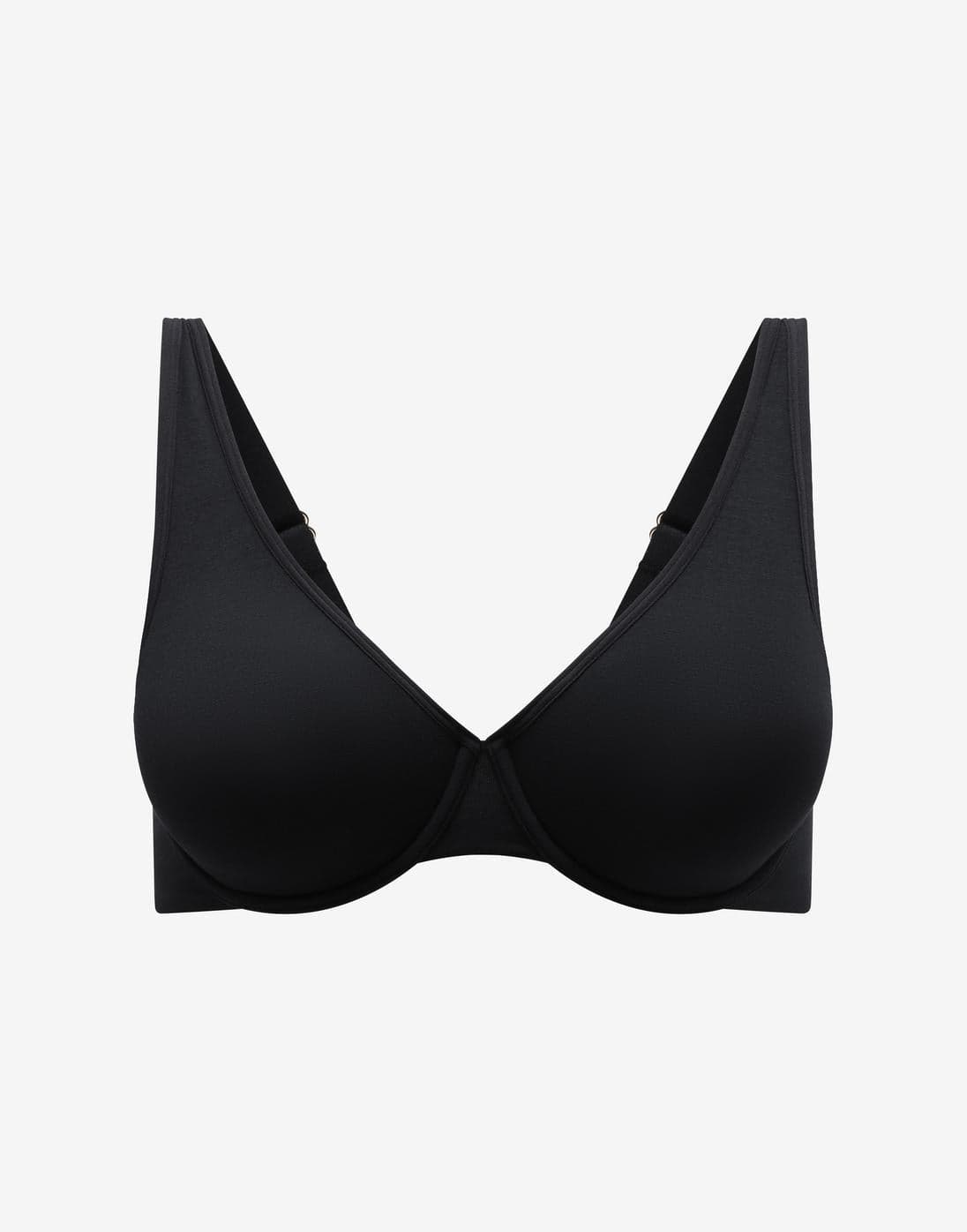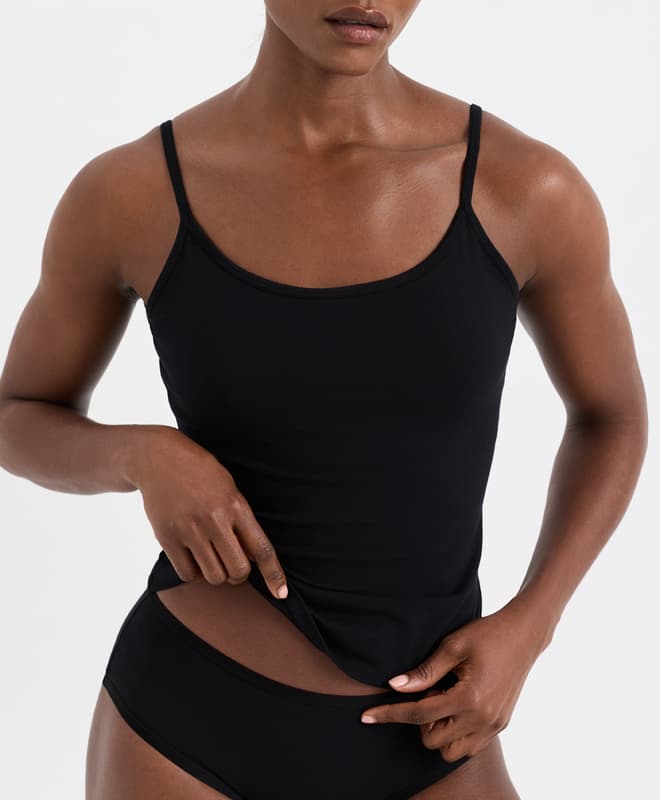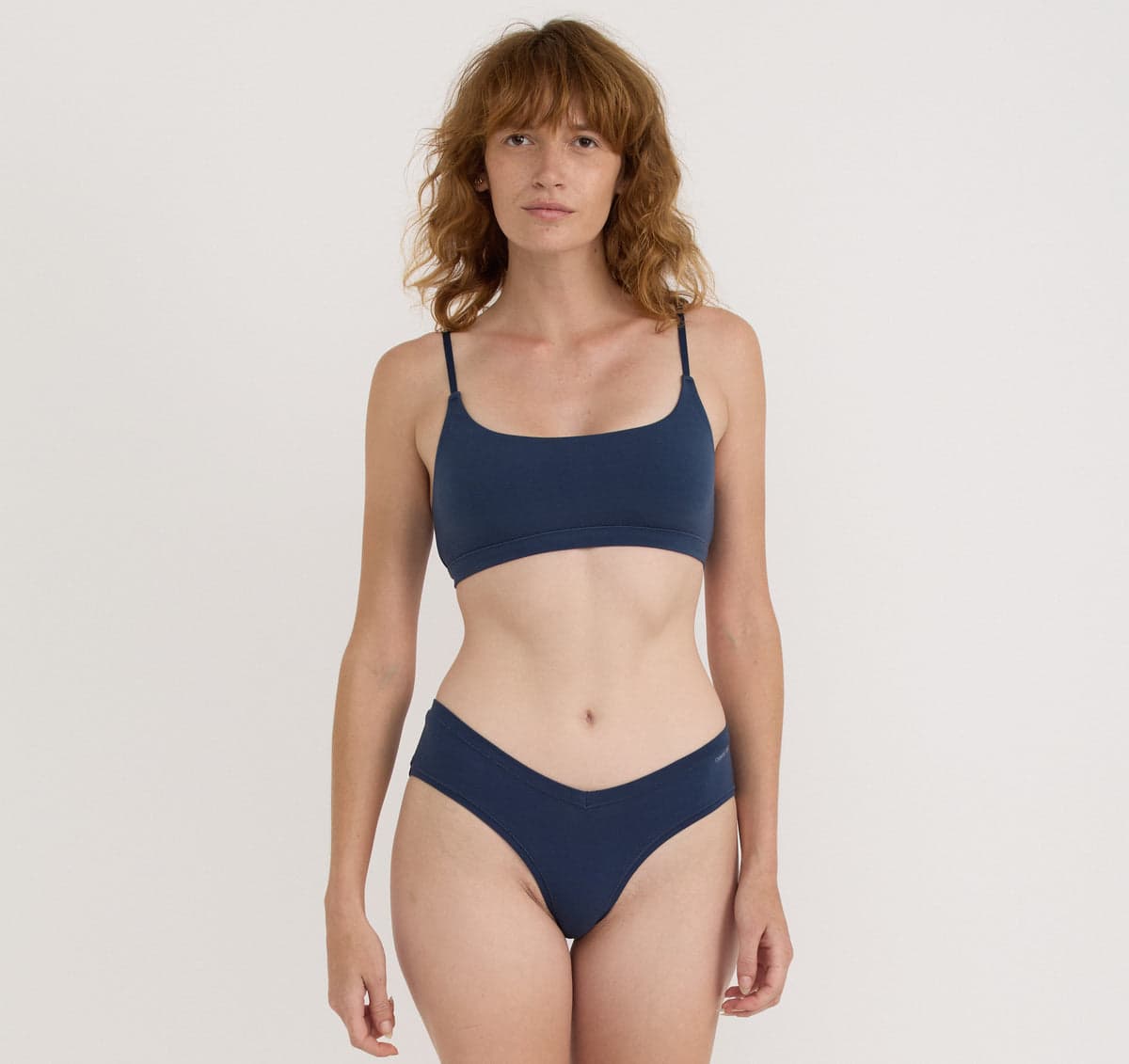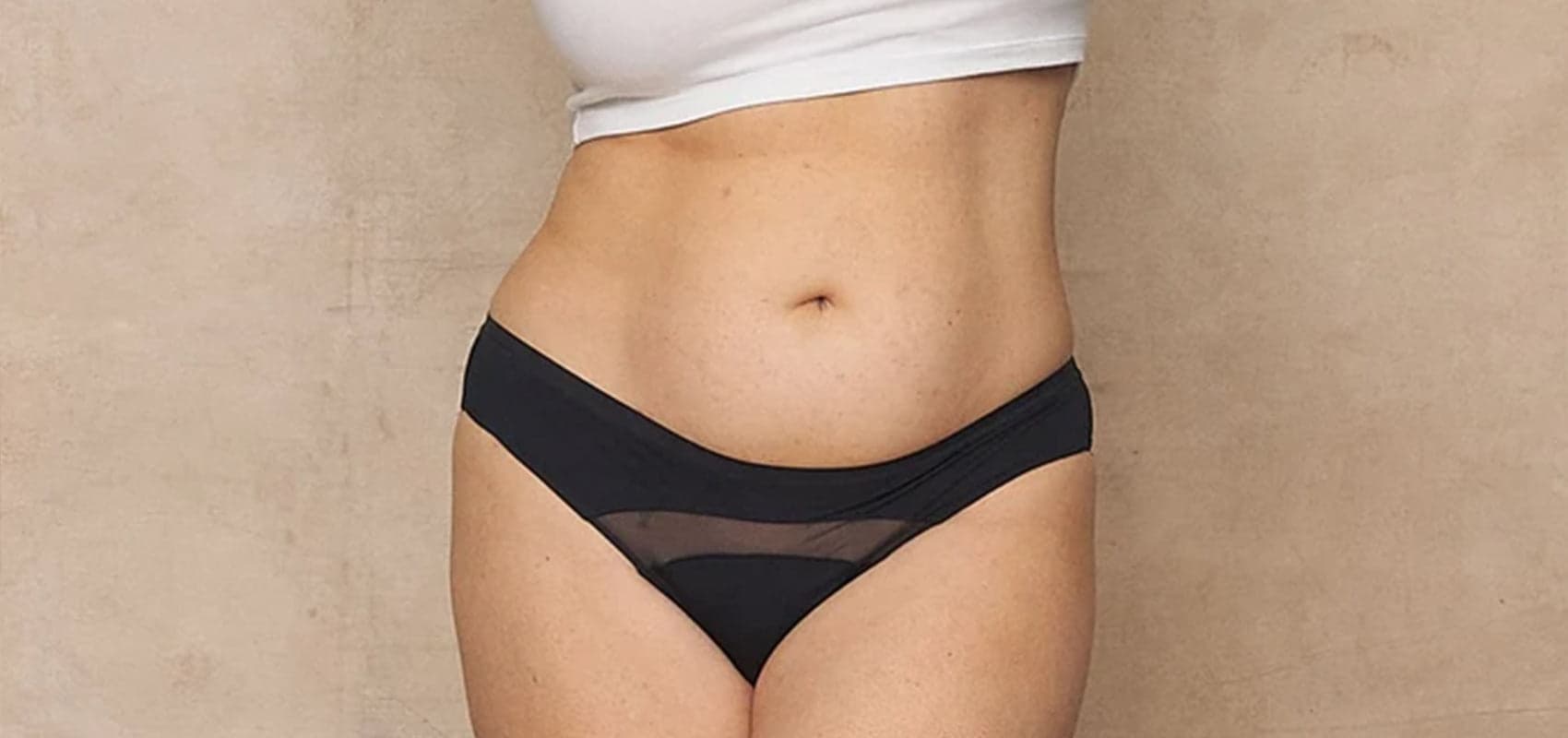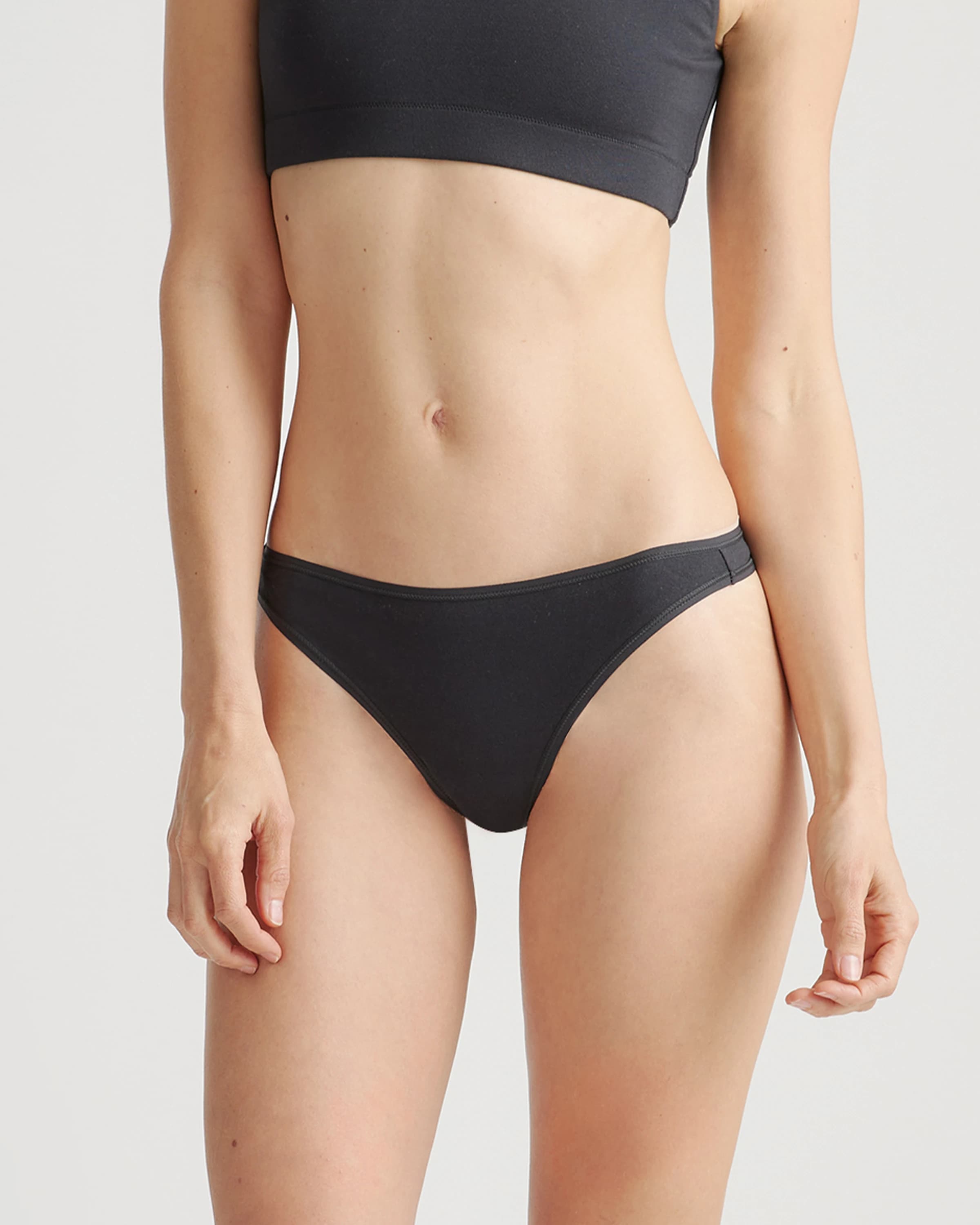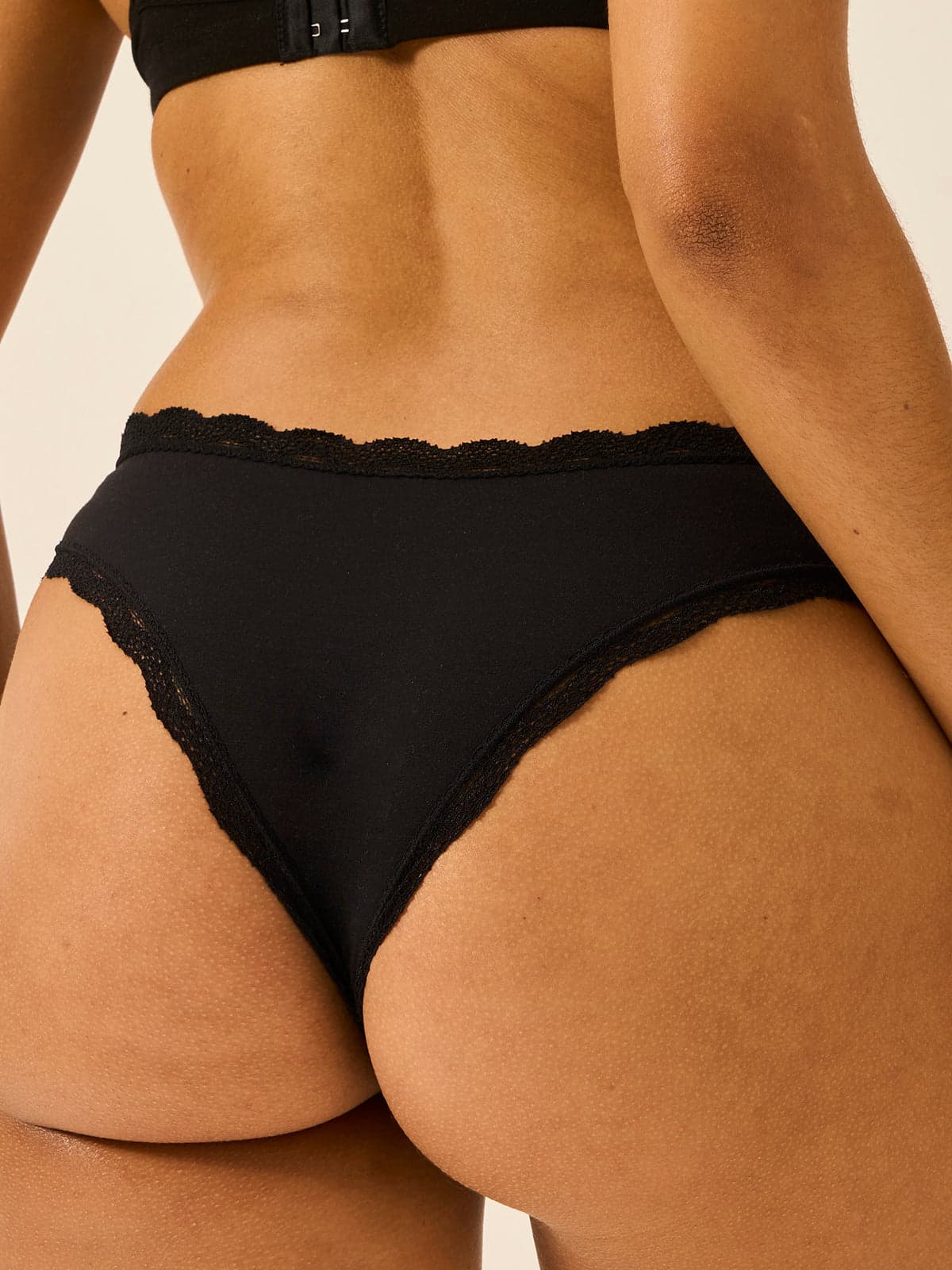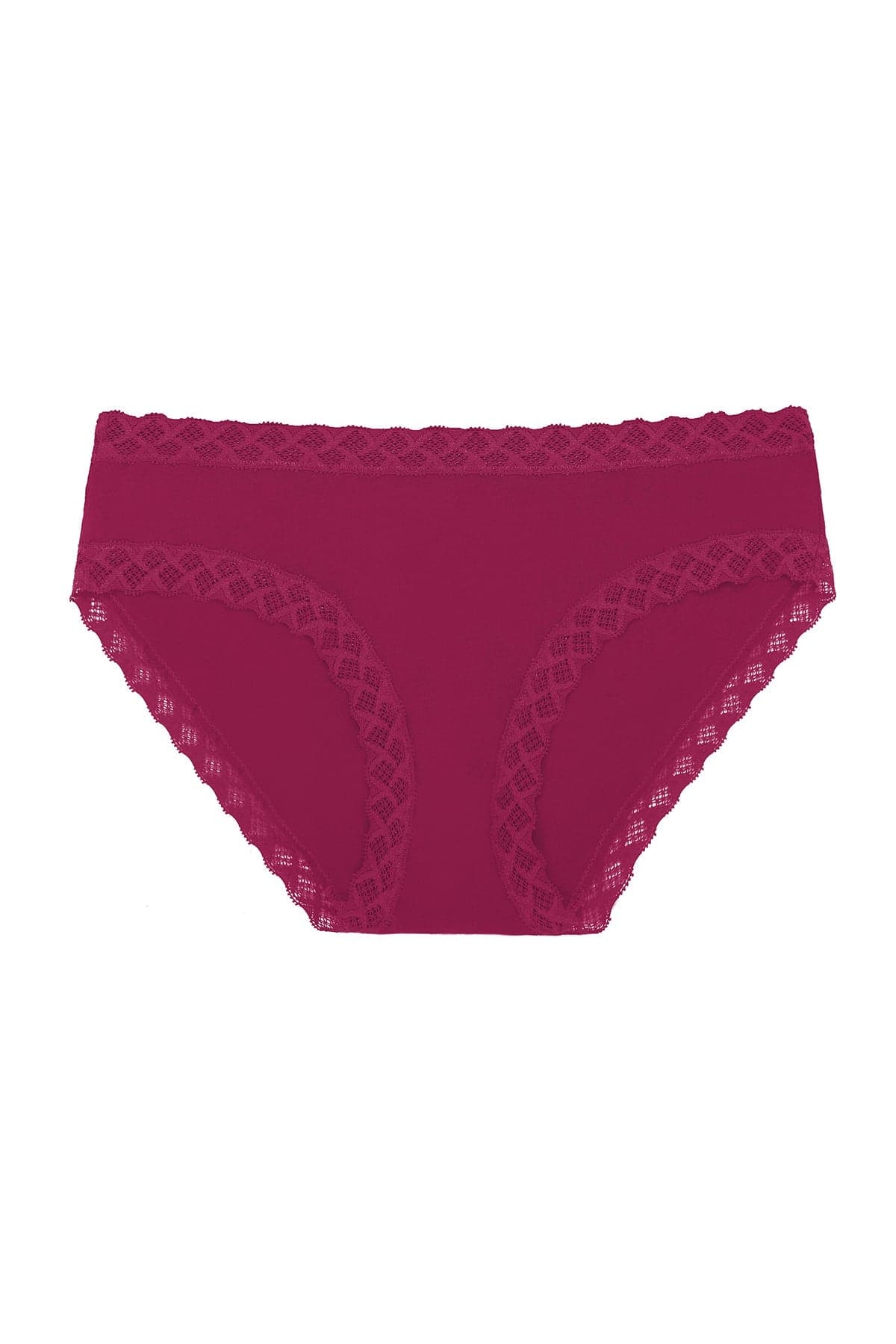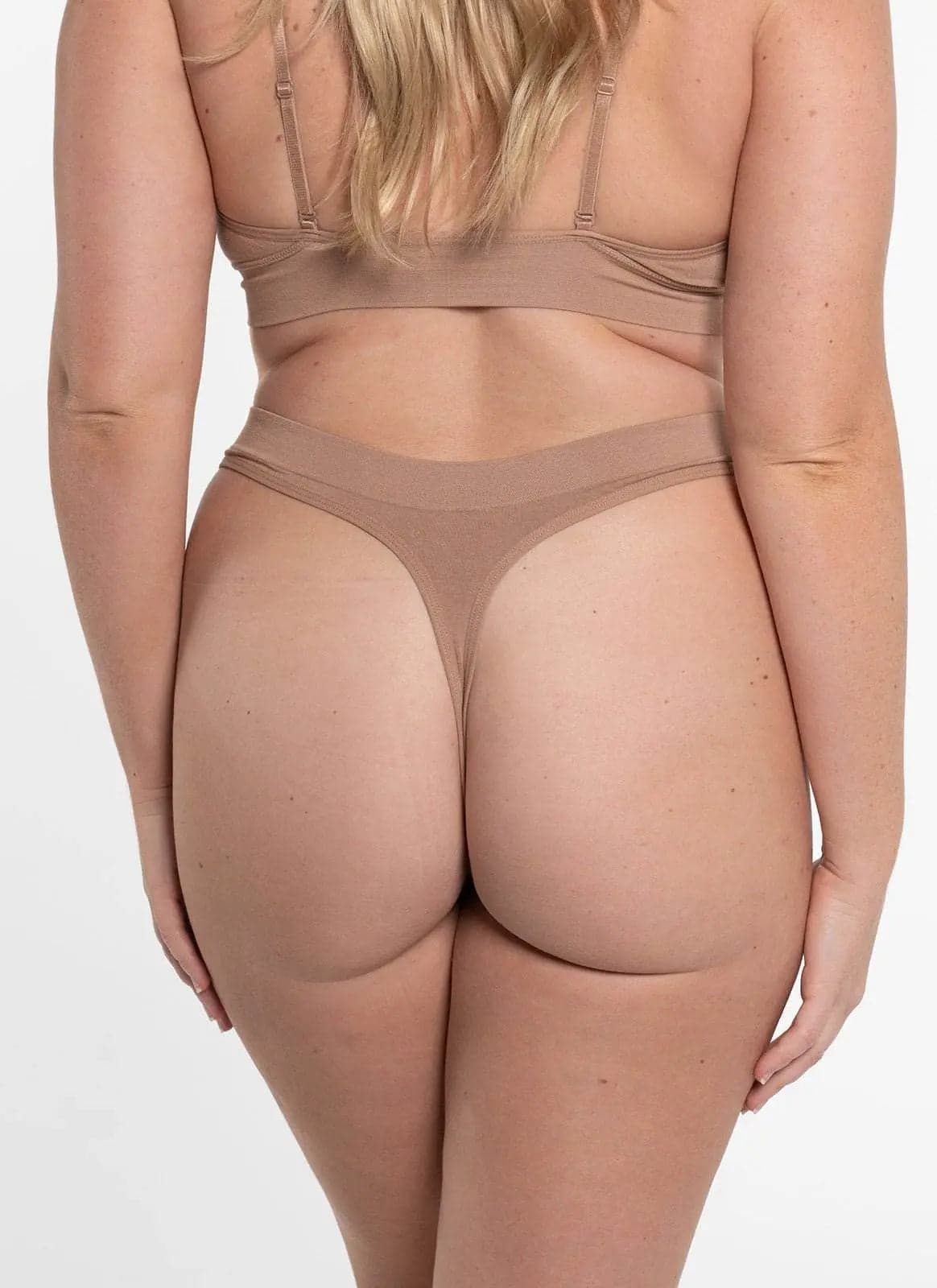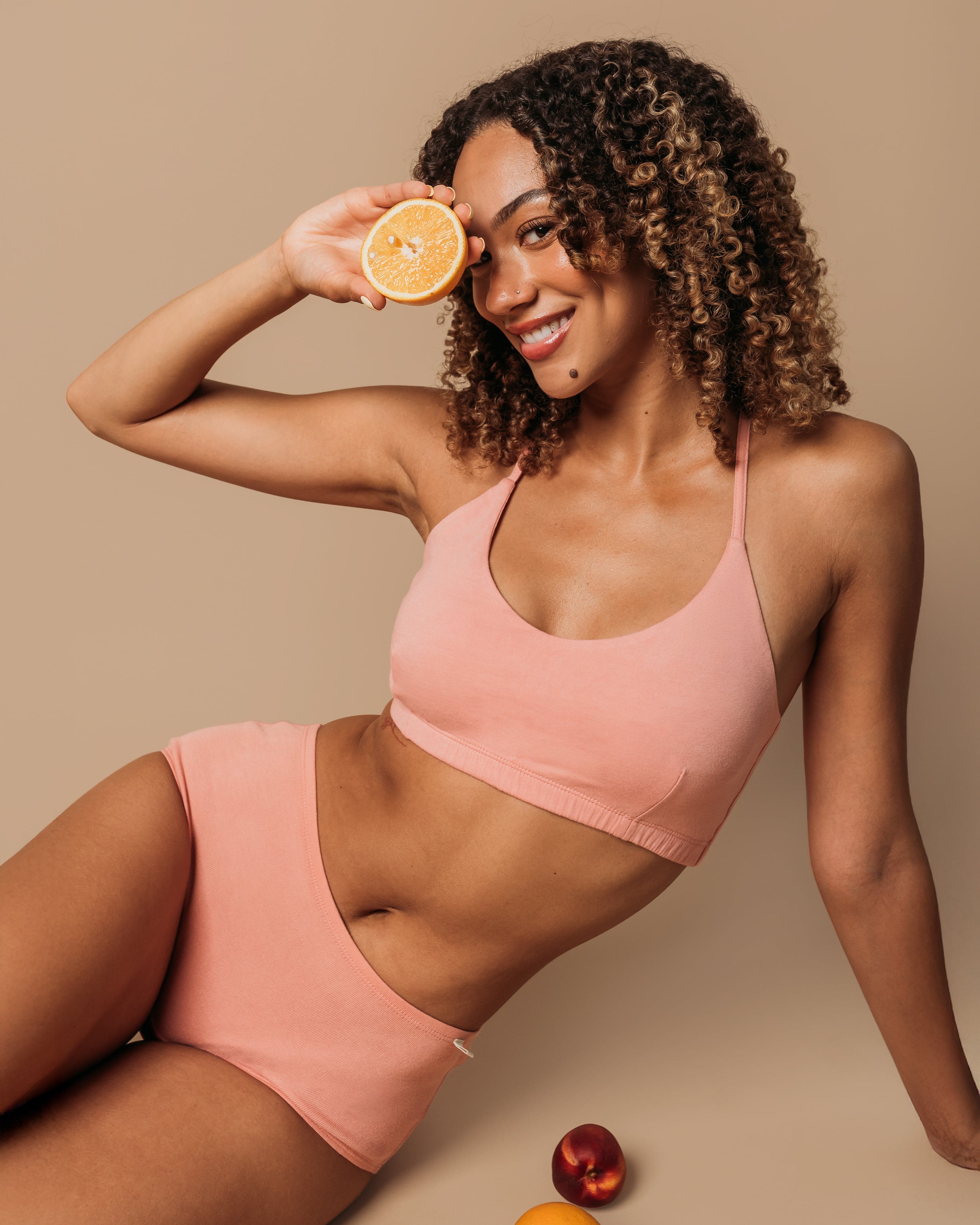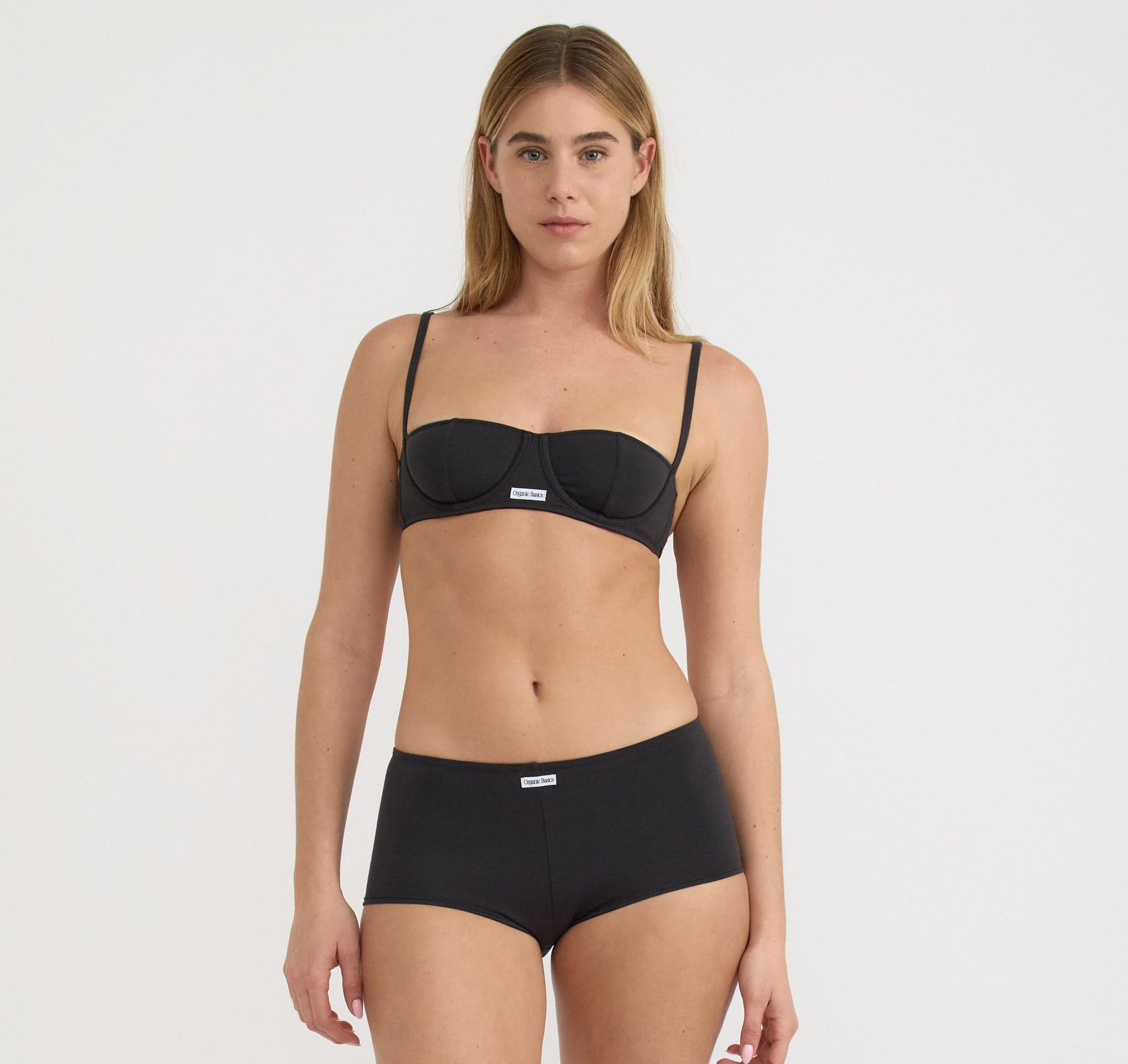
The intimate apparel industry continues its dynamic evolution, firmly embedding **non-toxic, certified bras and intimates with transparent, science-based sustainability claims** as the unequivocal market foundation. What began as boutique wellness innovations have now become mainstream essentials, powered by rigorous third-party PFAS-free certification, broadening fiber innovation, inclusivity, affordability, circularity, and an integrated period product ecosystem.
---
## Certified PFAS-Free Assurance: The Unwavering Baseline for Trust
The industry’s baseline standard remains **third-party verified PFAS-free certification**, now more expansive in scope and consumer engagement than ever before. Increasing regulatory scrutiny globally, coupled with consumers’ growing understanding of PFAS chemicals’ health risks—endocrine disruption, carcinogenic potential—have rendered **PFAS-free certification the indispensable trust marker** for brands.
Leading certifiers such as **GOTS, OEKO-TEX Certified Clean™, bluesign®, and others** have enhanced their chemical screening protocols, embedding advanced PFAS testing into their certification frameworks. This ensures that brand claims are not only science-based but also transparent and verifiable.
Brands have responded by translating complex chemical safety data into **accessible, consumer-friendly narratives**—empowering informed choices and reinforcing confidence. Sustainability expert Dr. Elaine Marquez underscores this shift:
> “Consumer trust today hinges on transparency backed by independent certification. In intimate apparel, PFAS-free verification is no longer optional—it’s foundational.”
This foundation is critical not only for the general population but particularly for sensitive groups such as teenagers, menstruators, and those with sensitive skin, who require protection from prolonged chemical exposure.
---
## Mainstreaming Certified Non-Toxic Intimates: Accessibility and Affordability Amplified
Certified non-toxic intimates are no longer confined to niche luxury markets. They are **widely accessible and affordable**, spanning demographics and retail channels with notable breadth:
- **Value-driven multi-pack bundles** continue as a successful model:
- **Stripe & Stare’s eight-pack briefs** and **Pact’s five-pack Everyday Classic Fit Bikinis** combine affordability with trusted certification.
- **DIM’s organic cotton lingerie** and expanded **TENCEL™ lace Brazilian briefs** diversify accessible options.
- **Organic Basics’ Easy Tanga**, introduced at a competitive **$15.40**, signals affordable, certified basics now widely available in European markets.
- **Mass-market retailers** like **HSN** bring PFAS-free intimates to broad audiences, featuring products like **Rhonda Shear’s bamboo-blend leakproof briefs**.
- Youth-focused brands such as **Lilova** leverage **GOTS and OEKO-TEX Certified Clean™ certifications** and actively promote safe menstrual care adoption through campaigns offering up to **25% off during Black Friday**.
- The rise of **period athleisure**—exemplified by **Diva'Me**—addresses the growing demand for stylish, breathable, and certified menstrual wear tailored to active lifestyles.
- Established innovators—**Modibodi, Saalt, Powerpants, Goat Union**—continue marrying verified chemical safety with comfort and contemporary design.
This widespread availability and pricing strategy underscore a **paradigm shift**: certified, non-toxic intimates are now wellness essentials embraced globally across age and income brackets.
---
## Fiber Innovation and Material Transparency: Deepening Scrutiny and Expanding Horizons
The fiber landscape continues to diversify, with heightened scrutiny on sustainability claims and supply chain transparency:
- **Bamboo lyocell and viscose** remain favored for softness, breathability, and natural antifungal qualities. Brands like **Vee Underwear** actively educate consumers on health benefits with campaigns such as “4 Tips: Bye-Bye Yeast Infections!” However, the environmental impact of bamboo viscose processing demands transparency, addressed through educational content like the YouTube exposé **“COTTON VS BAMBOO // which fabric is *actually* more sustainable?”**, empowering consumers to evaluate fiber sustainability critically.
- **Certified organic cotton** remains a cornerstone fiber. However, new analysis—such as Cottonique’s investigation **“Is 100% Organic Cotton Underwear just a Marketing Label?”**—highlights the need for vigilance in marketing claims, urging brands and consumers to demand full traceability and certification integrity.
- Innovations with **TENCEL™ lyocell and recycled fiber blends** continue to marry performance with ecological stewardship.
- **Merino wool**, particularly **ZQ-certified Merino**, is gaining traction for its breathability, odor resistance, and biodegradability, with products like **BRANWYN’s Women’s Seamless Merino Wool Essential Busty Bra** exemplifying this trend.
- Artisanal and slow-fashion brands such as **Colieco** (bamboo silk lingerie) and **Luna Intimates** (handmade ethical delicates from Cape Town) demonstrate sustainability’s inclusivity across production scales.
- A **noteworthy emerging fiber** is **banana fiber**. The recent YouTube feature **“Inside The Factory: How Banana Fiber Is Processed Into Women’s Underwear”** offers an unprecedented inside look at low-impact banana fiber extraction and production, positioning it as a promising biodegradable, durable alternative.
This broadening fiber portfolio—from bamboo and banana fiber to organic cotton, recycled blends, and merino wool—reflects the industry’s commitment to **transparency, rigorous scrutiny, and environmental responsibility**.
---
## Product Innovation: Sustainable Performance Meets Style
Recent product launches embody the fusion of performance, sustainability, and certification:
- **Boody’s Wireless Full Bust Bamboo T-Shirt Bra** ($35.95 USD) exemplifies innovation in wire-free support with seamless bamboo fabric, combining comfort, breathability, and PFAS-free assurance.
- **Naturana’s Friday Wirefree Recycled Lace Bra**, available at retailers like MYER ($71.21 on sale), utilizes recycled lace materials, aligning aesthetic appeal with circularity and chemical safety.
- **Boody’s Bamboo Period & Leak-Proof Underwear** offers absorbency options ranging from light to moderate-heavy, leveraging bamboo viscose’s natural softness and certified PFAS-free leakproof technology to meet diverse menstrual needs.
These innovations underscore the sector’s commitment to **high-performance, sustainable intimates that do not compromise style or safety**.
---
## Circularity and Reuse: Practical Actions Embedding Sustainability
Circularity has progressed beyond conceptual initiatives into practical, consumer-accessible actions:
- The **AbracadaBra x RougeGorge collaboration (2025)** exemplifies circular design by integrating resale, repair, and refurbishment services, extending product lifecycles and minimizing landfill contributions.
- Consumer engagement with circularity is bolstered by educational content such as the viral YouTube video **“Cut old a bra And Make Money!😱 Every house needs this and no one does it”**, which demonstrates bra upcycling and repurposing techniques, encouraging sustainable consumption habits.
- Improved resale platforms and repair services empower consumers to participate actively in sustainability, reflecting a holistic model that combines certified non-toxic materials with practical waste reduction.
An AbracadaBra representative affirms:
> “Circularity is not just a buzzword; it is a necessary evolution that complements certified, non-toxic materials by preventing premature landfill disposal.”
---
## Inclusive Period Product Ecosystem: Certified, Accessible, and Educational
The menstrual care segment continues to mature into a transparent, inclusive ecosystem emphasizing certified safety and consumer education:
- Leaders such as **Saalt, Modibodi, Powerpants, and Goat Union** provide leakproof underwear lines prioritizing safety, comfort, and style.
- Reusable cloth pad options expand with brands like **Tree Hugger Cloth Pads**, offering undyed bamboo organic materials.
- New entrants such as **Mme L’Ovary** enhance affordability and variety, spotlighted by promotions like **15% off their Shorty Menstrual Panty**.
- Platforms like **Good Period** curate verified, non-toxic menstrual products, improving consumer access.
- Youth-focused brands such as **Lilova** continue to promote early adoption of certified, safe menstrual care with discount campaigns.
- Educational initiatives by **Mimi & Co** on reusable pad absorbency and material transparency empower consumers with practical knowledge.
- Mainstream visibility is heightened by accessible products such as **Rhonda Shear’s bamboo-blend leakproof briefs** and **Diva'Me’s period athleisure**, addressing active lifestyle needs.
Together, these efforts establish a **transparent, inclusive menstrual care ecosystem** harmonizing health, sustainability, and lifestyle demands.
---
## Accountability and Thought Leadership: Elevated Scrutiny and Consumer Education
The rise in consumer and expert demand for transparency has brought mainstream intimate apparel brands under sharper third-party scrutiny:
- The February 2026 sustainability review **“How Sustainable is Intimissimi? - Good On You”** calls for **transparent credentials, chemical safety, and ethical practices** as mandatory standards across the industry.
- Evaluations like this raise expectations, ensuring sustainability and safety are non-negotiable for all brands.
- Thought leadership continues with content such as the **Oreate AI Blog’s “The Rise of Period Underwear: A Sustainable Solution for Modern Women”**, which normalizes certified intimates and fuels market growth.
This intensified scrutiny fosters industry accountability and continuous improvement.
---
## Integrated Industry Outlook: Wellness, Transparency, Circularity, Inclusivity, and Affordability
The intimate apparel sector now coalesces around a comprehensive vision that positions intimates as essential wellness products anchored by:
- **Wire-free, inclusive designs** addressing diverse body types and comfort needs.
- A **diverse fiber portfolio** including bamboo lyocell/viscose, banana fiber, certified organic cotton, merino wool, recycled blends, and TENCEL™ lyocell.
- Rigorous **third-party certified non-toxic materials with explicit PFAS-free verification**, building consumer trust.
- Comprehensive **period and leakproof solutions** combining certified absorbency, style, chemical safety, and wearer comfort.
- Scaled **circularity initiatives** embracing resale, repair, and refurbishment as industry standards.
- Expanded **affordability and value pricing** targeting underserved and younger consumers.
Leading brands—including **BRANWYN, Vibrant Body, Pact, Röhnisch, Powerpants, Saalt, Goat Union, Modibodi, Heavenly Essentials, AbracadaBra, RougeGorge, Boody, Vee Underwear, CaroQuilla, TomboyX, MATE the Label, Project Cece/KOMODO, Simply Merino, Lilova, Stripe & Stare, Torland, Organic Basics, DIM, NICO, ThirdLove, Rhonda Shear, Diva'Me, Honest Basics, Colieco, and Luna Intimates**—collectively redefine intimates as **conscious, wellness-focused essentials nurturing wearer wellbeing and planetary health**.
---
## Conclusion: Toward a New Standard of Transparent, Inclusive, Circular, and PFAS-Free Intimates
The intimate apparel industry’s trajectory is unmistakable: a future anchored in **authentic, third-party verified sustainability**, **inclusive design**, **practical circular innovation**, and explicit **PFAS-free assurance**. Scientific advances, evolving regulations, and heightened consumer expectations sharpen focus on rigorous testing, transparent labeling, and education.
From **Boody’s bamboo period bras and leakproof underwear, Vee Underwear’s antifungal bamboo intimates, DIM’s organic cotton lingerie, Stripe & Stare’s expanded TENCEL™ multi-packs, Pact’s affordable organic cotton basics, AbracadaBra x RougeGorge’s circularity initiative, Lilova’s teen-certified period underwear, Saalt’s leakproof cotton briefs, Rhonda Shear’s bamboo-blend leakproof briefs, Mme L’Ovary’s menstrual shorty, Organic Basics’ Core Play String Bikini and Easy Tanga basics, Diva'Me’s period athleisure, BRANWYN’s seamless merino wool bras, Honest Basics’ GOTS-certified basics, Colieco’s bamboo silk collections, Luna Intimates’ ethical delicates, to the innovative banana fiber spotlight—this accelerating transformation is unequivocal.**
Heightened discourse on fiber sustainability—including factory-level transparency in bamboo and banana fiber processing, eco-friendly cotton production, and recycled blends—signals a maturing commitment to openness and continuous improvement. Complemented by expanded consumer education on reusable period products and menstrual health, these converging trends deliver intimates that are simultaneously **responsible, comfortable, accessible, and transparent**.
As consumer values increasingly align with wellness and environmental stewardship, intimate apparel is emerging as a **trusted cornerstone of conscious wardrobes worldwide—anchored in innovation, certification, circularity, and uncompromising health standards**.