# How Traders, Futures Markets, and Microstructure Respond to Explosive Gold Moves in 2026: An Updated Analysis
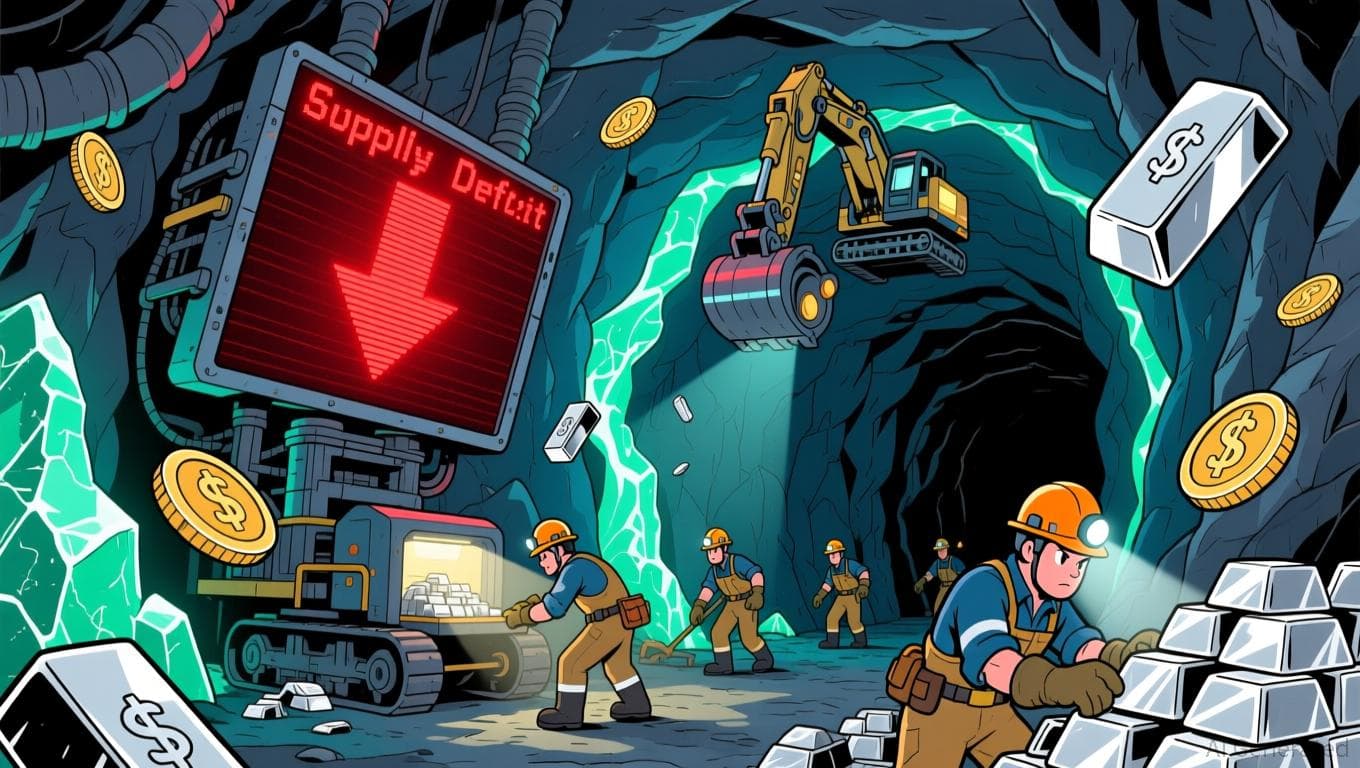
The year 2026 has cemented its place as one of the most turbulent periods in recent financial history, particularly for precious metals like gold. What was once considered a stable safe haven has morphed into a landscape marked by **unprecedented surges beyond $5,000**, with intraday spikes flirting near **$5,400**, driven by a complex interplay of geopolitical tensions, macroeconomic shocks, and covert policy signals. This environment has profoundly impacted **market microstructure**, **trader behavior**, and the **liquidity dynamics** that underpin gold's price formation. Recent developments continue to underscore how market participants are battling—sometimes desperately—to navigate these explosive moves, revealing new layers of risk and complexity.
---
## The Escalating Volatility in Gold Prices
In 2026, gold prices have exhibited **extreme swings**, fueled by a confluence of factors:
- **Geopolitical crises** and **inflation fears** have sparked rapid rallies, pushing prices past **$5,000** and causing intraday spikes close to **$5,400**.
- These sharp moves are amplified by **microstructure phenomena** such as **liquidity droughts**, **algorithmic trading cascades**, and **liquidity withdrawals**, which exacerbate volatility and complicate risk management.
Recent data from financial platforms confirm this heightened volatility. Futures contracts like **GC=F** and **GCJ26** have oscillated within a broad band—roughly **$5,100 to $5,200**—while attempts to break above critical technical levels often trigger swift reversals. During these episodes, traders face a **fog of order book churn**, **widened spreads**, and **liquidity gaps**, making execution challenging and increasing the risk of slippage.
---
## Trader Responses: Retail and Professional Strategies
### Retail Traders
Many retail traders, often unprepared for such extreme swings, are experiencing significant **pain and frustration**:
- **Whipsaws** and **rapid reversals** are now commonplace, frequently leaving novice traders liquidated or caught in losing positions.
- Popular platforms and YouTube channels, such as **"Live Day Trading 3/10/26 – GOLD Futures"**, vividly depict this chaos, illustrating traders struggling to adapt to relentless volatility.
- Traders rely heavily on **technical tools**—including **Elliott Wave analysis**, support zones around **$5,100–$5,200**, and resistance levels near **$5,400**—but microstructure issues like **liquidity droughts** diminish their effectiveness.
### Professional Traders
Institutional participants—hedge funds, large asset managers, and sophisticated traders—are adopting more strategic approaches:
- **Monitoring order book dynamics** closely to identify **liquidity stress points** and potential dislocation zones.
- Employing **technical analysis** around key resistance levels, especially **$5,286**, which has become a pivotal threshold.
- Paying heightened attention to **macro signals**, **geopolitical cues**, and **policy rumors**, notably whispers of **secret central bank revaluations of gold reserves**—a development that could dramatically alter market sentiment.
Recent analyses highlight that **breaking above $5,286** could trigger a **sustained rally toward $5,400**, but failure to hold above this level risks rapid retracements, especially amid microstructure fragility. The market remains sensitive to macroeconomic surprises, rate hike expectations, and geopolitical tensions.
---
## Microstructure Dynamics: Liquidity, Spreads, and Flash Crashes
The microstructure landscape during these explosive moves reveals **heightened fragility**:
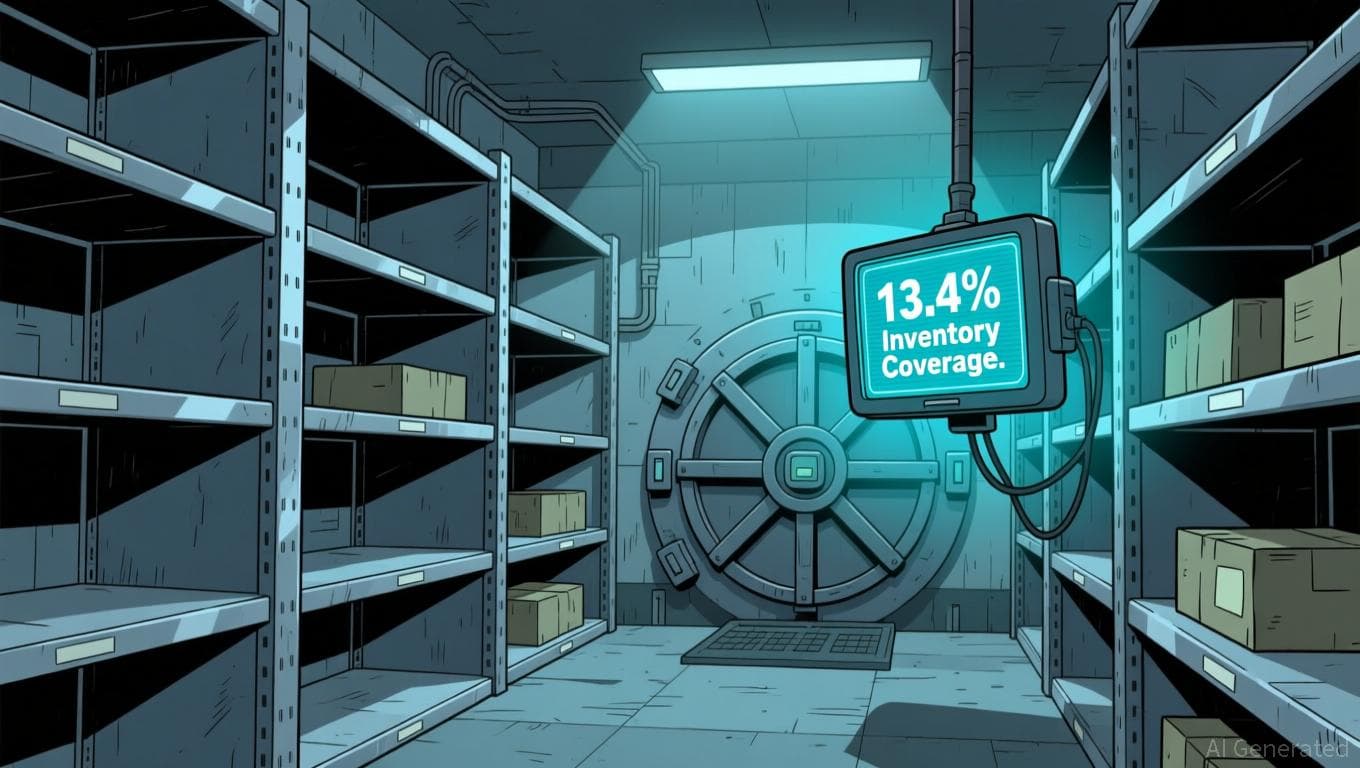
- **Liquidity droughts** are frequent, as market participants withdraw large orders or cancel bids and asks en masse, leading to **gaps** and **flash crashes**.
- **Order book churn**—the rapid placement and cancellation of orders—disrupts price discovery, resulting in **widened bid-ask spreads** and increased **slippage**.
- During volatile episodes, **bid-ask spreads** can widen multiple-fold, significantly raising trading costs and amplifying swings.
- **Algorithmic trading** exacerbates cascade effects—accelerating reversals and producing volatile **whipsaws** that challenge even seasoned traders.
Dealer reports consistently mention **tightening liquidity** and **rising premiums**, especially during surges, which distort futures spreads and heighten dislocation risks.
---
## Recent Market Developments and Their Significance
### Spot Gold and Dollar Dynamics
A **notable recent event** involved the spot gold price dipping below **$5,050** amid a **surge in the US dollar**. As reported, "Spot gold fell over 1% to under $5,050/oz on March," reflecting a **liquidity-driven correction** rather than a fundamental weakening. The key drivers included:
- A **strengthening dollar** amid macroeconomic shifts, such as rising interest rates and global dollar demand.
- A **temporary liquidity squeeze** in the futures market, prompting a wave of sell-offs.
### ETF Outflows and Liquidity Drain
A **striking development** has been the **outflow of over $4.2 billion** from gold ETFs, a phenomenon that has garnered attention from market commentators like Andy Schectman. He questions, **"Where did the gold go?"**, emphasizing:
- The large outflows signal a **massive liquidity drain** from the physical market.
- Much of this gold has likely been **redirected into derivatives**, other asset classes, or hoarded physically by central banks and large investors seeking safety amid turbulence.
### Futures Market Pressures
Futures markets are reacting to **shifting interest rate** and **inflation expectations**:
- April gold futures have recently tested support levels, moving toward the **50-day moving average** amid fears that **rising rates** will dampen gold's appeal.
- The tug-of-war continues: macro signals favoring rate hikes depress gold, while geopolitical risks and inflation fears support rallies.
### Market Commentary and Dealer Perspectives
Recent videos and dealer insights underscore the importance of **premium dynamics** and **liquidity conditions**:
- **Premiums** on physical gold have widened during surges, escalating trading costs and distorting futures spreads.
- Dealers report **tightening liquidity**, especially during sharp moves, which increases the likelihood of **dislocations** and **flash crashes**.
---
## The Safe-Haven Paradox and Central Bank Rumors
Traditionally, gold has been viewed as a **safe haven** during crises. Yet, 2026 has challenged this notion:
- Gold prices have **rallied despite dollar strength** at times, indicating a **liquidity flight** rather than genuine safe-haven demand.
- Conversely, during macro conditions favoring **interest rate hikes**, gold has sometimes declined even amid escalating geopolitical tensions.
A particularly **noteworthy rumor** involves **secret central bank revaluations of gold reserves**, with whispers of **$20,000 per ounce**. If true, this could:
- **Ignite massive speculative buying**.
- Prompt **central bank policy adjustments** around **gold-backed digital currencies**.
- Induce **sudden, sharp price shocks**, either upward or downward, depending on leaks or confirmations.
---
## Additional Insights: Dealer Dynamics and Premiums
Dealer commentary continues to highlight critical microstructure signals:
- **Premiums** on physical gold are spiking during surges, elevating costs for traders and influencing futures spreads.
- **Order book analyses** reveal **thin liquidity** at key thresholds, making markets susceptible to **dislocations**.
- **Video reports**, such as **"Major Bullion Dealer Told Me THIS About Silver Today!"**, stress that **microstructure signals**—like widening spreads and thinning order books—are vital for anticipating **volatility spikes**.
---
## Implications for Traders and Markets Moving Forward
In this highly volatile environment, market participants should:
- **Prioritize risk management**—employing tight stops, prudent sizing, and diversification.
- **Monitor real-time microstructure signals**, including **order book depth**, **spread widening**, and **premium shifts**.
- **Stay vigilant around key technical levels**, notably **$5,286**, which continues to serve as a critical resistance/support zone.
- **Follow macroeconomic and geopolitical developments**, especially rumors of **central bank revaluations** or policy shifts, which could precipitate **extreme moves**.
---
## Current Status and Outlook
As of now, gold remains **exceptionally volatile**, oscillating near **resistance levels** with **microstructure fragility** evident in liquidity and spread patterns. The recent events—spot gold dips, ETF outflows, and futures pressures—highlight the **fragile microstructure** underpinning these explosive moves.
The market is heavily influenced by **macro fears**, **geopolitical tensions**, and whispers of **covert policy maneuvers**. Traders and investors must remain **vigilant**, combining **technical analysis**, **microstructure monitoring**, and **macro insights** to navigate this landscape.
---
## Recent Developments and Key Risks
### The Fed Decision Risk
One critical upcoming event is the **Federal Reserve's decision scheduled for March 18**. As discussed in the video **"Gold Hits $5,100: The Fed's March 18 Decision That Could Break This Rally,"** the Fed's stance on interest rates could either **catalyze further rallies** or trigger **sharp corrections**, especially if hawkish signals cause a surge in the dollar and a flight from gold.
### Live Price and Chart Resources
For real-time tracking and analysis, traders are encouraged to consult **live gold and silver prices** and **historical price charts**, which provide essential context for microstructure shifts and trend developments.
---
## Final Thoughts
The explosive price movements of gold in 2026 underscore the **critical importance of understanding market microstructure** and maintaining **risk discipline**. The environment remains **highly unpredictable**, with tail risks capable of producing **unprecedented rallies or sharp corrections**.
Market participants must **stay alert to microstructure signals**, macroeconomic cues, and **rumors of policy shifts**, especially the potential for **central bank revaluations** or **secret policy maneuvers**. Successful navigation in this volatile landscape hinges on **adaptability**, **vigilance**, and **robust risk management**.
**In summary**, 2026's gold market exemplifies the profound impact of microstructure fragility amid explosive moves, reminding traders that **liquidity, spreads, and micro-level signals** are as vital as macro fundamentals in forecasting and risk mitigation.