# AI-Driven Crypto and FX Trading Goes Mainstream: The Latest Developments
The landscape of financial trading is undergoing a seismic shift as artificial intelligence (AI), machine learning (ML), and algorithmic strategies become the dominant force across cryptocurrency and foreign exchange markets. This transformation is no longer confined to niche quant desks or high-frequency trading firms; it is rapidly becoming a mainstream phenomenon, driven by innovative platforms, sophisticated analytics tools, and growing market adoption. Recent developments underscore how the convergence of technology, data, and user-friendly interfaces is democratizing access and redefining the roles of traders and institutions alike.
## Product Launches and Platform Innovations
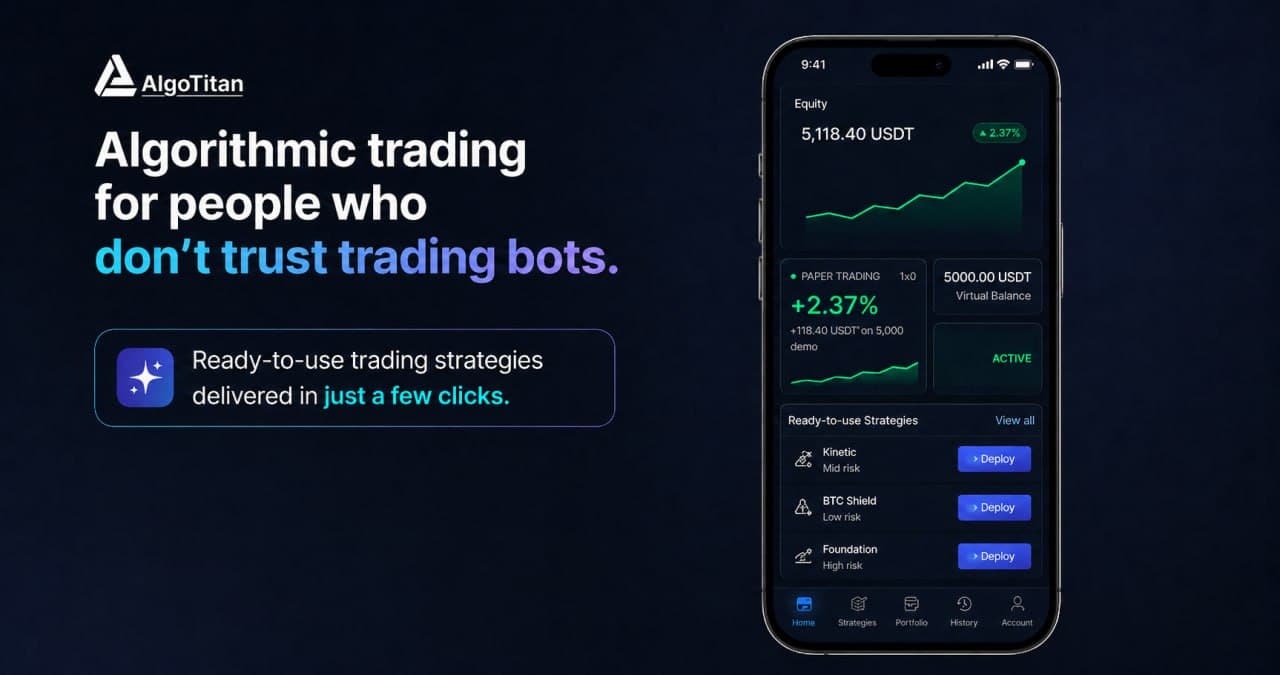
Leading exchanges and brokers such as **Gate.io** and **BitMEX** are integrating no-code AI bot platforms, enabling a broader audience to deploy automated strategies without deep programming expertise. These platforms often feature intuitive interfaces that allow traders to set parameters, select strategies, and supervise their AI agents with minimal technical friction. For example, **Gate** has recently expanded its ecosystem to include integrated AI-driven trading modules, emphasizing ease of use and accessibility.
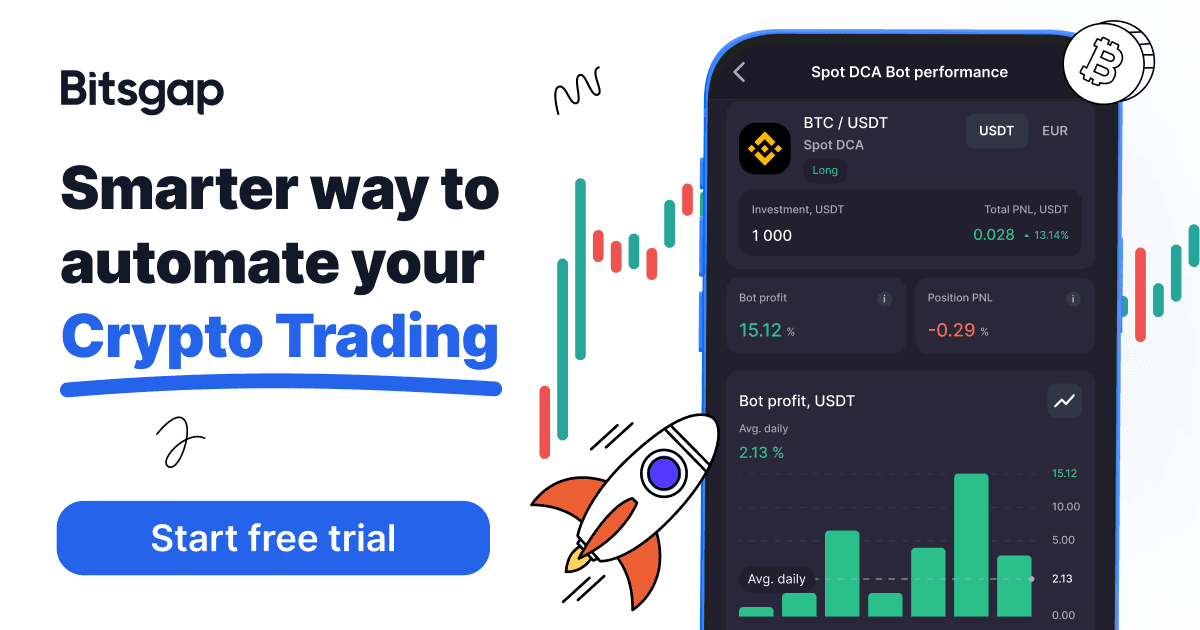
Specialist tools tailored for specific strategies—such as grid trading, arbitrage, futures, and dollar-cost averaging (DCA)—are now available as standalone or integrated solutions. These tools promise **24/7 execution**, backtested performance data, and real-time analytics, significantly lowering the barrier for retail traders to participate in sophisticated trading activities.
A notable practical implementation is showcased in the recent tutorial on **auto-arbitrage setups on futures markets using Arbitterminal**, a terminal designed explicitly for auto-arbitrage operations. The tutorial, titled "Как подключить Arbitterminal авто арбитраж на фьючерсах," provides step-by-step guidance on connecting and configuring the platform, highlighting how such tools enable seamless, continuous arbitrage opportunities that were previously accessible only to institutional players.
## Advances in Research and Analytics
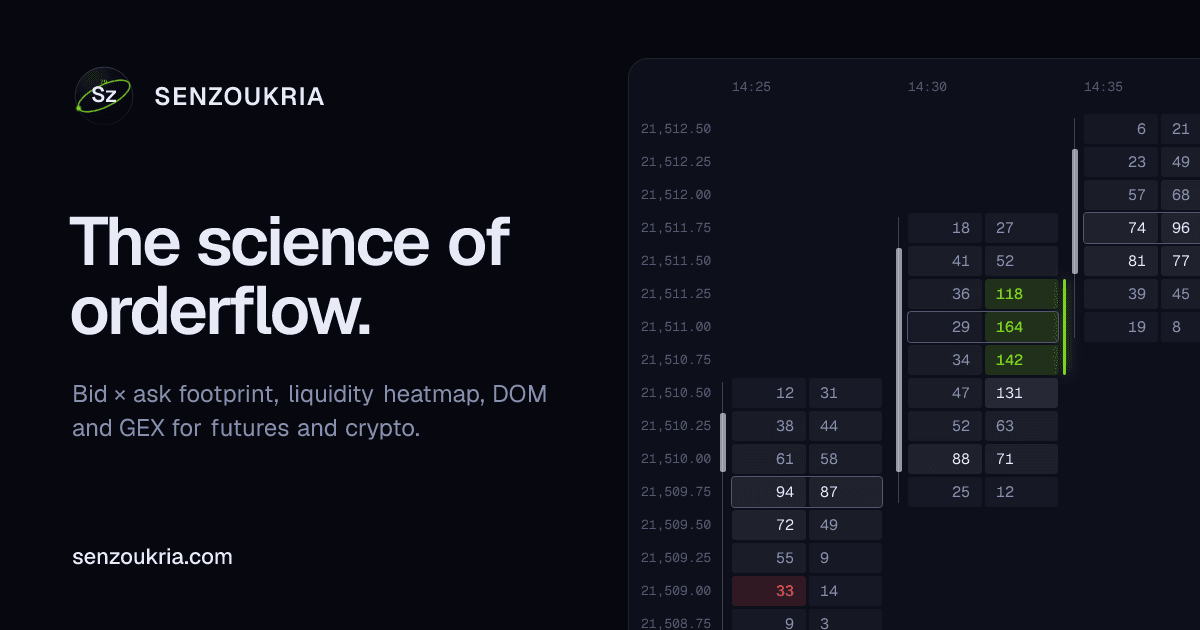
The integration of hybrid machine learning and high-frequency trading (HFT) research is sharpening the analytical edge. New on-chain signals, flow analytics, and real-time data feeds are narrowing the information gap between traditional quant desks and retail traders. For instance, the recent publication **"Quant vs. Retail: The Flow Numbers That Matter"** delves into how flow analysis reveals significant disparities and opportunities in market behavior, offering insights into when retail-driven flows amplify or counteract quant strategies.
Moreover, the use of on-chain data analytics has become more refined, allowing traders to identify patterns, detect large flow shifts, and predict market moves with greater confidence. These advancements are helping retail traders and smaller institutions make more informed decisions, effectively democratizing data that was once the exclusive domain of large funds.
## New Tooling and Skillset Evolution
The emergence of advanced analytics and optimization tools is transforming the human role in algorithmic trading. For example:
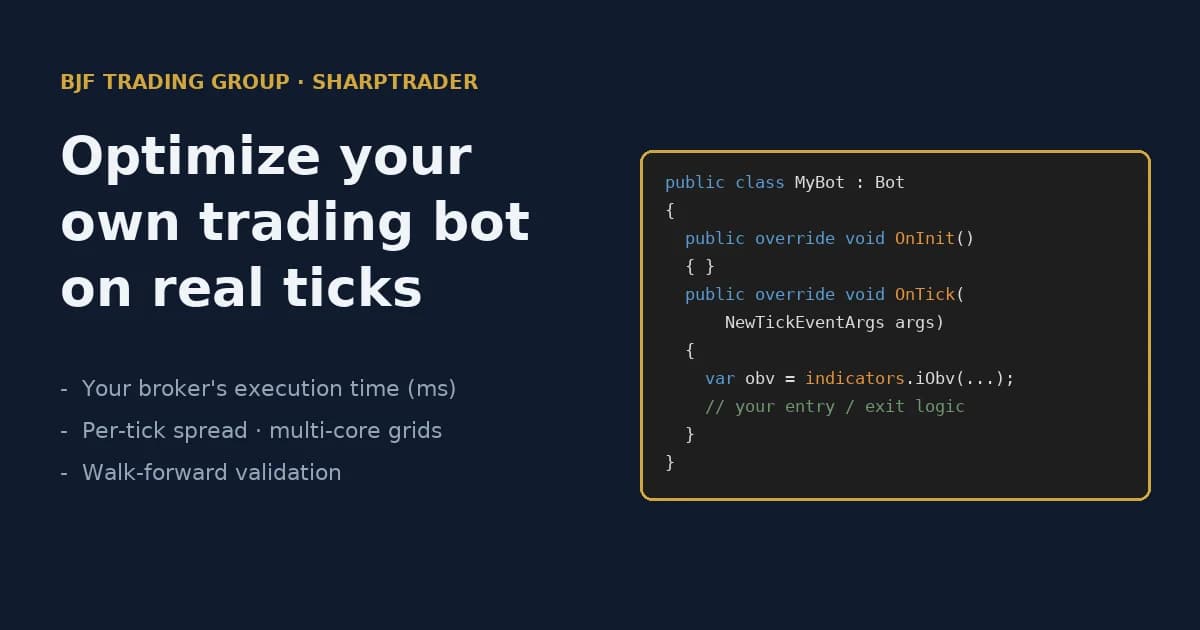
- **Nika Quant Analyzer**: A recent tool designed to eliminate guesswork in optimization results. Traders now can rely on comprehensive, data-driven parameter tuning rather than subjective trial-and-error, increasing confidence in deploying strategies. As noted in the **"Nika Quant Analyzer: Stop Guessing Your Optimization Results"** article, this platform offers precise, validated optimization outputs, reducing the risk of overfitting and improving overall strategy robustness.
- **Auto-arbitrage terminals** like **Arbitterminal** are providing traders with real-time, automated arbitrage execution capabilities—streamlining what was once a manual, labor-intensive process into a reliable, continuous operation.
Additionally, the rise of **DIY and no-code platforms** empowers traders and smaller firms to design, supervise, and validate AI agents without extensive programming skills. This democratization shifts the human role from manual execution to **strategy design, supervision, and validation**, emphasizing oversight and the selection of effective AI agents.
## Market Impact and Future Outlook
Market reports project **tens of billions of dollars in automated trading volume growth** over the coming years. The proliferation of AI-driven strategies is affecting liquidity, execution efficiency, and risk management practices across crypto and FX markets. As AI agents become more sophisticated, they can adapt to changing conditions in real time, reducing human error and emotional bias.
The latest developments—such as flow analysis, auto-arbitrage setups, and advanced optimization tools—are further accelerating this trend. Retail traders now have access to tools that were once exclusive to institutional players, pushing the entire market towards higher efficiency and complexity.
**Implications** include:
- Increased liquidity and tighter spreads due to continuous, algorithmic activity.
- Enhanced risk management through real-time analytics and adaptive strategies.
- A shifting skillset for traders, focusing on strategy design, supervision, and validation rather than manual trade placement.
## Conclusion
AI and algorithm-driven trading are firmly establishing themselves as the new norm in crypto and FX markets. The rapid deployment of accessible platforms, sophisticated analytics tools, and practical tutorials signals a future where automated strategies are ubiquitous. As these technologies evolve, market participants—retail and institutional alike—must adapt by honing their skills in strategy design, supervision, and validation. The era of manual trading is giving way to a landscape where intelligent agents, guided by human oversight, will shape the next chapter of financial markets.