The integration of artificial intelligence (AI) into dentistry continues to accelerate through 2027, fundamentally reshaping diagnostics, practice workflows, patient engagement, and strategic growth. This transformation is marked not only by enhanced clinical precision and operational automation but also by mounting challenges involving financial sustainability, workforce adaptation, regulatory compliance, and cybersecurity resilience. As dental organizations—especially large Dental Service Organizations (DSOs)—scale rapidly, the imperative to harmonize AI innovation with human expertise, governance frameworks, and patient-centered care has never been clearer.
---
### Multi-Modal AI Diagnostics: Driving Earlier, Personalized, and More Precise Care
AI-powered multi-modal platforms are now core to dental diagnostics, enabling earlier detection and more tailored treatment planning by synthesizing diverse data streams:
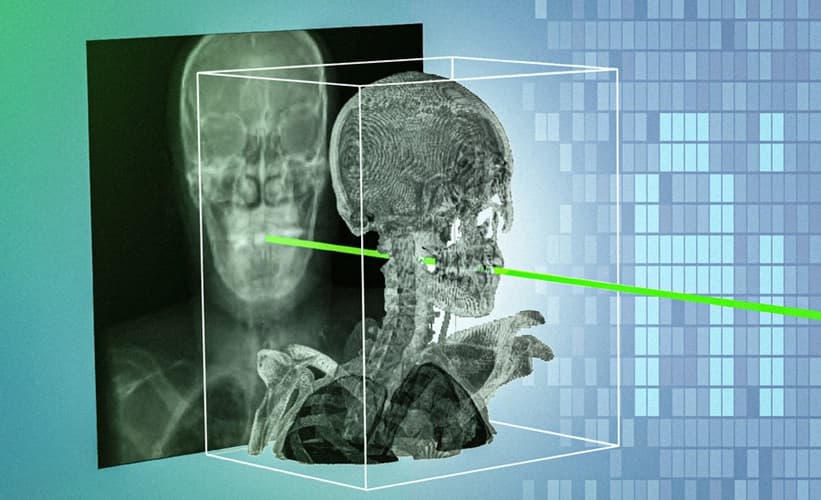
- **Carestream Dental’s CS 3D Imaging** exemplifies this trend by integrating cone-beam computed tomography (CBCT) with volumetric imaging and AI analytics. The latest iterations detect subtle bone defects, cystic lesions, and anatomical irregularities with unprecedented resolution, empowering clinicians to intervene earlier and customize restorative and surgical strategies.
- At scale, networks like **DECA Dental Group** utilize **Pearl Dental AI** for standardized diagnostics and quality assurance across multiple offices, illustrating AI's role as a “clinical force multiplier” that enhances consistency and operational excellence.
- Recent research published in *Progress in Orthodontics* highlights validated deep learning models capable of identifying orthodontically induced external apical root resorption on panoramic radiographs—a pathology previously challenging to detect—enabling timely clinical responses and improved orthodontic outcomes.
- The **British Dental Journal’s** coverage of “digital dentistry with advanced AI and seamless connectivity” further underscores how integrated AI diagnostics combined with interoperable platforms are setting new standards for comprehensive, connected oral healthcare.
These advances mark a paradigm shift toward **multi-dimensional AI diagnostic ecosystems** that integrate clinical, imaging, and patient data, resulting in highly personalized, proactive dental care.
---
### Operational and Financial Pressures Spotlight AI-Enabled Revenue Cycle Management Challenges
While AI streamlines clinical workflows, dental practices face growing operational and financial headwinds, particularly in revenue cycle management (RCM):
- Industry data reveals a troubling trend: **78% of dental practices report rising insurance claim denials and heightened payer scrutiny over the past year**. Current AI-driven RCM tools often struggle to adapt swiftly to complex, evolving payer policies and denial patterns.
- CFOs express significant concern. One senior financial officer remarked, “Watching dental organizations leave millions on the table due to suboptimal RCM workflows is my biggest professional worry.”
- To mitigate these risks, solutions like **IntelePeer’s SmartAgent Collections** deploy AI-powered autonomous billing follow-ups that blend assertive payment collection with empathetic patient engagement, safeguarding revenue without alienating patients.
- Hybrid workflows are increasingly common, where human adjudicators complement AI-driven automation to manage claim denials, ensuring compliance in a dynamic payer environment.
These trends underscore that **AI’s operational impact depends on adaptability and close integration with human expertise, especially to protect financial health amid payer complexity.**
---
### AI Workforce Tools and Hybrid Call Centers Revolutionize Practice Operations and Patient Access
AI’s operational scope is rapidly expanding beyond diagnostics into comprehensive practice automation and patient engagement:
- **Planet DDS’s launch of DentalOS™ AI Agents** represents a milestone “AI workforce” innovation that autonomously handles scheduling, recalls, patient communications, and front-office workflows. Early adopters report marked improvements in appointment adherence, reduced no-shows, and smoother administrative operations, enabling clinical staff to prioritize patient care.
- **Ortho Marketing** has grown its blended AI-human call center services, offering hybrid solutions that increase lead capture, expedite appointment booking, and ensure no patient inquiry goes unanswered—combining AI efficiency with human empathy and judgment.
- A recent strategic partnership between **Dental.com and Voicify** introduces 24/7 AI-enabled scheduling specifically tailored for DSOs, addressing growing patient demand for round-the-clock access and facilitating frictionless appointment booking.
Together, these advances illustrate how **AI workforce tools and hybrid call centers are transforming operational efficiency, improving patient access, and enhancing overall practice performance.**
---
### Marketing and Operational Alignment: AI as a Strategic Enabler for DSO Growth
As DSOs approach scale milestones approaching 100 offices, the complexity of AI-enabled marketing and patient acquisition intensifies, driving the need for tight operational alignment:
- Several DSOs are nearing the **100-office threshold**, signaling robust growth that demands sophisticated AI tools to synchronize marketing outreach with clinical and operational capacity.
- Ryan Torresan, Chief Marketing & Operations Officer at Mosaic Dental Collective, stresses:
> “Marketing without synchronized operations is costing DSOs millions. AI-driven outreach must be matched by operational readiness to convert patient interest into sustainable care journeys.”
- Platforms such as **DentalBase**, **PatientGain PLATINUM**, and **Aron** leverage AI for scalable patient engagement, automated review management, and targeted outreach campaigns. Their success, however, hinges on seamless integration with scheduling, clinical workflows, and billing to avoid bottlenecks and preserve patient satisfaction.
- DSOs utilizing **cross-functional AI dashboards** that unify marketing funnel metrics with operational and financial data report tangible reductions in appointment backlogs and no-show rates, fueling sustainable growth and improved patient experiences.
The emerging consensus positions AI as a **strategic enabler requiring executive leadership to bridge marketing, operations, and patient experience cohesively**—a theme reinforced by recent insights in *Becker’s Dental Review* on what will differentiate top dental groups over the next five years.
---
### Overcoming Clinical Adoption Barriers Through Explainability, Education, and Hybrid Decision Models
Despite AI’s growing role in treatment planning and diagnostics, clinician acceptance varies, posing a barrier to consistent adoption:
- Clinician willingness to accept or modify AI-generated recommendations is influenced by clinical experience, risk tolerance, and communication style.
- Experts advocate for **hybrid AI-human decision-making models** that combine AI’s data-driven insights with clinician judgment, supported by:
- Robust clinician education and training initiatives.
- Transparent explainability features that clarify AI reasoning.
- Shared decision-making frameworks involving patients to enhance trust.
- These approaches are essential to build clinician confidence, improve treatment consistency, respect human stewardship, and optimize patient outcomes.
---
### Heightened Legal, Ethical, and Cybersecurity Imperatives Demand Robust Governance
As AI’s role deepens, governance complexity, regulatory scrutiny, and cybersecurity risks escalate substantially:
- AI-enabled detection of systemic conditions such as severe sleep apnea from dental imaging introduces new liability exposures for clinicians who may misinterpret or neglect AI alerts.
- Regulatory agencies now mandate AI systems to maintain rigorous audit trails and exhibit agility in adapting to shifting legal and payer requirements.
- Alarmingly, **three major dental data breaches in 2026** exploited vulnerabilities in cloud-based AI platforms, highlighting urgent cybersecurity gaps.
- The inaugural **Dental Cyber Watch Live** conference emphasized cybersecurity as a core executive responsibility, advocating for comprehensive frameworks including:
- Proactive threat detection and monitoring.
- Continuous cyber hygiene training for all staff.
- Rapid incident response protocols.
- End-to-end encryption and HIPAA-compliant communication channels.
- Reflecting these imperatives, **Weave’s unified platform** now offers HIPAA-compliant text messaging and virtual receptionist services, enabling secure, privacy-preserving patient communication tightly integrated with practice management systems.
These developments confirm that **robust hybrid AI-human governance models fortified by stringent security protocols are vital to safeguarding patient data and mitigating legal risks.**
---
### Sustaining Patient Trust: Transparency, Bias Mitigation, and Clinician Stewardship Are Cornerstones
Amid rapid AI adoption, sustaining patient trust remains a foundational priority:
- Industry leaders emphasize that AI must **augment—not replace—clinician expertise**, with transparent patient communication about AI’s role, capabilities, and limitations.
- Ethical frameworks focusing on data privacy, bias mitigation, and accountability are critical to ensure equitable AI deployment.
- Prosthodontist and AI ethics advocate Dr. Amanda Liu highlights:
> “Transparency and clinician stewardship are non-negotiable. Patients must feel empowered and reassured that AI serves their best interests within a compassionate care framework.”
Hybrid care models that integrate AI’s efficiency with human empathy are emerging as the gold standard for trustworthy, scalable dental care.
---
### Data Partnerships and Interoperability: Foundations for Inclusive, Integrated AI Ecosystems
Strategic collaboration and interoperability remain essential for sustainable, equitable AI integration across dentistry:
- The ongoing partnership between **CareQuest Institute for Oral Health® and Innovaccer** exemplifies efforts to build comprehensive oral health data infrastructures that:
- Enable AI algorithms to leverage standardized multi-domain datasets encompassing clinical, social, and behavioral determinants.
- Support population health management and personalized care tailored to diverse communities.
- Promote inclusion by extending AI benefits to smaller practices and underserved populations alongside large DSOs.
- These alliances reinforce that **data interoperability and shared governance** are prerequisites for scalable, ethical, and equitable AI deployment.
- Insights from the *British Dental Journal* and practical marketing guidance from *DrBicuspid.com* further highlight the importance of digital connectivity and AI-assisted patient acquisition as competitive differentiators in the evolving dental landscape.
---
### Outlook: Harmonizing AI Innovation with Human Expertise to Deliver Resilient, Patient-Centered Oral Healthcare
Looking ahead, the trajectory for AI in dentistry is clear and compelling:
- **Multi-modal AI diagnostics** integrating 3D imaging, clinical data, and patient history will become standard tools for personalized, early interventions.
- Hybrid AI-human workflows will mitigate clinical variability, blending machine consistency with clinician insight and compassionate care.
- Operational AI platforms will synchronize marketing, scheduling, revenue management, and patient engagement—enabling diverse practice models, especially DSOs nearing 100-office scale, to thrive amid complex payer environments.
- Legal, ethical, and cybersecurity frameworks will evolve alongside AI innovation to protect patient data and limit liability.
- Transparency, ethics, and clinician stewardship will remain foundational to sustaining patient trust and optimizing outcomes.
Leading innovators—**Carestream Dental, Pearl Dental AI, DECA Dental Group, Overjet, DentalMonitoring, DEXIS, DentScribe, VideaHealth, Henry Schein One, 3Shape, Weave, IntelePeer, Aron, Nerovet, Zentist, and the CareQuest–Innovaccer partnership**—continue to drive this transformation through research, collaboration, and innovation.
The central challenge and opportunity lie in **harmonizing advanced AI capabilities with human expertise, operational alignment, and rigorous governance** to deliver dental care that is smarter, more efficient, compassionate, and resilient—ushering in a new era of oral health excellence and enhanced patient satisfaction worldwide.