# Battles Over Enforcement, Civil Liberties, and Civic Identity Reach New Heights in U.S. Immigration Policy
The ongoing clash over immigration enforcement in the United States has transformed into a defining ideological battlefield, exposing deep fissures about **who qualifies as American**, **what rights they are entitled to**, and **how far the state should go in policing and surveillance**. As technological innovations, legislative maneuvers, and political narratives intertwine, the nation faces critical questions: **Are enforcement measures expanding at the expense of civil liberties?** **Is inclusion being sacrificed for security?** The recent surge in surveillance, legal disputes, and grassroots resistance underscores a country grappling with its democratic ideals amid a shifting civic landscape.
---
## The Core Conflict: Enforcement Expansion vs. Civil Liberties and Inclusion
At the heart of this debate lies a stark dichotomy:
- **Pro-enforcement advocates** argue that **biometric identification**, **AI-driven detection systems**, and **detention policies** are **necessary tools** to **deter illegal crossings**, **combat trafficking**, and **secure borders**.
- Conversely, **civil rights groups and immigrant advocates** contend that such invasive technologies and aggressive policies **undermine privacy rights**, **due process**, and **the very notion of equal citizenship**, risking societal fracture and marginalization.
This tension has only intensified as enforcement agencies deploy **cutting-edge surveillance tools** and lawmakers push legislation that could **enable mass surveillance**, **racial profiling**, and **civil liberties erosion**.
---
## Key Developments Reshaping Enforcement and Surveillance
### 1. ICE’s Escalation of Biometric and AI Technologies
In recent months, **Immigration and Customs Enforcement (ICE)** has rapidly expanded its use of **facial recognition** and **biometric systems**. These technologies now operate **not only at borders** but within **interior communities**, workplaces, and public spaces—often without community consent or transparency. Civil liberties organizations have raised concerns about:
- **Mass surveillance infiltrating immigrant neighborhoods**, increasing fears of **data misuse**.
- The **risk of misidentification**, which can lead to **wrongful detention, deportation**, and **family separations**.
- The **chilling effect** on **activism**, **religious gatherings**, and **free speech**, as individuals fear constant monitoring.
### 2. Federal AI Integration and Enforcement Planning
A recent report titled **"AI Trends For 2026 - The Federal Government's Use and Regulation"** reveals that the Biden administration is actively working to **expand AI’s enforcement role**. Key initiatives include:
- **Automated border detection systems** designed to **identify illegal crossings swiftly**.
- **Predictive policing models** to **monitor social behaviors** and **preempt violations**.
- **Automated identification tools** used in **detention and deportation**, raising alarms over **racial biases**, **lack of transparency**, and **due process violations**.
Officials claim these tools **enhance efficiency**, but critics warn they **perpetuate racial profiling**, **invade privacy**, and **operate with limited oversight**.
### 3. Congressional Oversight, Corporate Data-Sharing, and Civil Litigation
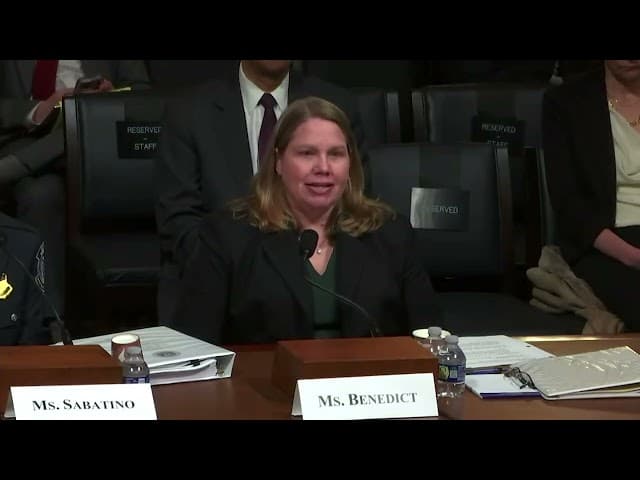
Upcoming congressional hearings—featuring testimonies from ICE officials like **Director Todd Lyons**—are expected to scrutinize enforcement practices, especially regarding **biometric and AI surveillance**. Key questions include:
- How are **privacy protections** enforced?
- What **safeguards** exist to **ensure due process**?
- To what extent are **private corporations**, such as **Verizon**, involved in **facilitating government surveillance**?
Recent investigations suggest telecom firms may have **shared data** or enabled government access to sensitive information, prompting lawmakers and civil liberties advocates to **prepare lawsuits** over **data misuse**, **lack of informed consent**, and **racial profiling**.
### 4. Trump-Era Citizenship Revocations and Political Manipulation
Adding to the turmoil, recent reports highlight that the **Trump administration** significantly expanded efforts to **revoke U.S. citizenship** from naturalized citizens suspected of fraud or misrepresentation. Many of these revocations **proceed without sufficient due process**, fueling fears of **racial bias** and **politicized actions**. A widely circulated video (2:14 minutes, over 129,000 views) documents cases where immigration authorities **target individuals based on racial or political profiling**—deepening concerns about **the politicization of citizenship**.
### 5. Federal Crackdown on Sanctuary Jurisdictions and Local Resistance
The federal government continues efforts to weaken **sanctuary cities**—municipalities that limit cooperation with federal immigration enforcement. Strategies include:
- **Withholding federal funds** or **imposing penalties** on jurisdictions restricting ICE activity.
- States like **Georgia**, **Florida**, and **Texas** passing laws to **curtail local cooperation** or **expand enforcement powers**.
In response, **local governments** are resisting:
- In **Arizona**, legislation proposes **jailing individuals who warn communities about ICE presence**, criminalizing community members seeking to **protect others**.
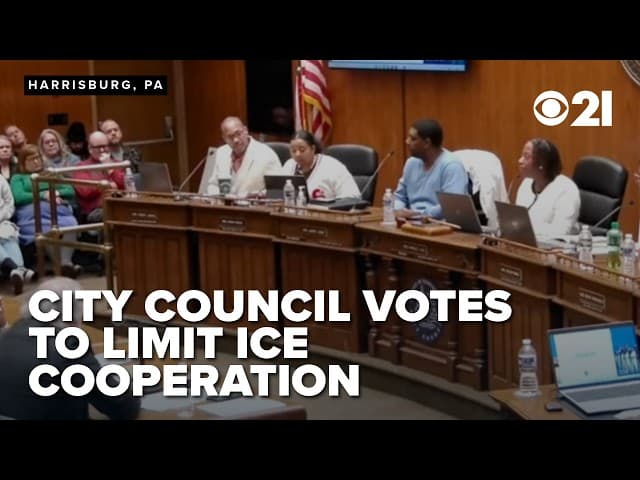
- The city of **Harrisburg, Pennsylvania**, recently **voted to limit city resources in assisting ICE**, a move captured in a short video titled **"Harrisburg city council votes to pass bill limiting city resources in assisting ICE"** (2:42 minutes, 26 views, 1 like). This measure aims to **protect community trust and civil liberties** amid federal pressure.
- Many local officials are **drafting policies** to **restrict detention operations**, **protect immigrant communities**, and **oppose federal overreach**.
- Some jurisdictions are **criminalizing efforts** to **inform or assist immigrants regarding ICE activity**, further polarizing the debate.
### 6. Community Impact and Grassroots Resistance
In **Minnesota**, community leaders and mayors have detailed **ICE surge operations' human toll**, including **family separations** and **community disruptions**. A recent video titled **"Minnesota mayors detail ICE surge impacts, recovery plan"** (22:18 minutes, 2,840 views, 73 likes) underscores:
- The **emotional and social fallout** from enforcement policies.
- The **call for recovery strategies** such as **mental health support**, **legal aid**, and **community resilience initiatives**.
- An **increasing grassroots movement** demanding **greater oversight** and **protections for immigrant communities**.
---
## Newly Added Critical Developments
### 7. Legal Challenges Over Federal Use of Force at Portland ICE Facility
Recently, civil rights groups filed lawsuits against **federal officers** involved in **use of force during protests** at an ICE facility in Portland. These cases highlight **civil liberties violations** and **federal accountability concerns**, emphasizing ongoing **tensions between enforcement tactics and civil rights** amid public dissent.
### 8. Trump Administration’s Expanded ICE Powers
A short video titled **"Trump expands ICE abilities"** (43 seconds, 2,401 views, 35 likes) underscores how the Department of Homeland Security **widened ICE’s operational capacity**—including **increased detention capacity** and **broader enforcement authority**. Critics argue this intensifies enforcement **at the expense of due process**, further entrenching **racial biases** and **civil liberties violations**.
### 9. State-Level Responses: Voting Laws and Federal Resistance
States like **Kansas** have enacted **voting laws requiring proof of citizenship**, disproportionately affecting immigrant communities and marginalized voters. These measures exemplify **resistance to federal restrictions** and highlight the ongoing **clash between state sovereignty and federal authority** over civic participation rights.
---
## Political Framing and Public Discourse
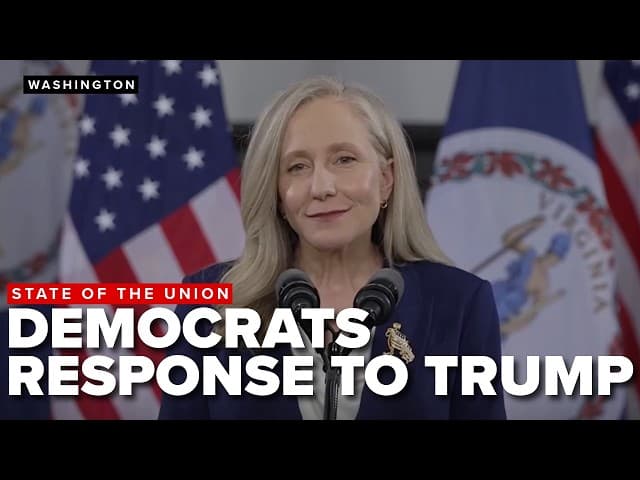
The Biden administration’s **State of the Union address** emphasized that **"The State of the Union is strong because our border is SECURE,"** framing enforcement measures as essential for **national security**. This messaging **justifies expanded enforcement powers** and influences legislative priorities, often emphasizing **security over civil liberties**.
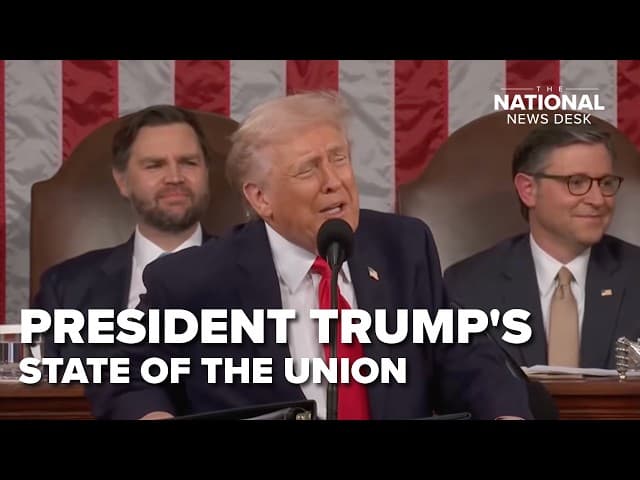
Contrastingly, **Trump’s recent State of the Union**, showcased in a video titled **"Trump hammers immigration, economy and airs grievances in State of the Union"** (3:56 minutes), focused on **border security**, **immigration control**, and **economic concerns**.
Meanwhile, **grassroots protests** such as **"LIVE: People's State of the Union rally on the National Mall"** (1:04:30, over 6,000 views) exemplify public opposition, advocating themes of **inclusion**, **justice**, and **community resilience**—challenging enforcement-centric narratives.
### Recent Political Endorsements
In a notable development, **Senator John Thune** has publicly praised **Trump’s SOTU address**, taking a victory lap for **GOP’s legislative achievements**. A video titled **"John Thune Praises Trump's SOTU Address, Takes Victory Lap Of GOP's Legislative Achievements"** (5:00, 809 views, 20 likes) captures his remarks, signaling party unity around a tough-on-immigration stance and enforcement policies.
---
## Near-Term Outlook: What Lies Ahead?
Looking forward, several key developments are anticipated:
- **Congressional hearings and investigations** into **enforcement practices**, **AI regulation**, and **corporate data-sharing**.
- **Legal battles** over **mass surveillance**, **use of force** at ICE facilities, and **racial profiling**.
- **Clashes between federal and local authorities** over **sanctuary policies** and **voting rights**.
- **Continued grassroots mobilization** demanding **oversight**, **transparency**, and **protections** for immigrant communities.
These dynamics threaten to redefine **civil liberties**, **democratic accountability**, and **civic identity** in America. The persistent question remains: **"Who counts as American?"** As enforcement intensifies, often justified through security rhetoric, marginalized communities risk further exclusion, risking a nation divided along lines of race, class, and civic recognition.
---
## Current Status and Broader Implications
The escalation of enforcement measures, coupled with technological proliferation and political polarization, marks a **pivotal moment** for the country. The choices made now will influence whether **America upholds its ideals of justice and inclusion** or **slides toward authoritarian surveillance and exclusion**.
Community resistance, legal challenges, and legislative debates are shaping the future of **civil liberties and civic identity**. Ensuring **security does not come at the expense of fundamental rights** is the overarching challenge—one that will determine whether the nation remains committed to **inclusion and justice** or drifts into **repression and marginalization**.
The **public discourse** continues to be polarized: while officials emphasize **border security as foundational to national strength**, grassroots movements advocate for **compassion, transparency**, and **civil rights protections**. As a result, the **battle over enforcement and who belongs** is poised to intensify, making this a defining moment in the ongoing evolution of American democracy.