NASCAR’s 2026 season continues to unfold as one of the sport’s most dynamic eras, driven by a far-reaching rule shake-up that is redefining playoff competition, race strategy, officiating standards, and fan engagement. Building on the foundational return of the 10-race Chase playoff format and the dramatic Bowman Gray Cook Out Clash, recent developments—including rookie breakthroughs, expanded driver schedules, and procedural refinements ahead of Daytona qualifying—have further intensified the stakes and complexity of the championship chase. Together, these updates highlight NASCAR’s ongoing balancing act: honoring its rich heritage while embracing the demands of modern motorsport innovation and operational rigor.
---
### Playoff Format and Strategic Adaptation: Embracing Consistency Over a Lengthened Chase
The reinstated **10-race Chase playoff system** remains central to NASCAR’s 2026 overhaul, challenging teams and drivers to excel not just in isolated moments but across an extended and grueling postseason. This format:
- **Prioritizes consistent points accumulation** over the entire 10-race stretch, compelling teams to calibrate aggression with measured reliability.
- Requires exceptional **mental and physical endurance**, as the longer schedule tests driver focus, crew coordination, and strategic flexibility.
- Continues to divide opinion within the sport: veterans like **Kyle Busch** warn that rising complexity could alienate casual fans, while younger talents such as **Carson Hocevar** embrace the strategic depth as vital to NASCAR’s evolution and sustained excitement.
As the playoffs progress, the format serves as a proving ground for NASCAR’s ambition to deliver a championship narrative that is **both tactically rich and broadly engaging**, reflecting a sport in transition.
---
### Bowman Gray Cook Out Clash: Weather Chaos, Rookie Breakthroughs, and Emotional Resonance
The Bowman Gray Cook Out Clash stood out as a microcosm of the 2026 season’s unpredictability and intensity:
- A **historic snowstorm and persistent sleet** forced an unprecedented midweek rescheduling, spotlighting NASCAR’s evolving contingency protocols and operational resilience.
- Despite challenging conditions, **Kyle Larson secured pole position**, reinforcing Hendrick Motorsports’ qualifying prowess.
- The race was marked by **multiple cautions and a major multi-car wreck** initiated by Ross Chastain, which involved notable drivers including Bubba Wallace. Wallace’s candid post-race reflection, *“We’re just awful,”* underscored the immense pressure and volatility of short-track playoff racing.
- Amid the turmoil, **Ryan Preece claimed his first NASCAR Cup Series victory**, a career-defining moment that energized fans and injected fresh narrative momentum into the playoffs.
- Rookie **Connor Zilisch** delivered a standout performance in his first major Cup event, impressing teams and analysts alike. In a detailed breakdown of his Bowman Gray experience, Zilisch highlighted the steep learning curve and the thrill of competing under such intense conditions, signaling the arrival of new talent ready to challenge established contenders.
- **Denny Hamlin’s fifth-place finish**, coming on the heels of his $300 million lawsuit settlement, demonstrated remarkable resilience and focus amid personal and professional upheaval.
- The event drew polarized reactions: **Chase Briscoe** lamented a pivotal incident that derailed his race, while NASCAR legend **Jeremy Mayfield** criticized the event’s chaotic nature as “Million-Dollar Bumper Cars,” reflecting concerns about costly race disruptions.
- In defense of NASCAR’s decisions under difficult weather conditions, **Dale Earnhardt Jr.** stressed the primacy of safety and race integrity, emphasizing the sport’s commitment to balancing excitement with responsibility.
Bowman Gray thus encapsulated the tension between **thrilling unpredictability and the operational demands of a modern playoff series**, setting the tone for the season’s unfolding drama.
---
### Procedural Updates Before Daytona Qualifying: Tightened Rules and Fan Pushback
As the Daytona 500 qualifying sessions approached, NASCAR enacted significant procedural changes aimed at enhancing fairness and technical clarity:
- A **major rule update announced just days before qualifying** banned drivers from using their hands near the window net to manipulate airflow, a tactic previously exploited to gain aerodynamic advantage during qualifying runs. This “qualifying air-direction rule” was swiftly codified in the NASCAR Rule Book, underscoring the sport’s resolve to eliminate artificial performance aids.
- The rule shift sparked debate among teams and drivers, with some praising the move for leveling the playing field, while others expressed concern about adapting to the new enforcement.
- Concurrently, rumors of proposed **superspeedway stage format adjustments**—including stage length tweaks and altered points allocation—spurred vocal fan backlash. Despite NASCAR official Elton Sawyer’s assurances that no immediate changes are planned, the controversy highlights the sensitivity surrounding any alteration of traditional race structures and fan expectations.
These developments illustrate NASCAR’s **agility in refining technical and procedural elements midseason**, even as it navigates the delicate balance between innovation and tradition.
---
### Tactical and Operational Shifts: Crew Chief Moves, Rookie Integration, and Equipment Enhancements
The 2026 season’s strategic landscape remains highly fluid, shaped by personnel changes, rookie promotions, and technical innovations:
- Hendrick Motorsports’ crew chief **Cliff Daniels** characterized the current environment as a *“battle on two fronts”*—managing strict technical regulations alongside the relentless pressure of the playoffs.
- Across the paddock, **crew chief swaps and leadership realignments** have increased the tactical complexity, requiring teams to be highly adaptable in their strategic approaches.
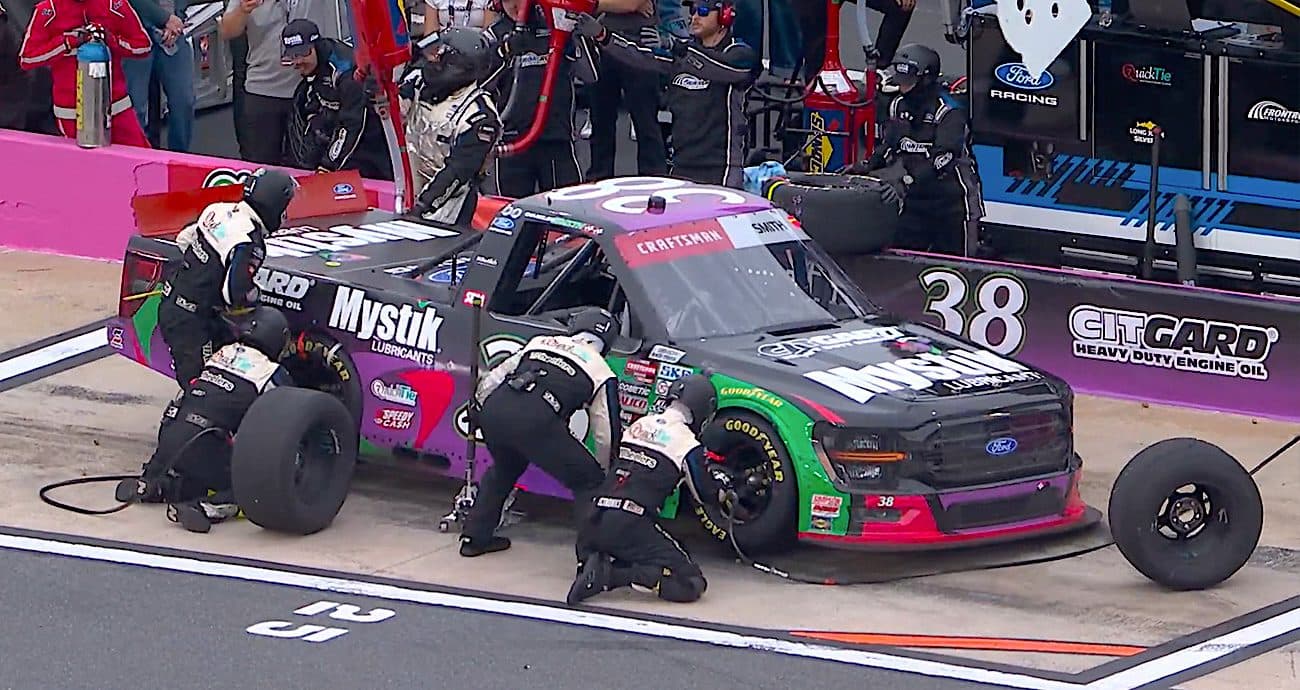
- The promotion of emerging drivers like **Connor Zilisch**, whose strong Bowman Gray debut has raised expectations, and 2025 Truck Series champion **Zane Smith**, signals NASCAR’s commitment to infusing the Cup Series with fresh talent.
- Notably, **Corey Heim is expanding his Cup Series schedule with 23XI Racing in 2026**, adding several additional races to his campaign and intensifying the competitive field. Heim’s expanded role reflects teams’ strategies to blend rookie development with playoff contention.
- NASCAR has mandated **immediate post-race inspections at all playoff events**, reinforcing a zero-tolerance policy on technical infractions and underscoring the importance of competitive integrity.
- The Bowman Gray weather challenges accelerated refinement of NASCAR’s **contingency protocols and communication strategies**, enhancing preparedness for future disruptions.
- On the equipment front, **Goodyear’s new left-side tire designed specifically for short-track conditions** demonstrated improved durability and performance in adverse weather, contributing to safer and more reliable racing outcomes.
Collectively, these tactical and operational shifts underscore a sport increasingly defined by **precision, adaptability, and technological progress**.
---
### Legal, Financial, and Governance Developments: Charter Settlement and Contract Dynamics
Off-track legal and financial matters continue to shape the competitive environment:
- The resolution of the **long-standing NASCAR charter lawsuit** has provided critical clarity regarding team ownership, sponsorship rights, and commercial stability, allowing teams to refocus on competition without lingering uncertainty.
- **Denny Hamlin’s $300 million lawsuit settlement** adds a compelling personal dimension to his season, as he balances optimism about NASCAR’s evolving format with the residual challenges of high-profile litigation.
- Debate continues over NASCAR’s **increased horsepower package**, with critics asserting it favors well-funded teams and threatens competitive parity.
- Over 20 driver contracts—including several Hendrick Motorsports stars—are approaching expiration, creating a tense interplay between the immediate pursuit of playoff success and longer-term team-building and financial strategies.
- Hendrick Motorsports’ management of **Chase Elliott’s recent resurgence** exemplifies this dynamic, as contract negotiations and performance expectations converge in a high-pressure environment.
These governance and financial currents highlight the **complex ecosystem underpinning NASCAR’s competitive framework**, influencing decisions far beyond the racetrack.
---
### Media, Fan, and Stakeholder Perspectives: Navigating Sophistication and Tradition
The 2026 NASCAR overhaul has sparked robust discussion among analysts, media, and fans, reflecting the sport’s evolving identity:
- Experts laud the **intellectual rigor and data-driven tactics** deployed by teams like Hendrick Motorsports, emphasizing these as crucial to championship success.
- Veteran voices such as **Jeff Gordon** caution against excessive complexity that might alienate casual fans, urging NASCAR to preserve the sport’s accessibility and visceral excitement.
- Fan reactions remain divided: some embrace the enhanced fairness and strategic depth, while others mourn the loss of NASCAR’s traditional rawness and straightforward storytelling.
- Contrasting insights from drivers like **Kyle Busch** and **Carson Hocevar** enrich the discourse, helping NASCAR calibrate its approach to evolving fan expectations.
- Media productions, including popular features like *Making My NASCAR Chase Predictions (In Order) | 2026 Edition*, have become influential in shaping fan anticipation, betting markets, and championship narratives.
This ongoing dialogue underscores the challenge and opportunity in **integrating innovation without sacrificing the core elements that define NASCAR’s passionate fan base**.
---
### Current Status and Outlook: A Season Defined by Strategic Depth and Human Drama
As the 2026 playoffs advance, NASCAR is solidifying a championship environment marked by:
- The **reinstated 10-race Chase emphasizing consistent execution, mental stamina, and tactical agility**.
- The return of historic venues like Charlotte, reaffirming NASCAR’s heritage within a modern, diverse schedule.
- The infusion of young talent and frequent crew chief realignments, amplifying unpredictability and strategic intrigue.
- Elevated officiating standards, refined weather contingency protocols, and equipment innovations enhancing operational robustness.
- Complex legal and financial backdrops influencing team and driver decisions beyond the track.
- Compelling human stories—from Ryan Preece’s breakthrough win and Denny Hamlin’s resilient comeback to Chase Elliott’s resurgence—that continue to captivate the NASCAR community.
- An engaged media and fan ecosystem negotiating the sport’s cerebral evolution while striving to preserve its thrilling essence.
---
**In conclusion**, the 2026 NASCAR season stands as a sophisticated fusion of **heritage and innovation**, forging a competitive landscape grounded in **strategic depth, operational agility, and uncompromising integrity**. As drivers, teams, officials, and fans collectively navigate the critical stages ahead, NASCAR is poised to enter an era that is simultaneously more cerebral and electrifying—preserving the sport’s exhilarating spirit while embracing the complexities of modern motorsport.