7h ago
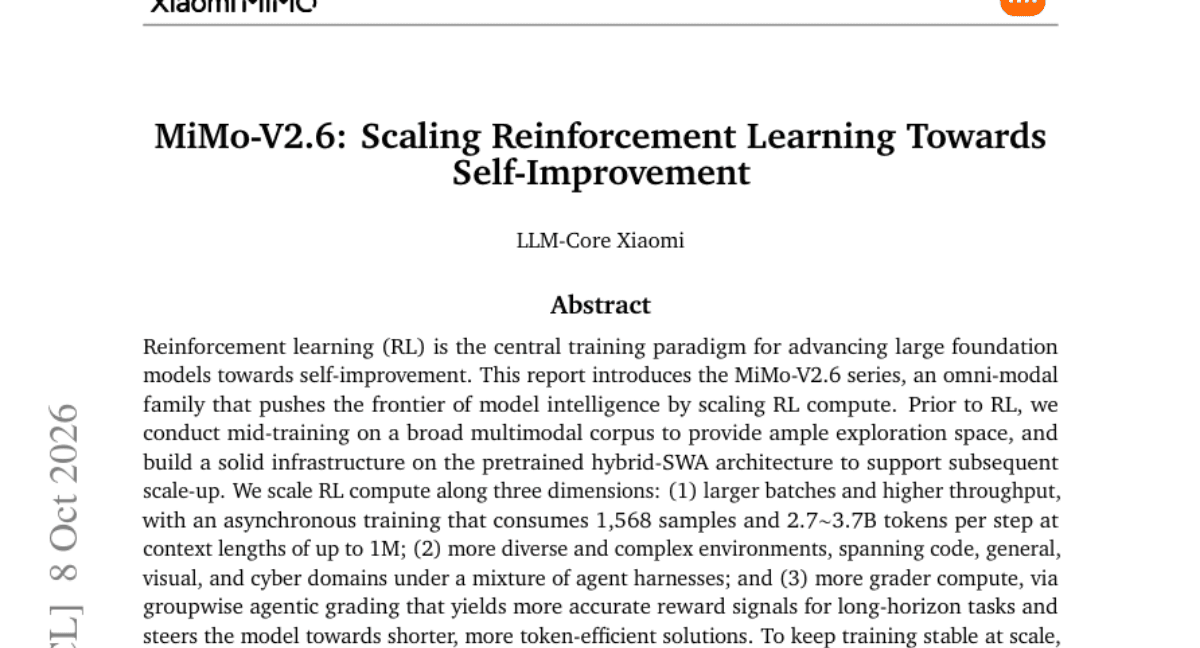
MiMo-V2.6 Scales RL Compute Toward Self-Improvement
MiMo-V2.6 advances omni-modal models by scaling RL after mid-training on a broad multimodal corpus.
- Three scaling dimensions: async training with...

Created by Sherry Lindsley
Curated daily applied AI research papers on vision, language models, agents, and robotics
Explore the latest content tracked by Applied AI Daily Digest
MiMo-V2.6 advances omni-modal models by scaling RL after mid-training on a broad multimodal corpus.
Can discrete diffusion models supplant autoregressive architectures as the foundation for multimodal systems?
AI coding agents drive 30% more lines of code and 23% more pull requests, yet produce no measurable gain in software output as human review time...
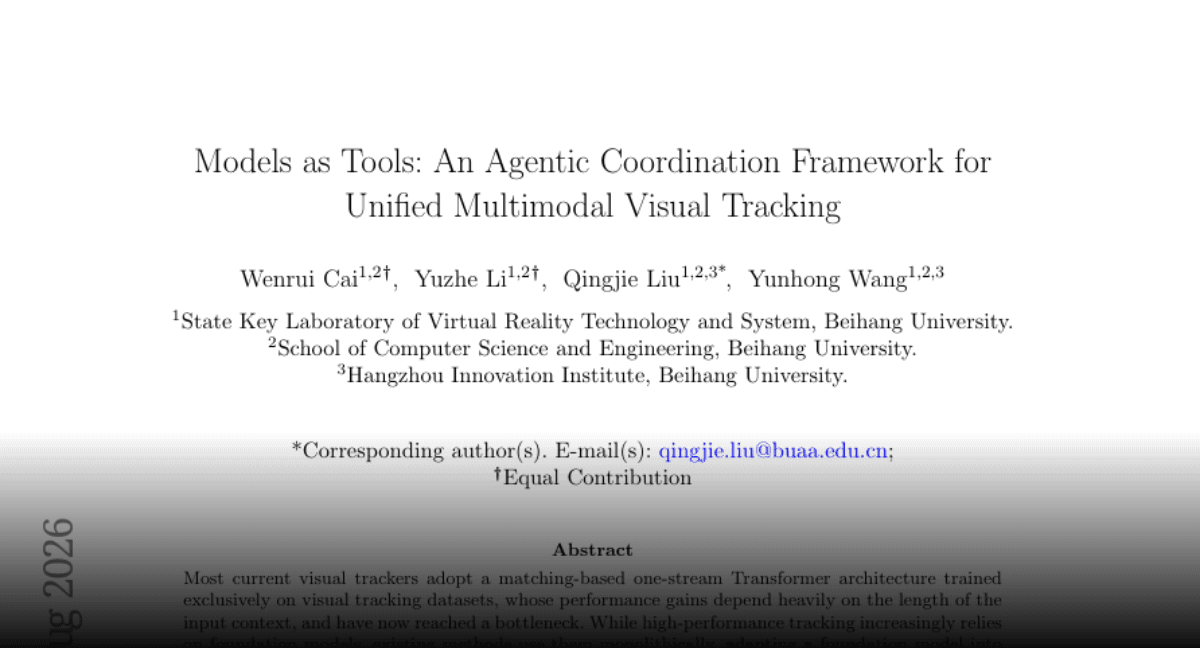
ACTrack treats heterogeneous foundation models as invocable tools under an event-triggered mechanism, coordinating instance matching, motion priors,...
Perplexity's pplx-embed-v2-late uses ColBERT-style late interaction to boost multimodal retrieval quality across text, images, and PDFs in a shared...
AI health guidance offers plain-language access yet produces invisible risks because inaccurate outputs leave no external records, block user...
Fast-to-verify versus slow-to-verify is the right distinction for understanding model jaggedness, not verifiable versus non-verifiable. Long-term...
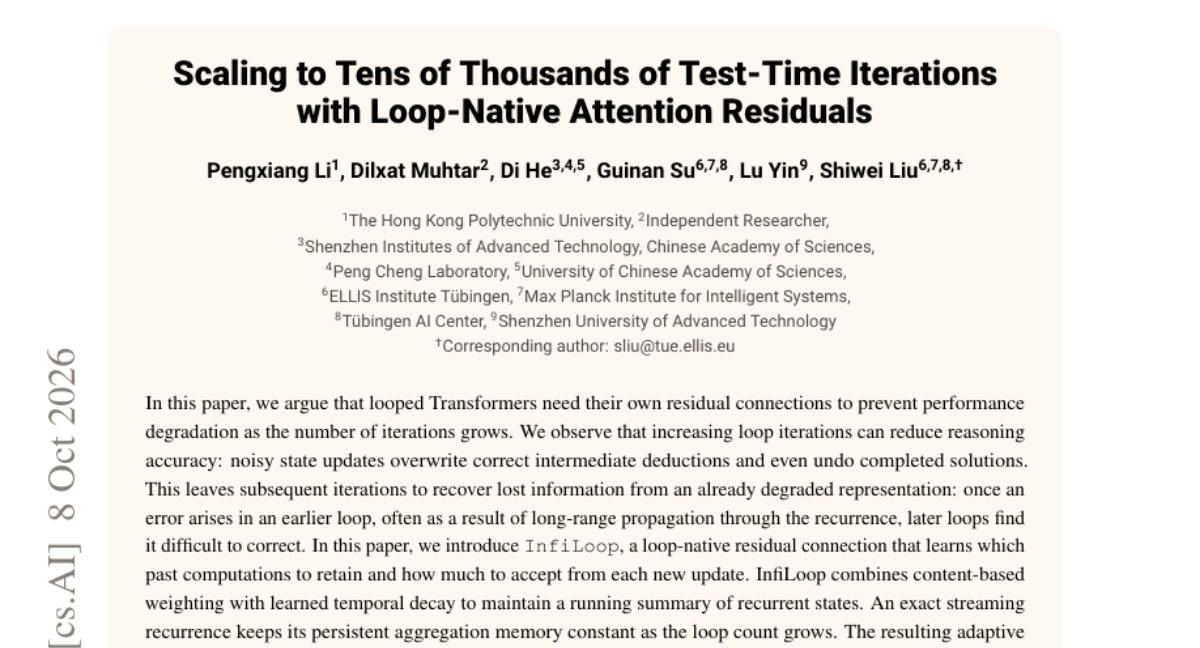
Increasing loop iterations in Transformers often reduces accuracy because noisy updates overwrite correct intermediate deductions.
Errors arising...
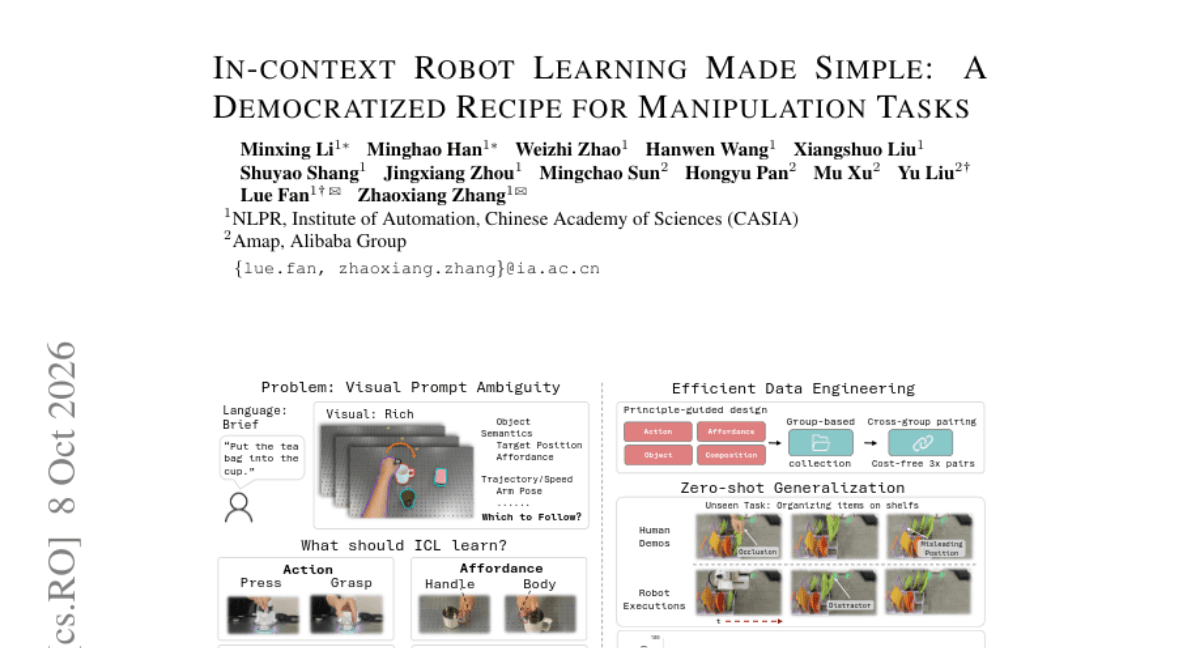
SimpleICL delivers a minimalist framework that lets robots infer and execute manipulation tasks directly from visual demonstrations at test time. By...
Can medical AI learn to order tests like a clinician—buying more evidence only when its value justifies the cost?
ActiveMedAgent trains a lightweight...
How can the math community verify AI-generated proofs released at this scale?
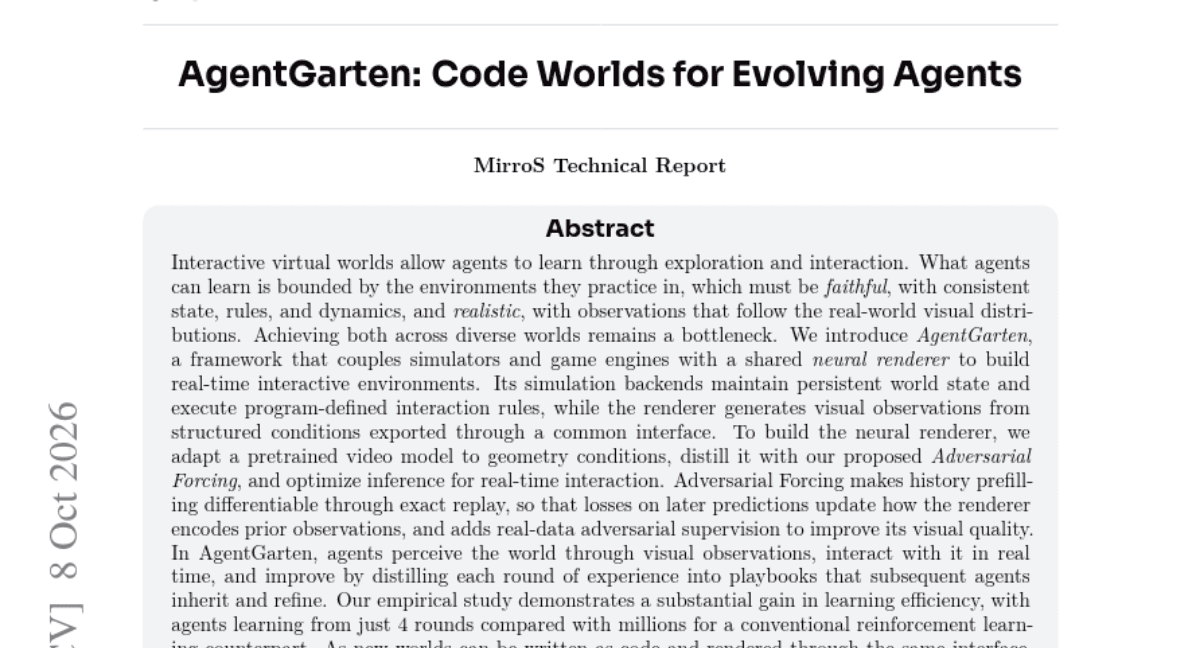
Three papers reveal a clear shift toward executable world models that deliver faithful, scalable interaction without rebuilding full simulators.
-...
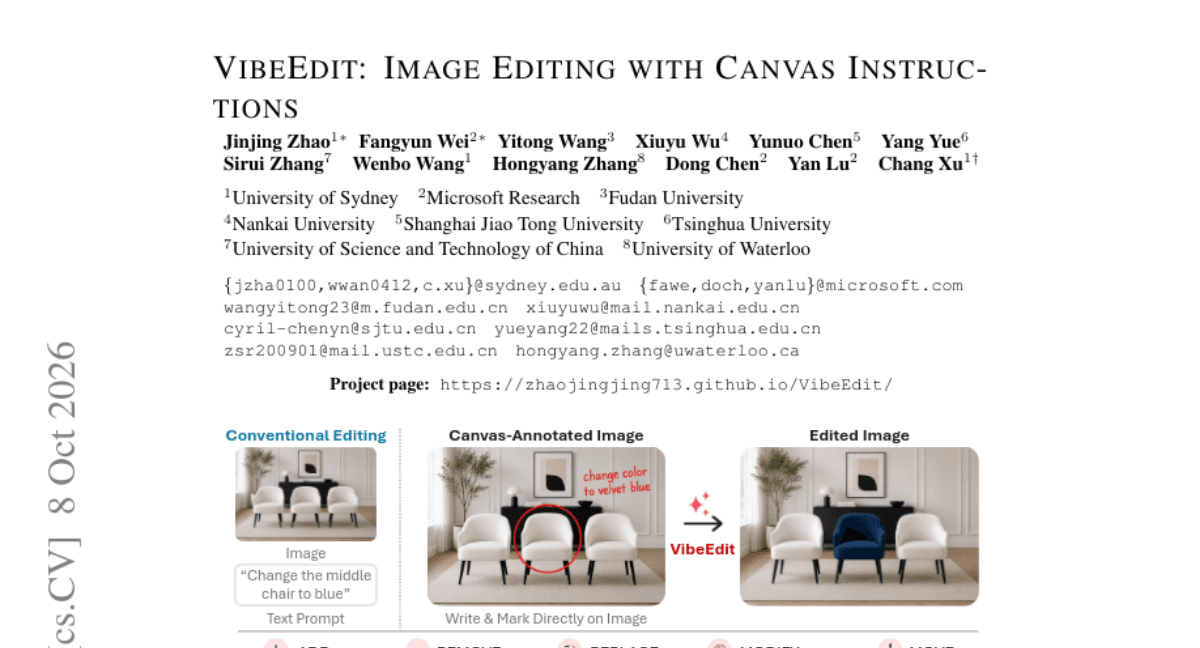
VibeEdit lets users place spatial marks and short notes directly on images to specify edits like object addition, removal, or movement, eliminating...
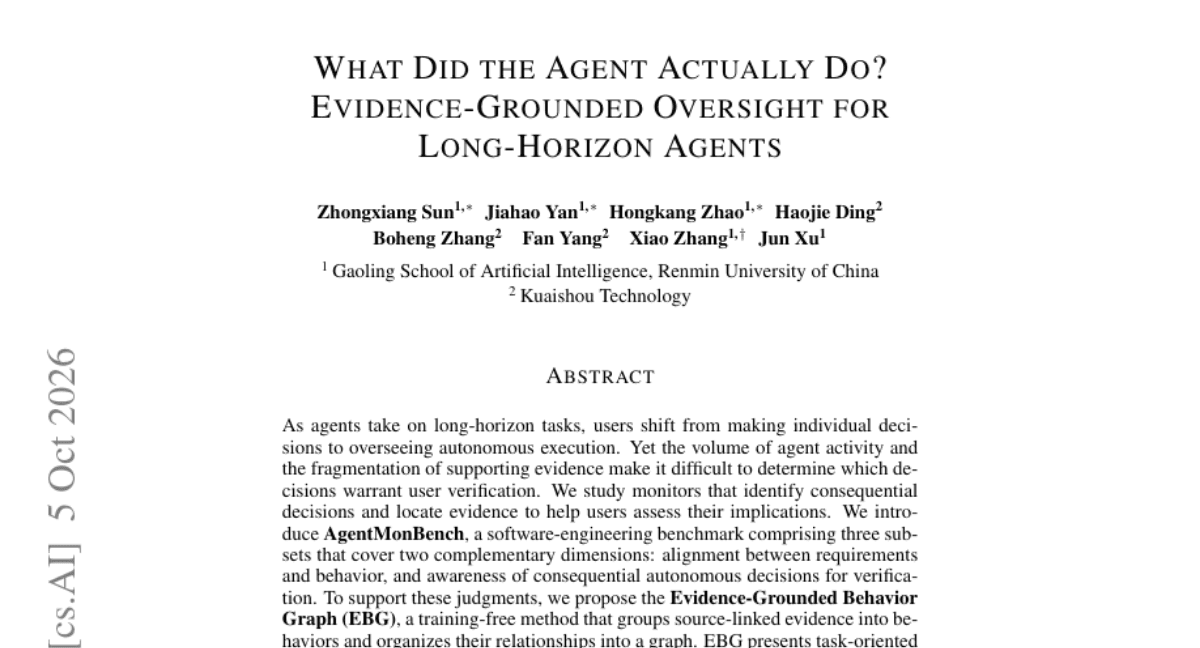
As agents handle long-horizon tasks, users move from deciding to verifying autonomous actions, but scattered evidence hides what matters. The...
What happens when a scientific paper turns into an interactive AI agent?
FlowAgent runs ReAct-style repair loops on pre-submit failures and surfaces fixes in Google's code review tools, but its real contribution is the pair...
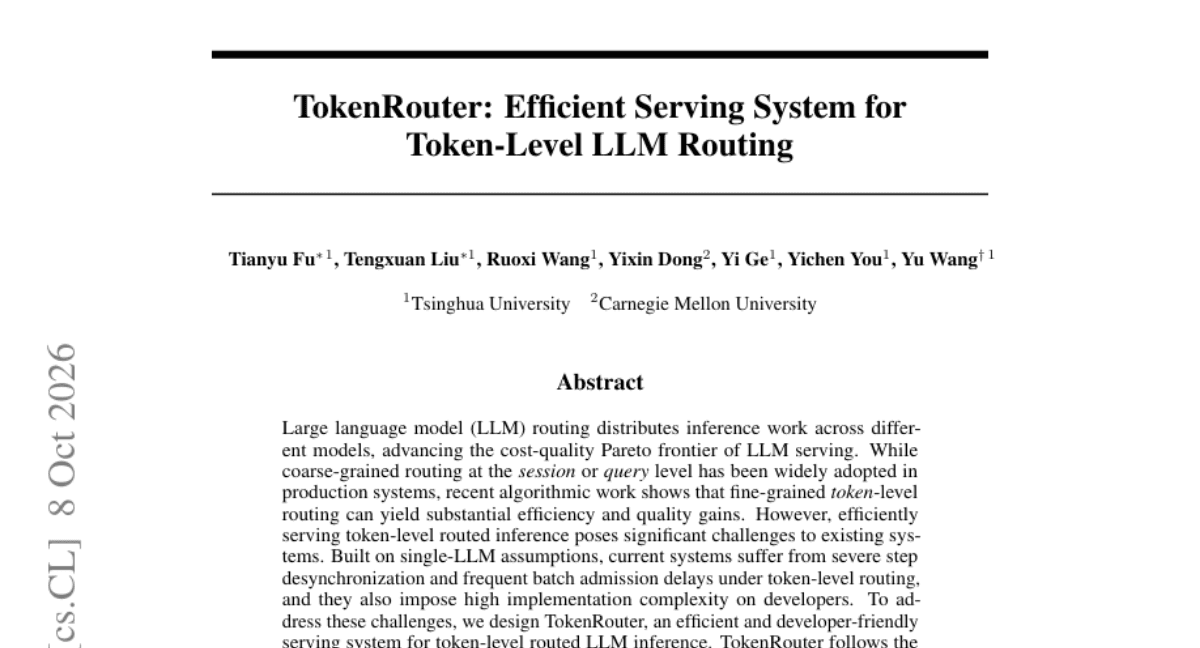
Three new methods show efficiency advances at token and decoding granularity rather than smaller models alone.
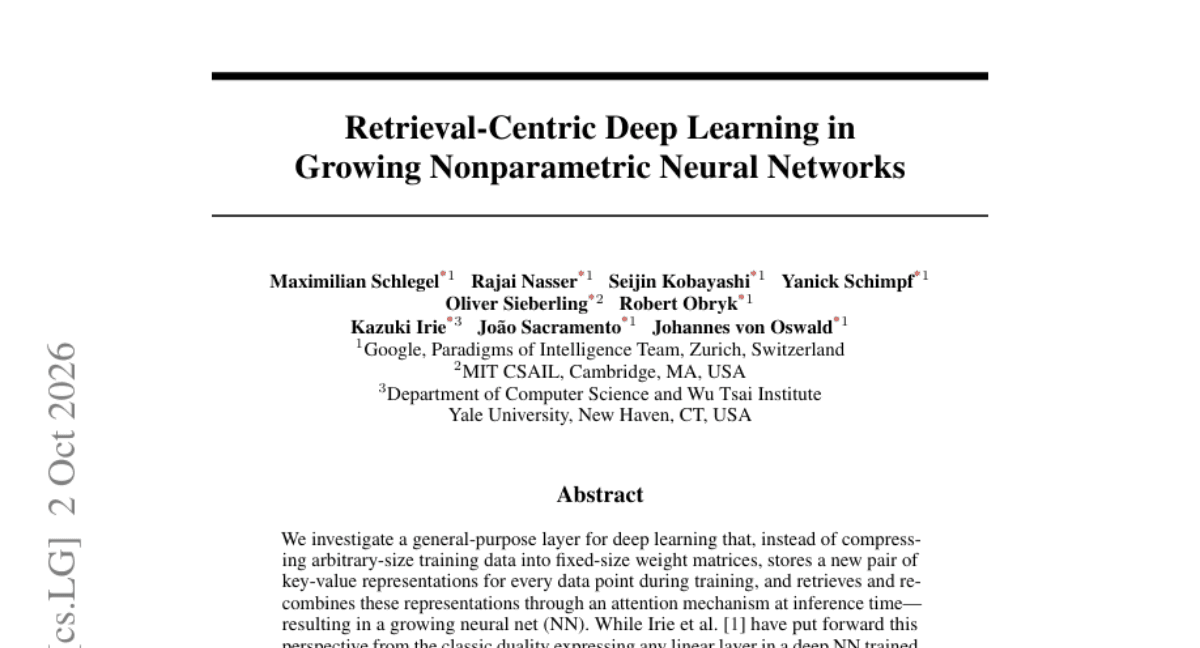
Linear layers trained by gradient descent act as key-value memories storing all training examples and initial weights, retrieved via unnormalised...
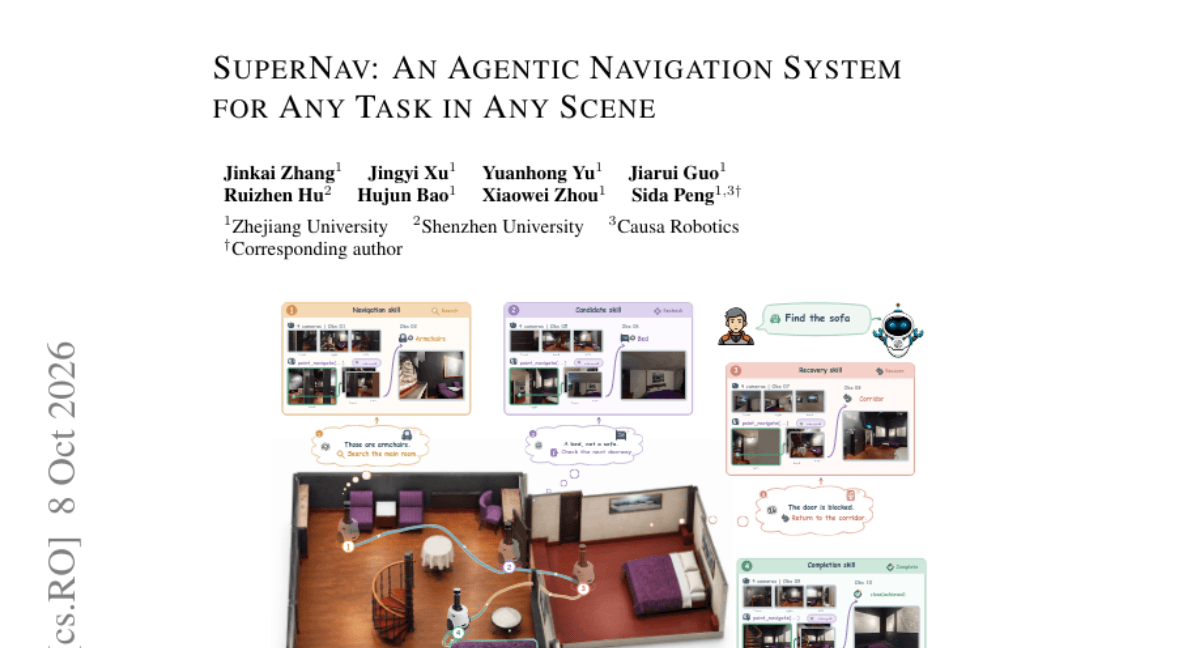
SuperNav lets a pretrained MLLM interpret user requests and unfamiliar scenes for decisions while delegating motion to navigation tools, avoiding...
LIFT teaches video models to preserve future scene layouts during dramatic viewpoint changes via on-policy self-distillation. The approach targets a core limitation in generating consistent videos with large camera motion.