# How Congress, Trump, and Advocates Are Shaping Federal Governance in 2026: Recent Developments and Implications
The year 2026 stands as a pivotal moment in American federal governance, characterized by fierce partisan battles, an increasingly assertive judiciary, and strategic executive actions. The convergence of former President Donald Trump’s enduring influence, dynamic congressional oversight, judicial activism, and advocacy campaigns has created a complex, often volatile environment. These developments not only reflect the deepening polarization but also foreshadow long-term implications for the stability, legitimacy, and future direction of U.S. democracy.
## Continued Partisan Shaping of Federal Governance
### Trump’s Persistent Influence and Election Strategies
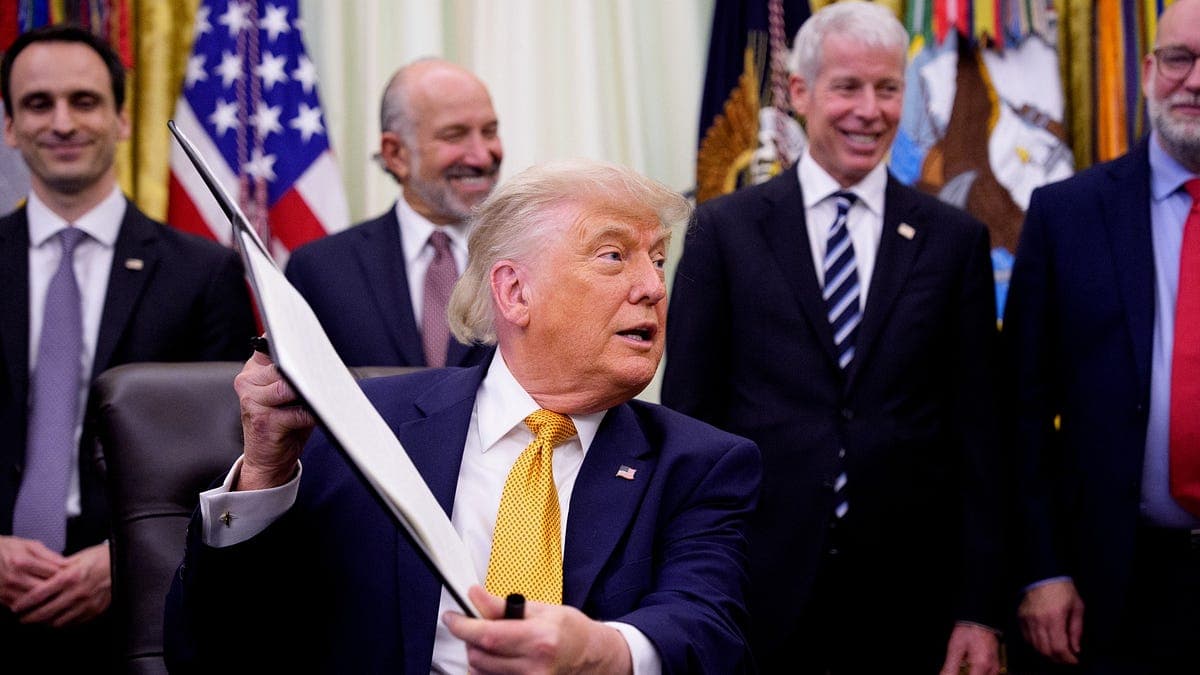
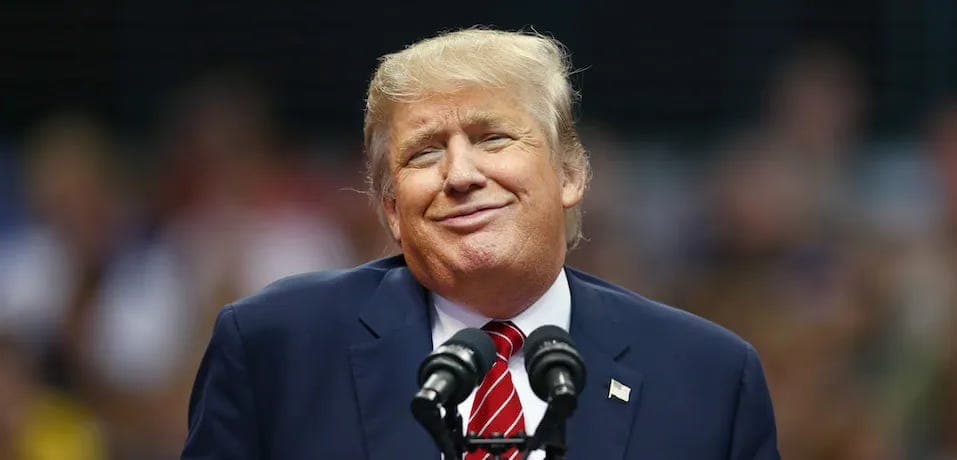
Donald Trump remains at the forefront of American political discourse in 2026. His formal announcement to run in the 2024 presidential race continues to dominate headlines, fueling intense polarization. A prime example is a viral YouTube video titled **"Trump drops SHOCKING election announcement we’ve FEARED,"** which has garnered over **480,000 views and more than 32,000 likes**. This indicates sustained support from his base and widespread concern among opponents.
Trump’s rhetoric continues to emphasize **election skepticism**, with repeated claims of voter fraud and promises to overhaul the electoral system if re-elected. These narratives serve to energize his supporters and exert pressure on GOP leaders, many of whom align with his messaging despite internal disagreements. His focus on **"election integrity"** has spurred efforts to implement tighter voting restrictions and challenge electoral processes, potentially rewriting voting laws and undermining electoral legitimacy.
### Congressional Oversight, Investigations, and Brinkmanship
Congress remains deeply polarized, with investigative hearings often serving political rather than policy objectives. Recent high-profile events include:
- **Senator Dick Durbin’s criticism of South Dakota Governor Kristi Noem’s management of the Department of Homeland Security (DHS)**, exemplifying partisan scrutiny that fuels legislative gridlock.
- **Investigations into the 2020 election**, notably the Arizona State Senate’s review of past election records. Such efforts continue to promote narratives of irregularities and voter fraud, which influence ongoing debates over voting laws and election security at the federal level.
Simultaneously, **Trump’s campaign rhetoric** continues to emphasize allegations of election fraud, advocating for tighter voting restrictions that threaten to reshape electoral landscapes in favor of conservative interests.
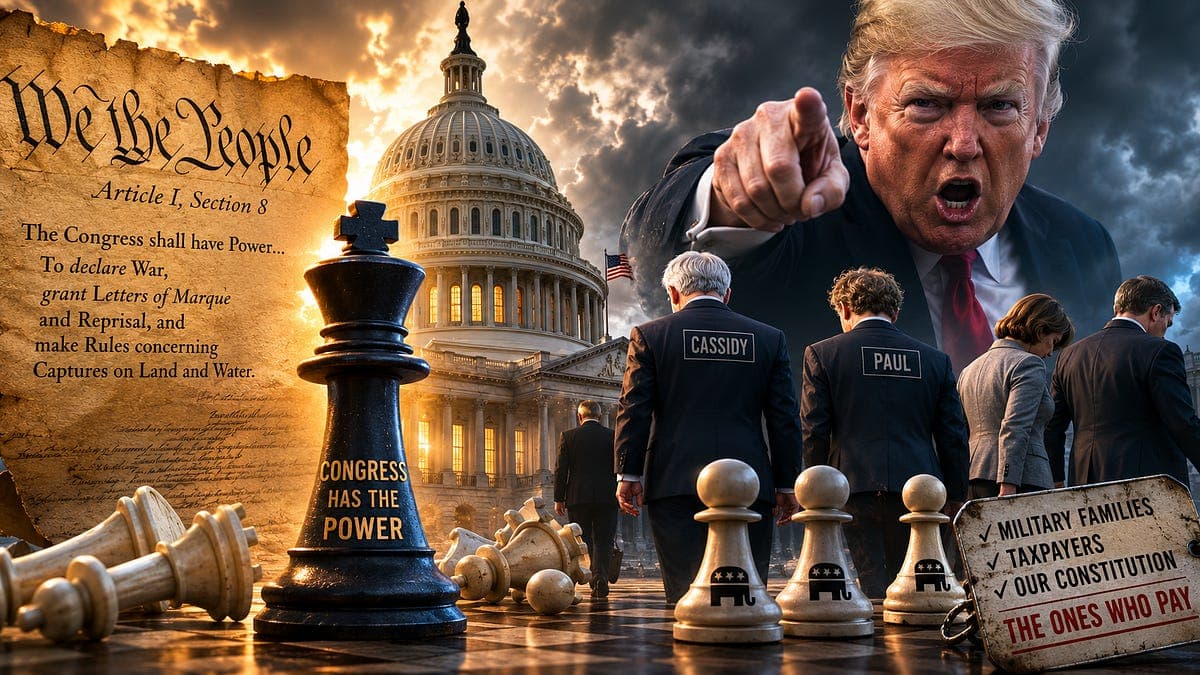
**Legislative brinkmanship persists**, with threats of government shutdowns looming. Senator **John Thune** recently warned that **a government shutdown could jeopardize U.S. national security**, underscoring the risks associated with legislative deadlock. Disputes over funding—particularly for agencies like Homeland Security—have led to short-term funding extensions, disruptions in government services, and heightened concerns over governance stability.
## The Judiciary’s Expanding Role in Policy and Norms
### Landmark Supreme Court Decisions and Judicial Trends
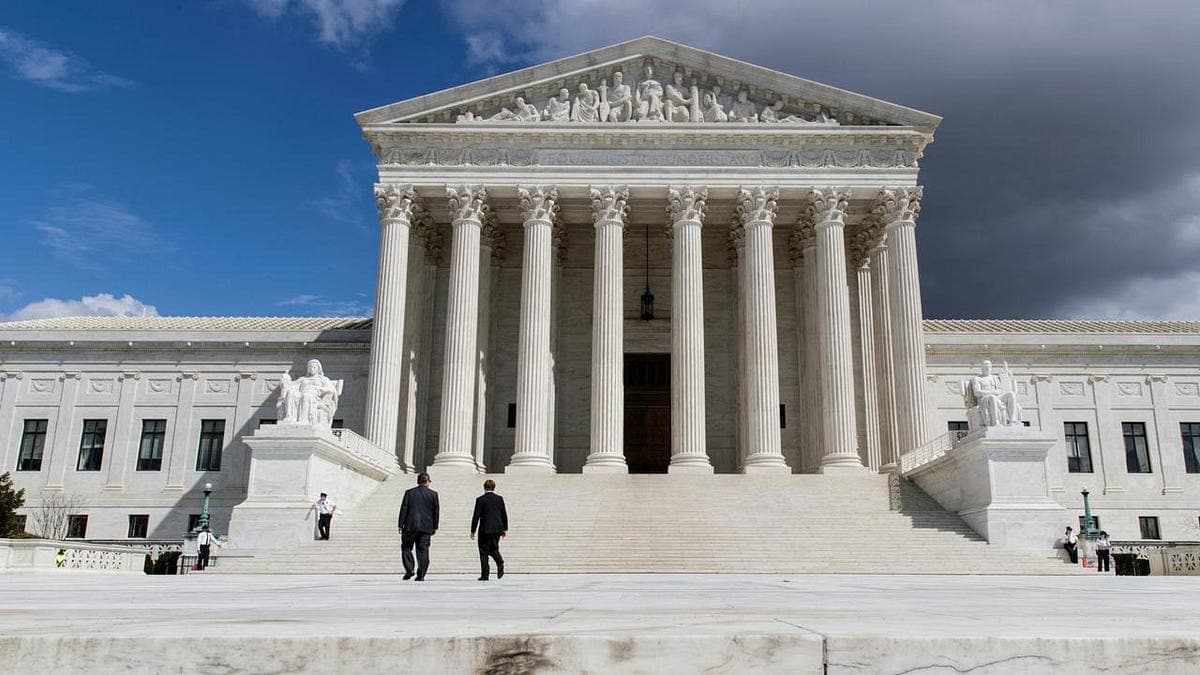
The Supreme Court in 2026 continues to serve as a decisive arbiter on critical issues, especially in **election law, immigration, and presidential powers**. Notable recent developments include:
- Decisions concerning **mail-in voting and postal infrastructure** directly influence federal efforts to secure voting rights. Recent rulings on mailbox security and ballot access could either bolster or hinder election integrity measures, with far-reaching consequences.
- The Court’s stance on **presidential emergency powers** has come under scrutiny, especially as Justice Ketanji Brown Jackson publicly warned against the trend of expanding executive authority during crises. This debate gains intensity amid growing executive actions in areas like immigration enforcement, national security, and emergency response.
- In immigration law, the Court has sided with federal agencies in cases challenging state restrictions—such as efforts to terminate Temporary Protected Status (TPS)—thus reinforcing federal authority and delaying state-imposed restrictions that impact immigration policy outcomes.
### State-Level Judicial Shifts and Their Broader Impact
A significant development is **Wisconsin Supreme Court Justice Annette Ziegler’s decision not to seek re-election in 2027**. Her conservative leanings have shaped key rulings on election law and administrative authority. Her departure could shift the court’s ideological balance, influencing future decisions on election integrity, immigration, and administrative power. Such shifts at the state level have the potential to ripple into federal policy, especially in swing states critical to national elections.
## Legislative Brinkmanship and Governance Risks
The persistent threat of government shutdowns continues to loom large:
- **Senator John Thune** emphasized that **a shutdown could threaten U.S. national security**, highlighting the high stakes of partisan impasse.
- Disputes over **funding for agencies like DHS** exemplify the ongoing battles over legislative priorities. Short-term appropriations, threatened withholding of funds, and procedural delays have caused disruptions to essential government functions, raising alarms about the fragility of current governance processes.
## Immigration Policy Shifts and Political Weaponization
Immigration remains a central battleground in 2026, with legal, political, and advocacy battles intertwining:
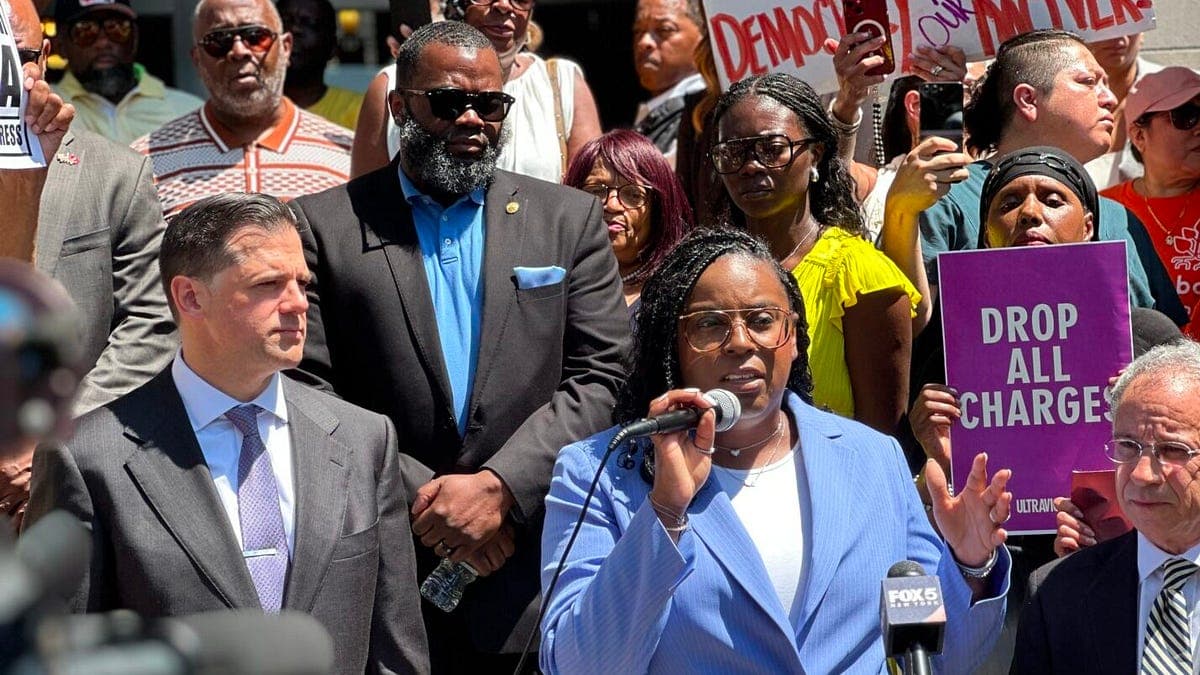
- **Legal challenges by immigrant communities**, especially Somali migrants, illustrate resistance to federal policies perceived as targeting specific groups. These lawsuits underscore ongoing conflicts over immigration enforcement and fairness.
- The **DHS’s announced review of green card processing and immigration procedures** aims to tighten controls aligned with Trump-era policies. These measures seek to restrict legal immigration and reduce benefits, drawing sharp criticism from advocates and Democratic lawmakers who argue they undermine fairness and due process.
- **USCIS directives in March 2026** introduced new restrictions affecting eligibility and procedural requirements for immigration pathways. Critics argue these policies exacerbate barriers for applicants, while proponents view them as necessary for national security.
- The **politicization of immigration messaging** continues to mobilize voters and shape narratives. A prominent example is the YouTube video titled **"Immigration: The Weapon of Mass Politics,"** which explores how immigration issues are used as a political weapon to rally base support and frame debates around national identity and sovereignty.
- A **legislative push**, led by figures like **Rep. Maxwell Frost**, aims to counter restrictive policies by proposing bills to end sanctuary policies and increase cooperation with immigration enforcement agencies, further intensifying partisan conflicts.
### Broader Context: Immigration as a Political Weapon
The use of immigration as a "weapon of mass politics" reflects a broader strategy to mobilize base support, frame national security narratives, and influence electoral outcomes. Messaging campaigns and advocacy efforts aim to portray immigration as a threat, rallying voters around restrictive policies and reinforcing partisan divides.
## Executive Actions and National Security Priorities
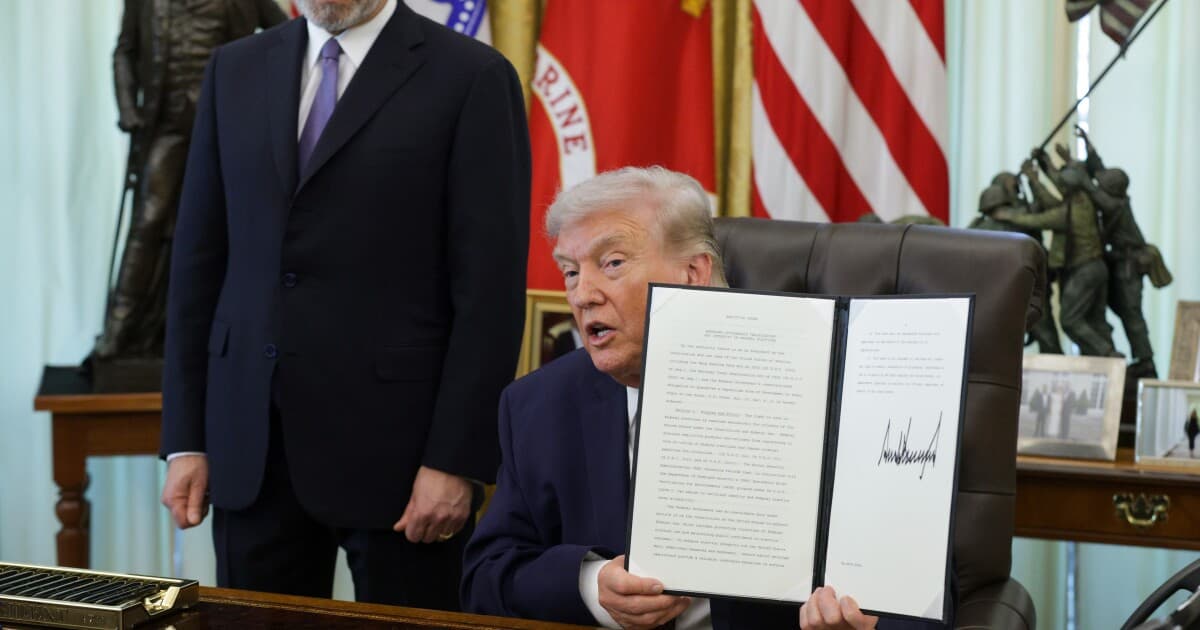
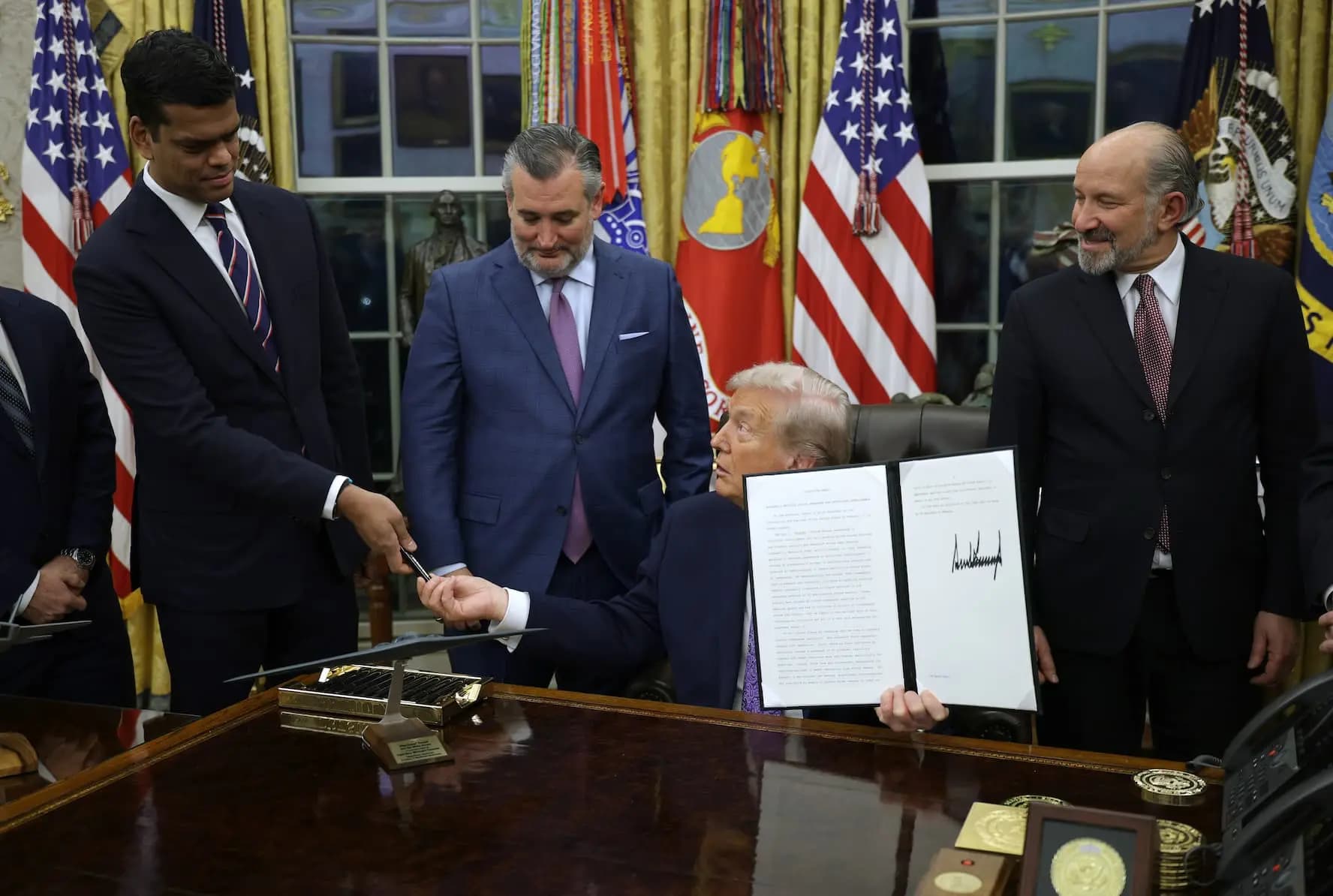
In response to rising cyber threats, the **White House has unveiled a new National Cyber Strategy and Executive Order**, signaling a robust approach toward cybersecurity and federal digital defenses. This move underscores the expanding role of the executive branch in safeguarding national security in an increasingly digital world.
Meanwhile, oversight conflicts have intensified:
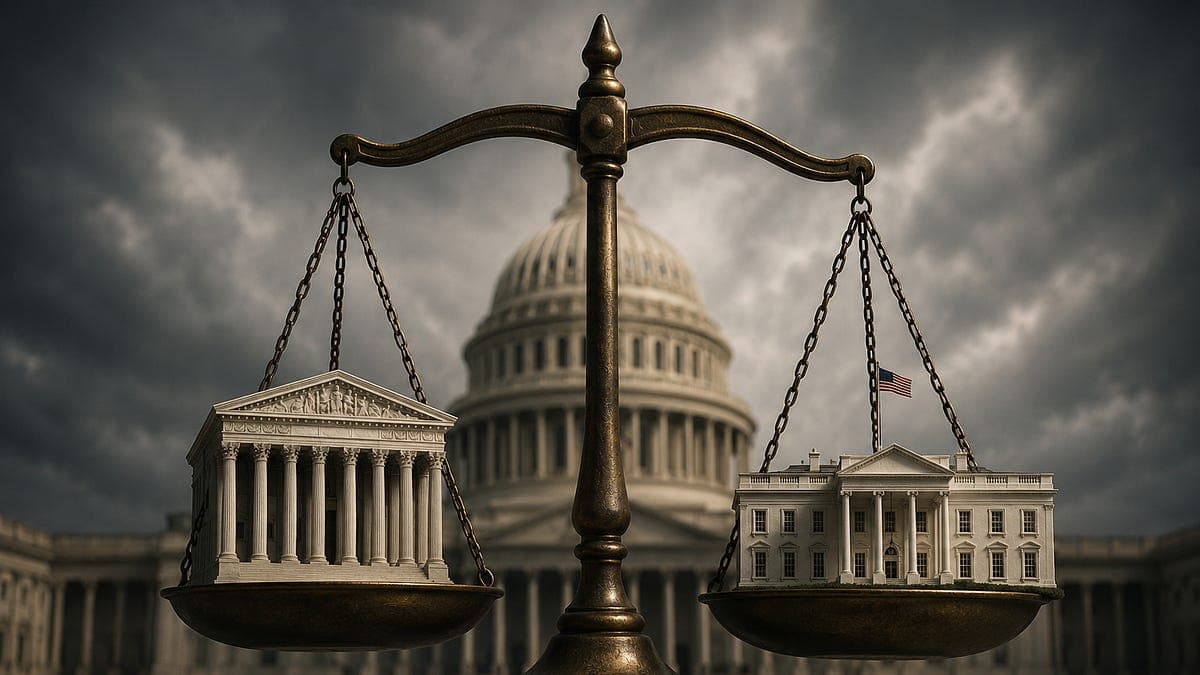
- **Judicial rulings**, such as a recent **block against subpoenas targeting Fed Chair Jerome Powell**, demonstrate court efforts to check congressional and executive overreach. This decision, discussed live with legal analyst Andrew Weissmann, emphasizes judicial resistance to politicized investigations and subpoenas, ensuring the independence of key financial institutions.
- **Congressional investigations and subpoena disputes** reflect ongoing tension over oversight authority and the limits of executive and judicial influence. These conflicts have significant implications for governance transparency and accountability.
## Policy-Specific Developments and Advocacy
Key policy debates revolve around:
- **Voting access and mail-in ballot laws**, with ongoing legal battles over access and security measures.
- **Budgetary pressures and infrastructure investments**, including debates over housing legislation and federal investments in public transit, exemplified by advocacy groups like the **Transit Coalition** pushing for sustainable urban growth.
- **Housing and economic legislation** remain vital as lawmakers seek solutions to affordability crises, with some progress made in bipartisan efforts, though partisan divides persist.
## Current Status and Future Outlook
As 2026 progresses, the landscape remains highly volatile. The confluence of **judicial shifts**, **partisan conflicts**, **executive initiatives**, and **advocacy campaigns** indicates that the nation is navigating turbulent waters. Key questions include:
- Will judicial decisions continue to serve as checks on legislative and executive overreach?
- How will immigration policies and messaging influence electoral dynamics?
- Can bipartisan cooperation overcome legislative brinkmanship to prevent shutdowns and ensure stable governance?
- What long-term impacts will the judicial and political shifts have on the integrity of elections and the rule of law?
### Implications
The interplay among Congress, Trump’s electoral influence, judicial activism, and advocacy efforts is fundamentally reshaping American governance. The decisions made in 2026 will likely influence the resilience of democratic institutions, the scope of presidential and congressional powers, and the inclusivity of the immigration system for decades to come.
**In summary**, 2026 is a year marked by intense polarization, strategic legal battles, and ideological clashes. The future of U.S. democracy hinges on how these forces are managed—whether they lead to greater stability or deepen existing fissures. The coming months will be critical in determining whether the nation can navigate these challenges toward a more resilient, transparent, and inclusive governance model or risk further fragmentation.
---
### Recent Notable Developments and Resources
- The **White House’s** new **National Cyber Strategy** and Executive Order aim to bolster cybersecurity defenses amid rising threats.
- **Senator Warren’s** recent efforts to address affordable housing reflect ongoing legislative priorities to tackle economic inequality.
- Advocacy groups like the **Transit Coalition** continue to push for **federal investments in sustainable urban infrastructure**.
- The **YouTube video "Immigration: The Weapon of Mass Politics"** illustrates how immigration issues are politicized to mobilize support.
- The recent **judicial ruling blocking subpoenas against Fed Chair Jerome Powell**, discussed live, exemplifies courts acting as checks on political investigations.
---
As 2026 unfolds, the convergence of these forces and developments will shape the future trajectory of American governance—determining whether the nation progresses toward stability and renewal or faces further division and instability. The decisions made now are crucial in defining the resilience and legitimacy of American democracy for generations to come.