# The 2026 Systemic Reordering: Emerging Markets, Persistent Inflation, and Strategic Resilience—An Updated Perspective
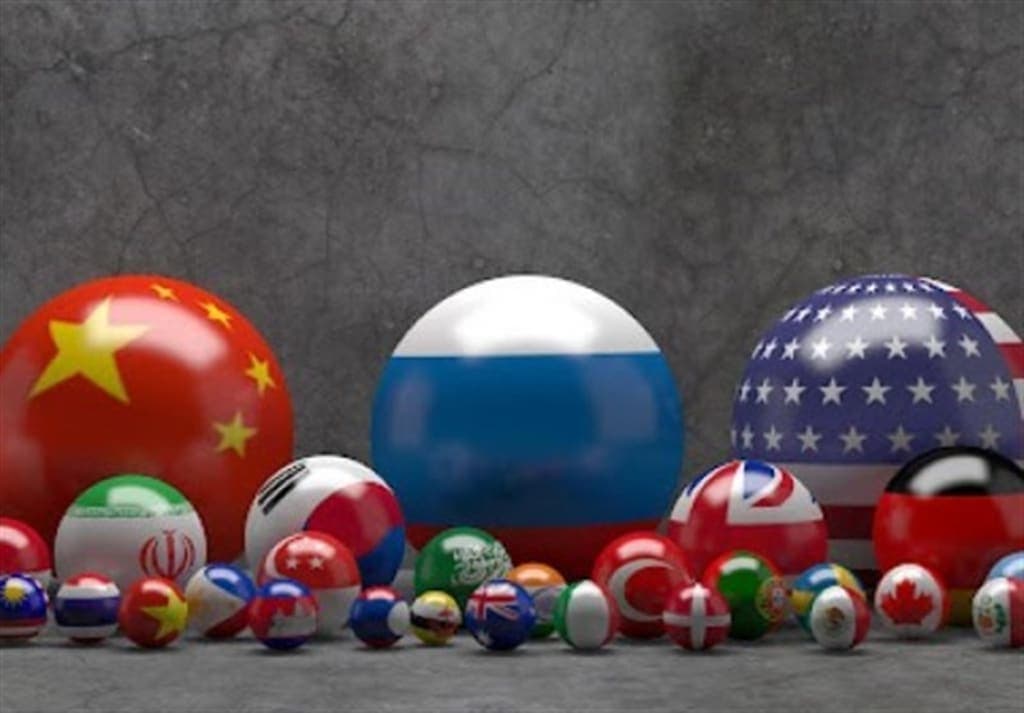
As 2026 progresses, the global landscape continues to be reshaped by a confluence of persistent economic challenges, geopolitical realignments, and technological competition. The interplay of resilient inflation, regional supply-chain fragmentation, and the strategic assertiveness of emerging markets (EMs) is redefining power structures, investment flows, and resilience strategies worldwide. Recent developments deepen this narrative, revealing a world increasingly characterized by fragmentation yet also by innovative regional and technological alliances.
---
## Persistent Structural Inflation and Regionalized Supply Chains: The Cost of Fragmentation
Despite initial optimism that pandemic-induced demand surges would subside, **inflation remains stubbornly entrenched across major economies**. Experts like Dr. Adam Posen from the Peterson Institute emphasize that **structural factors—rather than cyclical demand—are now the primary drivers of inflation**. These include:
- **Supply Chain Fragmentation:** Geopolitical tensions, technological decoupling, and protectionist policies have led to **less resilient, regionalized supply networks**. This fragmentation results in **higher production costs, bottlenecks, and delays**, fueling **cost-push inflation**. Countries are actively pursuing **regional trade corridors**—particularly within Asia and Latin America—to **mitigate vulnerabilities**. However, such regionalization introduces new dependencies and complexities.
- **Energy Prices and Climate Policies:** Ongoing geopolitical conflicts over fossil fuels, coupled with **ambitious decarbonization initiatives**, keep **energy costs elevated**. Restrictions on fossil fuel extraction and the push for renewables contribute to **cost pressures across industries and consumer prices**.
- **Labor Market Constraints:** Demographic shifts, notably **aging populations**, along with **skills mismatches**, have created **labor shortages** in key sectors. Rising wages further contribute to inflation, especially where talent gaps persist.
In response, central banks are engaged in a **delicate balancing act**—raising interest rates to tame inflation without precipitating recession or financial instability. The policy shift is increasingly toward **structural reforms** such as **supply chain resilience**, **energy market stabilization**, and **labor market flexibility**.
---
## Emerging Markets: Strategic Agency and Resilience in a Fragmenting World
Amid sustained inflation and supply chain challenges, **EMs are asserting greater strategic agency**, employing **regional integration, currency diversification, technological innovation, and resource management** to bolster resilience. Kristalina Georgieva of the IMF highlights that **“EM economies are not only growing but actively diversifying their resilience,”** signaling a shift toward **a more multipolar influence**.
### Key Strategies and Recent Developments:
- **Reserve and Currency Diversification:** Many EMs are **reducing reliance on the US dollar**, favoring **regional currencies** and **innovative financial instruments**. This trend is **reshaping the global reserve landscape** and **dampening dollar dominance**, fostering a **more multipolar financial architecture**.
- **Trade and Regional Integration:** Countries across Asia, Africa, and Latin America are expanding **intra-regional trade corridors** to **enhance economic independence** and **reduce dependence on Western markets**. Notably:
- India is **shaping regional influence** through **digital currency initiatives** and **infrastructure investments**, expanding influence beyond traditional alliances.
- Malaysia is **advancing semiconductor and rare earth strategies** to develop **regional resource hubs**, balancing influence and securing critical supply chains.
- **Strategic Resource Management:** EMs are **building domestic stockpiles** and **investing in resource sovereignty**. The US’s **“Project Vault”**—a $12 billion initiative to **rebuild domestic mineral reserves**—illustrates a global recognition that **reserves alone are insufficient** without **industrial infrastructure** and **resilient supply chains**.
### Technological Sovereignty and the AI Arms Race
In the realm of **digital sovereignty**, EMs are **accelerating initiatives** in **AI and semiconductors**:
- **India and Vietnam** are **pursuing sovereign AI frameworks** to **reduce dependence on foreign providers** and **assert digital independence**. The recent **AI Summit in India** exemplifies efforts to **attract investments** and **build regional AI capacity**.
- Countries such as **Malaysia** are **investing in local semiconductor manufacturing** and **regional collaborations** to **bypass export restrictions**. The **US export controls**, like the **Nvidia H200 chip ban to China**, are **accelerating domestic chip development** in China and other EMs.
A concerning trend involves **industrial-scale AI IP theft**, with **Chinese AI labs** allegedly engaging in **distillation attacks**—illegitimate extraction of proprietary capabilities from models like **Claude** via **fraudulent accounts and proxy services**. Companies such as **Anthropic** and **OpenAI** have **flagged these campaigns**, which **pose significant security and intellectual property risks**. This underscores **heightened geopolitical competition in AI security**.
Recent private investments underscore this race:
- Thrive Capital invested approximately **$1 billion in OpenAI** at a **$285 billion valuation**.
- **Wayve**, a UK autonomous driving platform, secured **$1.5 billion** from **Eclipse, Balderton,** and **SoftBank**, with additional backing from **Ontario Teachers’ Pension Plan**. These demonstrate **private sector confidence** in **AI-driven logistics and resilience**.
---
## Supply Chain Fragmentation and Covert Geopolitical Realignments
The decade has seen **clandestine trade pacts**, **regional coalitions**, and **strategic arrangements** designed to **bypass traditional multilateral institutions**. These covert negotiations are **actively shaping supply chains** and **regional alliances** driven by **strategic interests** rather than transparency.
- **China’s Deep Resource Ties:** Despite geopolitical tensions, **China continues entrenching resource and market ties**, especially through mineral shipments from Africa routed via Chinese hubs. These **supply chain entrenchments** increase **market fragility** and **trade frictions**, prompting EMs to **seek diversification**.
- **Regional Onshoring and Diversification:** Countries are **investing in regional processing facilities**—Malaysia’s **semiconductor alliances** exemplify this trend—aimed at **reducing susceptibility to disruptions**. The **WEF research** emphasizes that **over-concentrated supply networks are fragile** and need **geographical diversification**.
---
## The AI and Infrastructure Race: Intensifying Competition and New Frontiers
The **AI arms race** has entered a new phase, characterized by **massive private investments**, **industrial-scale IP security threats**, and a **$1.5 trillion infrastructure competition**:
- **Private Capital Flows:** Major ventures like **Thrive Capital’s billion-dollar investment** and **regional AI initiatives** exemplify the **growing financial commitment**.
- **The $1.5 Trillion Infrastructure War:** Countries and private actors are investing heavily in **digital and physical infrastructure**—from **regional data centers** to **autonomous logistics hubs**—to **secure technological sovereignty**.
### Emerging Security Threats
A **noteworthy concern** is the **rise in industrial-scale AI IP theft**:
- **Chinese labs** are accused of **distillation attacks**—illegitimately extracting proprietary capabilities—which **undermines IP security** and **poses geopolitical risks**.
- These threats **accelerate efforts** in **cybersecurity**, **model security protocols**, and **industrial resilience**.
---
## Sustainability Politics and the 'Flexilateral' Turn
Recent analyses reveal a **shift toward a 'flexilateral' approach**—a flexible, multipolar form of multilateralism that emphasizes **regional cooperation** and **climate resilience**:
- **Three key trends** include:
- **A flexilateral turn of multilaterism**: moving away from rigid global institutions toward **regional frameworks** tailored to **climate and trade** challenges.
- **Enhanced regional cooperation**: emphasizing **climate adaptation**, **supply chain resilience**, and **technology sharing**.
- **Geopolitical competition in sustainability**: nations are **leveraging climate policies as strategic tools**, influencing **resource access** and **trade dynamics**.
This approach reflects the **interconnectedness of climate, supply chains, and geopolitics**, emphasizing **resilience through adaptable, regional partnerships**.
---
## Current Status and Future Implications
The emerging landscape in 2026 is one of **fragmentation balanced with innovative resilience strategies**. **Emerging markets are asserting agency** through **regional integration, technological sovereignty, and resource control**, positioning themselves as **key players in a multipolar world**.
### Key takeaways:
- **Asset diversification and currency shifts** away from dollar dependence are gaining momentum.
- **Supply chain resilience** prioritizes **onshoring**, **regional processing**, and **technological independence**.
- **Geopolitical risks**—from covert alliances to resource disputes—remain high, requiring vigilant strategic planning.
- The **AI and infrastructure race** continues to escalate, with **private capital and industrial espionage** shaping the future.
- The **sustainability geopolitics** and **flexilateral diplomacy** are redefining cooperation frameworks amid geopolitical tensions.
---
## **Conclusion**
The global order in 2026 is marked by **strategic fragmentation and resilience-building**. Countries and corporations that **embrace diversification**, **anticipate layered risks**, and **forge resilient regional networks** will be better positioned to **navigate turbulence** and **shape influence**. The ongoing private investments, technological advancements, and geopolitical realignments underscore that **foresight, agility, and strategic agency** are vital for thriving in this new, multipolar era.
As the world continues to fragment and new centers of influence emerge, those able to **leverage regional cooperation**, **innovate technologically**, and **assert resource sovereignty** will define the future landscape—where resilience is proactive and multi-dimensional. The developments of 2026, including the AI infrastructure competition and signals of continuity in US-China trade policy, suggest a future where multipolar influence and layered risks are the new normal.