# Iran Tensions Roil Oil Markets, Shipping Routes, and Sanctions Policy: An Updated Analysis of Recent Developments
The geopolitical landscape surrounding Iran has become increasingly volatile, with recent military escalations, shifting diplomatic efforts, and regional dynamics profoundly impacting global energy security, maritime stability, and international sanctions policy. As Iran pursues its strategic objectives amid intensifying conflicts, the risk of supply disruptions, market upheavals, and diplomatic deadlock continues to grow.
## Escalation of Military Operations and Regional Dynamics
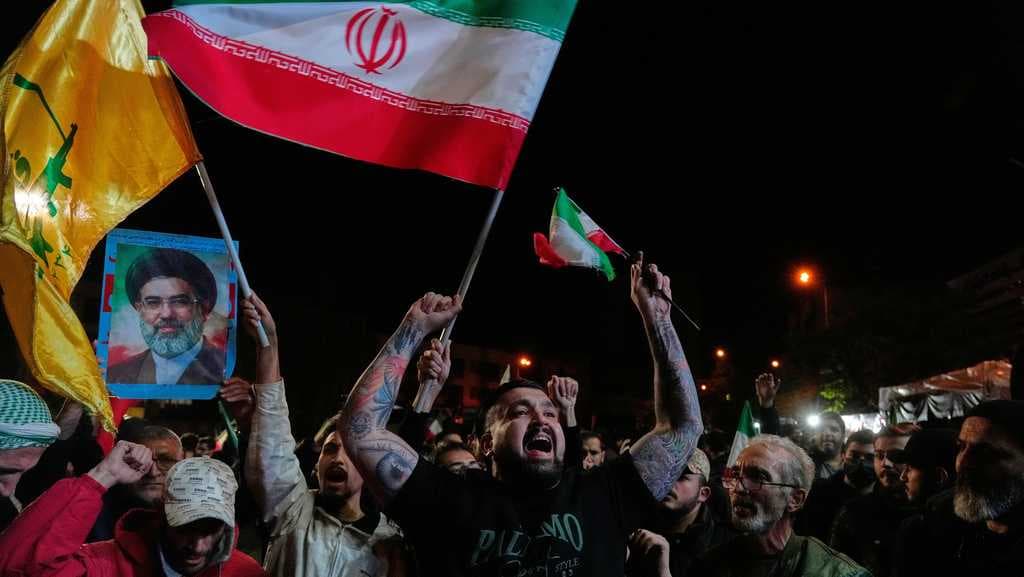
In recent weeks, Iran has markedly escalated its military actions across the Gulf and Levant regions. These operations include a series of drone and missile strikes targeting critical infrastructure, ports, and strategic locations, with notable impacts such as:
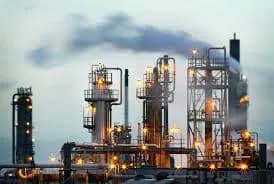
- **Targeted Attacks on Ports and Energy Facilities:** Iran-backed forces, including Hezbollah and the Islamic Revolutionary Guard Corps (IRGC), have launched strikes on vital ports and energy infrastructure. These attacks threaten to choke off a significant portion of the world's oil supply, given Iran’s role as a major exporter.
- **Hostile Engagements in Lebanon and the Levant:** The conflict has seen a resurgence of hostilities, exemplified by Hezbollah and IRGC tactics such as the recent “Eaten Chaff” campaign—an asymmetric operation targeting commercial shipping and infrastructure. The Mediterranean ceasefire in November 2024 has unraveled, with hostilities spreading regionally and raising fears of broader confrontation.
- **Iran’s Strategic Stance:** Iran publicly maintains that its military actions are defensive and within its sovereignty, emphasizing conditions such as sanctions relief, regional recognition, and guarantees against foreign interference before de-escalating. Statements on platforms like [Al Jazeera](https://www.aljazeera.com/news/liveblog/2026/3/12/iran-war-live-oil-tankers-hit-in-iraq-tehran-sets-3-conditions-for-peace) underscore Iran’s firm stance, complicating diplomatic pathways.
### Iran’s Tightening Grip on the Strait of Hormuz
The Strait of Hormuz remains the focal point of tensions, with recent developments indicating Iran's intent to exert greater control:
- **Attacks on Gulf Energy Infrastructure:** Iran has targeted Gulf energy sites and shipping lanes, aiming to disrupt oil exports and leverage pressure on international markets.
- **Threats to Blockade the Strait:** Iranian leadership has issued explicit warnings about possibly closing the Strait, which could cause a severe disruption in global oil flows. The UN Security Council has responded with resolutions demanding Iran cease missile and drone attacks and respect navigation rights ([WION](https://www.wion.com)), yet enforcement remains a challenge.
- **Sovereignty and Defensive Justifications:** Despite international pressure, Iran asserts its actions are within its rights, emphasizing sovereignty over its waters and framing its military operations as defensive.
## Diplomatic and International Reactions
Amid military escalation, diplomatic initiatives have intensified, although progress remains fragile:
- **UN Security Council Efforts:** The UN has called for an immediate ceasefire and safeguarding international navigation. Resolutions highlight the importance of protecting shipping routes but face stiff opposition, notably from Russia and China, which oppose certain sanctions and resolutions, reflecting complex geopolitical alignments.
- **Regional Mediation and Diplomatic Efforts:**
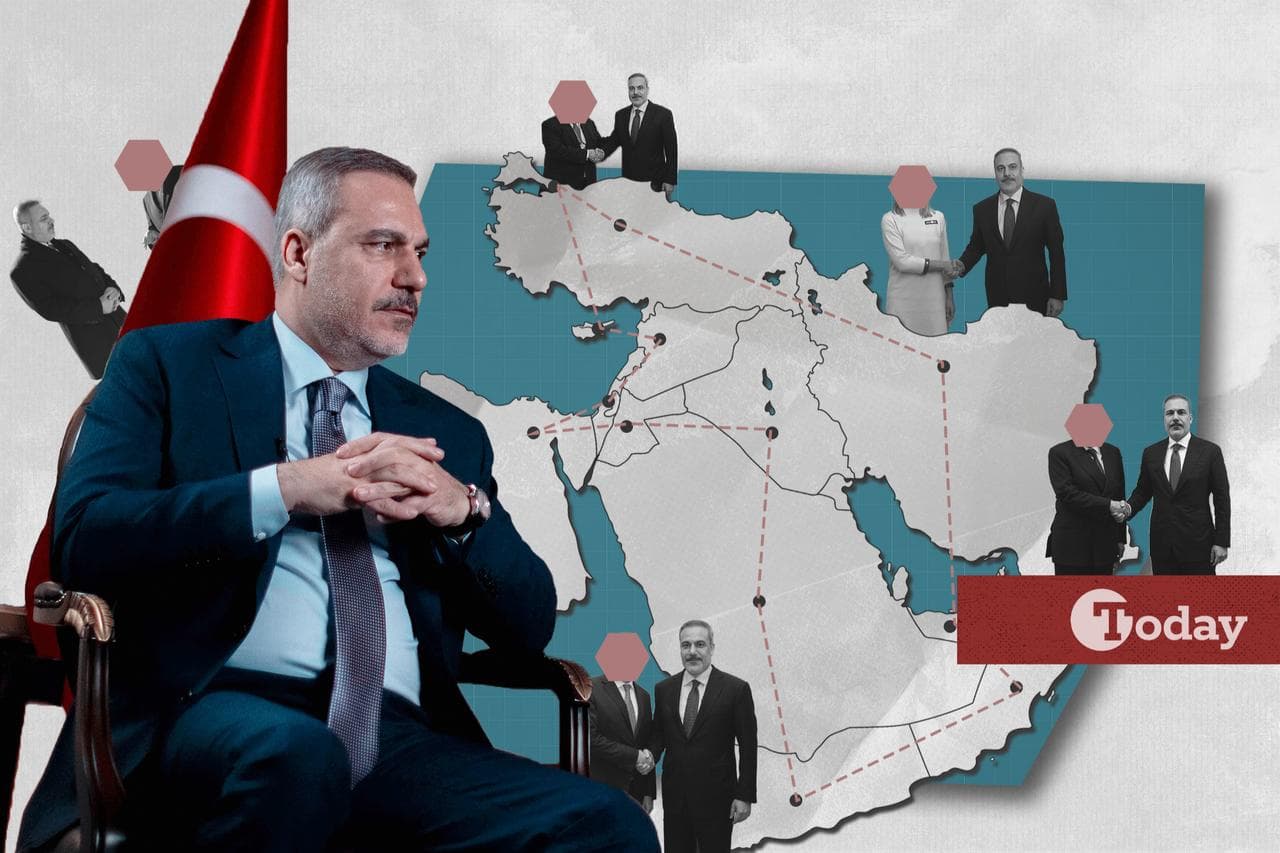
- **Turkey** has increased diplomatic outreach, urging negotiations and emphasizing regional stability ([TRT World](https://www.trtworld.com)).
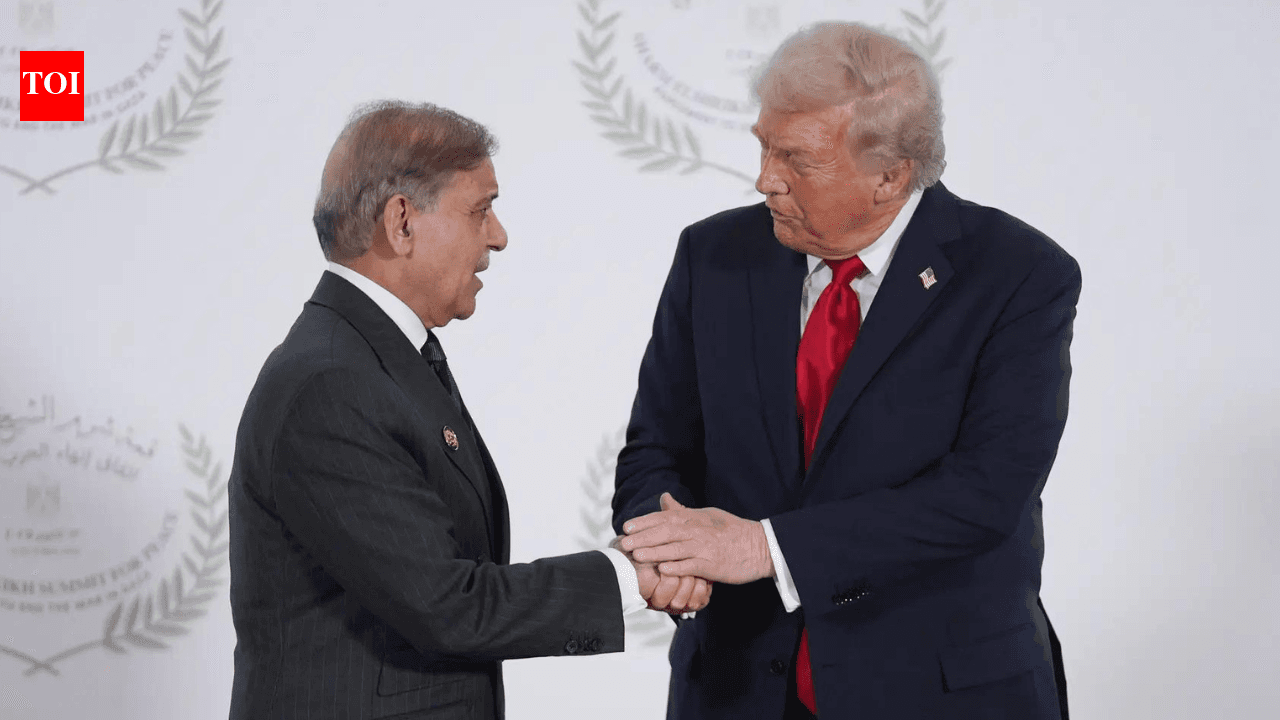
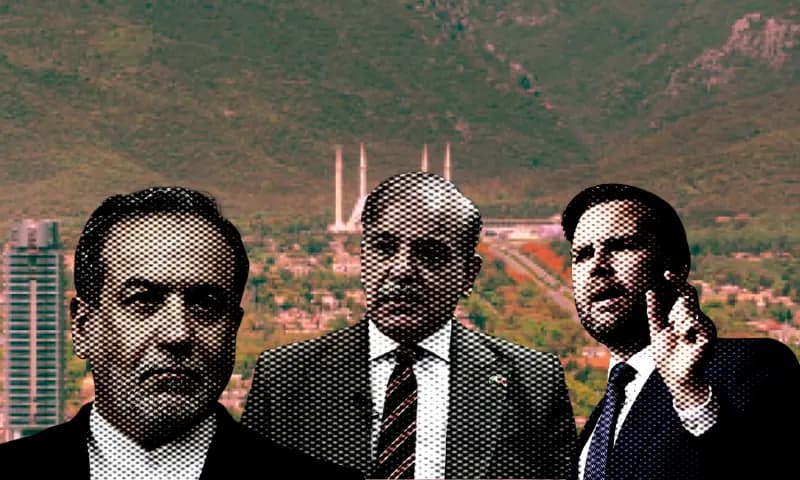
- **Pakistan** has offered to mediate, with Prime Minister Shehbaz Sharif calling for dialogue to prevent further escalation ([N18G](https://www.n18g.com)).
- **Lebanese Authorities** have proposed direct talks with Israel, though these efforts are currently stalled amid ongoing hostilities ([Global Banking & Finance Review](https://www.gfbr.com)).
- **Israel–Lebanon Direct Talks:** Recent reports suggest that Israel and Lebanon are expected to hold direct negotiations soon, marking a significant development amid rising Iran tensions. Such talks could influence regional stability and the broader Iran-related conflict dynamic.
- **Israeli Leadership:** Prime Minister Netanyahu has issued urgent warnings about Iran’s increasingly aggressive stance, emphasizing the rising threat levels, especially in the context of potential Hezbollah and IRGC actions.
### The Role of Major Global Powers
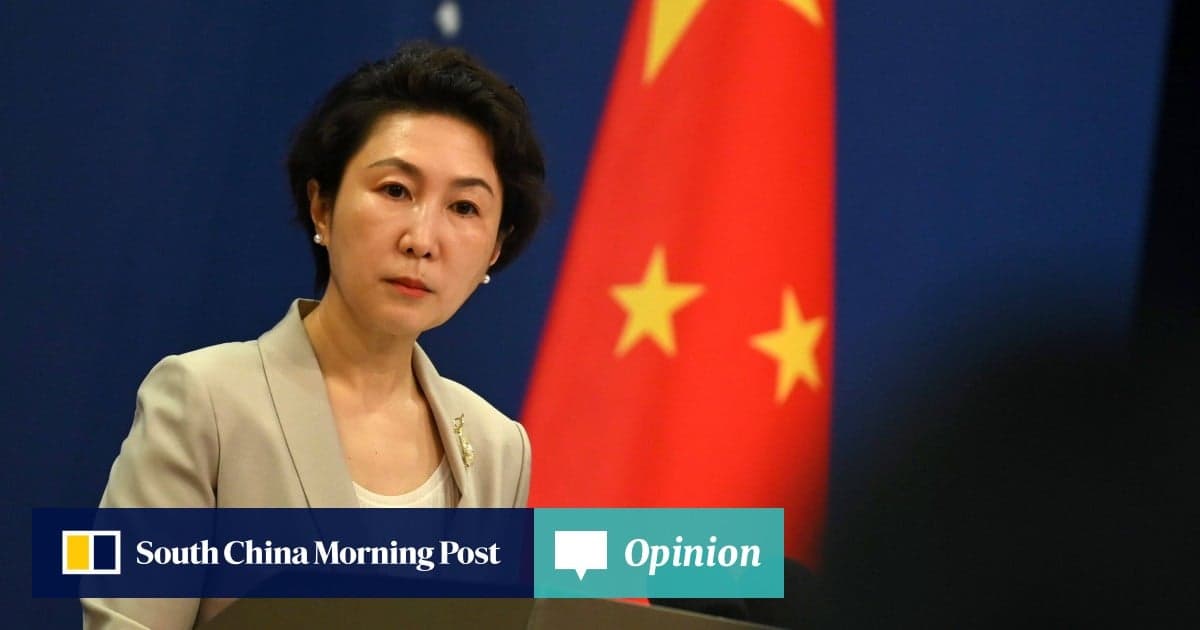
- **China** continues to advocate for Iran’s sovereignty, urging diplomatic solutions. Its Middle East envoy is actively touring regional capitals, seeking to mediate between Iran, the US, and Israel, signaling a possible shift toward de-escalation ([Modern Diplomacy](https://moderndiplomacy.eu)).
- **Russia** opposes some UN resolutions calling for Iran to cease military activities, aligning with Iran’s strategic interests and complicating international consensus.
- **Gulf States** such as Saudi Arabia and the UAE are reassessing their security arrangements amid the crisis, exploring more autonomous regional security measures, potentially reshaping alliances and power balances in the Middle East.
## Economic Impact and Market Volatility
The ongoing crisis has caused significant upheavals in global markets:
- **Oil Prices:** Brent crude prices surged to multi-month highs amid fears of a possible blockade of the Strait of Hormuz or disruptions in oil exports. Analysts warn that if tensions escalate further, prices could spike even higher.
- **Sanctions and Market Dynamics:** The Biden administration has temporarily eased some sanctions on Iran’s oil exports to prevent severe supply shocks, aiming to balance pressure with economic stability. However, the threat of renewed sanctions persists if Iran’s military activities continue or escalate.
- **Safe-Haven Assets:** Gold prices have increased as investors seek refuge from escalating geopolitical risks, indicating market caution.
- **Maritime Logistics and Shipping:** Shipping companies are rerouting vessels around the Cape of Good Hope to avoid high-risk Gulf waters, significantly increasing transit times and operational costs. Insurance premiums for ships traversing the Gulf have risen sharply, further straining global supply chains.
- **Threat of Strait Closure:** Iran’s persistent threats to block the Strait of Hormuz remain a critical concern, with potential to cause shortages, spike prices, and disrupt global energy markets long-term.
## Recent Developments and Future Outlook
Adding to the complexity, diplomatic and tactical shifts have emerged:
- **Diplomatic Stances:** Iran continues to demand sanctions relief and regional recognition before considering de-escalation. Recent statements ([Al Jazeera](https://www.aljazeera.com/news/liveblog/2026/3/12/iran-war-live-oil-tankers-hit-in-iraq-tehran-sets-3-conditions-for-peace)) reinforce Iran’s position, prolonging hostilities.
- **Diplomatic Initiatives:** The UN Security Council’s resolutions urging a ceasefire face resistance from Russia and China. Meanwhile, regional mediators—such as Turkey, Oman, and Egypt—are actively pushing for diplomatic solutions, with sources indicating efforts to facilitate negotiations even as hostilities persist.
- **Israel–Lebanon Direct Negotiations:** Reports suggest that direct talks between Israel and Lebanon could commence soon, a potentially pivotal step that might influence wider Iran-related tensions.
- **Military Tactics:** Hezbollah and IRGC are employing asymmetric strategies, including targeting commercial shipping and critical infrastructure, heightening regional instability if unchecked.
## Current Status and Implications
While some diplomatic signals and temporary measures—such as limited sanctions easing—offer hope for de-escalation, the situation remains highly fragile. The risk of further escalation continues, driven by Iran’s strategic aims, regional alliances, and unresolved geopolitical tensions.
### Key Implications:
- **Global Energy Security:** Threats to the Strait of Hormuz and Gulf energy infrastructure pose persistent risks of supply shocks, with potential for sharp price increases if conflict intensifies.
- **Maritime Security and Trade:** Shipping routes remain under threat, prompting rerouting around Africa’s Cape of Good Hope, higher insurance costs, and logistical disruptions.
- **Regional Stability:** Gulf states are re-evaluating security arrangements, possibly leading to new alliances or increased militarization, which could further destabilize the region.
- **Diplomatic Prospects:** International efforts led by regional mediators and major powers like China may influence future de-escalation, but deep geopolitical divisions make swift peace unlikely.
In conclusion, **the Iran crisis remains at a critical juncture**. Military escalations, diplomatic negotiations, and economic pressures continue to shape the outlook. The international community’s ability to foster dialogue and prevent wider conflict will be decisive in determining whether regional stability is restored or if the Middle East plunges into a broader and more destructive confrontation with profound global repercussions.