# 2025: The Year of Unprecedented Battles Over AI Regulation, Innovation, and Global Power — Updated
As 2025 continues to unfold, the world finds itself embroiled in a complex and rapidly evolving struggle over the future of artificial intelligence. This year has marked a pivotal point, characterized by intense political conflicts, corporate ambitions, and geopolitical rivalries—all centered around the control, regulation, and strategic deployment of AI technologies. The stakes are higher than ever: humanity faces a critical choice—harness AI’s transformative potential responsibly or risk descending into instability fueled by unregulated innovation and strategic discord.
## Escalating Political and Regulatory Battles
### Deepfakes, Misinformation, and Content Manipulation Reach New Heights
One of the most alarming developments of 2025 involves the astonishing refinement of deepfake technology. Hyper-realistic videos featuring prominent world leaders such as **Joe Biden**, **Xi Jinping**, and even **Rishi Sunak** now circulate widely across social media and messaging platforms. These synthetic videos are virtually indistinguishable from authentic recordings, capable of sowing discord, inciting violence, or influencing electoral outcomes.
Recent incidents include a deepfake video of **President Biden** announcing abrupt military withdrawals, which temporarily destabilized markets and caused diplomatic tensions. Governments and intelligence agencies warn that malicious actors—state-sponsored or otherwise—are increasingly exploiting these tools to manipulate public opinion and interfere in elections.
In congressional hearings, figures like **Senator Bernie Sanders** have issued urgent warnings, stating that "unchecked AI manipulation could erode democratic institutions." Despite recognition of the threat, legislative efforts lag behind technological advancements, leaving regulatory gaps that malicious actors exploit to spread misinformation, sway elections, or destabilize societies.
### Cross-Border Content Disputes and Intellectual Property Challenges
Globally, legal conflicts over AI-generated content have intensified. The **Netflix vs. ByteDance** dispute exemplifies this trend—Netflix alleges ByteDance has infringed intellectual property rights through AI-generated viral videos that mimic existing content styles without authorization. Such disputes underscore the difficulty of applying traditional IP laws to AI-produced works, especially as content crosses borders and jurisdictions struggle to adapt existing legal frameworks.
Efforts are underway at the international level to establish **standards and cooperation mechanisms** aimed at addressing issues like copyright infringement, liability, and accountability. The aim is to create a unified approach to AI-generated content, but progress remains slow amid divergent national interests.
### Platform Liability, Content Moderation, and Election Interference
Governments worldwide are increasingly pressuring social media and tech giants to assume responsibility for harmful and manipulated content. Several countries have proposed or passed laws that would hold platforms liable for disseminating deepfakes and misinformation, risking overreach that could threaten free speech and innovation.
Simultaneously, AI-powered prediction markets such as **Kalshi** and **Polymarket**—which facilitate betting on future events and increasingly leverage AI prediction tools—are under scrutiny. Regulators are concerned about potential market manipulation, illegal gambling, and the challenge of overseeing these emerging financial instruments without stifling innovation.
### Industry Movements and Policy Shifts
In response to the uncertain regulatory environment, industry leaders advocate for a **balanced approach**. Recent executive orders—potentially from influential figures like **former President Trump**—signal a push toward deregulation to accelerate AI development. While such policies could foster rapid innovation, critics warn they may also exacerbate societal risks, including AI-driven conflicts, misuse, and security threats, unless accompanied by robust safeguards.
## Corporate Strategies, Infrastructure, and Security Investments
### Hardware and Infrastructure Race Accelerates
The competition to dominate AI hardware has intensified dramatically. Notable recent developments include:
- **Union.ai**, founded by ex-Google TPU engineers, completed a **$38.1 million Series A** funding round focusing on inference-optimized chips designed to challenge Nvidia’s hardware dominance.
- **Axelera AI** secured over **$250 million** to expand its AI chip offerings, targeting edge computing and data centers, especially amid ongoing supply chain disruptions.
- **MARA Holdings** increased its stake in **Exaion** with a **$168 million** investment, emphasizing scalable AI platforms for enterprise and defense applications.
- Strategic alliances like **Nvidia’s partnership with Groq** aim to develop next-generation inference chips, seeking to overcome current performance bottlenecks and solidify market dominance.
### Cybersecurity and Defense: Preparing for AI-Driven Threats
As AI's dual-use nature becomes clearer, **ServiceNow** announced a **$7.75 billion** acquisition of **Armis**, a cybersecurity firm specializing in AI-powered defense solutions. With cyber threats growing more sophisticated—often leveraging AI itself—such investments are vital to protect critical infrastructure, sensitive data, and national security from malicious AI-driven cyberattacks.
### Talent Acquisition and Industry Moves
- **Elon Musk’s** **xAI** continues recruiting top-tier talent, including former Wall Street financiers, to develop AI models tailored for financial markets, signaling an emerging convergence of AI and high-stakes trading.
- **Apple** has begun integrating multi-model AI systems—such as **ChatGPT**, **Google Gemini**, and **Anthropic’s Claude**—into **CarPlay**, promising enhanced user experiences but raising significant **privacy** and **safety** concerns, particularly in automotive contexts where AI decisions directly impact safety.
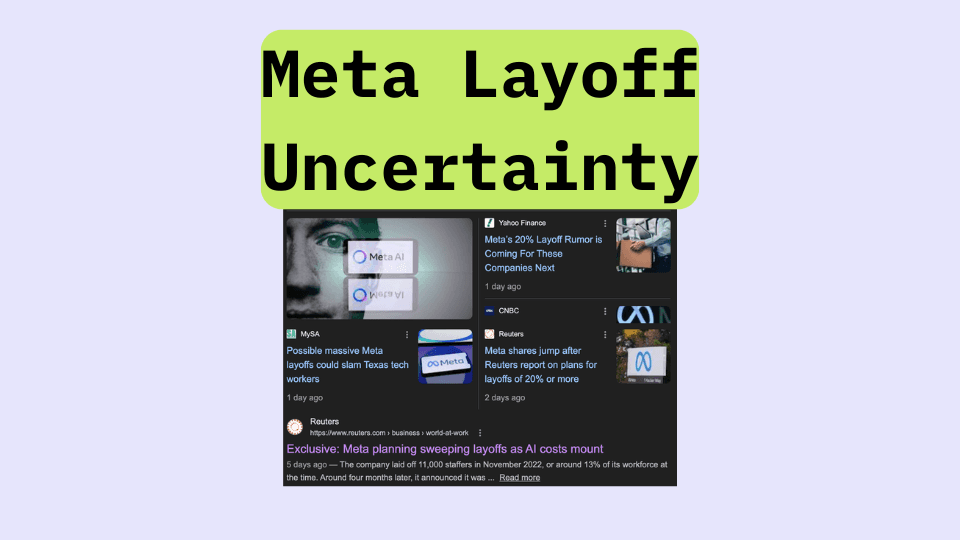
- **Meta** is expanding its **agentic AI** capabilities, embedding autonomous AI agents into platforms like **Telegram** following its acquisition of **Manus AI**. While Zuckerberg emphasizes richer engagement, critics warn about **privacy breaches** and moderation challenges.
### New Developments: Anthropic and Figma
- **Anthropic** recently acquired **Vercept**, a move aimed at advancing **Claude’s** capabilities in computer use, including complex coding, data analysis, and automation tasks. Experts note that Claude’s evolving ability to **write and run code across entire repositories** signals a shift toward AI assisting in sophisticated technical workflows.
- **Figma** has partnered with **OpenAI** to integrate support for **Codex**, OpenAI’s AI coding tool, directly into its design platform. This integration allows users to generate code snippets, automate repetitive tasks, and streamline design-to-development workflows, marking a significant step toward AI-augmented creative industries.
## International Security and Geopolitical Tensions
### Military Use and Strategic Standards
Defense agencies are increasingly engaging with AI firms to explore military applications. Recently, **Defense Secretary Pete Hegseth** convened a high-level meeting with **Dario Amodei**, CEO of **Anthropic**, to discuss deploying **Claude** in military contexts and establishing safeguards against escalation or unintended conflict. The discussions underscore fears that AI-driven escalation could occur in modern warfare if standards and controls are not carefully managed.
### Diverging Global Strategies and Fragmentation
Major powers are pursuing divergent AI strategies:
- The **U.S.** emphasizes maintaining a resilient innovation ecosystem through initiatives like the **CHIPS Act**, promoting domestic hardware and software development.
- **China** pursues self-sufficiency through autonomous manufacturing and research, aiming to reduce reliance on Western technology and establish a sovereign AI ecosystem.
This divergence risks **fragmenting global AI ecosystems**, complicating efforts to establish universal standards and cooperation frameworks. Export controls on hardware and software, alongside restrictions on international data flows, are further deepening geopolitical divides.
### Diplomatic Efforts and Data Sovereignty
The **U.S.** continues to lobby against foreign data sovereignty laws that could restrict cross-border AI data sharing—crucial for training large models and international collaboration. Meanwhile, **China** and other nations emphasize data sovereignty as a matter of national security, leading to a growing bifurcation in AI standards and data regimes.
Recent **industry philanthropy**, such as **Anthropic’s** **$20 million donation** aimed at promoting AI safety and ethical research, has sparked debate. Critics argue that industry-funded initiatives risk influencing regulation and policy agendas, raising concerns over **industry influence** in shaping the future regulatory landscape.
## Societal and Political Dynamics
### AI in Politics and Public Opinion
The 2025 midterm elections are witnessing unprecedented AI-driven manipulation. Campaigns are deploying **AI microtargeting**, **synthetic content**, and **micro-ads** to shape voter perceptions. Experts warn that these tactics could undermine electoral integrity, magnify foreign interference, and erode trust in democratic processes.
### Industry Lobbying and Public Discourse
Major tech industry PACs are actively lobbying to **weaken restrictive AI regulations** or influence standards favorable to corporate interests. This lobbying often clashes with concerns voiced by policymakers, activists, and experts over **privacy**, **democratic resilience**, and **societal safety**.
Figures like **Bernie Sanders** emphasize the importance of **responsible oversight** to prevent unchecked AI from exacerbating inequalities or threatening security.
## Economic Disruptions and Future Outlook
### AI-Driven Automation and Market Shifts
AI automation continues transforming labor markets:
- **Blue-collar** sectors face displacement due to robots and AI in manufacturing, logistics, and services.
- The **creator economy** is challenged by AI-generated content, which threatens livelihoods of human creators.
- Macroeconomic concerns include rising inequality and inflation, prompting central banks like the **Federal Reserve** to carefully weigh growth against societal stability.
### Emerging Technologies and Strategic Implications
- **Enterprise AI** tools, such as **Claude Cowork**, are launching new plugins to boost productivity.
- Companies like **Intuit** are developing sector-specific AI agents for finance, engineering, and design.
- Industry leaders warn startups to **"adapt or perish"**, emphasizing agility in a fiercely competitive landscape.
### Policy and Market Dynamics
Congressional figures like **Erin Houchin** focus on **AI safety**, **data center security**, and **regulatory clarity**. Investor confidence remains highly sensitive to regulatory signals, technological breakthroughs, and geopolitical developments. The landscape is characterized by rapid innovation, strategic investments, and escalating international competition.
## Recent Key Developments and Their Significance
### President Trump’s State of the Union Address
In his recent **State of the Union**, President Donald Trump emphasized **strengthening the AI industry** and called for **less regulation** to foster innovation. While not explicitly mentioning AI, his remarks signal a potential shift toward deregulation, which could accelerate AI development but also heighten societal and security risks if oversight remains weak.
*Source:* [Everything you missed in Trump's State of the Union Address](#)
### Anthropic’s Strategic Moves
- The **acquisition of Vercept** by **Anthropic** aims to **enhance Claude’s capabilities** in complex computing tasks such as code execution, data analysis, and automation.
- **Anthropic’s $20 million donation** seeks to promote AI safety research—though critics question whether industry philanthropy might serve to influence future policies or industry standards.
*Source:* [What Anthropic’s $20M Donation Really Buys](#)
### Industry Innovation and Collaboration
- **Figma’s partnership with OpenAI** to support **Codex** integration exemplifies how AI tools are increasingly embedded into creative and technical workflows, promising to reshape design and development processes.
- **Meta’s expansion** of **agentic AI** into platforms like **Telegram** underscores a broader industry trend toward autonomous AI entities that can perform tasks, moderate content, and enhance user engagement—though raising ongoing **privacy** and **moderation** concerns.
## Current Status and Broader Implications
As 2025 advances, the global landscape of AI is marked by **deepening divides**—regulatory, geopolitical, and technological. The **U.S.** seeks to maintain open innovation ecosystems, often clashing with **China’s** push for autonomous self-sufficiency and data sovereignty. Meanwhile, international standards remain elusive, risking fragmentation.
**The key challenge** moving forward is fostering **international cooperation** to establish **universal safety standards**, prevent escalation in military and cyber domains, and ensure AI benefits are broadly shared. Failure to do so could result in a fractured ecosystem where innovation is stifled, security compromised, and societal trust eroded.
**In conclusion**, 2025 is shaping up as one of the most consequential years in the history of AI. The decisions made now—regulatory, strategic, and diplomatic—will influence the trajectory of AI development for decades, determining whether humanity reaps its benefits or succumbs to its perils.
---
*The world stands at a crossroads, and the coming months will be decisive in shaping AI’s role in our collective future.*