# Escalating Middle East Conflict: A Tipping Point with Regional and Global Ramifications
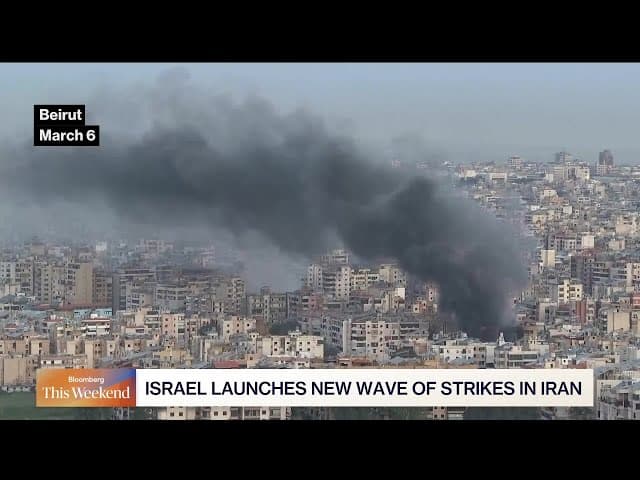
The Middle East is currently experiencing one of its most intense and multifaceted conflicts in decades. As US and Israeli forces accelerate their strikes against Iran, reciprocal attacks by Iran and its allied militias have intensified, extending the battlefield across a broader regional landscape. This escalation threatens not only regional stability but also the global economic order, with human suffering and geopolitical shifts becoming increasingly evident.
## Rapid Escalation of Military Actions
### US and Israel’s Strikes on Iran
The United States and Israel have launched a record pace of military strikes targeting Iranian military infrastructure, missile facilities, and command centers. The deployment of advanced US missile systems, including the Precision Strike Missile (PrSM), underscores a strategic push to degrade Iran’s retaliatory capabilities. Israeli Defense Forces (IDF), meanwhile, pursue a dual objective: dismantling Iran-backed militias and preventing the proliferation of weapons that could threaten Israeli security.
### Reciprocal Attacks by Iran and Allies
Iran’s response has been swift and severe. Iranian forces and allied militias, such as Hezbollah in Lebanon and various Iraqi factions, have launched missile and drone attacks targeting Israeli positions, settlements, and strategic assets. Notably, some of these attacks have reached near US diplomatic sites in the Gulf, heightening concerns over the safety of American personnel and diplomatic missions.
### Spreading of the Battlefield
The conflict’s reach has expanded beyond Iran and Israel. Battles now ripple through Lebanon, Iraq, Syria, and the Gulf states, with regional powers taking sides or exploiting the chaos. Reports indicate increased engagements in southern Syria and northern Iraq, where Iran-backed groups have intensified operations, further complicating US and Israeli efforts.
### Threats to Diplomatic and Civilian Sites
There have been alarming reports of attacks near US embassies and consulates, raising fears of broader escalation and potential targeting of Western interests. These developments have prompted heightened security alerts and emergency evacuations for American families, diaspora communities, and faith-based groups operating in the region.
## Humanitarian and Political Dimensions
### Humanitarian Impact and Evacuations
American families, church groups, and diaspora communities find themselves caught in the crossfire. Many are scrambling to evacuate as violence intensifies, with some communities seeking refuge in neighboring countries or within safer urban centers. Faith-based organizations have responded with humanitarian aid and prayer initiatives, emphasizing resilience amid chaos.
### Faith-Based Responses and Community Support
Religious groups have mobilized to provide aid and comfort, often framing their efforts as moral imperatives. Leaders from various faiths have called for peace and condemned violence, even as they acknowledge the deepening crisis.
### Kurdish Perspectives and Trust in Washington
Kurdish factions, long-standing US allies in the region, are increasingly wary of Washington’s commitments. Debates rage over whether to trust future US guarantees, especially as the conflict threatens regional stability and exposes vulnerabilities in US diplomacy. Some Kurdish leaders express skepticism about Washington’s ability to protect their interests amid escalating hostilities.
## Military and Strategic Insights
### New US Deployments and Battlefield Developments
The US has deployed additional missile systems, including the PrSM, to bolster its offensive and defensive capabilities. Strategic objectives include degrading Iran’s missile arsenal, disrupting supply chains, and supporting Israeli military operations. Recent battlefield updates suggest a shift toward more aggressive tactics aimed at crippling Iranian military infrastructure.
### Expert Analysis
Former military leaders and diplomats underscore the gravity of the situation. **David Petraeus**, in a recent interview with FRANCE 24, warned that the current trajectory could lead to a broader regional conflict with unpredictable consequences. Analysts like Petraeus emphasize that while military objectives are clear—diminishing Iran’s capacity to project power—the risks of escalation and unintended consequences are high.
## Economic Fallout and Global Implications
### Disruption of Gulf Oil Flows
The conflict’s escalation threatens critical Gulf oil transport routes such as the Strait of Hormuz, a chokepoint for nearly a third of the world’s oil supply. Any attack on shipping lanes or infrastructure could trigger a surge in oil prices, exacerbating inflationary pressures globally.
### Risks to Trade Routes and Global Markets
Trade routes across the Red Sea, Arabian Peninsula, and Mediterranean face increased danger. The potential for wider regional instability raises fears of a stagflation scenario, with energy costs rising while economic growth stalls. Countries heavily dependent on Gulf oil and trade, including China and India, are closely monitoring the situation.
### Broader Macroeconomic Risks
Economists warn that prolonged conflict could induce stagflation—high inflation coupled with sluggish growth—jeopardizing the fragile recovery from previous global shocks. Central banks and policymakers are increasingly alert to the possibility of a destabilized global economy stemming from Middle East turmoil.
## Political and Geopolitical Ramifications
### US Credibility and Regional Trust
The US’s handling of this crisis, especially regarding its commitments to regional allies like the Kurds, is under scrutiny. Kurdish leaders question whether Washington can be trusted to defend their interests against Iran-backed forces, fueling debates about US strategic reliability.
### Long-Term Regional Realignments
The conflict accelerates a potential reshuffling of alliances. Traditional US allies in the Gulf are reevaluating their security arrangements, some seeking to diversify partnerships or bolster their own military capabilities. Meanwhile, Iran’s regional influence continues to grow, possibly leading to a new bipolar or multipolar regional order.
### International Diplomatic Efforts
Efforts to broker ceasefires or de-escalate tensions remain fragile. The involvement of global powers, including Russia and China, complicates the diplomatic landscape, with some nations calling for restraint while others expand their influence.
---
**Current Status and Outlook:**
The conflict remains highly volatile, with no clear end in sight. Military exchanges are intensifying, and the region’s human and economic toll is mounting. The international community faces mounting pressure to prevent a broader catastrophe, but the path forward remains uncertain. Analysts warn that unless de-escalation occurs swiftly, the Middle East could face a protracted, destructive conflict with lasting global repercussions.