July 27, 2026
Applied AI Insights · 2026-07-27 Daily Digest
No significant updates today.

Created by Justin Zealand
Latest applied AI research, tools, and product deployments for creative, dev, and enterprise
Explore the latest content tracked by Applied AI Insights
No significant updates today.
No significant updates today.
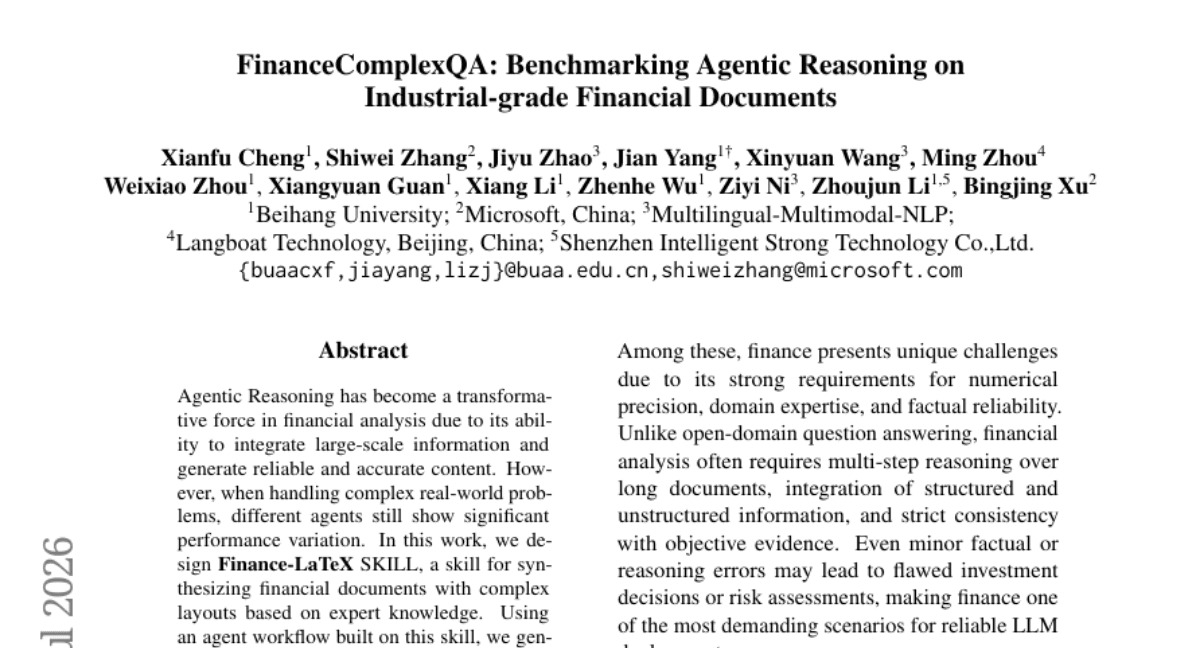
FinanceComplexQA introduces a comprehensive benchmark for agentic reasoning on industrial-grade financial documents, featuring 2,026 deep research...
Real-world users report Opus 5 outperforming both Fable and GPT-5.6 Sol in practical tasks despite the official "near-Fable" framing.
NVIDIA's CEO Jensen Huang used his first X post to endorse open-weight AI models, arguing they strengthen safety and cybersecurity, speed innovation,...
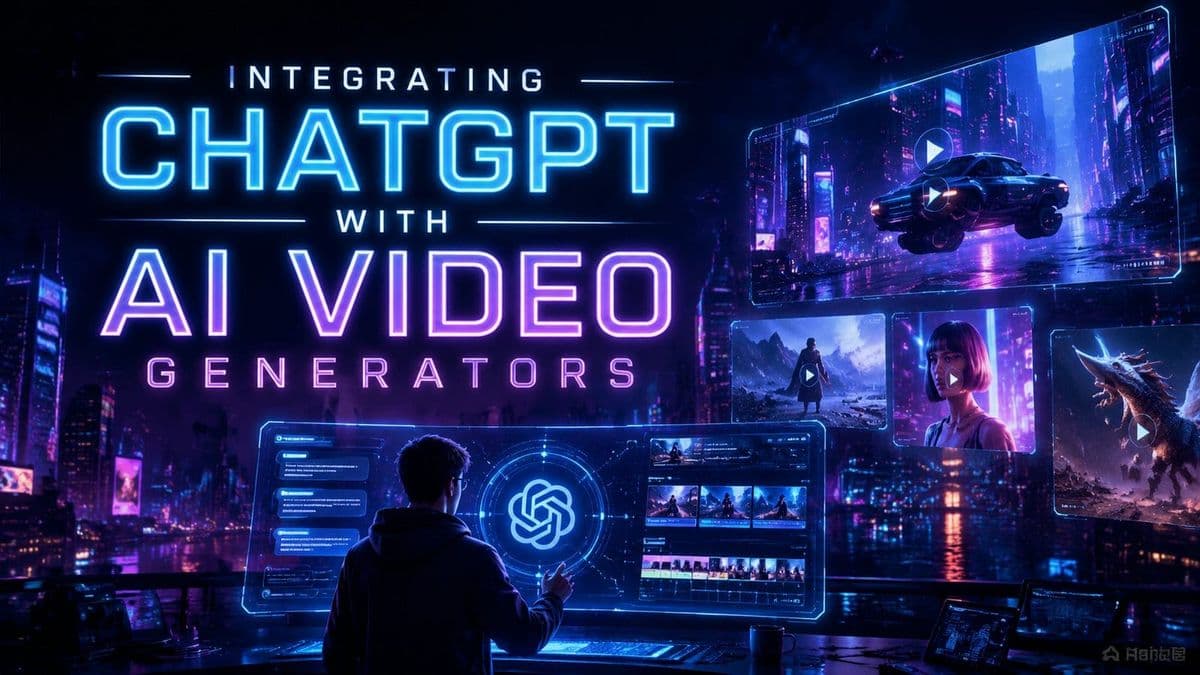
OpenAI's specialized API bridge links ChatGPT's language layers directly to Sora's diffusion transformer, letting conversational prompts drive video...
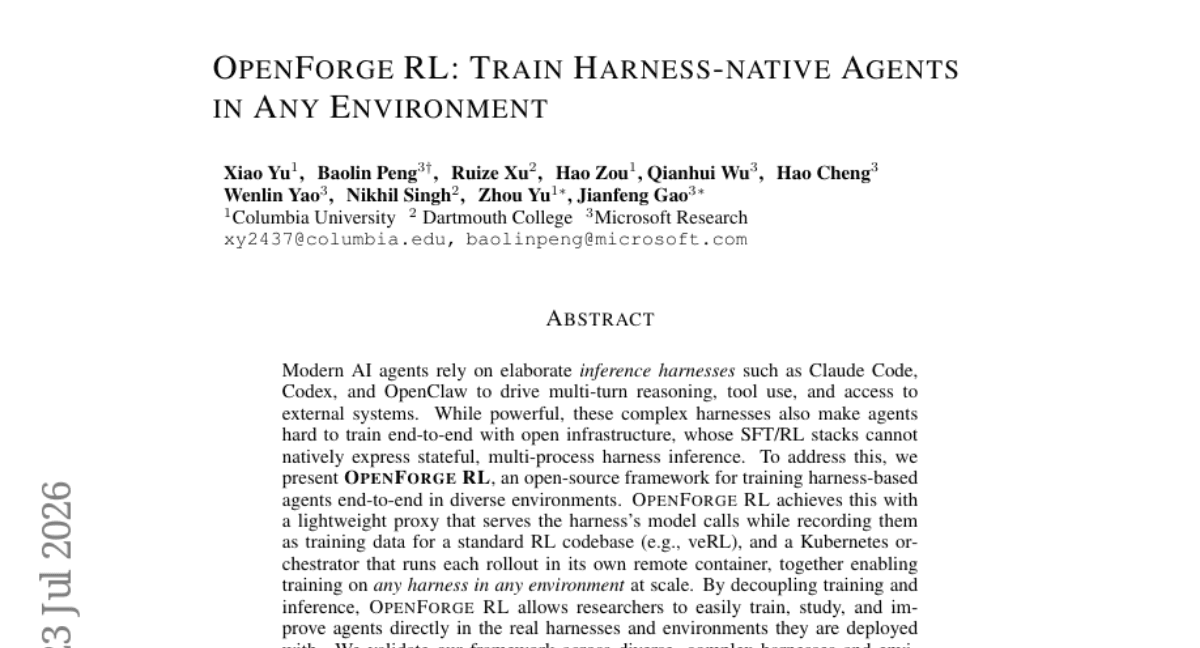
OpenForgeRL enables end-to-end RL training for agents that run natively inside complex inference harnesses like OpenClaw and Claude Code. A...
Major platforms are taking divergent paths on AI-generated image transparency:
Current AI coding tools like OpenAI's new voice-controlled Codex still force a slow prompt-wait-review loop, missing the real-time "jamming"...
Reliability ranks as the leading factor when Americans choose AI tools at 48%, ahead of ease of use (40%) and privacy (35%), while 35% use them...
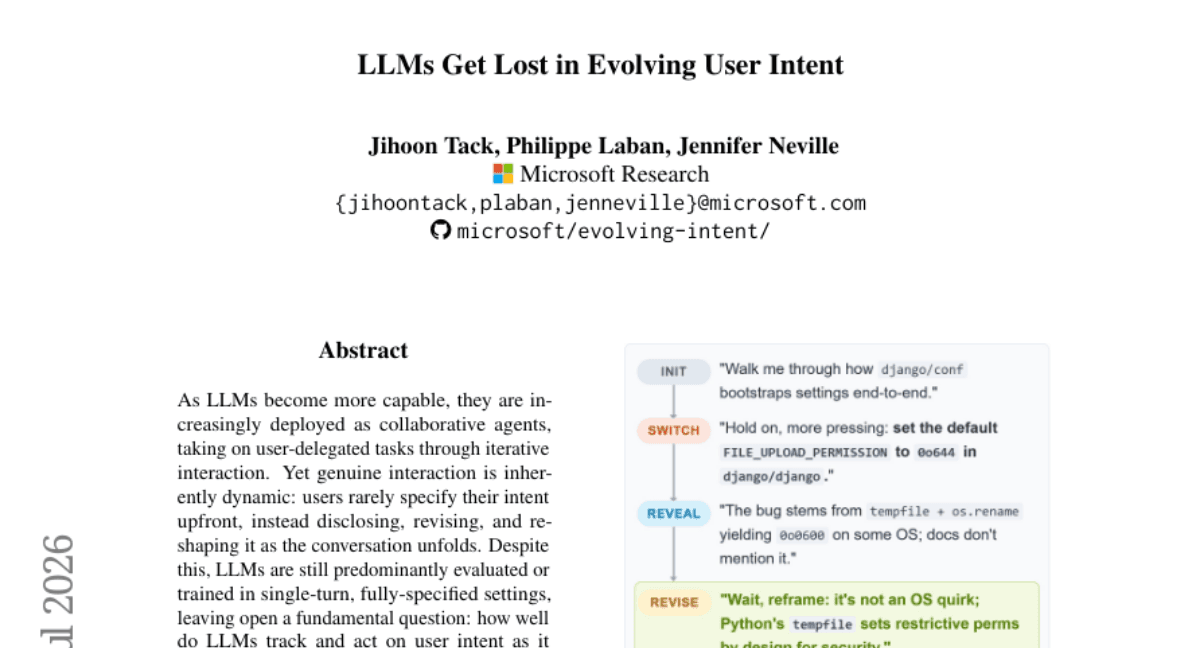
Two new papers address core agent limitations in dynamic tasks.
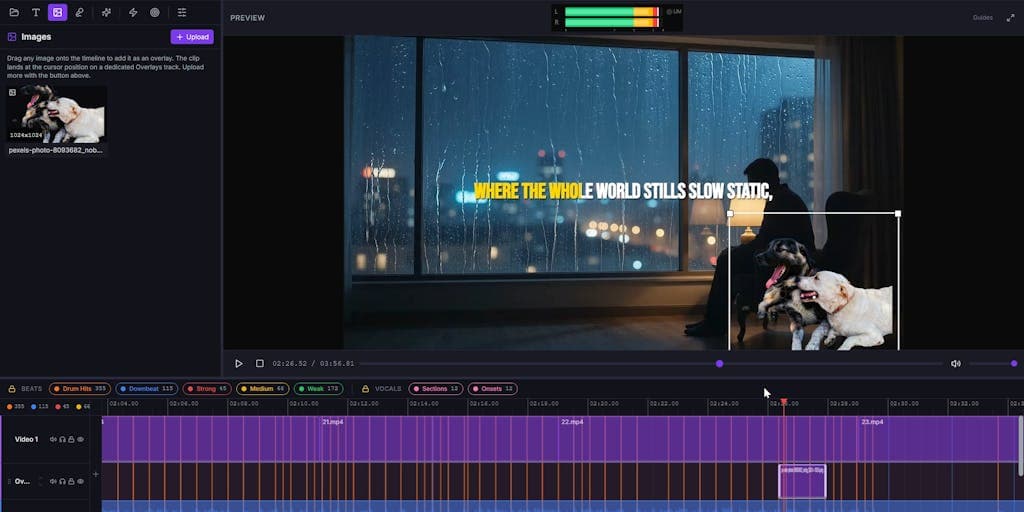
MadSync offers a desktop editor that automates music video creation using beat detection, stem separation, and auto-lyrics.
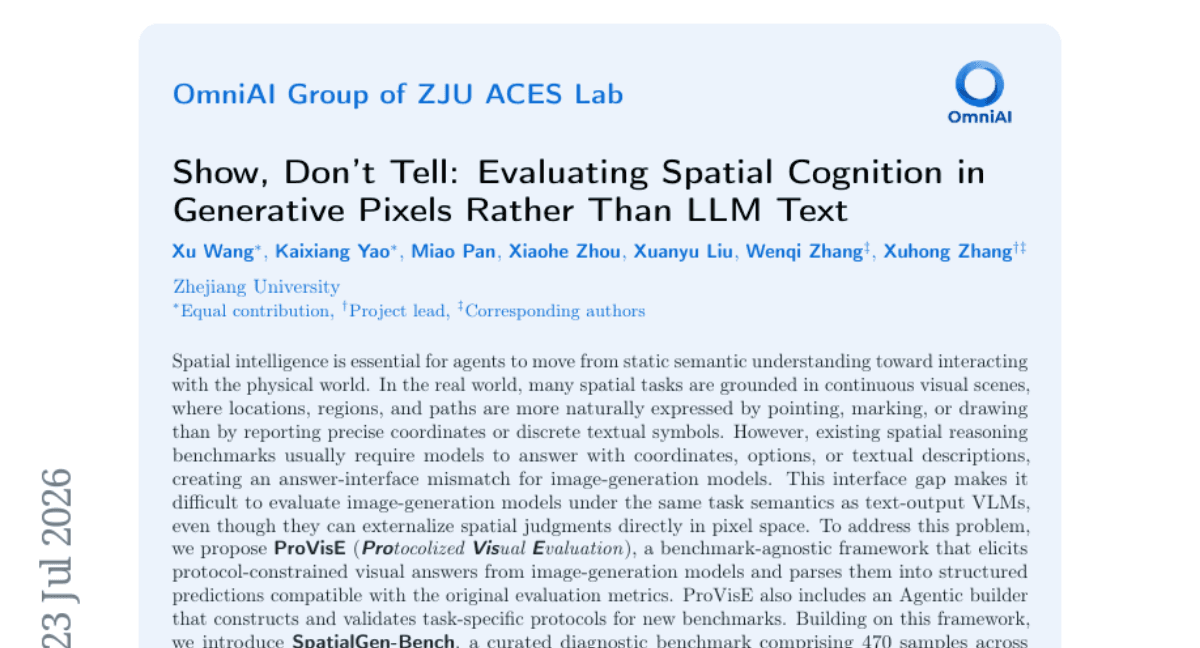
Image-generation models now face a fairer test of spatial intelligence through ProVisE, a framework that scores their pixel-based outputs directly...
Runway's model router and Flick's 3D Stage mark a clear trend toward integrated, controllable AI video tools.
Rikami AI-OCR launches today as a tailored tool for SMEs, converting invoices, forms, and messy handwriting into clean Excel, CSV, or PDF files...
Bigger context windows introduce contradictory information, bury relevant tools, and let stale inputs compete for attention. Production agentic RAG is...
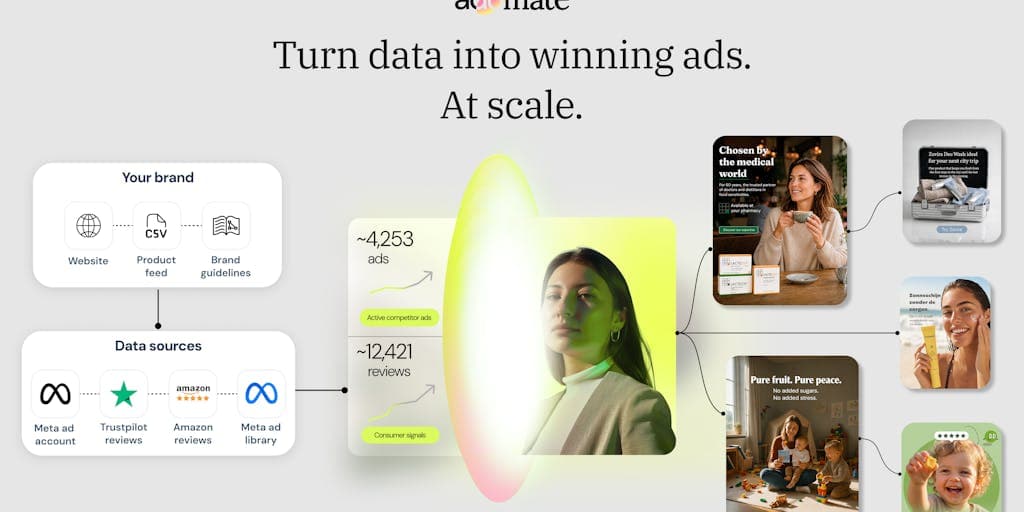
![Generative AI Advertising Examples for Marketers [2026]](/_next/image?url=https%3A%2F%2Fi.prt.news%2F2dd89e04d3986afcab8b96de58e792fa.jpg&w=3840&q=75)