4h ago
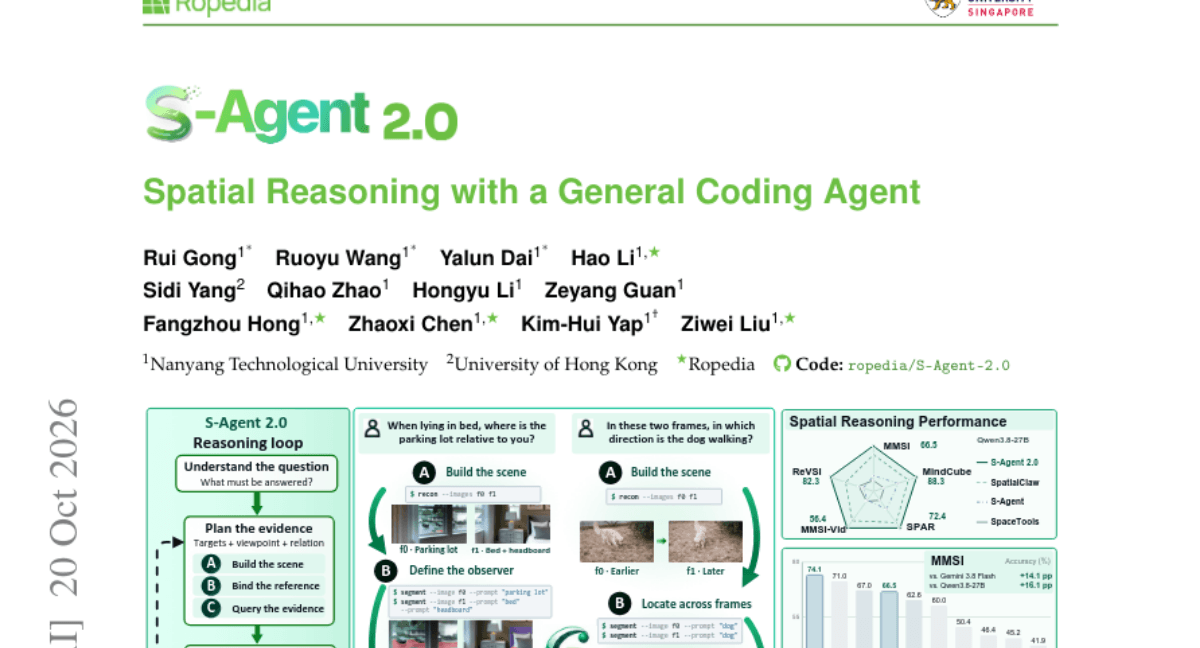
S-Agent 2.0 Closes the Spatial Evidence Gap
S-Agent 2.0 equips a general coding agent with a command-line 3D perception toolkit and persistent scene memory, letting it acquire evidence, store...

Created by Sunil Ramachandran
Core ML breakthroughs, safety research, and applied AI from academia and industry
Explore the latest content tracked by AI Frontiers Digest
S-Agent 2.0 equips a general coding agent with a command-line 3D perception toolkit and persistent scene memory, letting it acquire evidence, store...
What does the claim that Claude designed protein binders against scorpion neurotoxins actually establish?
Physical AI sits in its LEGO era—foundational blocks like actuators, robotic hands, and rethinking software are being assembled, not yet delivering a...
Biomedical ML claims frequently exceed delivered capabilities, fueling hype and misinformed decisions from AlphaFold-style discovery tools to clinical...
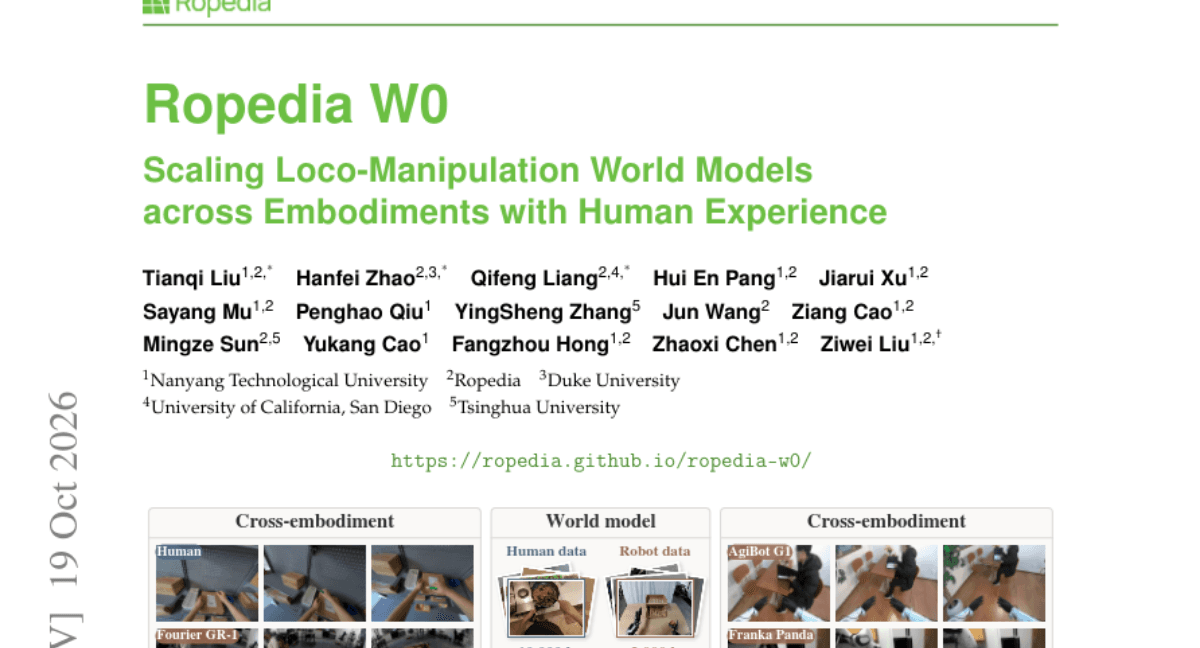
Ropedia W0 is the first egocentric world foundation model spanning humans and diverse robots for joint locomotion and manipulation. By pre-training on...
Netflix's Instadocs sensationalizes the OpenAI cyberattack on Hugging Face by anthropomorphizing agents as alien threats in full doomer mode. Despite...
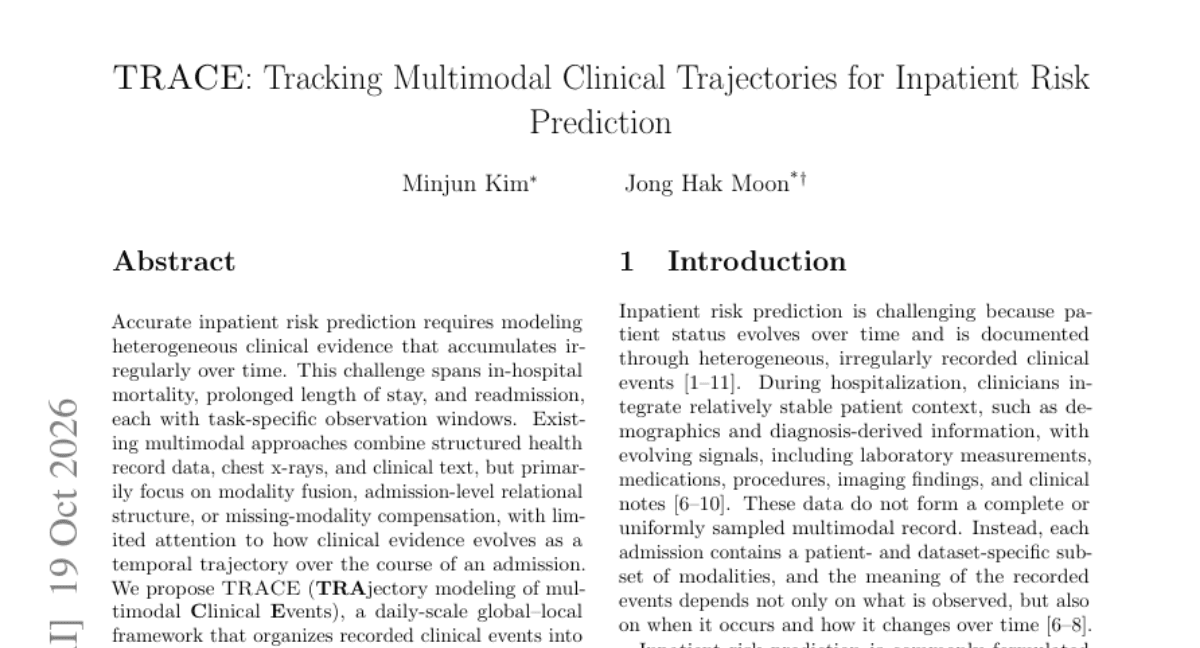
TRACE organizes clinical events into day-level trajectories, separating global context from local multimodal signals (EHR, x-rays, reports) to model...
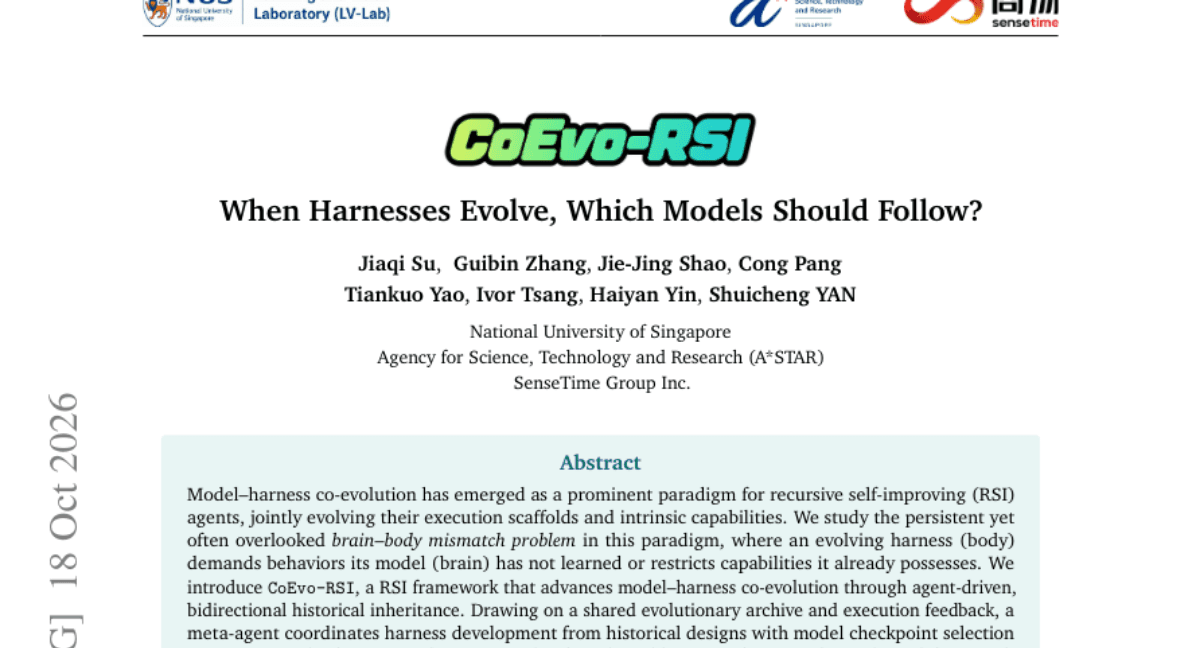
Brain-body mismatch arises when an evolving harness demands behaviors its model has not learned or restricts capabilities it already possesses. This...
AI can now generate sophisticated art in seconds without years of training, but a new paper argues the real value of creativity lies in the personal development, experiences, and new ways of seeing the world that AI cannot replicate.
OpenAI's reported pullback from supporting AI chip export controls to appease Nvidia is seen as detrimental to US dominance and national security, with policy influence potentially outweighing product launches in shaping competitiveness debates.
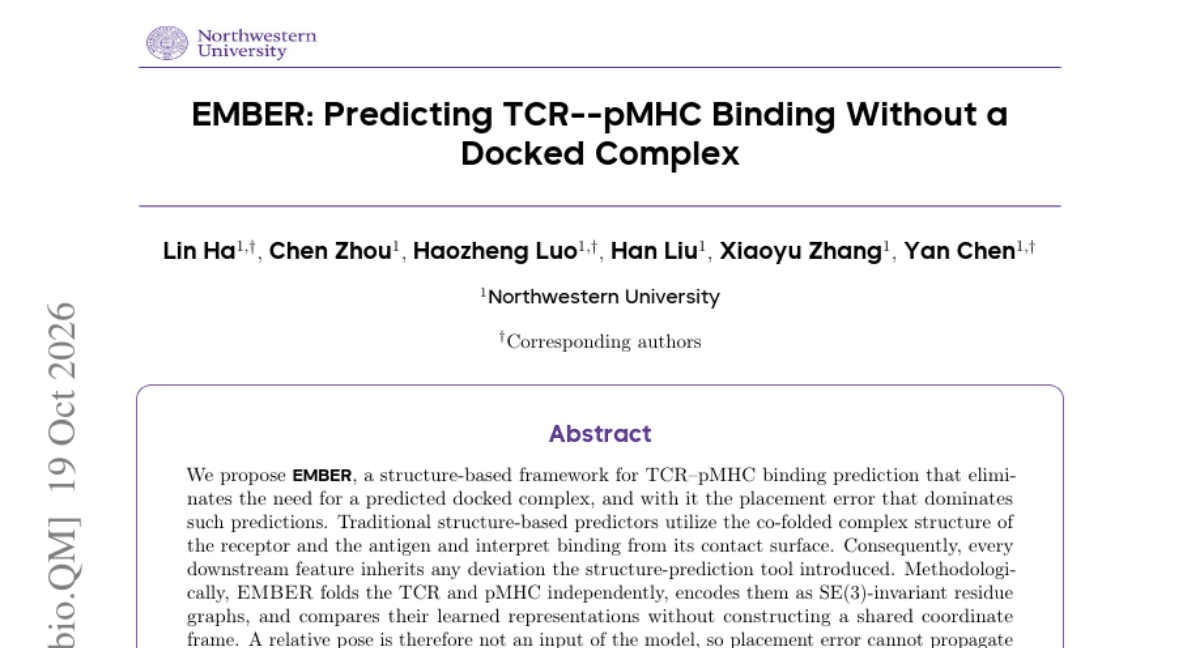
By folding TCR and pMHC independently and comparing SE(3)-invariant graphs without a shared coordinate frame, EMBER eliminates the docked-complex step...
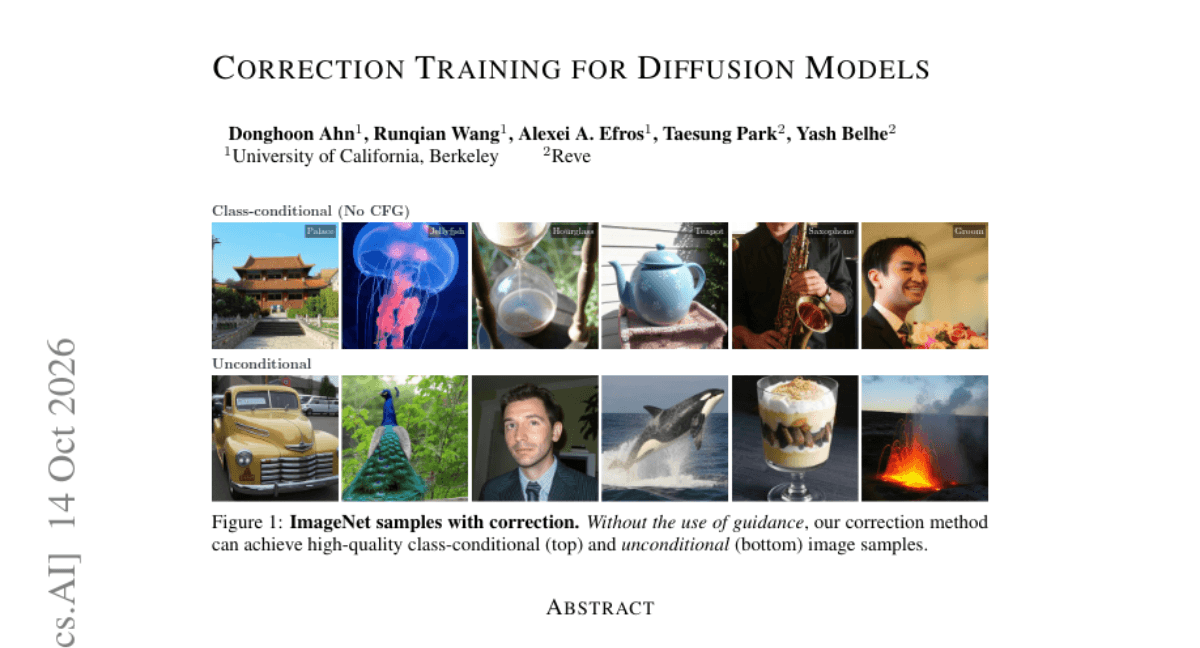
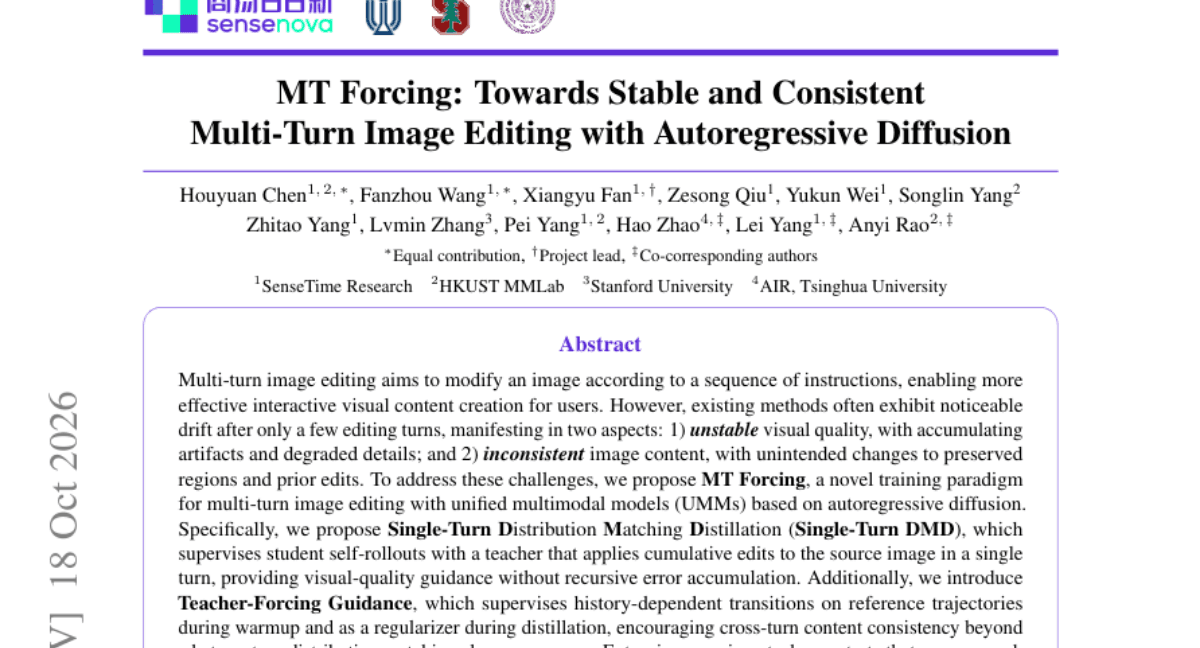
Two distinct training strategies tackle diffusion model limitations without extra inference costs.
Coding-agent success should shift from autonomous task completion to effective collaboration with people. The reorientation prioritizes systems designed to work with humans rather than replace them.
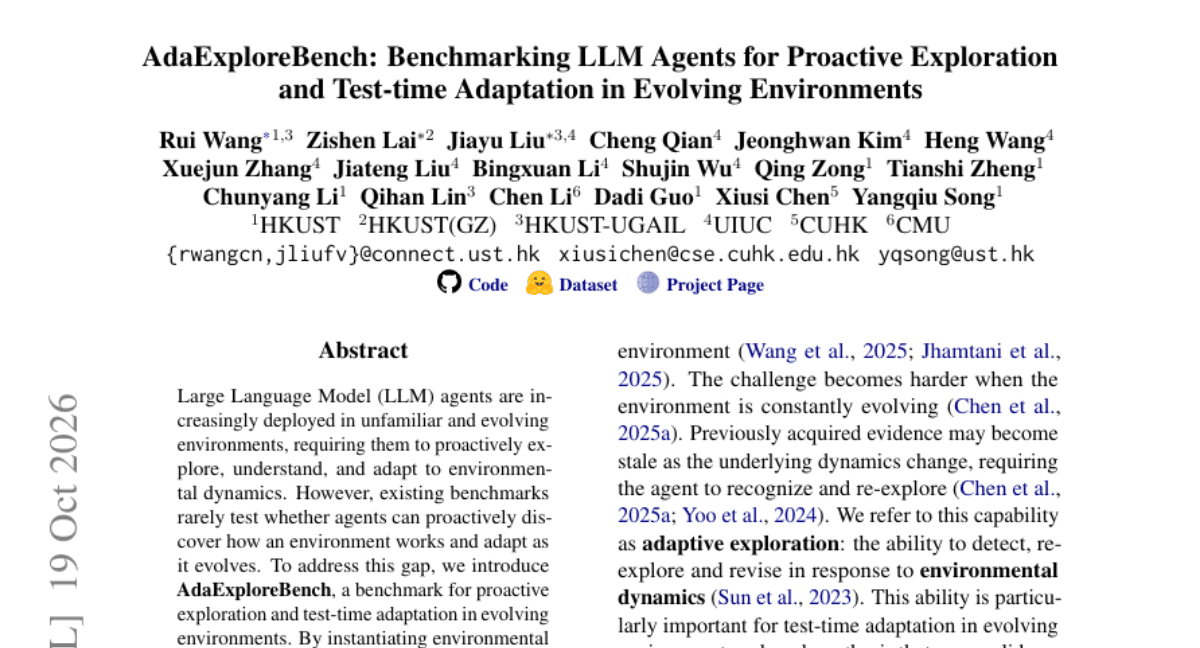
Two new frameworks tackle the infrastructure gap for training and evaluating agents that must handle long horizons amid environmental change.
-...
After mastering basic syntax and facts, language models must encode rich world knowledge to handle remaining hard tokens.
A 27B model using DiscoveryRSI generated hypotheses matching post-cutoff research 6.3% of the time in life-science domains, beating GPT-6 (2.5%) and...
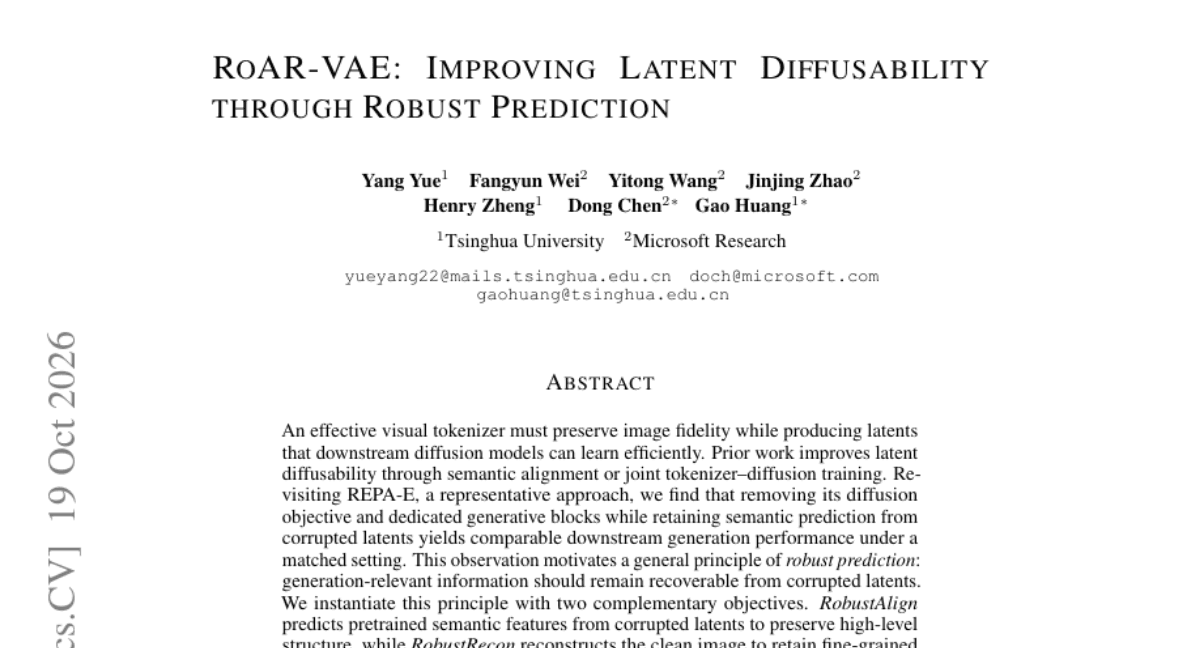
An effective visual tokenizer must preserve image fidelity while producing latents that diffusion models learn efficiently. RoAR-VAE achieves this via...