# AI-Driven Robotics in 2027: The New Era of Autonomous Infrastructure, Security, and Innovation
The year 2027 marks a pivotal juncture in the evolution of autonomous robotics, where AI-powered systems have transitioned from experimental prototypes to essential pillars of global infrastructure. These intelligent machines now operate seamlessly across industries—streamlining logistics, performing critical maintenance, exploring uncharted environments, and bolstering security in contested regions. Driven by groundbreaking technological advancements, strategic investments, and expanding ecosystems, autonomous robotics are fundamentally reshaping how societies manage complex, hazardous, and remote operations. Yet, this rapid expansion also introduces pressing cybersecurity challenges that demand urgent, coordinated responses to safeguard critical assets.
## Autonomous Robotics: The Bedrock of Critical Infrastructure
By mid-2027, autonomous systems have become indelible components of vital sectors worldwide. Governments, corporations, and research institutions deploy fleets of AI-driven robots capable of functioning reliably in environments previously deemed inaccessible or perilous. These include:
- Offshore oil platforms subjected to extreme weather and corrosive environments
- Underground tunnels with GPS-denied conditions for inspection and maintenance
- Contested border zones requiring persistent surveillance
- Deep-sea terrains for infrastructure inspection and resource exploration
- Battlefield environments demanding rapid, autonomous response capabilities
This technological integration has resulted in safer, more efficient, and sustainable operations, underpinning the resilience of global supply chains, energy infrastructure, and defense systems.
## Key Technological Breakthroughs Accelerating Adoption
Several innovations have catalyzed this widespread adoption, introducing new capabilities and improving reliability:
### Physics-Informed Perception (Ubicept)
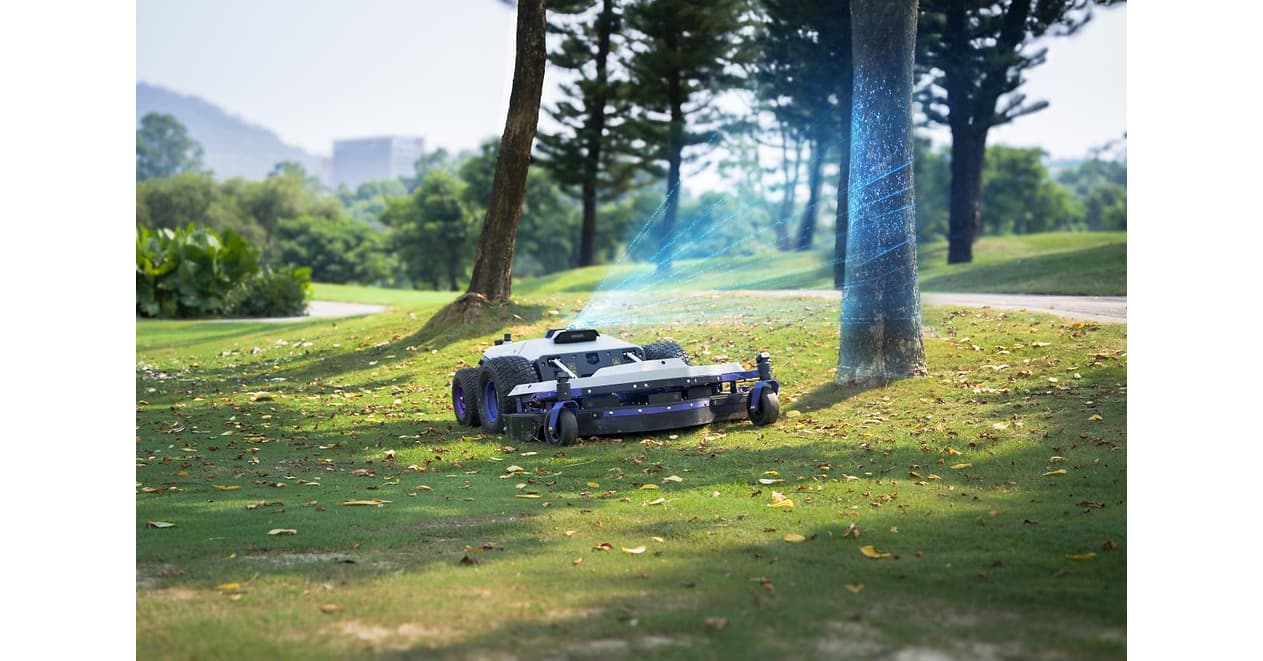
Demonstrated at CES earlier this year, Ubicept’s physics-based perception system now sets a new industry standard. Its models incorporate physical principles alongside sensor data, reducing perception errors by **up to 40%**. This robustness enables robots to operate effectively in dust, fog, low-light, and extreme weather conditions—crucial for outdoor inspections, cold-chain logistics, and hazardous maintenance tasks.
### Hierarchical Physics-Embedded Multi-Sensor Fusion
Advances in sensor fusion architectures now embed physical models within hierarchical frameworks, greatly enhancing perception accuracy in environments like deep-sea or underground tunnels. These systems minimize **Mean Absolute Error (MAE)**, ensuring near-continuous, safe operation even in cluttered or GPS-denied contexts.
### Redundant Perception Architectures
Collaborations among lidar leaders like **Ouster**, vision firms such as **StereoLabs**, and fusion specialists have produced multi-layered perception systems. These architectures maintain environmental awareness despite GPS-denied or cluttered settings—such as offshore rigs or subterranean tunnels—reducing reliance on external signals and increasing operational resilience.
### GPS-Denied Navigation & Edge AI
Autonomous vehicles equipped with **Edge AI accelerators** from **ANELLO** and **Robbyant** now perform real-time, low-latency inference independent of GPS signals. Rift’s **GPS-free positioning platforms** are widely deployed for underground and maritime inspections, expanding operational scope while reducing costs. Notably, **Robbyant’s LingBot-VLA**, an embodied AI capable of understanding complex, multi-domain instructions, enhances decision-making in extreme environments.
### Delicate Manipulation & High-Speed Simulation
**Robotiq’s tactile fingertips (TSF-85)** enable robots to handle fragile electronics and aerospace components with high precision. Meanwhile, Boston Dynamics’ Spot robots generate real-time 3D models of entire facilities, facilitating predictive maintenance. Recent demonstrations utilizing **high-fidelity simulations at 2,700 fps** via tools like **SuperSim** have strengthened perception robustness against unpredictable conditions.
### Reinforcement Learning on Hardware (Sim-to-Real Transfer)
Deployments of reinforcement learning directly on robots—such as rotary inverted pendulums—accelerate the transfer of policies learned in simulation to real-world scenarios. This approach reduces deployment times and improves resilience to disturbances, exemplified by successful applications in complex operational environments.
## Industry Momentum: Strategic Investments, Deployment, and Workforce Development
The sector’s vigor is evident through high-profile acquisitions, funding rounds, and deployment milestones:
- **Major Acquisitions & Funding:**
- **RES’s acquisition of Sulzer Schmid** enhances drone inspection capabilities, enabling rapid autonomous assessments of wind turbines and industrial complexes.
- **Vention’s $110 million funding round** supports AI integration within reconfigurable manufacturing systems, fostering adaptive factories.
- **Ethernovia’s Series B funding exceeding $90 million** underpins deployment of ultra-reliable AI networking infrastructure, managing extensive autonomous fleets with ultra-low latency.
- **Product Deployment & Operational Milestones:**
- The **Galbot S1**, capable of payloads up to **50 kg**, exemplifies heavy-duty industrial robots for demanding manufacturing, repair, and logistics.
- Fleets of **Boston Dynamics’ Spot and Orbit 5.1** are now central to inspection, data collection, and remote monitoring, further enhanced by tools like **Spot Cam**.
- **Robotiq’s tactile fingertips** have become indispensable for high-precision automation that was previously unfeasible.
- **Workforce Upskilling & Talent Development:**
Recognizing the critical need for skilled personnel, initiatives like **Genrobotic Innovations’** recruitment of ROS/ROS2 engineers and **Trener Robotics’** recent **$32 million** funding are expanding global talent pools. Collaborations such as **Auterion** and **Airlogix** are democratizing civilian drone production, reducing costs and broadening application horizons.
## Regional and Defense Initiatives: Europe’s Strategic Push
Europe continues to spearhead autonomous projects aimed at enhancing security and military resilience:
- **Deep-Strike Drones:**
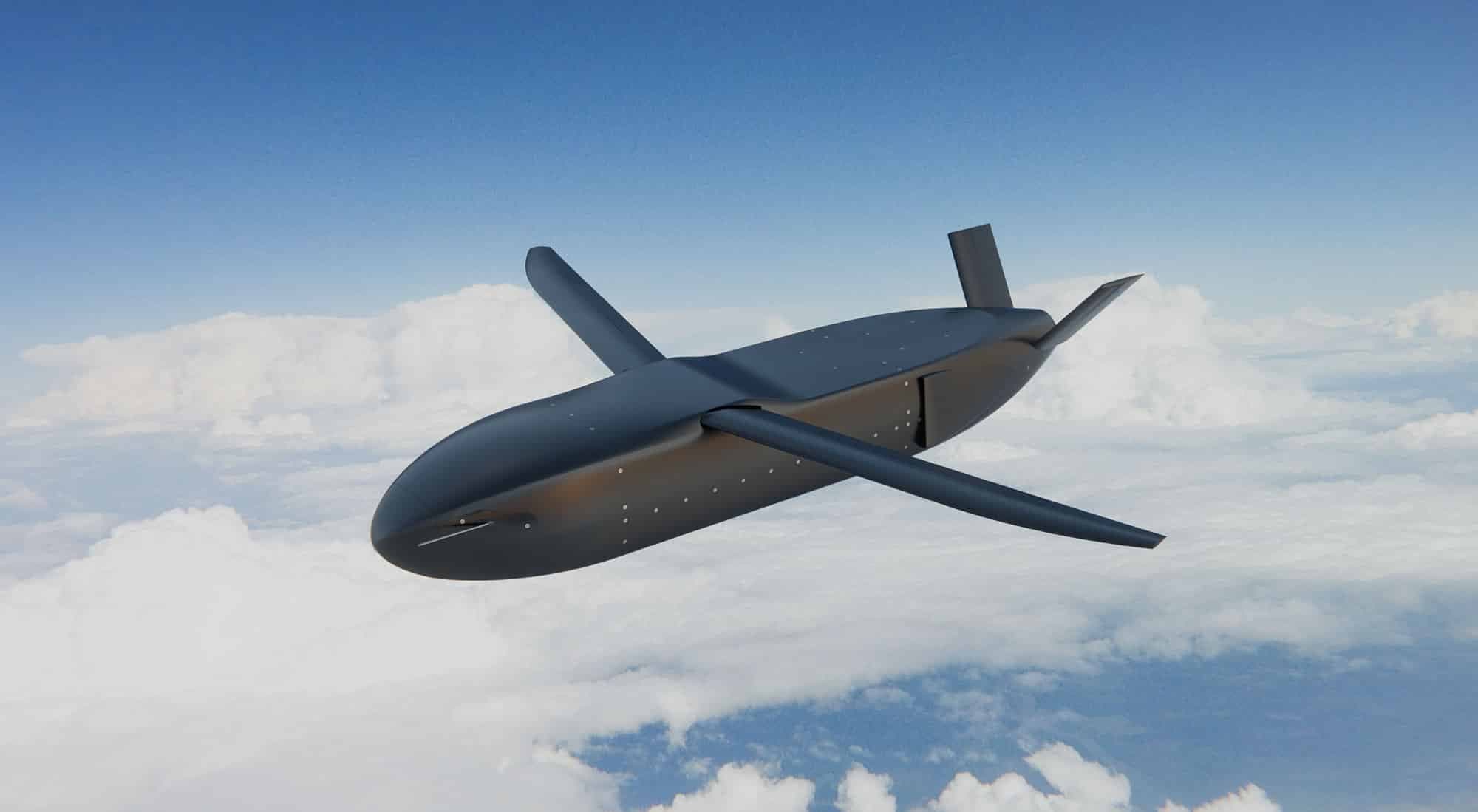
A coalition of **Germany, France, the UK, Italy, Poland, and Sweden** is developing a **500+ km loitering drone** designed for deep strike, reconnaissance, and intelligence missions. This initiative seeks to bolster Europe’s strategic autonomy and provide low-cost, high-capacity tools for contested environments.
- **Dual-Use Aerial Platforms:**
**Svarmi’s dual-use aerial data system** supports civilian infrastructure monitoring and military reconnaissance, delivering high-resolution geospatial intelligence critical for rapid decision-making.
- **Advanced Air Defense Systems:**
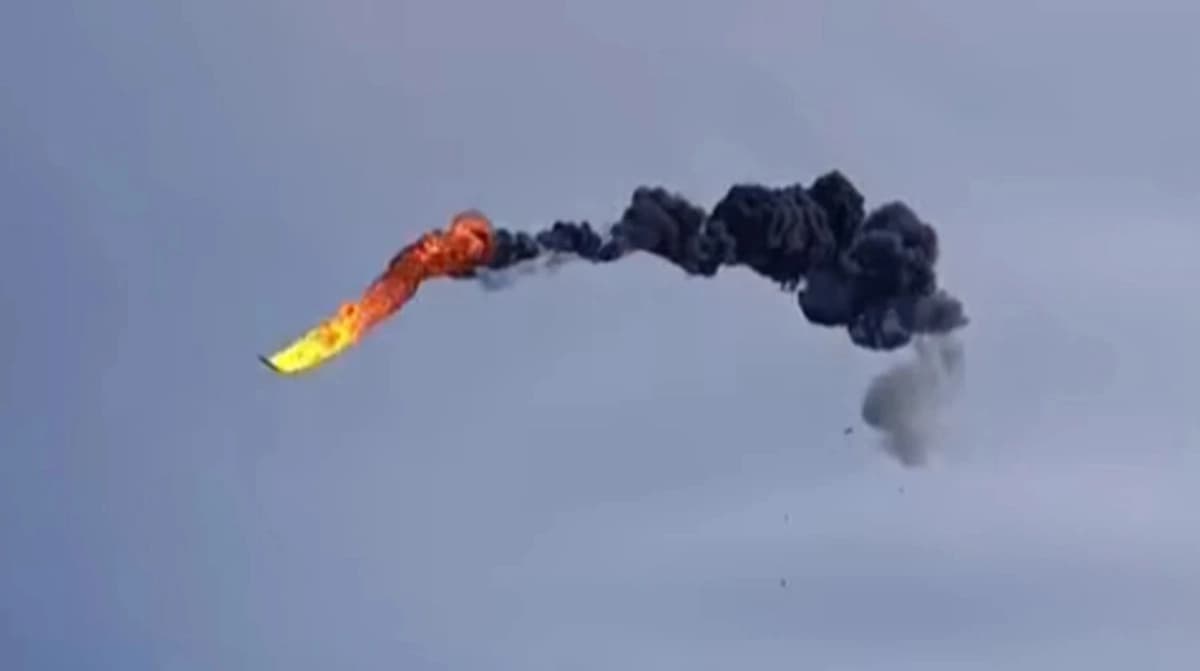
The **Tridon Mk2**, adopted by **Sweden and Denmark** for deployment in Ukraine, exemplifies **“smart response”** systems featuring integrated threat detection and neutralization of drone swarms and aerial threats—heightening regional security.
- **Marine Autonomous Vehicles:**
**Teledyne Gavia’s underwater AUVs** are now operational in Sweden, demonstrating advanced sonar capabilities and autonomous navigation for seabed mapping, pipeline inspection, and underwater infrastructure maintenance.
### Policy and Investment Signals
Recent developments underscore regional commitment:
- The **Oslo Conference** emphasized **energy security, infrastructure resilience, and defense**, highlighting investments in **autonomous AI ecosystems** and **secure networks**.
- Five European nations—**Germany, France, the UK, Italy, and Poland**—pledged millions of euros to produce **cost-effective, high-performance drones** and **air defense systems**, leveraging Ukrainian expertise to scale battlefield-proven innovations and bolster regional sovereignty.
## Evolving Infrastructure, Regulation, and Standardization
The expansion of autonomous operations hinges on adaptive regulatory frameworks:
- **Beyond Line of Sight (BLOS):**
Many regions now support BLOS operations, enabling large-scale inspections, maintenance, and surveillance over vast, inaccessible areas—significantly reducing operational costs and unlocking new applications.
- **European Data Infrastructure & Regional Centers:**
- **Mistral AI’s** **$1.4 billion** investment in Swedish data centers aims to develop regional AI compute infrastructure, facilitating federated learning and low-latency data exchange—crucial for fleet management.
- The EU’s **counter-drone blueprint** promotes interoperability and coordinated responses, elevating regional safety and strategic resilience.
- **Safety, Validation & Standards:**
Industry initiatives like **"Before Autonomy Takes Control"** emphasize formal verification, rigorous testing, and adherence to safety standards. Leading firms are adopting comprehensive validation protocols to ensure safety-critical reliability across sectors.
## Ecosystem Growth: Developer Engagement and Cutting-Edge Research
The autonomous robotics ecosystem continues to flourish:
- **ROS 2 Adoption:**
Recent data reveals an **85% increase** in ROS 2 package downloads, reflecting vibrant developer activity and ecosystem maturity. This facilitates seamless interoperability among fleet components, supporting scalable, cohesive autonomous systems.
- **Academic and Industry Research:**
Initiatives like **Lund University’s** offering of **49 PhD positions** in sensor fusion and multi-task learning exemplify ongoing academic contributions. Breakthroughs such as the **hierarchical physics-embedded fusion framework** bolster perception robustness in extreme conditions.
- **Simulation & Domain Gap Closure:**
High-fidelity simulation environments like **SuperSim** are instrumental in bridging the gap between virtual testing and real-world deployment, ensuring safer, more reliable autonomous systems at scale. Experts underscore that **closing the domain gap** is vital for widespread adoption.
### New Frontiers in Perception and Calibration
A notable recent development is the research on **Laser-Tracker-Based Robot Pose Measurement Using PSD Spot Sensing and Multi-Sensor Fusion with Simulation Validation**. This innovative approach uses laser trackers combined with photodiode (PSD) spot sensing to achieve **precise pose estimation** of robotic systems, validated through advanced simulation environments. This method enhances calibration accuracy, leading to improved perception robustness and operational reliability in complex environments.
## Addressing New Security Challenges
As autonomous systems proliferate, so do vulnerabilities. **UC Irvine’s** recent disclosure of a security vulnerability in autonomous drones revealed **attack techniques** capable of defeating target-tracking systems. These exploits increase the attack surface, threatening civilian and military operations alike.
**Key insights include:**
- Demonstrations of methods to **override or disable** autonomous target-tracking, enabling hijacking, misinformation, or sabotage.
- Exploitation of weaknesses in **sensor data integrity** and **communication channels**.
- The critical need for **security-by-design** principles, **adversarial robustness**, and **comprehensive incident response frameworks**.
### Implications and Industry Response
The rise of autonomous fleets necessitates **robust cybersecurity measures**, including **anomaly detection**, **secure communication protocols**, and **supply-chain vetting**. Industry leaders and governments are now prioritizing the integration of **security features** into the design and deployment phases to mitigate potential threats.
## Hardware and Compute: Foundations of Resilience
Recent innovations among semiconductor and sensor vendors underscore the importance of hardware robustness:
- **Infineon Technologies** showcased **MCU and sensor solutions** at **embedded world 2026**, emphasizing energy-efficient, secure, and reliable components tailored for autonomous applications. These hardware solutions support **secure edge AI** operation in harsh environments, ensuring fleet resilience and sustainability.
The synergy between hardware advancements and software innovations creates a **robust backbone** capable of supporting the demanding computational and sensing needs of autonomous systems.
## Current Status and Future Outlook
As 2027 unfolds, the integration of AI-driven robotics into critical infrastructure accelerates at an unprecedented pace. Breakthroughs such as physics-informed perception, hierarchical sensor fusion, and ultra-reliable networking are empowering autonomous systems to operate effectively in extreme and remote environments. Concurrently, the industry recognizes that **security vulnerabilities** pose significant risks—prompting a shift toward **security-by-design**, **formal verification**, and adherence to **international standards**.
The balance between **rapid innovation** and **rigorous validation** is paramount. International collaborations, strategic investments, and ongoing research are laying the groundwork for a future where **autonomous fleets are resilient, secure, and trustworthy**. These systems will play a vital role in safeguarding infrastructure, optimizing operations, and maintaining geopolitical stability.
**In sum**, 2027 exemplifies a year of remarkable technological achievement and urgent necessity—highlighting that the true promise of autonomous robotics depends on integrating **cutting-edge innovation with robust security, verification, and standardization efforts**. Only through this balanced approach can society ensure that these intelligent systems serve reliably and securely for decades to come.