# UK Government Alters Concessionary Bus Pass Rules for Pensioners Amid Climate and Infrastructure Challenges
The UK government’s impending overhaul of the concessionary bus pass scheme, set to take effect from **19th February 2026**, has ignited widespread concern, especially among pensioners living in rural, island, and remote communities. While officially framed as a modernization effort aimed at reducing public expenditure and promoting environmental sustainability, recent extreme weather events, infrastructural vulnerabilities, and operational disruptions have starkly exposed the fragility of the country’s transport network. These developments underscore the urgent need for a comprehensive, resilient, and inclusive mobility strategy that safeguards the most vulnerable populations from current and future disruptions.
## Key Elements of the Reforms and Their Disproportionate Impact
The proposed reforms introduce several measures that threaten to deepen social inequalities and restrict mobility for elderly residents:
- **Stricter Eligibility Criteria**:
The new scheme proposes **income assessments** and **residency requirements**, risking disqualification for many pensioners who rely on free or discounted travel for essential activities such as healthcare appointments, shopping, and social engagement. These changes particularly impact residents in **rural, island, and remote regions**, where public transport options are already limited, and mobility support is vital.
- **Increased Age Thresholds and Eligibility Changes**:
The reforms will **raise the qualifying age** for free bus passes, meaning some pensioners nearing the new cutoff may lose eligibility. This shift could lead to increased social exclusion, worsening health outcomes, and reduced access to vital services.
- **Reduction of Off-Peak Benefits**:
Currently, pensioners benefit from **free off-peak travel**, providing flexibility for attending social events and medical appointments. The reforms **may eliminate or significantly restrict** these benefits, forcing many to rely on **more expensive alternatives** such as taxis or private hire vehicles—costs that are often prohibitive for those on fixed incomes.
- **Journey and Route Restrictions**:
Indications point to **limits on daily or weekly journeys** and **restrictions on rural and island routes**. Such caps threaten to further isolate vulnerable populations, particularly in regions with sparse transport infrastructure, hampering access to healthcare, shopping, and community activities.
- **Financial and Health Implications**:
The cumulative effect of these measures risks **substantially increasing transportation costs** for pensioners, especially amid rising energy prices and inflation. Limited mobility is directly linked to **worse health outcomes**, increased loneliness, and mental health decline—issues that are especially acute among the elderly.
## Climate Disruptions and Infrastructure Fragilities Expose Transport Vulnerabilities
Recent extreme weather events have vividly demonstrated how climate change is undermining transport infrastructure, particularly in remote communities, further aggravating access issues:
- **Storms Amy and Chandra**:
These storms caused **widespread ferry cancellations and service suspensions** across Scotland’s islands—including Shetland, Orkney, and the Western Isles—disrupting the delivery of **medical supplies, groceries**, and other essentials.
- Key ferry routes such as **Ardrossan to Brodick**, **Troon to Brodick**, and **Oban to the islands** faced significant delays and cancellations.
- A Shetland councillor emphasized:
> _"The ferry cancellations during storms highlight the urgent need for more vessels and resilient infrastructure to keep remote communities connected."_
These disruptions reveal the **climate-related fragility** of transport lifelines, risking increased social exclusion and economic hardship.
- **Major Road and Rail Disruptions**:
- The **A1 near Cedar and Berwick** experienced delays and convoy systems due to resurfacing and flooding on **12–13 February 2026**.
- Flood warnings along the **A9** near Inverclyde led to road closures, further restricting mobility.
- The **eight-day suspension of ScotRail’s Inverclyde line** following an accident near North Berwick exemplifies ongoing challenges affecting vulnerable travelers relying on rail services.
- **Infrastructure Works and Environmental Challenges**:
- The **A9 Tomatin–Moy drainage project**, involving **overnight convoy systems from 19:30 to 06:30**, has caused delays.
- The **retaining wall closure on the A9 near North Berwick** persists until December 2026, underscoring persistent vulnerabilities in vital corridors.
### Additional Weather and Health Alerts
Environmental agencies continue issuing warnings that complicate travel plans:
- The **Scottish Environment Protection Agency (SEPA)** has issued **local flood warnings** across Moray and surrounding areas.
- The **Met Office** has issued **yellow weather warnings** for snow, sleet, and freezing rain across parts of Scotland, forecasting delays, road closures, and cancellations—especially impacting those reliant on public transit.
- A **cold weather health alert** remains in effect across much of the UK, with temperatures dropping as low as **-4°C**, increasing risks of falls, hypothermia, and other cold-related health issues among pensioners.
## Recent Incidents and Their Broader Significance
Adding to the already strained network, several recent incidents have further exposed vulnerabilities:
- **Live Bus Blocking in Glasgow**:
A significant disruption occurred on **Barrhead Road in Glasgow’s Silverburn area**, where a bus became **stuck or blocked**, causing **major travel chaos** during peak hours. Such incidents critically impact vulnerable commuters who depend on reliable services.
- **Major Road Projects and Delays**:
- The **M8 bridge project** is in its fourth phase, involving **overnight closures and contraflow systems** affecting peak times.
- The **A68 resurfacing near Fala** involves **overnight lane closures and temporary lights**, causing local delays.
- **Ferry Fleet Modernization and Disruptions**:
The **CalMac ferry operator** is facing **extended repairs on the MV Glen Sannox**, which has been out of service for over three months, delaying fleet renewal and storm-season resilience efforts. A CalMac spokesperson described the situation as **"scandalous,"** emphasizing the need for more resilient vessel management.
- **Borders Railway Disruption**:
A recent incident involving a **38-year-old man** caused disturbances on the Borders Railway, highlighting ongoing safety and operational challenges.
- **A90 Brechin Crossover Upgrade Delays**:
Planned upgrades near Brechin are experiencing **delays of up to 1 minute and 30 seconds** due to lane restrictions, illustrating infrastructural pressures.
- **ScotRail Fare Enforcement**:
From **April**, ScotRail plans to introduce a **£10 minimum fare** for fare-dodgers, aiming to curb fare evasion but raising concerns about affordability for low-income travelers. This policy reflects broader efforts to improve revenue amid ongoing disruptions.
### New Disruptions Reinforcing Fragility
Recent developments underscore how opportunistic crimes and infrastructural issues compound climate and policy-driven vulnerabilities:
- **Busy Scots Road Closure**:
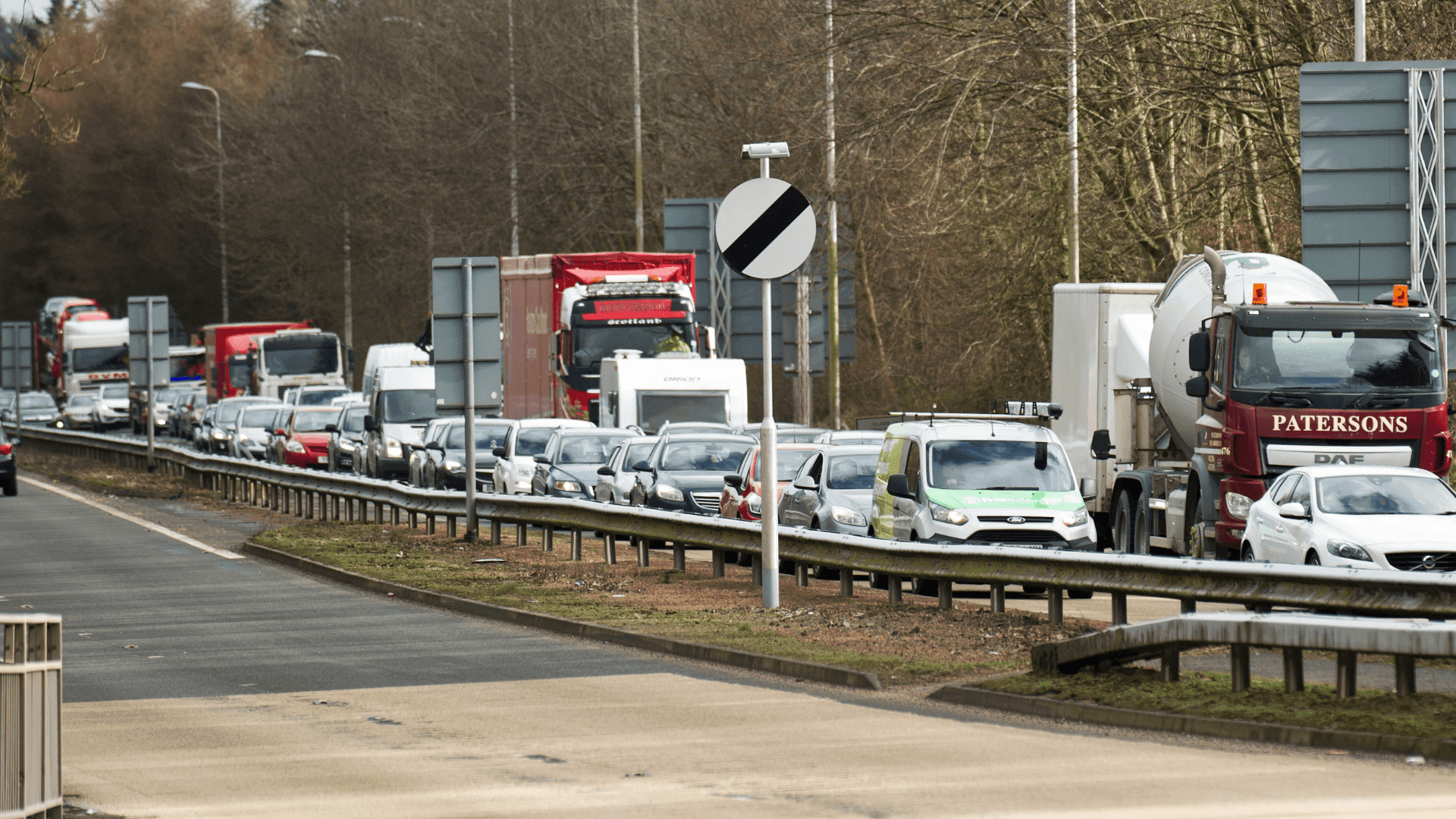
A major Scots road is set to **close for over two weeks**, due to urgent maintenance and safety concerns, causing widespread disruptions for thousands of drivers. This exemplifies infrastructural fragility that disproportionately impacts rural and peri-urban communities.
- **Overnight Cable Theft Disrupts Rail Services**:
Recent **overnight cable thefts** have severely disrupted railway services between **Glasgow and Edinburgh**, as well as **Airdrie to Bathgate** routes. Such crimes not only delay daily commutes but also highlight opportunistic thefts that further destabilize an already fragile network. The **Airdrie to Bathgate** line experienced significant service interruptions, adding to ongoing challenges faced by reliant commuters.
## Exploring Future Connectivity Solutions
In light of persistent infrastructural fragilities and climate-induced disruptions, discussions are underway about long-term solutions to improve connectivity, particularly for remote and island communities. One such proposal gaining traction is the consideration of **fixed links**, such as **bridges or tunnels**, to connect the Isle of Mull and other islands with mainland Scotland.
**A recent proposal suggests that**:
> *Bridges, tunnels, or causeways could link the Isle of Mull to the Scottish mainland in the future. Such infrastructure would significantly enhance resilience against storm damage, reduce reliance on ferry services, and improve year-round access for residents, visitors, and essential services.*
While currently in the planning and feasibility stages, this idea reflects a broader understanding that **climate change and infrastructural vulnerabilities** demand innovative and durable connectivity solutions.
## Regional and Policy Responses
In response to these mounting challenges, several initiatives aim to bolster resilience and support vulnerable populations:
- **Moray’s £2 Fare Pilot**:
Early results from this regional pilot have shown **positive impacts**, with participants benefiting from **reduced travel costs** and **improved access**, especially aiding pensioners and low-income residents.
- **Scottish Government’s Transport Investment**:
Allocating **£22.5 billion for 2026–27**, the government is funding **ferry fleet upgrades**, **flood defenses**, and **community transport projects** designed to enhance climate resilience.
- The **rail fare freeze** remains in place, maintaining affordability for vulnerable groups, even as certain eligibility criteria become more restrictive.
- **Infrastructure and Resilience Projects**:
- **Drainage and Flood Defenses**: An **£800,000 upgrade** near Edinburgh aims to reduce flood risks but temporarily disrupts services.
- **Ferry Fleet Modernization**: The recent arrival of vessels like **MV Isle of Islay** aims to improve reliability during storm seasons.
- **Coastal Defenses**: Enhanced flood defenses are being constructed in vulnerable coastal areas.
- **Regional Support Measures**:
- **Northern Isles Fare Updates**: The Scottish Government has announced the **removal of mid and off-peak fares** on **Northern Isles Ferry Services**, reducing costs for island residents—including pensioners—who depend heavily on these routes.
- **Moray Council’s Funding Dilemma**: Despite a **“record” funding package** from the Scottish Government, Moray Council has warned that **new policies and rising costs** have outstripped financial support, making it difficult to sustain local services.
> _"The price tag of Scottish Government decisions means that a 'record' funding package will not ease Moray Council’s financial pressures,"_ a council spokesperson stated, highlighting the fiscal strain on local authorities trying to maintain vital transport links amid broader policy reforms.
## Outlook and Future Priorities
The convergence of climate change effects, infrastructural fragilities, and policy reforms underscores the **urgent need for a comprehensive, climate-resilient, and socially equitable transportation strategy**. Moving forward, key priorities should include:
- **Investing in climate-proof infrastructure**: Upgrading ferries, roads, and railways to withstand increasingly severe weather events.
- **Protecting eligibility and affordability**: Ensuring that reforms do not compromise access for vulnerable populations, particularly in remote and island communities.
- **Expanding targeted social support**: Implementing assistance programs to offset rising transportation costs and mitigate health risks associated with limited mobility.
Without such proactive measures, there is a significant risk that **social inequalities will deepen**, leaving pensioners and remote communities even more isolated amid ongoing climate and infrastructural challenges.
## Conclusion: A Critical Juncture for Resilient and Inclusive Transport
As winter persists with snow, ice, and flooding, these overlapping issues highlight the **critical importance of resilient, inclusive, and climate-adapted transportation policies**. Recent incidents—ferry delays, rail disruptions, infrastructural delays, and fare enforcement—illustrate how fragile the UK’s transport network has become. While some regional initiatives and new vessels like the **MV Isle of Islay** offer hope, long-term resilience hinges on **substantial investment** and **innovative solutions**.
The discussions around **fixed links**, such as bridges or tunnels to islands like Mull, exemplify the forward-thinking needed to address structural vulnerabilities. Ultimately, **prioritizing equitable access** and **climate resilience** in transport planning is essential to prevent further social exclusion, especially among pensioners in remote areas, and to ensure the country’s infrastructure can withstand the escalating impacts of climate change.