Mid to late 2026 continues to mark a pivotal era in dementia caregiving, with new advances reinforcing and expanding the ecosystem of **practical supports, culturally competent community programs, cutting-edge diagnostics, innovative technologies, and caregiver education**. Recent developments deepen our understanding of dementia’s complexity, highlight ongoing systemic challenges—especially in home healthcare equity—and showcase novel interventions spanning sensory therapies, AI-enabled therapeutics, and holistic prevention. Together, these strides promise a more integrated, accessible, and compassionate caregiving landscape.
---
### Persistent Home Healthcare Quality Gaps Spotlight Workforce and Equity Challenges
Despite growing recognition of dementia-specific needs, **Medicare data reveal enduring disparities in home healthcare quality for people with dementia**, particularly affecting rural, minority, and underserved communities. These individuals consistently receive fewer skilled nursing and therapy visits, with less comprehensive care planning and follow-up than cognitively unimpaired peers. The consequences include heightened risks of unmet needs, preventable hospitalizations, and accelerated functional decline.
Dr. Elena Martinez, a geriatric care expert, underscores the stakes:
> *“Without consistent, skilled dementia-specific support in the home, caregivers shoulder unsustainable burdens while patients face avoidable declines.”*
Root causes remain multifactorial: persistent workforce shortages compounded by inadequate dementia-specific training, geographic barriers, and systemic resource allocation biases. Encouragingly, emerging workforce models focusing on **personality matching between caregivers and recipients**, **continuity-of-care teams**, and comprehensive dementia workforce development programs show promise in improving care quality, caregiver satisfaction, and retention.
---
### Expansion and Diversification of Culturally Competent Community Programs
Community-based programs continue to evolve as critical pillars supporting dementia caregivers, particularly in semi-rural and underserved areas:
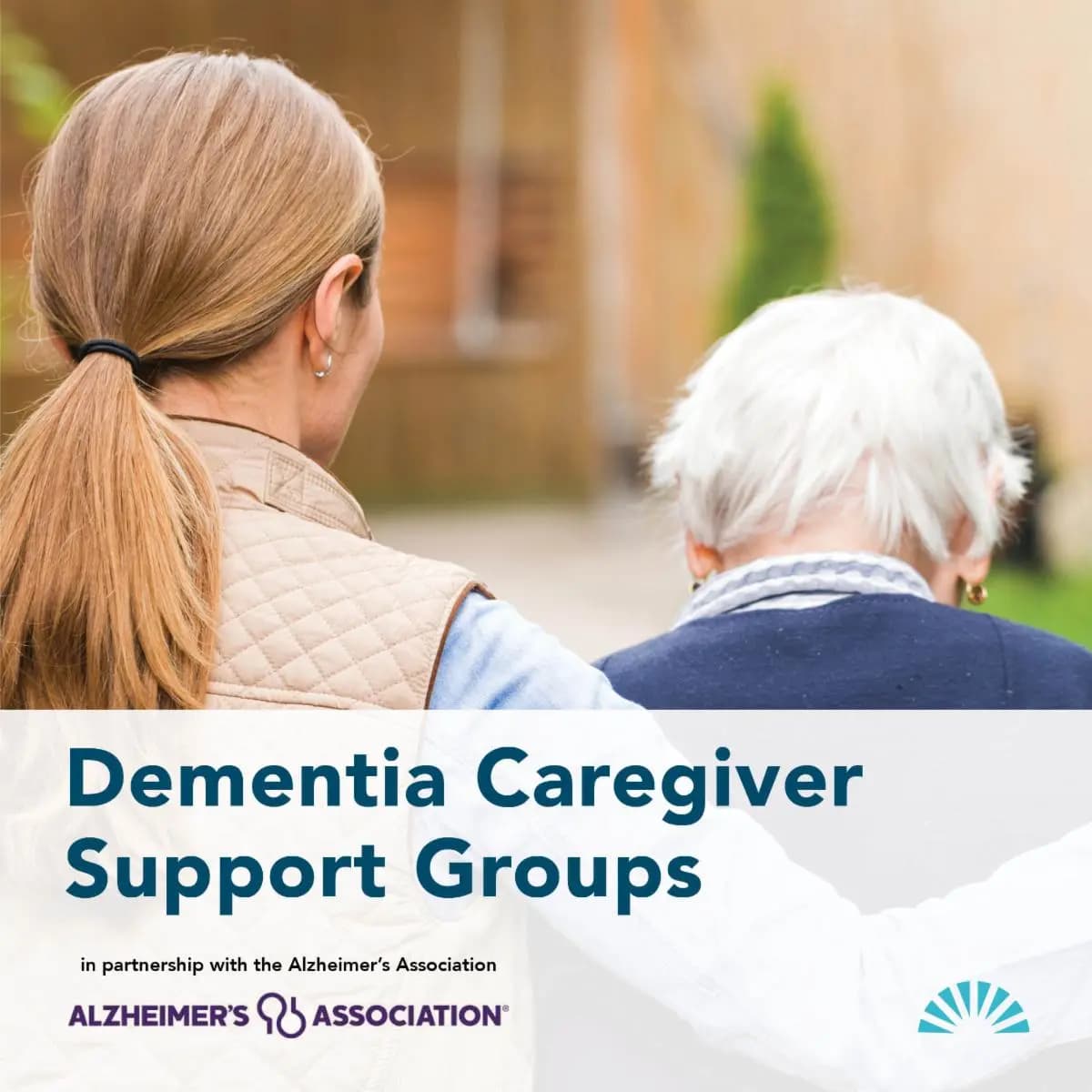
- **Cona Elder Law’s Caregivers Support Group**, launched in March 2026, provides a culturally sensitive forum where caregivers address legal, emotional, and practical challenges, fostering empowerment through peer connection and resource sharing.
- The **Alzheimer’s Association’s ongoing public education programs** enhance dementia awareness and provide accessible learning opportunities for families in diverse communities.
- **Stonehill Communities** have scaled hybrid models combining telehealth behavioral counseling with volunteer-led respite services, effectively reducing caregiver isolation and extending support to early-stage dementia caregivers remotely.
- Policy advances such as **Lifespan Extension Acts** in several states now enable longer-term respite funding, addressing a chronic shortage in caregiver breaks.
Sarah O’Connor, coordinator of King City’s dementia hub, reflects on the communal impact:
> *“Caregiving is fundamentally a community effort. By creating spaces that combine education, connection, and respite, we enable families to sustain home care longer with less strain.”*
Still, rural shortages and access disparities remain pressing, highlighting the urgency of frameworks like the **GUIDE model** to standardize equitable dementia service delivery across geographies and cultures.
---
### Sensory Psychosocial Interventions and Proactive Respite Emerge as Key Care Strategies
Growing empirical evidence supports **sensory-based psychosocial therapies** as effective non-pharmacological interventions to reduce agitation, anxiety, and behavioral symptoms in dementia, especially in advanced stages. Techniques such as tactile art engagement, aromatherapy, multi-sensory environments, and culturally adapted music or Tai Chi offer meaningful emotional regulation and connection.
Caregiver education increasingly promotes **proactive respite care initiation**, moving away from crisis-driven respite use. Key triggers prompting respite now include:
- Escalating caregiver fatigue or health decline.
- Increasing behavioral challenges in care recipients.
- Disruptions to established caregiving routines.
This anticipatory model aims to preserve caregiver well-being, reduce burnout, and improve the sustainability of home-based care.
In parallel, new research highlights the high prevalence of **visual hallucinations** in dementia with Lewy bodies (DLB), affecting 55% to 78% of patients, and their significant impact on caregiver burden. Tailored caregiver education on hallucination recognition and management is increasingly integrated into training programs, aligning symptom management with dementia subtypes to improve outcomes and reduce caregiver distress.
---
### Technological Innovations Amplify Caregiver Support and Safety
Technology continues to reshape dementia caregiving, addressing both emotional and practical needs:
- **Virtual Reality (VR):** Clinical studies report up to a **30% reduction in agitation** among dementia patients exposed to immersive VR environments. VR also serves as an advanced caregiver training tool, fostering empathy and communication skills by simulating cognitive impairments.
- **Social Robots** such as **Mirokai** provide companionship and cognitive engagement, easing caregiver stress through emotional support and interaction.
- **AI-powered wearables and smart home sensors** enable real-time monitoring of falls, wandering, vital signs, and environmental safety, alerting caregivers promptly and facilitating precision care adjustments.
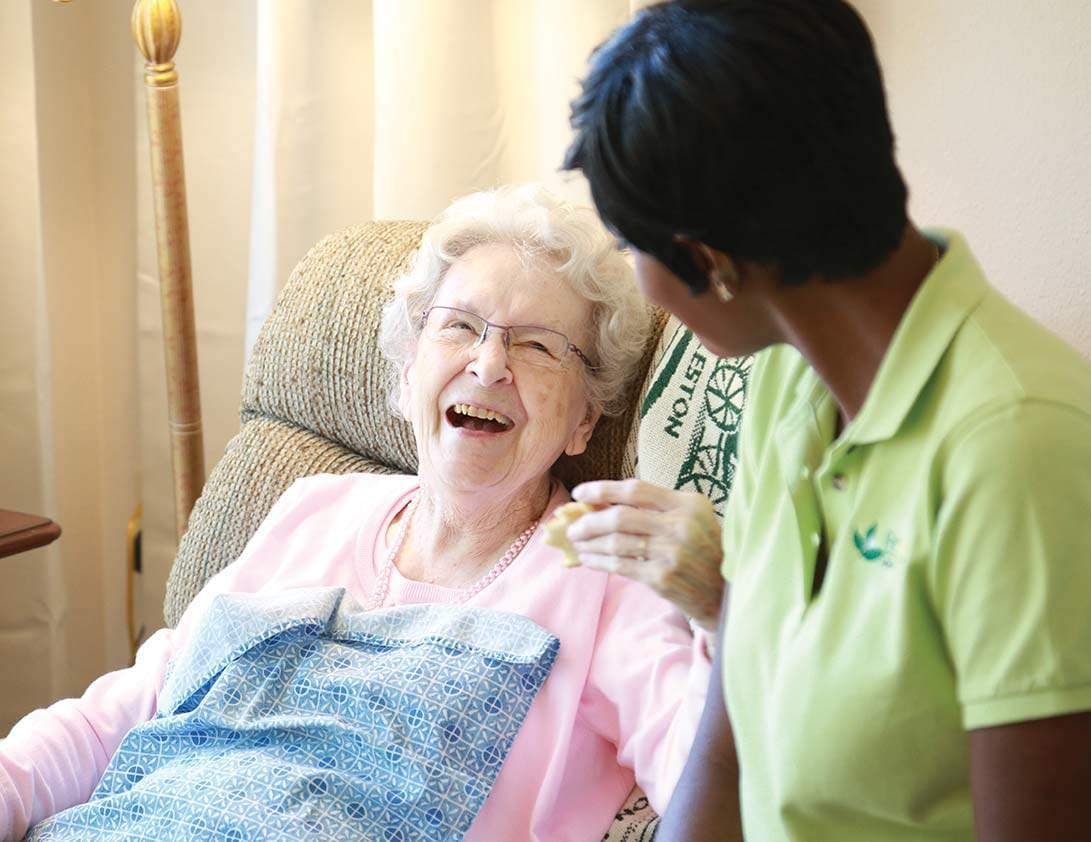
- Agencies employing **personality matching and continuity-of-care models** report significant reductions in caregiver burnout and improved patient satisfaction, underscoring the importance of consistent, personalized caregiving relationships.
- Innovative therapies encompassing culturally adapted music, Tai Chi, and tactile activities further empower caregivers with personalized, non-pharmacological tools to enhance quality of life.
---
### Breakthroughs in Diagnostics and Risk Prediction Enable Earlier, Personalized Care
Advances in biomarker science and AI-driven assessments are transforming early dementia detection and individualized care planning:
- The **NORRISK 2 cardiovascular risk score**, validated in the HUNT study, now correlates strongly with dementia and mild cognitive impairment (MCI), reinforcing integrated cardiovascular and cognitive health management.
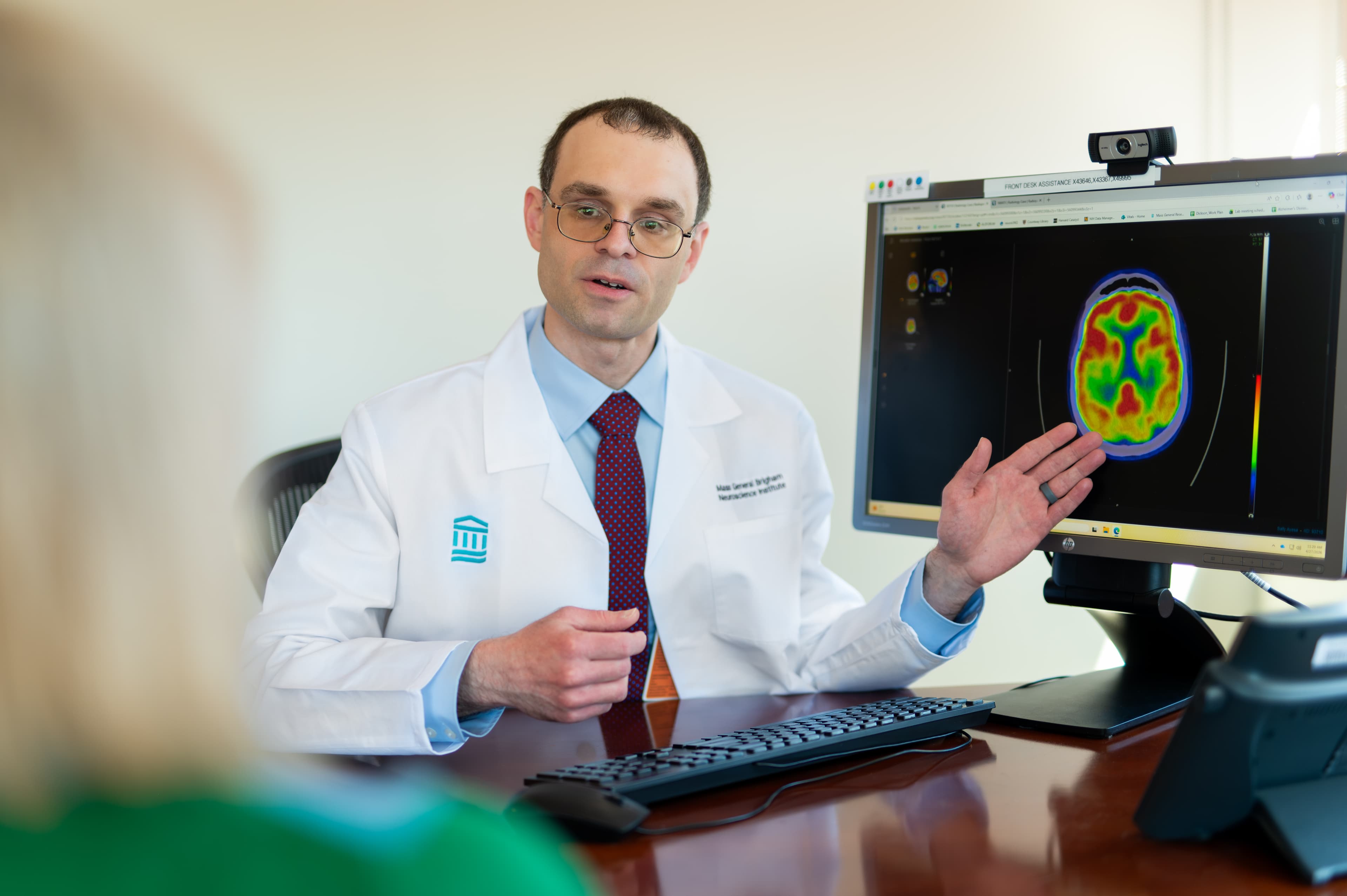
- Longitudinal plasma measurements of **phosphorylated tau (p-tau217)** accurately forecast Alzheimer’s symptom onset years in advance, facilitating proactive intervention.
- Washington University’s novel blood assay, achieving **94.5% diagnostic accuracy**, offers a minimally invasive complement to clinical evaluation.
- The recent regulatory approval of **lecanemab** for mild cognitive impairment incorporates biomarker confirmation guidelines, fostering integration with community-based care pathways.
- AI-enabled cognitive assessments combined with retinal imaging and fluid biomarkers refine diagnostic precision and disease monitoring.
- The **Alzheimer’s Blood Test Australia** initiative expands accessible blood-based diagnostics internationally.
- Mandarin-language cognitive assessment toolkits now support culturally adapted screening in diverse populations.
Public engagement is rising, spurred by viral educational media such as *“The Alzheimer’s 'Clock': How One Blood Test Predicts the Year Symptoms Will Start!”*, increasing awareness and encouraging earlier caregiver and clinical action.
---
### Emerging Therapeutics and Translational Research Accelerate Hope
Innovative therapeutic approaches are gaining momentum:
- A **breakthrough study from China** shows that **sound stimulation** via gentle pulsing audio may help clear Alzheimer’s plaques, suggesting a novel non-invasive intervention.
- The UK’s NHS is exploring **pilot trials** designed to fast-track new Alzheimer’s treatments into clinical practice, potentially overcoming existing translational bottlenecks.
- Integration of **lecanemab** into community care highlights evolving challenges and opportunities for equitable access and reimbursement.
Meanwhile, AI and **large language models (LLMs)** are revolutionizing drug discovery by prioritizing candidate therapeutics through comparative learning, accelerating preclinical evaluation, optimizing resource allocation, and potentially shortening the timeline for patient access to effective treatments.
---
### Policy, Financial Navigation, and Education Empower Caregivers and Broaden Access
Policy advances and financial tools remain critical to expanding caregiver support:
- Nebraska’s **LB 1222** mandates insurance coverage for FDA-approved Alzheimer’s therapies, easing financial burdens.
- Advocacy for broader reimbursement of advanced diagnostics and respite care intensifies, particularly for rural and underserved populations.
- New financial guides such as *“7 Ways DFW Families Pay for Memory Care Without Insurance or Savings”* help families navigate veterans’ benefits, Medicaid waivers, and community resources.
- Educational forums like the **Dementia Skills & Resource Fair** and the **Memory and Brain Wellness Center’s Virtual Caregiver Forum** offer expert guidance, peer networking, and practical caregiving resources.
- A proliferation of multimedia content educates caregivers on early dementia signs beyond memory loss—including apathy, social withdrawal, and gait changes—and behavioral symptom management.
- Notable videos such as *“When is it time to consider respite care?”* and *“🧠 The Early Signs of Lewy Body Dementia You Might Miss ⚠️”* enhance caregiver awareness.
- Cardiovascular wellness education is increasingly integrated into caregiver training, linking prevention with caregiving strategies.
---
### Toward an Integrated, Compassionate Dementia Care Ecosystem
The convergence of **community-based supports, culturally attuned psychosocial programs, advanced diagnostics, innovative therapeutics, and responsive policies** is fostering a more equitable, integrated dementia caregiving landscape:
- **Community hubs** (dementia villages, memory cafés, caregiver support groups) promote autonomy, social inclusion, education, and respite.
- **Education and peer networks** bolster caregiver resilience and reduce isolation.
- **Technologies**—including AI-powered smart homes, wearables, social robots, and VR—enhance safety, autonomy, and emotional support.
- **Caregiver-centered models** like personality matching and continuity-of-care empower families and improve care consistency.
- **Policy and advocacy** efforts prioritize scaling proven programs, addressing rural respite shortages, and integrating diagnostics and therapeutics into insurance coverage.
Caregiver advocate Marissa Nguyen encapsulates this vision:
> *“The future of dementia care hinges on embracing complexity—integrating science, culture, and community to support caregivers wherever they are.”*
---
### Implications and Next Steps
To sustain momentum and address persistent gaps, stakeholders must:
- **Close home healthcare quality disparities** through targeted dementia-specific workforce training, continuity-of-care models, and equity-focused policies.
- **Scale culturally competent, integrated local resource hubs**, building on successful models like King City, Stonehill Communities, and Cona Elder Law’s support group.
- **Incorporate emerging evidence on sensory engagement, proactive respite, and symptom-specific education** into caregiver training and health policy.
- **Expand insurance coverage and reimbursement** for advanced diagnostics, therapeutics, and respite services, with emphasis on rural and underserved populations.
- **Leverage AI and computational tools** to accelerate therapeutic development and optimize personalized care.
- **Integrate holistic prevention approaches** addressing infection control, metabolic and cardiovascular health, and gender-specific risks.
By embracing **multifaceted, culturally attuned, evidence-based, and technologically empowered supports**, the dementia caregiving community moves closer to a future where **caregiver burnout is meaningfully reduced** and families receive compassionate, practical care tailored to their unique needs.