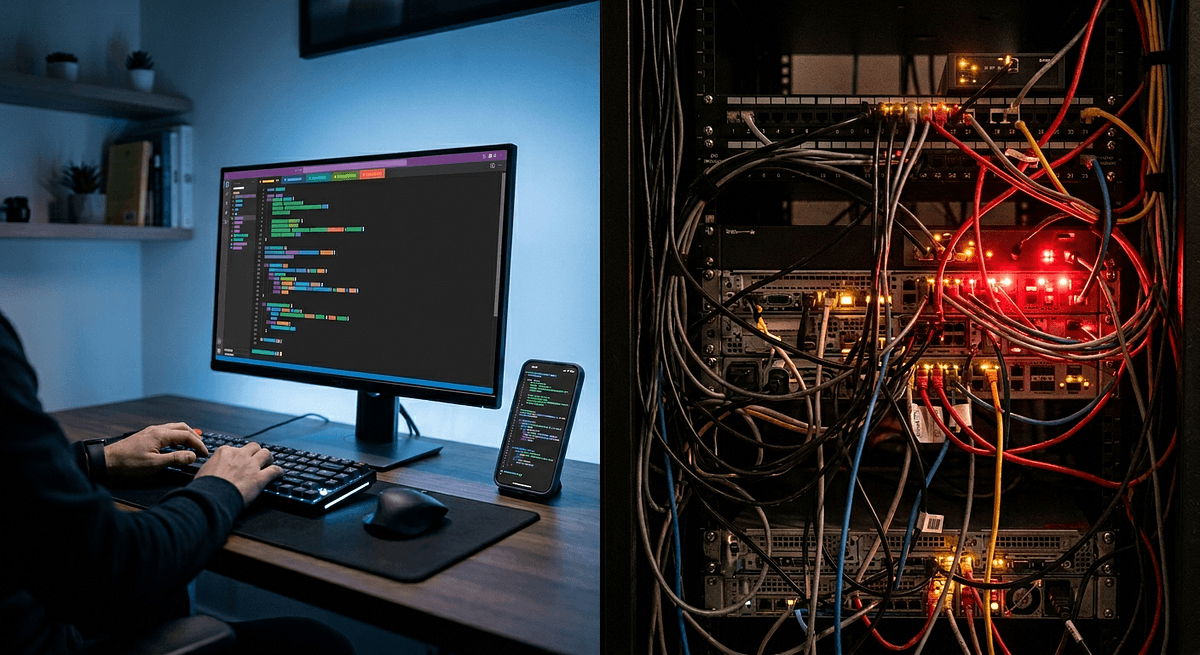
# The 2026 Linux Ecosystem: Resilience, Autonomy, and Innovation in Action — Updated and Expanded
The Linux landscape of 2026 continues to exemplify a vibrant, resilient ecosystem driven by community ingenuity, rapid technological evolution, and a steadfast commitment to open-source principles. Despite ongoing global challenges—such as supply chain disruptions, hardware shortages, and economic volatility—practitioners have demonstrated remarkable adaptability, emphasizing autonomy, efficiency, and sustainability more than ever before. Recent developments, including advanced self-hosted AI workflows, multi-agent orchestration, hardware reuse strategies, and innovative community-driven projects, further cement Linux’s role as a flexible, resilient platform shaping the future of digital independence.
---
## Core Themes Amplified: Terminal-First Workflows, Self-Hosting, and Edge Innovation
A defining hallmark of 2026 remains the **continued dominance of terminal-centric workflows**. Utilities like **tmux** have become even more integral, enabling **persistent sessions** that allow users to seamlessly continue work across reboots. Their **customizability** and **keyboard-driven interfaces** promote high productivity while minimizing resource consumption—an essential feature for **aging hardware** or **constrained environments**. This focus on **efficient, terminal-first workflows** empowers users to craft tailored, low-overhead environments that are highly **resilient** amid hardware shortages.
Complementing this are ongoing efforts toward **native, lightweight applications**. The **"4 alternatives to Electron apps"** initiative has gained notable traction, emphasizing **resource efficiency**, **maintainability**, and **hardware longevity**. These minimalist tools—covering note-taking, media management, and communication—have become **core productivity staples** for users relying on **older devices** or **underpowered hardware**. Their simplicity ensures **long-term resilience** and **adaptability** amid market shortages.
### Hardware Reuse and Overcoming Supply Challenges
**Hardware scarcity**, especially the **RAM shortage**, has driven **innovative reuse strategies**. Articles such as **"4 used PC parts you can buy to bypass the terrible PC hardware market"** highlight how **used CPUs, SSDs, and memory modules** now form the backbone of **resilient, scalable infrastructure**. These efforts **mitigate costs** and **bypass shortages**, ensuring **personal labs** and **small-scale servers** remain operational. Community projects emphasizing **refurbishment** and **biodegradable hardware solutions** continue to flourish, promoting **sustainability**.
**Mini PCs** and **small form-factor devices**—like those discussed in **"A mini PC killed the enterprise server in my home lab"**—are **outperforming traditional servers** in **cost-effectiveness** and **practicality**. When **optimized via BIOS tweaks** such as **AM5 BIOS modifications** that **halve boot times** and **prolong hardware lifespan**, they exemplify **hardware agility**. The **"RAM apocalypse,"** a term reflecting the global RAM shortage, has prompted **rethinking hardware configurations**: **maximizing existing resources**, **adopting lower-capacity modules**, and **tailoring minimalist setups** to keep **home labs** thriving despite **skyrocketing prices**. These **ingenious reuse and optimization** efforts underscore the community’s **resilience** and **self-sufficiency**.
---
## Practical Optimizations and Tools Enhancing Efficiency
A suite of **software strategies** and **hardware enhancements** now underpin **system stability** and **productivity**:
- **Dedicated boot drives**—discussed in **"A dedicated boot drive is one of the most underrated server upgrades"**—offer **faster boots** and **simplified recovery**, especially during hardware failures. Utilizing **high-quality SSDs** as **boot drives** reduces downtime and increases reliability.
- **HBA (Host Bus Adapter) cards** have become **the most underrated home server upgrade**. They **expand storage options**, **improve I/O throughput**, and **simplify hardware management**, making them **crucial investments** for **scaling NAS and server setups**. Recent deep dives describe **cost-effective methods** to **maximize storage throughput** and **expandability**, vital for data-heavy applications.
- **Automation tools** like **TuxMate**, a utility **similar to Ninite for Linux**, **automate package management**, **updates**, and **configuration**, **streamlining** **initial setup** and **ongoing maintenance**. This reduces manual effort and **standardizes environments** across multiple systems.
- **Note-taking and knowledge management** have been revolutionized through **Obsidian plugins**, as highlighted in **"3 Obsidian plugins that actually changed how I work"**—especially when managing **large vaults** or **complex workflows**. These plugins facilitate **structured linking**, **automatic tagging**, and **advanced search**, making **long-term knowledge curation** more manageable.
- The proliferation of **ESP32 edge projects**—detailed in **"5 involved ESP32 projects you should try this weekend"**—demonstrates **local automation**, **smart sensors**, and **edge computing** that **reduce dependency on cloud services**. Microcontrollers are increasingly used for **home automation**, **sensor networks**, and **DIY IoT projects**.
- **Sound Reactive Projects**, exemplified in **"Making Sound Reactive Projects - Electronics with Becky Stern | DigiKey,"**, showcase **creative microcontroller applications** to produce **interactive audio-visual experiences**, expanding the **DIY electronics** landscape beyond traditional automation.
---
## Raspberry Pi Pico: Power at the Edge
A notable development is the **Raspberry Pi Pico’s** rising prominence as an **edge device** capable of **precise real-time control**—a task where **full Raspberry Pi models** often struggle. As **"The Raspberry Pi Pico can do something the full Pi can't, and nobody talks about it,"** highlights, this **microcontroller** **excels at managing sensors, motors, and time-sensitive automation**, making it **ideal for smart homes** and **industrial automation**. Its **power efficiency** and **robust GPIO** interface **make it a cost-effective** solution for **distributed edge computing**.
The Pico’s **low power consumption** and **deterministic operation** **extend hardware lifespan** and **enhance automation capabilities**, supporting **more resilient, localized control systems** that **reduce reliance on cloud infrastructure**.
---
## Remote Development and Local AI: Redefining Productivity and Privacy
In 2026, **remote development tools** and **local AI deployment** are **cornerstones** of the ecosystem:
- The **"VS Code via SSH"** feature—highlighted in **"VS Code via SSH is one of the most mind-blowing features I've ever used"**—**revolutionizes workflows** by allowing **editors** to **operate directly on remote servers** through a **familiar interface**, **reducing local resource demands** and **improving efficiency**. Developers can now seamlessly **edit**, **debug**, and **manage** **remote codebases** without sacrificing **local performance**.
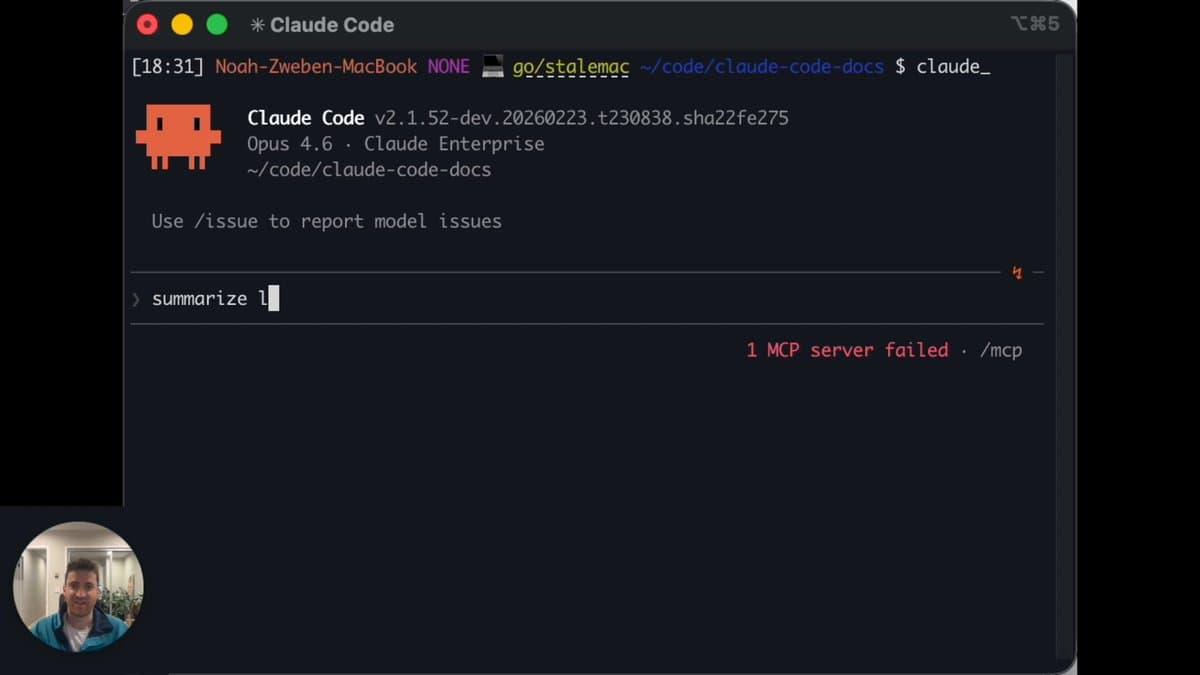
- The recent **Claude Code Remote Control** launch—**"Claude Code Remote Control: Seamless Terminal Handoffs Across Devices [2026 Analysis]"**—further enhances this narrative. As **@claudeai on X** reports, Anthropic's new feature **enables devs to transfer terminal sessions effortlessly between devices**. This **seamless handoff** allows users to **continue work on mobile or secondary devices** without losing context, **bridging the gap** between desktops, laptops, and smartphones.
- **Browser automation CLI** tools like **vercel-labs/agent-browser**—**"Browser automation CLI for AI agents,"**—introduce a **powerful primitive** for **web interactions** and **remote control**. As detailed in GitHub documentation, this CLI **enables scripting and automating browser tasks**, integrating seamlessly with **AI agents** for **web scraping**, **testing**, and **interactive automation**—further **extending remote development and automation capabilities**.
- **Automation frameworks** like **TuxMate** and **SkillForge** **reduce manual effort** and **standardize environments**—streamlining **initial setup**, **ongoing maintenance**, and **creating reusable automation skills**.
- The **backup-first philosophy** persists, with **"the one backup rule that saved my data last year"** emphasizing **regular, verified backups**—including **immutable and off-site storage**—to **protect against hardware failures** and **ransomware**.
- **Local AI ecosystems**—leveraging **legacy GPUs** with **community-supported drivers**—are increasingly common. As **"Nvidia stopped supporting my GPU, so I started self-hosting LLMs with it"** illustrates, frameworks like **llama.cpp** and **GPT4All** **democratize AI**, enabling **local inference** that **preserves privacy** and **reduces reliance on cloud services**. These models, **optimized for CPU and GPU**, make **affordable hardware** capable of **powerful AI tasks**.
---
## Emerging AI and Multi-Agent Ecosystems
The ecosystem’s **multi-agent orchestration** continues to evolve:
- **Mato**—**a multi-agent terminal workspace**—brings **visual clarity and orchestration** to complex **agent workflows** within a **tmux-like environment**. As detailed in **"Mato – a Multi-Agent Terminal Office workspace (tmux-like),"**, users can **run, monitor, and coordinate multiple AI and automation agents**, significantly **enhancing productivity** in **terminal-centric setups**.
- **ClawSwarm**, an **open-source multi-agent framework**, emphasizes **distributed coordination**, allowing **agents** to **collaborate**, **delegate tasks**, and **share data** efficiently, fostering **scalable multi-agent systems**.
- **SkillForge** automates **converting recorded workflows into executable skills**, lowering the barrier for **building custom agents**. This **record-to-automation pipeline** accelerates **workflow automation** and **multi-agent orchestration**.
- The recent **launch of an agent marketplace on Pokee**—**"We launched an agent marketplace today on Pokee, it’s awesome! Just plug and play your agents and start automating,"**—creates **community-driven ecosystems** for **easy access** to **pre-built agents**, **extensions**, and **automation skills**. This **plug-and-play** model **accelerates adoption** and **collaborative innovation**.
### Edge AI and Spatial Computing
Innovations like **Looper Robotics’ Insight9 Spatial AI Camera**—**"Redefines Physical AI Infrastructure with Global Debut of Insight9"**—embody the **edge AI** trend. This device **captures environmental data** in real-time, supporting **retail analytics**, **robot navigation**, and **interactive exhibits**. Its **on-device processing** aligns with **privacy-preserving, local inference**, reducing dependence on cloud-based AI.
---
## The Latest in AI and Agentic Coding
Recent breakthroughs in **AI model performance** and **agentic coding frameworks** are shaping the future:
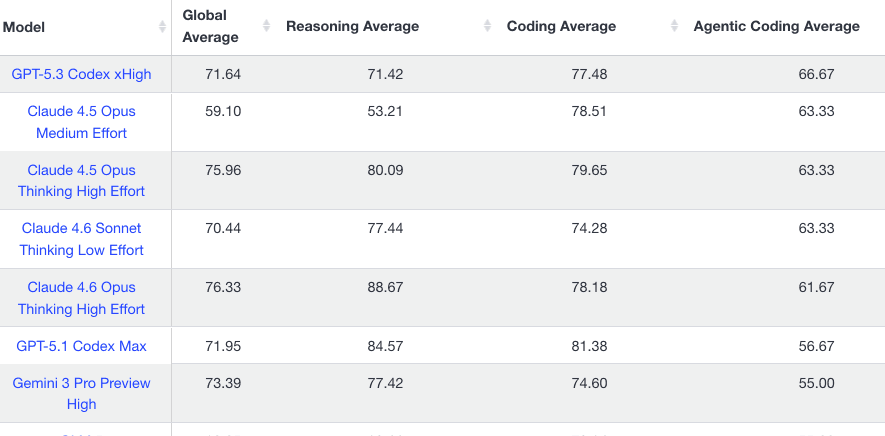
- **Codex 5.3** has been **reported to surpass Opus 4.6** in **agentic coding workloads**. As **@bindureddy** notes, **"Codex 5.3 TOPS AGENTIC CODING,"**, this **blazing fast, highly accurate** model **fuels more autonomous coding assistants** and **self-hosted development environments**. Its enhanced capabilities **accelerate the shift toward capable, self-sufficient AI coding agents** that **operate with minimal human intervention**.
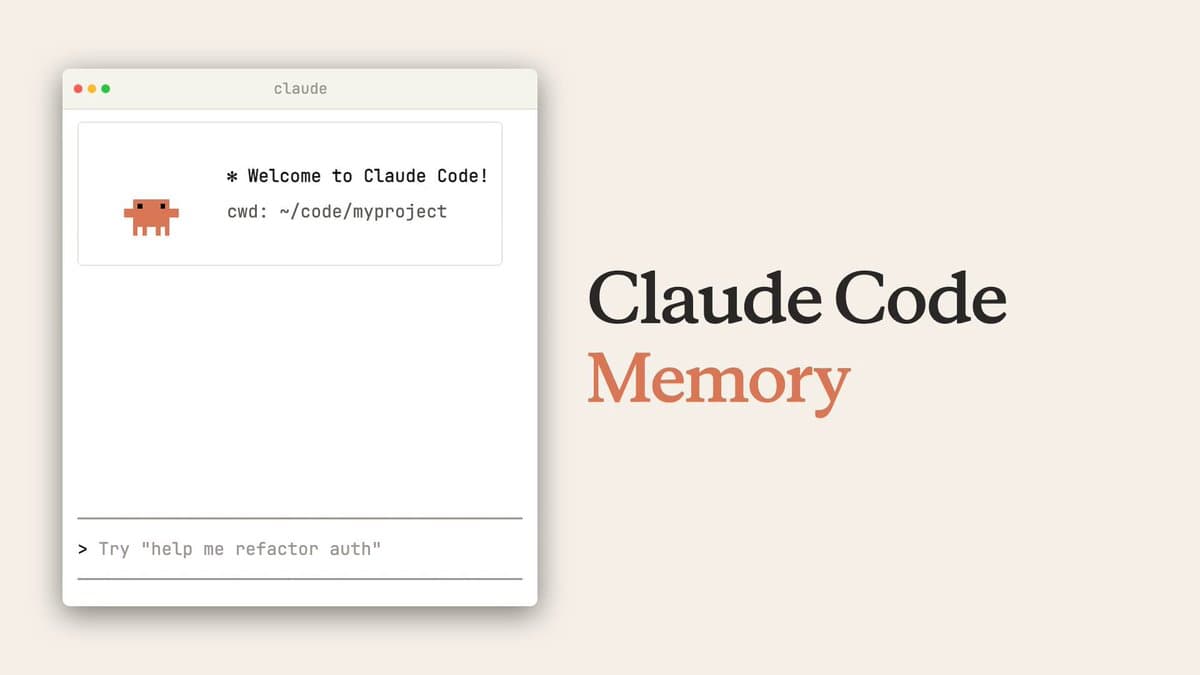
- The ecosystem’s **multi-agent orchestration** is bolstered by **@omarsar0’s** recent revelation: **"Claude Code now supports auto-memory."** This **huge update** enables **more seamless, context-aware interactions**, **preserving session history** across **handoffs and device switches**, and **enhancing long-term workflows**.
- The **"Claude Code Remote Control"** feature, combined with **auto-memory**, **solidifies remote terminal and AI agent workflows**, allowing **persistent, context-rich sessions** on multiple devices.
- The **"browser automation CLI"** introduced by **vercel-labs** further **integrates web interactions** into **automated pipelines**, enabling **web scraping**, **testing**, and **interactive automation** with ease.
---
## Challenges, Opportunities, and the Path Forward
Despite its vibrancy, the ecosystem faces ongoing challenges:
- **Funding for open-source infrastructure** remains critical. As **"Open-source NAS projects struggle because users refuse to fund them"** indicates, **lack of financial support** hampers **security**, **feature development**, and **stability**. The community must **invest collectively**, via **donations**, **sponsorships**, or **grants**, to sustain **long-term innovation**.
- **Avoiding self-hosted cruft** continues to be a priority. As **"I uninstalled these 4 self-hosted services within a week"** notes, **simplicity** and **practicality** are vital for **long-term sustainability**.
- The **AI tools landscape** evolves rapidly; articles like **"45% of Developers Switched to This Instead of Copilot"** highlight a shift toward **privacy-conscious**, **cost-effective alternatives**. Discussions such as **"AI Made Me Worse at Coding?"** serve as cautionary tales, emphasizing that **AI assistance** should **augment skills**, not erode them.
### Building Autonomous, Enterprise-Ready Tools
The article **"Building and Maintaining Enterprise Tools as a Solo Developer"** underscores how **automation**, **modular design**, and **community support** enable **independent developers** to **deliver scalable solutions**. Leveraging **open-source frameworks**, **CI/CD pipelines**, and **comprehensive documentation** allows **solo efforts** to **match enterprise expectations**.
**Version control best practices**—as outlined in **"[PDF] Git Best Practices Guide Pidoux Eric"**—remain foundational for **code quality** and **collaborative harmony**, even for **small teams or solo projects**.
---
## The Cutting Edge: Symplex, zclaw, and DIY AI Agents
The frontier of **distributed AI coordination** and **edge AI** continues to expand:
- **Symplex**—**an open-source protocol**—enables **semantic negotiation** among **distributed agents**, fostering **more cohesive multi-agent ecosystems**. As **"Symplex, an open-source protocol semantic negotiation between distributed agents,"** explains, this protocol **facilitates coordination**, **data sharing**, and **workflow harmony**.
- **zclaw**—**a tiny AI assistant** optimized for **ESP32 microcontrollers**—demonstrates how **powerful AI** can **reside on microcontrollers**. As shown in **"GitHub - tnm/zclaw,"**, this **888KiB AI** offers **basic conversational abilities** and **task automation**—a **game-changer** for **true edge intelligence**.
- The **DIY AI coding agent harness**—**"Building a (Bad) Local AI Coding Agent Harness from Scratch"**—provides **practical insights** into **assembling**, **training**, and **deploying** **personalized AI assistants**, empowering developers to **experiment and learn**.
---
## Recent Developments: Multi-Agent Terminal Workspace & Browser Automation
Two **notable new tools** exemplify the ecosystem’s focus on **local orchestration** and **browser automation primitives**:
- **Mato**, the **multi-agent terminal workspace**, **visualizes and orchestrates** multiple agents within a **tmux-like environment**. As **"Mato – a Multi-Agent Terminal Office workspace,"** details, users can **monitor**, **manage**, and **coordinate** AI and automation agents effectively—**enhancing productivity**.
- **vercel-labs/agent-browser**—**"Browser automation CLI for AI agents,"**—provides a **powerful primitive** for **web interactions** and **remote control**. Documentation describes how this CLI **enables scripting and automating browser tasks**, integrating seamlessly with **AI agents** for **web scraping**, **testing**, and **interactive automation**.
---
## Implications and the Ecosystem’s Trajectory
The **2026 Linux landscape** is increasingly characterized by **distributed, privacy-preserving, terminal-centric workflows**. The recent **launch of agent marketplaces**, **spatial AI devices**, and **microcontroller-based AI** like **zclaw** exemplify a **shift toward decentralization** and **local inference**. The **enhanced remote primitives**—such as **Claude Code’s auto-memory** and **terminal session handoffs**—further **bridge the gap** between **local autonomy** and **remote collaboration**.
A notable insight from recent commentary—such as **@diptanu’s** observation that **"every SaaS would be APIs driven by foundation models"**—is that **architecturally, the future is model-driven API ecosystems**. This aligns with the ecosystem’s focus on **context moats**, where **privacy** and **local contextual awareness** become **competitive advantages** over purely cloud-based AI or SaaS products.
While challenges such as **funding open-source infrastructure** and **preventing self-hosted cruft** persist, the core ethos of **resilience**, **autonomy**, and **community support** remains strong. The ongoing focus on **edge computing**, **hardware reuse**, and **multi-agent orchestration** is laying a foundation for a **more resilient**, **privacy-preserving future**.
---
## **Special Focus: Building an Elastic Vector Database for Self-Hosted RAG Systems**
A recent pivotal development is the emergence of **scalable, resilient vector databases** tailored for **on-premise Retrieval-Augmented Generation (RAG)** systems. The article **"How to Build an Elastic Vector Database with Consistent Hashing, Sharding, and Live Ring Visualization for RAG Systems"** provides a comprehensive guide to **creating a distributed, elastic vector database** capable of **dynamic scaling** across **constrained hardware environments**.
**Key innovations include:**
- **Consistent hashing** to **evenly distribute vectors** across nodes, minimizing **data rebalancing** when nodes join or leave.
- **Sharding** techniques that **partition data efficiently**, reducing **query latency** and **storage overhead**.
- **Live ring visualization** tools that **monitor cluster health** and **data distribution** in real-time, enabling **adaptive load balancing**.
- The ability to **scale horizontally** by adding nodes, **maintain high availability**, and **preserve low latency**—crucial for **self-hosted AI applications**, knowledge bases, and **personal AI assistants**.
This infrastructure **enhances resilience** and **performance** for **local inference**, **knowledge retrieval**, and **privacy-focused AI systems**, representing a **significant stride toward autonomous, self-sufficient AI ecosystems**.
---
## Final Outlook: Resilience, Autonomy, and Community-Led Innovation
The **2026 Linux ecosystem** stands as a testament to **community resilience** and **technological ingenuity**. The convergence of **terminal-first workflows**, **hardware reuse**, **edge AI**, **local inference**, and **multi-agent orchestration** signals a **paradigm shift**—moving away from dependence on centralized cloud services toward **decentralized, autonomous systems**.
The ecosystem’s **ongoing challenges**—notably **funding**, **self-hosted cruft**, and **balancing AI reliance with human skill preservation**—are counterbalanced by **innovative solutions** and **collaborative community efforts**. The latest developments demonstrate a **robust foundation** for **sustainable, privacy-preserving**, and **highly adaptable** computing environments.
As open standards and projects continue to evolve, the future promises a **more resilient**, **autonomous**, and **user-empowered digital landscape**—with **Linux at its core**—fostering **self-hosted innovation** and **digital independence** in an increasingly complex world.