# Iran’s Multi-Domain Escalation: Strategic Implications and Global Ramifications in the New Phase
Iran’s ongoing multi-front escalation continues to dramatically reshape regional and global security landscapes. Building on previous assessments, recent developments reveal an intensification of Iran’s technological innovations, tactical maneuvers, and external support, creating a complex battlefield that challenges traditional defense paradigms and diplomatic efforts. From advancements in hypersonic missile technology to sophisticated drone swarms and cyber operations, Iran’s strategic posture now encompasses a broad spectrum of multi-domain capabilities aimed at countering U.S., Israeli, and regional adversaries while leveraging deepening alliances with China and Russia. These developments portend a more volatile and unpredictable security environment with profound implications for global stability.
## The Expanding Spectrum of Iran’s Military Capabilities
Iran’s military modernization has accelerated remarkably, targeting multiple domains to offset its strategic encirclement and perceived threats. The evolution of Iran’s arsenal underscores its intent to establish a resilient, multi-layered offensive and defensive framework.
### Hypersonic Missiles and Heavy Payloads
Iran has achieved notable breakthroughs in hypersonic weapon systems, with claims of successful tests of devices like the *Fattah-2*, capable of exceeding Mach 5. These weapons threaten to outpace existing missile defenses, including Israel’s Iron Dome and U.S. Patriot systems, which are increasingly vulnerable to such high-speed, maneuverable threats. Moreover, Iran’s missile programs now include systems capable of delivering payloads up to **1,000 kg**, enabling precision strikes on military bases, critical civilian infrastructure, and high-value strategic targets. This escalation in missile sophistication significantly alters the threat calculus for regional and global militaries.
### Underground Complexes and Hardened Bases
Satellite imagery continues to reveal the rapid expansion of underground missile complexes and hardened military facilities across Iran. These subterranean infrastructures are designed to withstand preemptive strikes, complicating interdiction efforts and raising the stakes for surgical military interventions. The proliferation of such hardened sites signals Iran’s strategic emphasis on survivability, resilience, and the capacity to sustain prolonged conflict even under intense attack.
### Drone Swarms and Cyber Warfare
Iran has advanced its drone warfare capabilities considerably, operationalizing autonomous, AI-supported drone swarms—most notably, the Shahed-series drones—that can saturate enemy defenses. These low-cost (~$50,000 per drone), long-range UAVs are supported by artificial intelligence, enabling saturation attacks that overwhelm missile defenses, which can cost over **$1 million** per interception. Recent analyses emphasize Iran’s strategic shift toward drone-centric warfare, leveraging swarms to conduct persistent, brutal assaults against adversaries.
Simultaneously, Iran’s cyber capabilities underpin its multi-domain approach. Cyber operations are targeted at degrading enemy command and control, disrupting intelligence and data streams, and impairing battlefield awareness—particularly by targeting space infrastructure critical for missile guidance and situational awareness. Iran’s efforts to disable or manipulate space assets reveal a keen understanding of space-based assets as pivotal for modern warfare, aiming to control battlefield signatures, evade detection, and impair adversaries’ operational effectiveness.
### Space Operations and Data Disruption
In recent months, Iran has intensified its focus on controlling and disrupting satellite data streams, viewing space infrastructure as a vital component of battlefield dominance. Efforts to disable or manipulate space assets—such as satellites used for communication, navigation, and reconnaissance—highlight Iran’s strategic aim to manage battlefield signatures, evade detection, and hinder enemy intelligence. These actions underscore an understanding that space assets are now integral to modern, multi-domain conflicts.
## Proxy Warfare and Multi-Front Pressure
Iran’s reliance on proxy groups remains a cornerstone of its strategic approach, enabling it to operate across multiple theaters and stretch adversarial resources thin. This multi-front strategy aims to complicate Western and Israeli responses, creating a layered security challenge.
- **Lebanon (Hezbollah):** Hezbollah continues to conduct rocket barrages and guerrilla operations against Israeli borders, threatening regional stability. The organization’s ability to launch precision missile attacks and sustain asymmetric warfare forces Israel to divert significant defensive resources, exemplified by the recent escalation in rocket fire from southern Lebanon.
- **Yemen (Houthis):** The Houthis have deployed long-range missiles and drones against Saudi Arabia and the UAE, demonstrating Iran’s capacity to project power deep into the Gulf region and destabilize the broader Middle East.
- **Iraq and Syria:** Iranian-backed militias frequently conduct strikes targeting U.S. and allied forces, adding layers of asymmetrical warfare that complicate Western military responses and increase the risk of broader conflict.
This multi-front approach serves to **overextend Western and Israeli military efforts**, creating opportunities for Iran to exploit vulnerabilities, escalate conflicts selectively, and challenge the conventional superiority of adversaries.
## External Support and Great Power Dynamics
### China’s Deepening Cooperation
Beijing’s intensified military and technological cooperation with Iran has become a critical factor. Joint military exercises, technology transfers—especially in missile and drone technology—and strategic partnership initiatives are enhancing Iran’s offensive capabilities. Experts suggest that China’s support could shift the regional power balance, enabling Iran to develop more advanced multi-domain weapons, complicating Western efforts to contain Iran’s military rise.
### Russia’s Diplomatic and Tactical Backing
Moscow continues to bolster Iran through arms supplies—including advanced drone technology—and offers diplomatic cover that hampers Western sanctions and containment efforts. The presence of Russian advisers and potential transfers of tactical systems heighten the risk of broader external involvement, blurring the lines between regional conflicts and global rivalries. Russia’s support provides Iran with both material and diplomatic leverage, further complicating efforts to escalate or de-escalate tensions.
### Impacts on the Global Arms Industry
The conflict and Iran’s technological advancements have invigorated the arms industry worldwide. Countries like the U.S., through manufacturers such as Lockheed Martin and RTX, are expanding missile defense and cyber security systems to counter new threats. Iran’s development of hypersonic missiles and drone swarms accelerates an arms race in the Middle East, with destabilizing implications for regional stability and future conflicts. This dynamic risks a broader proliferation of advanced weaponry, further fueling regional insecurity.
## Operational Adaptations and Defensive Countermeasures
In response to Iran’s technological evolution, regional and Western militaries are deploying innovative countermeasures:
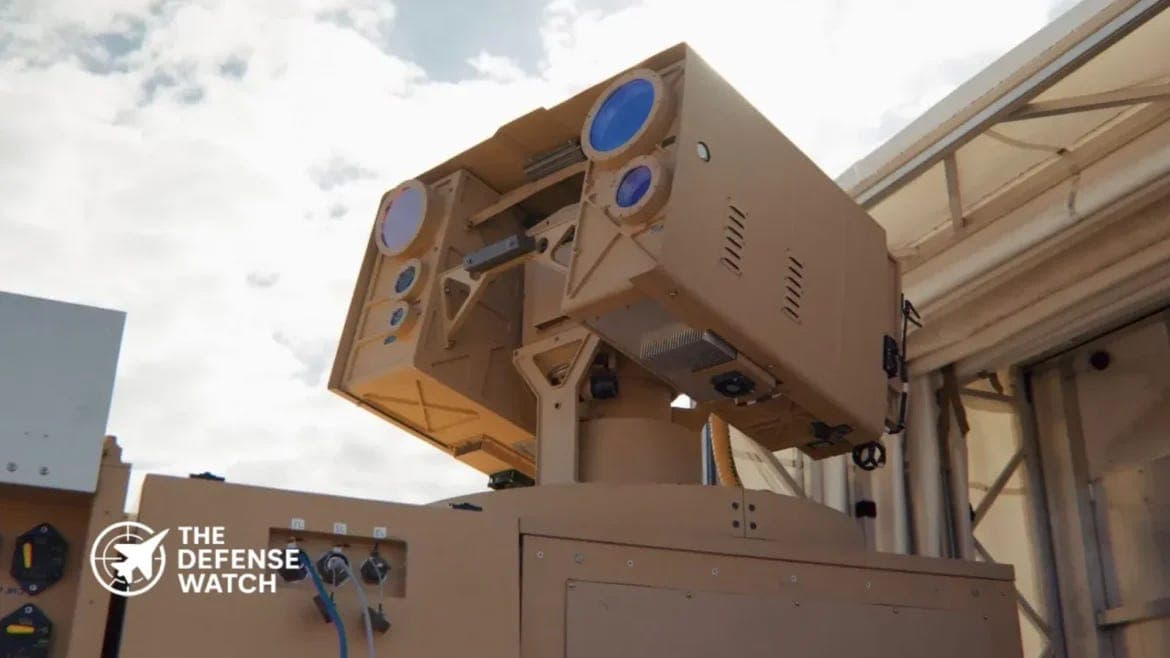
- **AI and Autonomous Systems:** Upgrading missile defense architectures with AI-driven targeting, decoy systems, and inflatable decoys—such as those analyzed recently—aim to mislead drone and missile threats, reducing interception costs and enhancing survivability.
- **Cyber Resilience:** Strengthening critical infrastructure against Iran’s cyber assaults remains a priority, with efforts focused on rapid detection, neutralization, and preemption of cyber threats targeting command and control, space assets, and communication networks.
- **Deception and Signatures Management:** Tactics like electronic countermeasures, battlefield decoys, and signature management are employed to create uncertainty, complicate Iran’s targeting, and diminish the effectiveness of its precision strikes.
### Recent Notable Incidents and Analyses
- **First-Ever Striking of the USS Abraham Lincoln:** A recent video and analysis detail this unprecedented event, highlighting Iran’s evolving missile and drone capabilities that can challenge even high-value naval assets. This incident underscores vulnerabilities in Western naval defenses and the importance of adaptive countermeasures.
- **Iranian Proxy Engagements:** A comprehensive overview of Iran’s allied fighters—including Hezbollah, Houthis, and Iraqi militias—illustrates the broad scope of Iran’s multi-front network, which continues to threaten regional stability.
- **Shahed Drones as a Modern Warfare Mainstay:** Multiple analyses, including “Shahed drones have become a brutal new reality of modern warfare,” emphasize their centrality in Iran’s operational strategy—used effectively against regional adversaries and Western targets alike.
## Risks, Strategic Priorities, and Future Outlook
Despite ongoing diplomatic efforts, the environment remains highly volatile. Iran’s pursuit of hypersonic missiles, cyber dominance, and space manipulation pose new risks, including:
- **Obsolescence of Current Missile Defenses:** Iran’s hypersonic weapons threaten to render existing missile defense systems increasingly ineffective, prompting a strategic arms race and new defense recalibrations.
- **Cyber and Space Vulnerabilities:** Iran’s cyber operations continue to pose risks to critical infrastructure, while space assets remain targeted for disruption, potentially impairing command, control, and intelligence functions.
- **Proxy Spillover Risks:** The proliferation of proxy conflicts risks escalating into broader regional or even global confrontations, especially if external powers deepen their involvement.
### Critical Strategic Priorities
- **Diplomatic Engagement:** Sustained diplomacy is essential to de-escalate tensions, prevent miscalculations, and establish frameworks to manage Iran’s rapid military evolution.
- **Defense Modernization:** Incorporating AI, autonomous systems, and adaptive missile defense architectures is crucial to staying ahead of Iran’s technological advancements.
- **Enhanced Intelligence and Surveillance:** Improving monitoring of proxy activities, external support, and space-based assets is vital for anticipating Iran’s next moves.
- **Counter-Hybrid Warfare Capabilities:** Developing integrated responses to kinetic, cyber, and informational campaigns will be crucial in managing Iran’s increasingly complex threats.
## Current Status and Broader Implications
Iran’s multi-domain escalation signals a profound transformation in regional and global security paradigms. The recent incident involving the USS Abraham Lincoln exemplifies the growing reach and sophistication of Iran’s missile and drone technologies, capable of challenging even advanced naval assets and complicating Western military planning.
With China and Russia deepening their support, Iran’s technological and strategic capabilities are likely to continue expanding, risking further destabilization of the Middle East and beyond. The international community faces urgent challenges: adapting defense systems, pursuing diplomatic solutions, and strengthening intelligence networks to prevent a broader escalation.
**In conclusion**, Iran’s evolving military posture demands a comprehensive, coordinated response—balancing deterrence, diplomacy, and technological resilience. How the world responds in the coming months will significantly influence regional stability and the broader trajectory of international security, underscoring the importance of proactive, adaptive strategies in an increasingly complex conflict environment.