1h ago
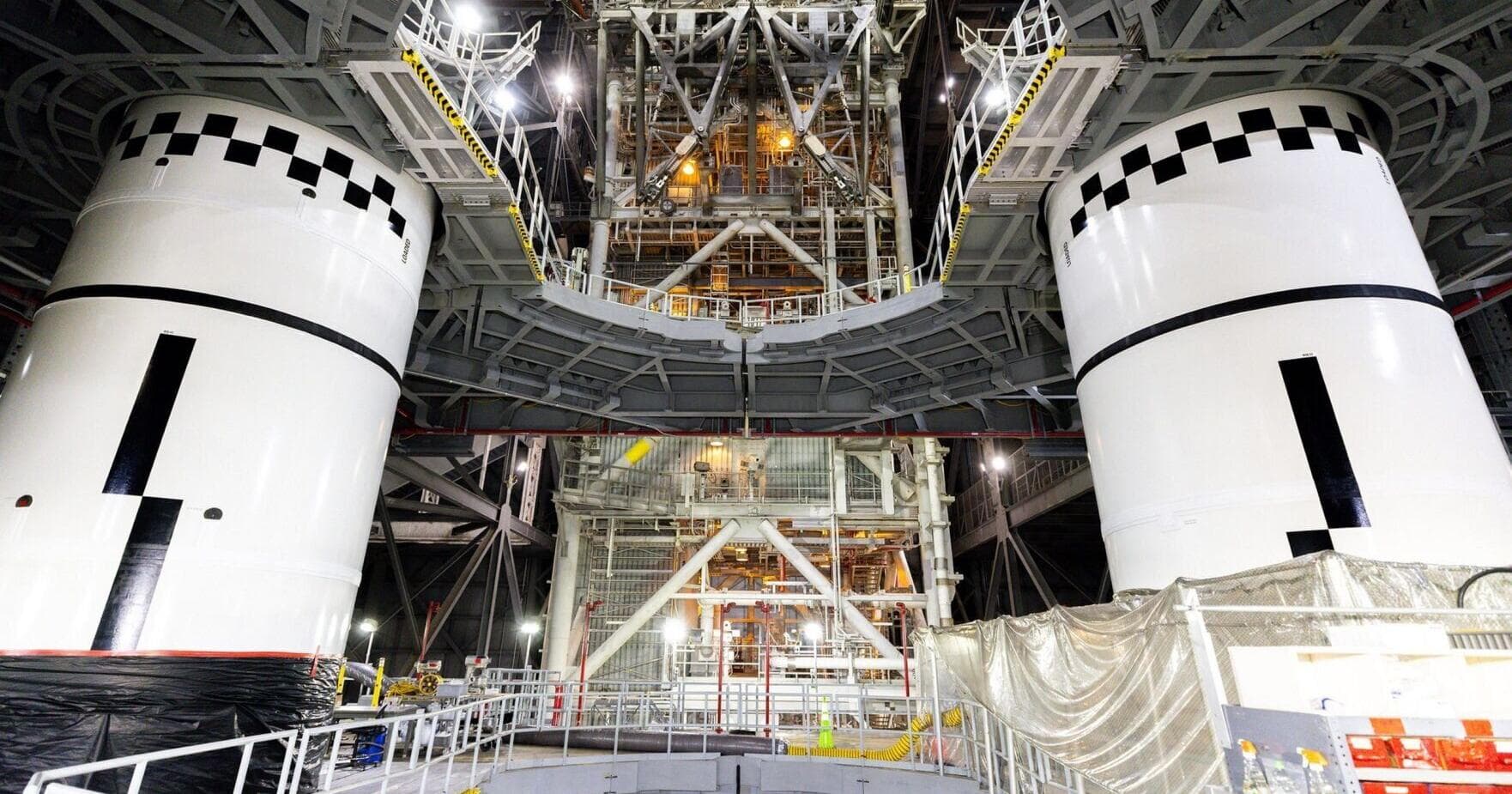
No Details on Artemis III Milestone
NASA reaches a milestone toward Artemis III, yet the source provides zero specifics on what it entails or implications for lunar return readiness.
Created by CuratorMaster
NASA, SpaceX, and every cosmic discovery
Explore the latest content tracked by Mission Control for Your Curiosity
NASA reaches a milestone toward Artemis III, yet the source provides zero specifics on what it entails or implications for lunar return readiness.
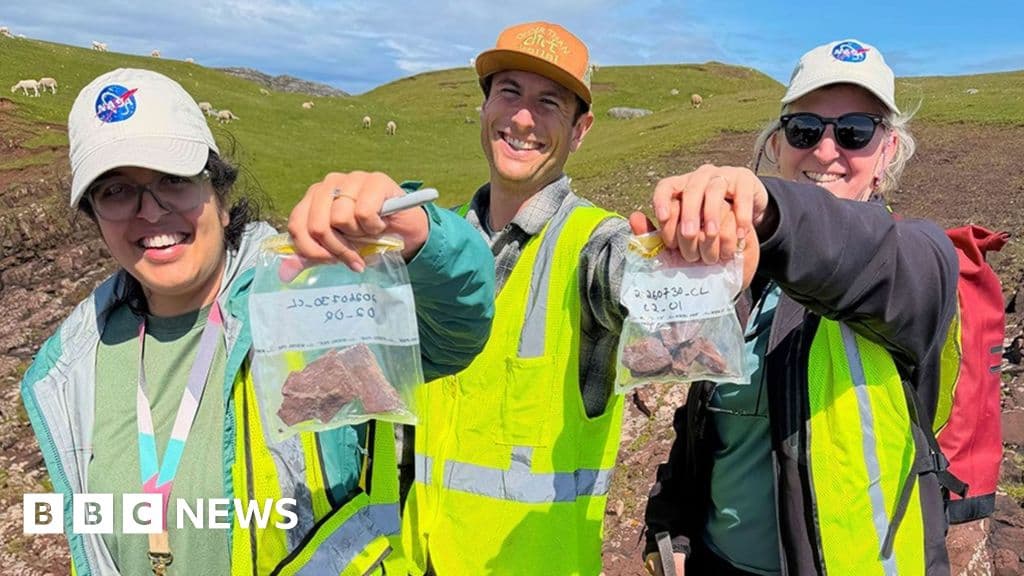
NASA is studying 1.2-billion-year-old rocks in the Scottish Highlands' Stoer Formation because these ancient lake and river deposits closely match...
SpaceX is converting high launch cadence into a true operational strength with three missions packed into a 13-hour window today. The sequence opens...
Crew-13 blends human spaceflight firsts with targeted research for lunar and Mars missions.
A new multiwavelength composite delivers the clearest view yet of the Sagittarius A East supernova remnant by removing X-ray contamination from nearby...
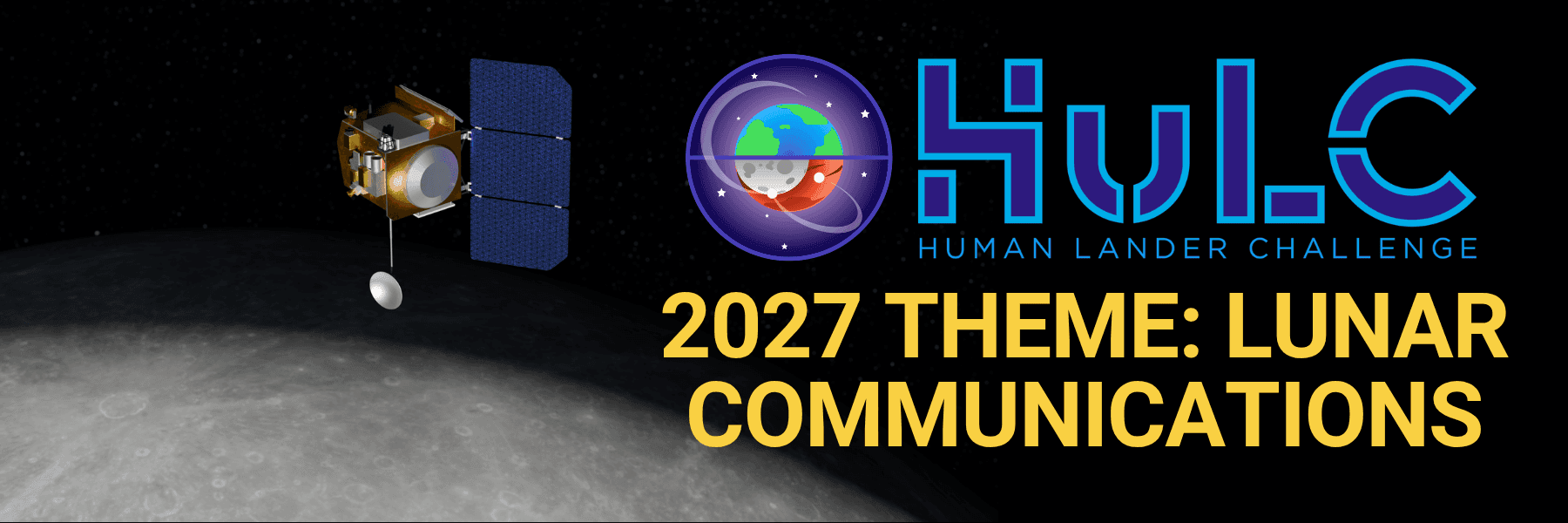
Reliable communications will be essential for sustained lunar presence, linking astronauts, landers, rovers, habitats, and Earth teams. NASA’s 2027...
Hubble reaches its 200,000th orbit observing supernova Athena through the gravitational lens of galaxy cluster MACS J0417, extending its 36-year...
Roman's first starlight capture with deformable mirrors proves active wavefront control works in orbit, delivering the contrast needed to image...
Key NASA, SpaceX, and international experts preview the Crew-13 mission to the ISS.
CHIME has now mapped ancient hydrogen using only its own observations, creating an independent probe of the universe's accelerating expansion. After...
Curiosity marked its 5,000th sol on Mars with dual panoramas at Chocolatal ridge in Gale Crater, combined into a striking postcard view showing the...
Four astronauts launch soon on a SpaceX Dragon for months of experiments and ISS maintenance.
Emerging evidence shows core body temperatures may run higher in microgravity and rise faster during exercise, raising risks of discomfort and...
Gravitational lensing turns massive clusters into natural telescopes, bending and magnifying light from far more distant galaxies.
A gas giant six times Jupiter's size orbits in the habitable zone of HD 156295, a star twice the Sun's size, nine times more luminous, and 3,500°F...
The Habitable Worlds Observatory Science Interest Group hosts a virtual seminar on 28 October 2026 covering project office updates, CSIT driving cases, astrophysics from the Moon, and HWO PSI highlights.
Unistellar telescope owners supplied mission-critical observations that confirmed the DART spacecraft successfully altered an asteroid's path.
Basal magma oceans in super-Earths could generate strong, long-lasting magnetic fields that protect atmospheres from stellar winds, boosting...
The MEGATRON project deploys high-resolution simulations to bridge JWST's direct views of infant galaxies with chemical fossils preserved in ancient...