# Global Flashpoints Over Policing, Justice, and Civil Liberties: An Escalating Crisis with New Developments
The international landscape is increasingly fraught with tensions surrounding the fundamental balance between security enforcement and the preservation of human rights. Governments worldwide are enacting sweeping policies—often at the expense of civil liberties—that ignite protests, legal battles, and diplomatic disputes. This ongoing struggle exposes the fragility of democratic principles and underscores the urgent need for reforms that protect both security and individual freedoms amid rising authoritarian tendencies.
## Escalating Domestic Tensions: Policing, Reforms, and Civil Rights Movements
### Rising Police Power and Resistance Movements
In the United States, recent high-profile civil rights trials have once again illuminated systemic issues of police misconduct. Officers in Missouri face criminal charges related to excessive use of force, fueling nationwide demands for accountability, transparency, and reform within law enforcement agencies. These incidents underscore deep-rooted problems, prompting civil society to push for policies that rebuild community trust and ensure justice.
Similarly, in New York City, conflicts over sanctuary policies aimed at protecting undocumented immigrants continue to provoke protests and legal confrontations. Federal immigration authorities, notably ICE, have intensified enforcement actions within sanctuary zones, challenging local authority and raising concerns about community safety and human dignity. Advocates emphasize that safeguarding vulnerable populations must take precedence over immigration enforcement, especially as anti-immigrant sentiments surge.
In Ohio, legislative proposals to tighten bail restrictions have sparked fears of infringing on due process rights. Police leaders warn that overly restrictive reforms could hinder effective law enforcement, while civil rights advocates argue that fair bail practices are essential to justice and equality. Meanwhile, in Nepal, discussions on police reform focus on accountability, community engagement, and human rights protections, reflecting regional concerns about disproportionate impacts on marginalized groups and the need for community-centered policing.
**Recent developments include:**
- Civil rights trials in the U.S. exposing systemic misconduct, fueling reform debates.
- Federal pushback against NYC sanctuary policies, leading to protests and legal disputes.
- Bail reform proposals raising questions about fairness and due process.
- Nepal’s reform discussions emphasizing accountable policing grounded in human rights.
### International and Legal Threats to Protest Rights and Judicial Independence
A troubling trend persists as governments worldwide tighten restrictions on peaceful protests and civic expression. Recent reports from UN experts warn that nations like Sweden are experiencing erosion of protest rights, with legislative measures and increased security efforts limiting peaceful assembly. Such restrictions threaten to stifle dissent, curtail civic engagement, and weaken democratic resilience.
In Europe, Italy’s contentious justice referendum has intensified debates over judicial independence. An analysis titled *"Most Italians Haven’t Read This: The Real Justice Referendum Question"* reveals widespread voter ignorance about the reforms’ actual implications. Proposed changes aim to alter judicial accountability and independence, raising concerns that weakening these institutions could open the door to political interference and undermine the rule of law.
Other regions are witnessing similar trends:
- **Sweden** faces increasing restrictions on protest rights**, with security measures limiting public demonstrations.
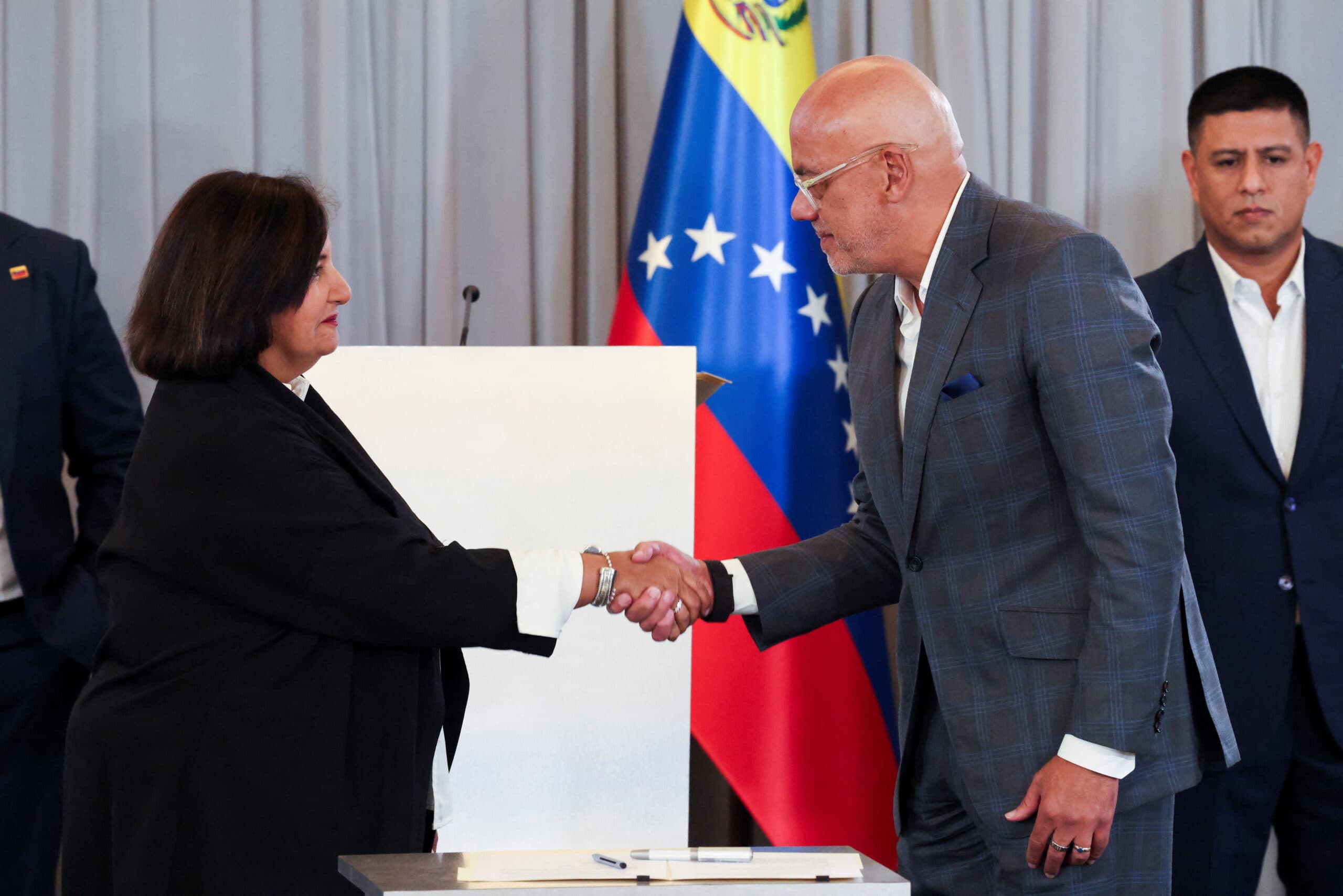
- **Venezuela** continues its repressive stance against dissent, with reports of intensified crackdowns on opposition figures and civil society, further consolidating authoritarian control.
**These developments exemplify a broader pattern**: governments deploying legislative measures to tighten control often at the expense of core freedoms. Such actions risk entrenching authoritarian tendencies, diminishing checks and balances, and weakening democratic institutions. International bodies and human rights advocates continue to scrutinize these trends, warning of long-term damage to civil liberties and judicial independence.
## Electoral Integrity and Democratic Stability
### The Growing Crisis of Electoral Confidence
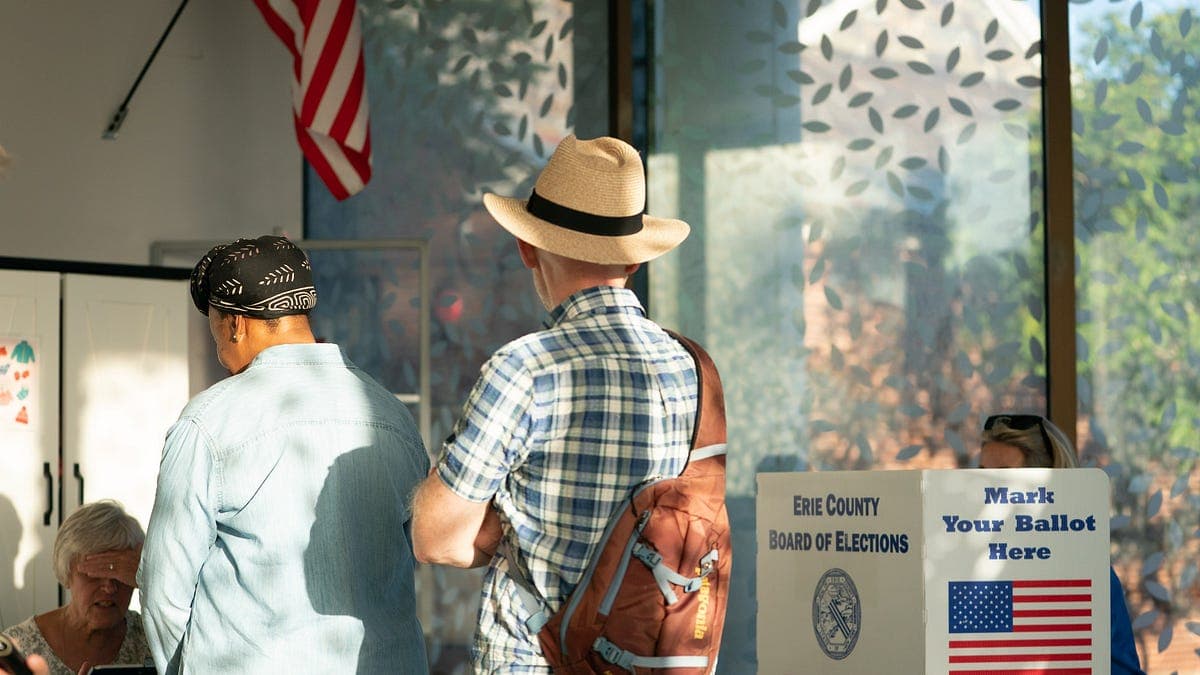
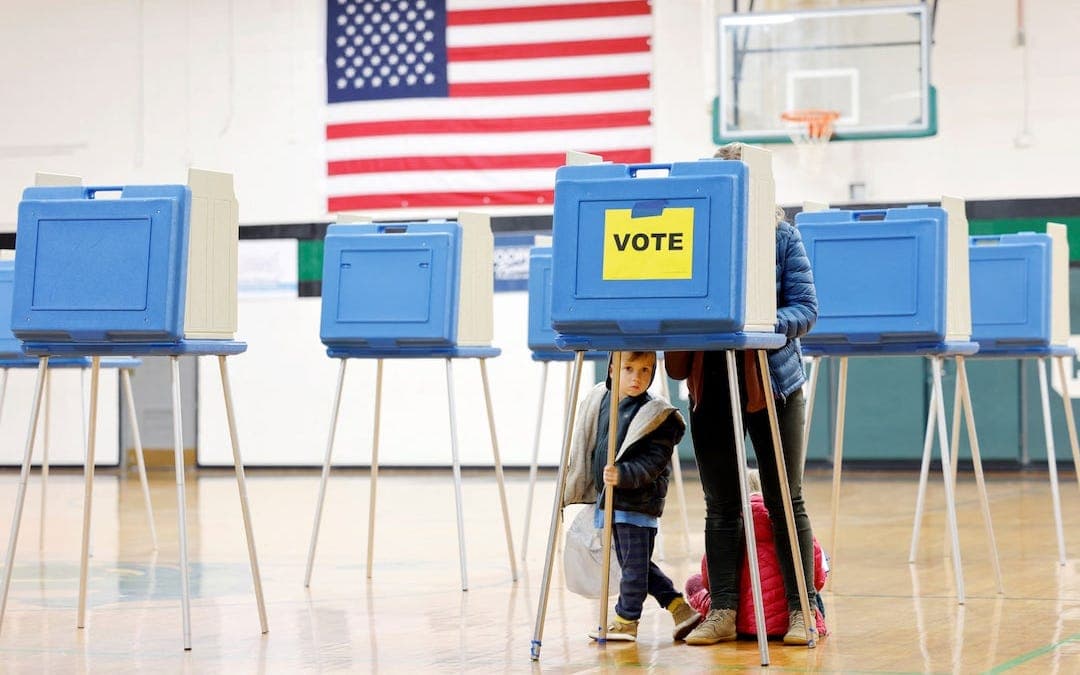
Widespread investigations into electoral processes have become a key battleground for democracy’s future. The **International Foundation for Electoral Systems (IFES)** reports an increase in inquiries into irregularities, misconduct, or potential fraud, which—while aimed at safeguarding electoral integrity—risk politicization and further eroding public trust.
Recent notable developments include:
- **Stalled electoral reforms** in Mexico City, where efforts led by Claudia Sheinbaum face significant hurdles, raising doubts about the sustainability of democratic accountability.
- **UN reports** highlight persistent violations of dissent and human rights in Venezuela, even after Maduro’s departure, indicating the durability of repressive structures.
- **Cybersecurity threats**: Intelligence agencies have uncovered foreign cyber intrusions targeting electoral infrastructure, notably implicating **China in infiltrating U.S. voter databases**. These intrusions underscore vulnerabilities in election security and demand urgent strengthening of cybersecurity measures.
### The Role of Executive Power and Disinformation
Adding complexity, recent reports reveal that **former U.S. President Donald Trump** drafted a draft executive order aimed at federalizing election processes, raising alarms about executive overreach and politicization of electoral administration. Such moves threaten the independence of election agencies and open avenues for partisan manipulation.
Simultaneously, disinformation campaigns and cyberattacks—often orchestrated by foreign actors—continue to undermine electoral integrity. The sophisticated nature of these threats necessitates robust forensic verification and transparent oversight to maintain public confidence.
### Judicial Backlogs and Corruption
In India, judicial corruption and an immense backlog of approximately **54 million pending cases** continue to erode judicial credibility. Legal scholar Anand Ranganathan emphasizes that this backlog exacerbates inequality and fuels public frustration, often leading to protests and civil unrest.
## Migration, Mobility, and Human Rights
### Mass Deportations and Struggles for Safe Movement
Mass deportation campaigns remain highly contentious, viewed by civil rights organizations as violations of human dignity and autonomy. Restrictive policies involving detention centers, legal barriers, and aggressive enforcement threaten the right to seek safety and mobility.
A recent article titled *"In the Age of Mass Deportation, Mobility is a Civil Rights Issue"* underscores how these policies disproportionately impact marginalized communities, threatening societal inclusion and individual autonomy. Advocates are calling for humane, rights-based immigration policies that establish safe and legal pathways for movement.
### Sovereignty Versus International Norms
These issues are part of an ongoing debate between national sovereignty and international commitments. While countries seek control over borders, their policies often conflict with international norms on asylum and refugee protections, risking the erosion of universal civil liberties.
## Emerging Drivers of Rights Erosion
### Big Tech, Media Concentration, and Information Manipulation
A growing concern is the influence of major technology firms and concentrated media ownership. An in-depth report titled **"How are big tech media owners threatening democracy, and what can we do?"** explores how monopolistic control over digital and traditional media can distort narratives, suppress dissent, and enable authoritarian tendencies. When a handful of corporations dominate information dissemination, public perception becomes vulnerable to manipulation, censorship, and bias—especially when governments align with these interests.
This concentration of influence weakens democratic discourse and facilitates the erosion of civil liberties by controlling access to information and framing issues in ways that favor authoritarian or populist agendas.
### International Diplomatic and Symbolic Actions
On the diplomatic front, legislative bodies continue symbolic gestures to advocate for human rights. For example, **Australia’s Parliament** recently passed a cross-party motion commemorating Tibet on the 67th anniversary of the 1959 uprising. Such gestures serve to maintain international pressure, raise awareness about ongoing abuses, and demonstrate legislative solidarity with oppressed populations.
## Recent Developments: Elections, Politics, and Reforms
### Nigeria: Women in Politics and Constitutional Reform
In Nigeria, efforts to advance gender equality are gaining momentum amid broader electoral reforms. A notable push for constitutional reforms aims to increase women’s political representation, addressing longstanding disparities in political participation. On **March 14, 2026**, advocacy groups and legislators emphasize that empowering women is essential for inclusive governance and democratic resilience.
### India: Political Attacks on Protest Movements
In India, political figures, including Amit Shah, have publicly criticized protests, framing them as undemocratic. In a recent speech in Guwahati, Assam, Shah stated, **"Protesting at Parliament is not democratic,"** signaling a crackdown on dissent and civil disobedience. This rhetoric raises concerns about the shrinking space for civic activism and the potential suppression of opposition voices.
### Vietnam: Managed Elections and Legitimacy
Vietnam’s upcoming general election, where millions will vote for a new legislature, exemplifies managed democracy. The process, controlled by the ruling Communist Party, underscores the limited scope for genuine political competition, raising questions about the legitimacy and transparency of electoral outcomes.
### Academic Perspectives on Clientelism and Representation
Research continues to shed light on **clientelism**, a practice where political support is exchanged for material benefits, often leading to **inequitable representation**. The article *"Clientelism and the Unequal Practice of Democratic Representation"* highlights how this phenomenon distorts democratic processes, favoring elites and marginalizing ordinary citizens, thereby weakening the legitimacy of democratic institutions.
## Implications and the Path Forward
The current landscape reveals a troubling trend: many governments are increasingly resorting to securitization—emphasizing control and order—often at the expense of civil liberties. Civil society activism remains vigorous, with protests and advocacy campaigns challenging rights erosions. International organizations continue to scrutinize government actions, emphasizing the need for transparent, rights-respecting reforms.
**Key priorities moving forward include:**
- **Reforming policing practices** to ensure accountability, community engagement, and human rights protections.
- **Strengthening judicial independence** and reducing corruption and backlog.
- **Safeguarding protest spaces** to uphold civic freedoms.
- **Enhancing electoral integrity** through transparent, secure systems resistant to interference.
- **Promoting inclusive representation**, especially for marginalized groups like women and minorities.
### Final Reflection
The battles over policing, justice, and civil liberties are shaping the future of democracy globally. The decisions made today—whether to uphold or undermine civil rights amid security concerns—will determine the resilience of democratic institutions and human rights in an increasingly securitized world. Vigilance, reform, and unwavering commitment to transparency and human dignity are essential to navigate this critical juncture and prevent the slide toward authoritarianism.