# How Conflict, Courts, and Climate Are Reshaping Global Shipping
The global shipping industry is navigating an era characterized by profound upheavals driven by geopolitical tensions, legal reforms, and climate policies. These forces are reshaping trade routes, costs, regulatory frameworks, and fleet strategies, creating a landscape of both uncertainty and opportunity. Recent developments underscore that the future of maritime logistics hinges less on traditional supply and demand dynamics and more on external shocks and strategic adaptation.
## Geopolitical Frictions Intensify Disruptions at Critical Chokepoints
Tensions between the United States and Iran remain a central factor influencing maritime safety and costs. The Strait of Hormuz, a pivotal chokepoint through which approximately 20% of global oil exports pass, continues to be a flashpoint. The escalation of US–Iran tensions has led to **heightened war-risk surcharges** as insurers and shipping companies face increased security concerns.
One of the most notable recent developments is the US government's intensified efforts to target Iran’s so-called "shadow fleet." **In a significant move, the US has issued new sanctions targeting Iran’s clandestine maritime operations**, aimed at disrupting the transport of oil and related commodities by vessels that evade traditional tracking systems. A recent video titled "JUST IN: US issues new sanctions targeting Iran's 'shadow fleet'" highlights the scope of these measures, which are designed to choke off Iran’s ability to export oil through non-transparent routes.
**The implications for the shipping industry are substantial:**
- **Insurance premiums for ships passing through the Strait have surged**, reflecting increased risk.
- **War-risk surcharges are now standard for carriers rerouting or delaying shipments** to avoid sanctions or unsafe zones.
- **GPS spoofing and navigation threats** have become more prevalent, complicating safe passage, especially as Iran employs electronic countermeasures.
These developments have a tangible impact on global trade flows, inflating freight costs and prompting rerouting strategies that add days and expense to shipments.
## Legal and Regulatory Shifts Reshape Trade and Compliance
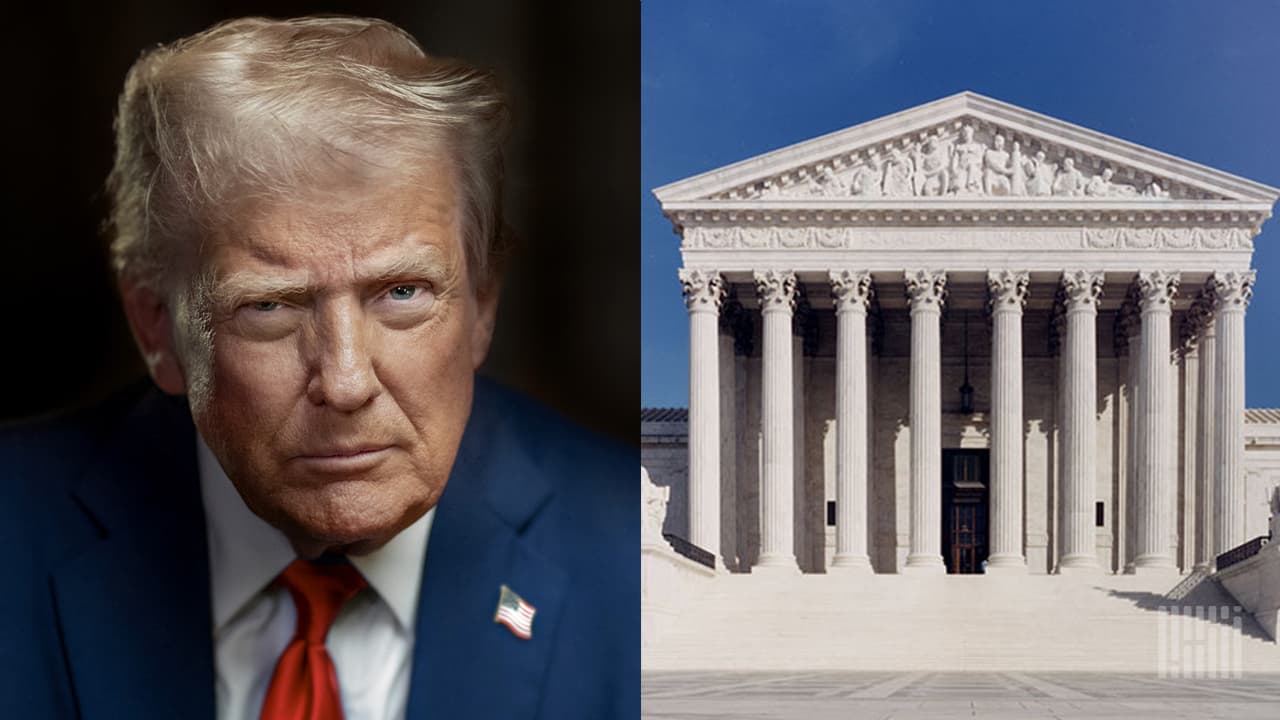
A landmark Supreme Court decision on the **International Emergency Economic Powers Act (IEEPA)** has clarified and limited the scope of presidential authority over sanctions enforcement. The ruling **narrows the President’s unilateral power to expand sanctions**, requiring greater legislative oversight and creating a more predictable legal environment—at least in principle.
However, recent actions by the US government demonstrate that enforcement remains vigorous. Notably, the US has **expanded sanctions targeting Iran’s "shadow fleet,"** increasing the risks for ships involved in bypassing sanctions or operating in high-risk zones. This legal tightening complicates route planning and compliance, as shipping companies must navigate an increasingly complex web of regulations, sanctions lists, and enforcement priorities.
**Key points include:**
- Increased legal clarity offers some certainty but raises compliance obligations.
- Companies face higher risks of penalties if caught violating sanctions, leading to cautious routing and risk assessments.
- The legal landscape underscores the importance of real-time intelligence and compliance systems for maritime operators.
**In summary, legal developments are driving a more cautious approach to maritime trade, especially in regions affected by sanctions and geopolitical tensions.**
## Climate and Decarbonization: Balancing Sustainability and Costs
Environmental concerns and climate policies continue to influence investment and operational decisions within the shipping industry. While decarbonization initiatives aim to reduce greenhouse gas emissions, recent analyses suggest **these efforts are unlikely to cause broad inflation in freight costs** if technological advancements and policy frameworks proceed as planned.
Industry stakeholders are investing heavily in **LNG-fueled vessels, hybrid propulsion systems, and fleet modernization**, which offer greener alternatives without significantly increasing operating costs. For example:
- **LNG-powered ships are increasingly common**, as they provide a relatively straightforward transition compared to full electric or hydrogen propulsion.
- **Port infrastructure investments** are supporting alternative fuels, further enabling sustainable operations.
Despite ongoing policy debates, the industry remains cautiously optimistic that **a sustainable transition can proceed without disrupting freight affordability**, especially if technological innovation continues to advance. The focus remains on balancing environmental goals with economic viability.
## Market Dynamics and Fleet Consolidation Signal Capacity and Risk Shifts
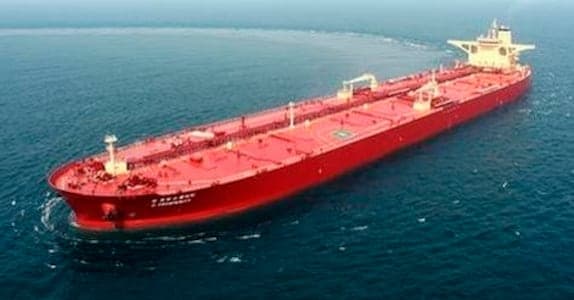
Strategic moves by major shipping firms reveal a sector in flux, with fleet expansion and consolidation shaping future capacity and risk profiles. A prominent example is **Pan Ocean's recent acquisition of 10 VLCCs from SK Shipping**, valued at approximately **$700 million**. This move underscores confidence in market recovery and a desire to modernize aging assets.
**These fleet investments have multiple implications:**
- They **increase capacity** and potentially improve reliability by replacing older vessels.
- They **expose fleets to geopolitical risks**, especially amid ongoing tensions in key maritime corridors like the Strait of Hormuz.
- Industry-wide, **consolidation trends** are accelerating, as companies seek competitive advantages, economies of scale, and risk mitigation strategies.
Additionally, the market is witnessing **a surge in tanker and VLCC asset deals**, signaling a shift toward larger, more technologically advanced fleets capable of navigating complex geopolitical environments more securely.
## Outlook: Navigating a Volatile but Resilient Future
Looking ahead to 2026, analysts forecast **freight rates will remain relatively softer but continue to exhibit volatility**. The intertwining influence of geopolitical conflicts, legal developments, climate policies, and fleet strategies suggests that **costs and reliability will be increasingly sensitive to external shocks**.
**Key implications include:**
- Ongoing geopolitical tensions, especially US–Iran conflicts, will continue to influence route security and insurance costs.
- The evolving legal landscape will necessitate robust compliance strategies.
- Fleet investments, especially in modern, larger vessels, aim to mitigate risks and enhance capacity.
- Decarbonization efforts, if managed effectively, are unlikely to cause widespread freight inflation but will require careful planning.
**In conclusion**, the shipping industry is at a critical juncture where **conflict, courts, and climate** are collectively reshaping global trade flows, costs, and strategic priorities. Stakeholders must remain adaptable, leveraging technological innovation and legal clarity to foster resilience amid uncertainty. The coming years will test the sector’s ability to balance these competing pressures while maintaining reliable, cost-effective global supply chains.