The live-service gaming ecosystem in 2026 continues to evolve dynamically, propelled by an intricate interplay of **seasonal updates**, **major patches**, and **cross-IP collaborations**. These forces not only sustain player engagement but also deepen cultural resonance and competitive vibrancy. Recent developments—from Bungie’s expanding **Marathon roadmap** and RuneScape’s ongoing combat modernization to unexpected platform shifts and high-profile IP crossovers—highlight an industry adept at balancing innovation, community trust, and operational excellence amid challenges such as AI content proliferation and monetization scrutiny.
---
### Bungie and RuneScape: Cornerstones of Live-Service Evolution in 2026
Bungie and Jagex exemplify how live-service titles can marry **transparent communication** with **iterative gameplay refinement** to meet evolving player expectations.
- **Bungie’s Marathon Roadmap**
Bungie’s steadfast commitment to a **quarterly content cadence** continues to anchor its ecosystem stability. The recent comprehensive update video outlined expanded plans for **Server Slam PvP events**, seasonal narrative arcs, and quality-of-life improvements. These initiatives have not only reinvigorated player interest during seasonal lulls but also cemented Bungie’s reputation for **community-driven development** and clarity, fostering long-term trust.
- **RuneScape’s Combat Overhaul and Development Roadmap**
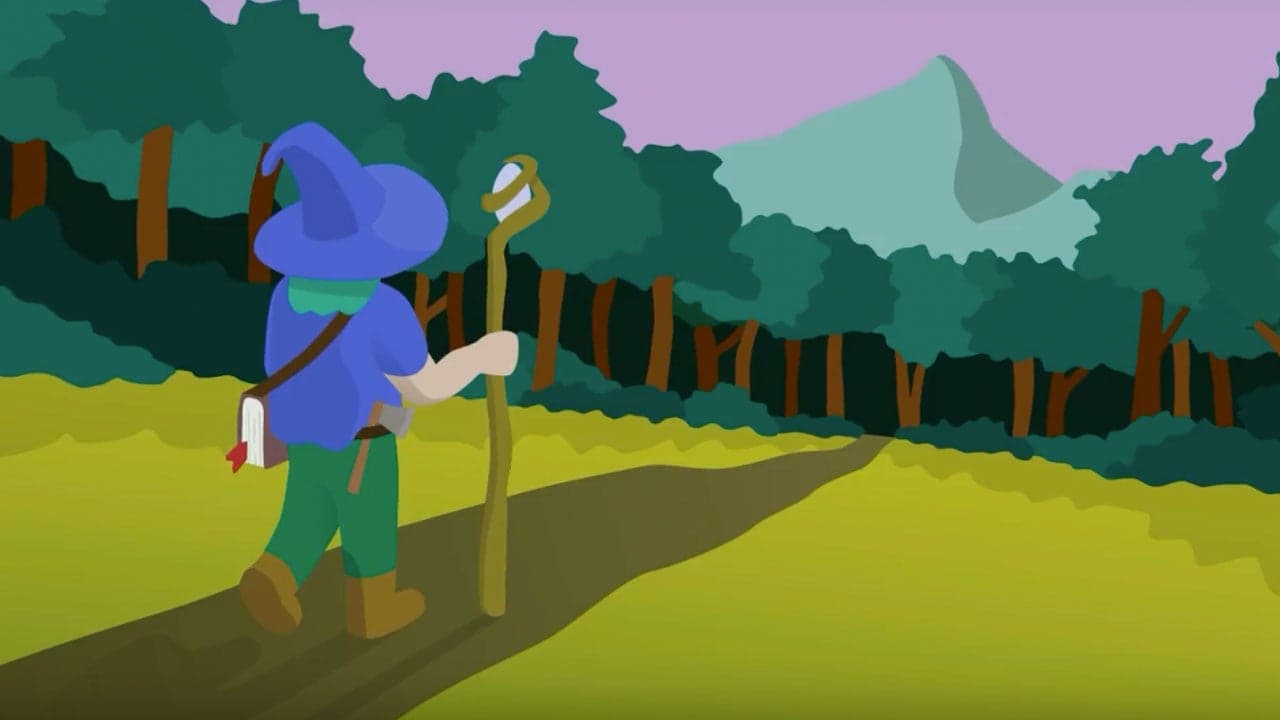
Jagex’s sweeping combat system rework—featuring revamped abilities, fluid animations, and encounter rebalancing—represents a bold modernization effort that honors RuneScape’s legacy while refreshing its core gameplay loop. Alongside this overhaul, the March roadmap detailed ongoing content drops and community events, signaling a proactive, iterative approach. The recent addition of new questlines and seasonal activities further enriches player engagement, making RuneScape a prime example of **live-service longevity through adaptive design**.
Together, Bungie and RuneScape underscore the importance of balancing **core gameplay evolution** with **consistent, transparent player interaction** in sustaining live-service ecosystems.
---
### FPS and Tactical Shooters: Content Updates, Stability, and Platform Milestones
The FPS and tactical shooter genres remain vibrant hubs of live-service innovation, marked by a blend of **fresh content**, **technical refinements**, and **strategic platform decisions**.
- **Call of Duty: Black Ops 7 Season 2**
The latest update introduced significant gameplay tweaks, including weapon balancing and movement adjustments, alongside a **free trial period** designed to expand the player base. Developer Q&A sessions and detailed patch notes have reinforced transparency, addressing community feedback on cosmetics and competitive integrity.
- **Battlefield 6 REDSEC Season 2 and Patch 1.2.1.5**
This patch prioritized cross-platform stability and bug fixes, reinforcing competitive fairness and playability across consoles and PC. The commitment to technical polish remains a key factor in retaining a dedicated player base.
- **Rainbow Six Siege’s Operation Silent Hunt**
This season’s highlight is the integration of **Solid Snake**, complete with full voice acting and stealth mechanics, which has been praised for enhancing tactical depth and narrative immersion, drawing fans from multiple franchises.
- **CS:GO’s Return to Steam**
A defining moment for the FPS ecosystem this year was **Counter-Strike: Global Offensive’s unexpected return to Steam** after a period of absence. This move revitalizes the game’s accessibility and marketplace infrastructure, improving matchmaking and community engagement. Valve’s renewed focus signals a strategic recommitment to one of the genre’s flagship live-service titles and its competitive ecosystem, ensuring CS:GO remains a cornerstone in tactical shooters.
These developments illustrate a dual focus on **delivering fresh content** while **ensuring stable, fair gameplay environments** essential for long-term player retention.
---
### Expanding Cultural and Esports Frontiers Through Cross-IP Collaborations
Cross-franchise collaborations continue to be a powerful driver of cultural expansion and esports synergy, generating excitement across diverse demographics.
- **Resident Evil™ Requiem** persists as a streaming phenomenon, blending classic horror IP with competitive live-service frameworks to great acclaim.
- The **Rainbow Six Siege × Solid Snake** collaboration has resonated for its authentic stealth gameplay and narrative integration, exemplifying successful lore bridging.
- **DRAGON BALL: Sparking! ZERO** energized its community with the **Demon King Piccolo DLC** and a cinematic trailer, reaffirming the franchise’s enduring vitality.
- Blizzard’s ongoing crossovers—**Warcraft × Overwatch 2** and **Overwatch × NieR: Automata**—continue to weave intricate lore and gameplay interconnections, enriching narrative and esports dimensions.
- **Fortnite’s** multifaceted events, including the **Silent Hill** and **Honkai: Star Rail** collaborations, introduced new cosmetic rewards and narrative layers, showcasing the battle royale’s role as a cultural hub.
- Mobile gaming’s global momentum is underscored by events like **PUBG Mobile’s “Dark Arts” featuring K-pop group aespa**, **Free Fire × Dragon Ball**, and **Mobile Legends: Bang Bang × Bleach**, reflecting a strong appetite for culturally blended experiences.
- Real-world tie-ins gain prominence with **The Pokémon Company’s 30th Anniversary Pro Baseball collaboration** and **EA FC 26’s Fantasy Premier League crossover**, blurring virtual and physical fandoms.
- The **Nintendo Indie World Showcase** continues to highlight indie developers’ importance in diversifying live-service content and supporting Switch platform lifecycles.
- **Rockstar’s Surprise Crossover: NBA 2K26 Joins GTA+ Library**
In an unexpected but strategic move, Rockstar integrated **NBA 2K26** into the **GTA+ subscription service**, effectively broadening GTA Online’s appeal and merging sports gaming with open-world live-service dynamics. This crossover represents a growing trend of **platform-level synergy** that extends player engagement across genres and communities.
These collaborations demonstrate the sector’s ability to craft **rich, shared cultural moments** that extend well beyond core gameplay.
---
### MMO and MMORPG Operational Updates: ESO Update 49 and RuneScape Roadmap
MMORPGs continue to refine their live-service offerings through substantial content updates and clear development timelines.
- **Elder Scrolls Online (ESO) Update 49**
The upcoming free DLC includes a **Dragonknight (DK) class refresh**, balancing updates, and the launch of **Season Zero**, which introduces new narrative quests and seasonal rewards. The community has responded positively to the detailed roadmap and the promise of **free content**, reinforcing ESO’s commitment to sustained engagement through quality updates.
- **RuneScape’s Continued Roadmap**
Complementing its combat overhaul, RuneScape’s ongoing roadmap features a steady stream of quests, seasonal events, and quality-of-life improvements, reflecting Jagex’s iterative development philosophy and responsiveness to player feedback.
These updates highlight MMORPGs’ dual focus on **core system enhancement** and **transparent communication** to maintain vibrant player communities.
---
### Monetization Ethics and Marketplace Quality: Navigating AI Challenges and Player Trust
The rise of AI-generated content has intensified the debate around monetization ethics and marketplace curation within live services.
- Cosmetic-only monetization remains the **industry’s most trusted model**, exemplified by **Fallout 76 Season 24** and **Call of Duty: Black Ops 7 Season 2**, which have largely avoided pay-to-win controversies.
- However, backlash against **Skate Season 3’s mid-season paywall**—which locked access to new maps behind an additional purchase—spotlights the delicate balance between revenue and goodwill.
- Xbox executive **Sarah Bond’s public denunciation** of low-quality AI-generated marketplace content has sparked broader calls for **curated storefronts** to protect user experience and content integrity. Bond emphasized that unchecked AI proliferation risks "eroding marketplace quality and player trust," prompting industry-wide reflection on platform governance.
- Subscription models like **Xbox Game Pass** continue to shape monetization by offering broad access paired with steady content updates, fostering engagement while mitigating pay-to-win concerns.
This discourse underscores the critical importance of **transparent policies**, **community responsiveness**, and **platform-level curation** in sustaining ethical, sustainable monetization.
---
### Esports Momentum, Regional Dynamics, and Legacy-IP Revivals
Esports remain a central pillar of live-service longevity, with 2026 delivering new records, surprising upsets, and the revival of classic franchises.
- The **Rocket League Championship Series (RLCS) 2026 Boston Major** shattered concurrent viewership records with a peak of **624,000 viewers**, reflecting esports’ growing mainstream traction.
- The **VALORANT Champions Tour (VCT) Masters Santiago 2026** saw dramatic upsets as **Gentle Mates** and **NRG** toppled dominant Chinese teams, underscoring the global competitiveness of the scene.
- European and North American leagues delivered intense competition, including the **LEC Playoffs 2026** semifinal showdown between **Karmine Corp (KC)** and **GiantX (GX)**, and the tightly contested **LYON vs Sentinels** Lower Final Game 1 in the LCS.
- The **Gran Turismo Esports Teams Competition** crowned **R8G Racing Team**, further legitimizing virtual motorsport within live-service esports.
- The **EVO Fighting Game Championship** expanded aggressively into Brazil, China, and Saudi Arabia, supported by Saudi Arabia’s **Qiddiya megaproject**, signaling fighting games’ increasing globalization.
- The **LCK Cup 2026** revealed nuanced regional trends:
- **Gen.G** secured the championship despite a **21% decline in peak viewership**, indicating shifting audience patterns.
- The storied **T1** organization faced early exits, while Korean streaming platforms enjoyed increased viewership, highlighting evolving digital consumption.
- Legacy IPs also experienced esports revivals:
- **Diablo II: Resurrected** launched its first new class in 25 years, the **“Reign of the Warlock”**, rekindling interest.
- Anticipation mounts for the **Pokémon World Championships 2026** (August 28–30, San Francisco), aligned with the franchise’s 30th anniversary and featuring cross-title integrations with **Pokémon GO**.
- **BlizzCon 2026** is highly anticipated for potential major live-service and esports announcements, particularly within the Diablo universe.
These developments reinforce esports’ role as a vital engagement driver, globalizing competition and breathing new life into legacy properties.
---
### Indie Momentum and Legacy DLCs: Diversifying the Live-Service Ecosystem
Indie developers and legacy franchises continue to diversify the ecosystem with innovative content and sustained support.
- **Perfect World Games’ MMO Hethereau Calling: NTE (Neverness to Everness)** launched in April, showcasing ambitious open-world design and live-service principles.
- The roguelite **Realm of Ink** graduated from Early Access, featuring a crossover with **BlazBlue Entropy Effect** that deepens its narrative and gameplay layers.
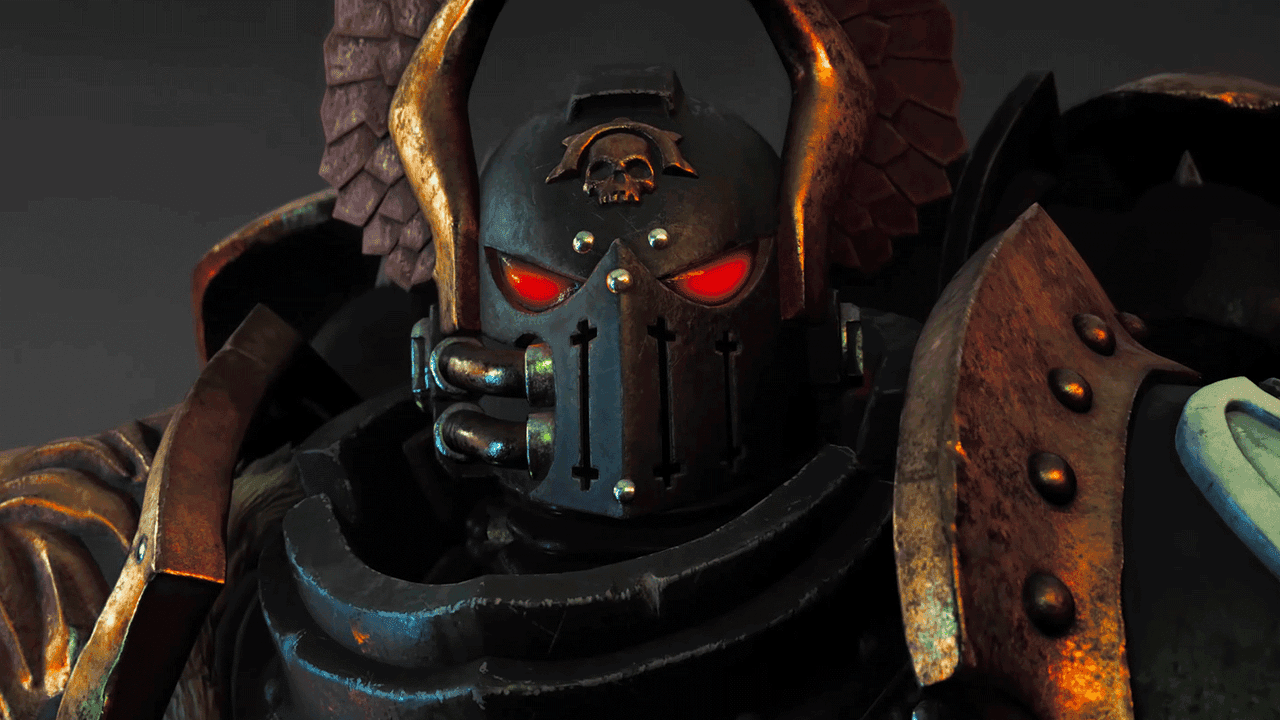
- **Owlcat Games** expanded **Warhammer 40,000: Rogue Trader** with the third DLC, **The Infinite Museion**, and released a new **Dark Heresy combat trailer**, enriching lore and mechanics.
- **Cities: Skylines’ 11th Anniversary DLC** demonstrates how live-service frameworks can effectively extend engagement even in simulation genres traditionally outside the live-service mainstream.
These releases highlight the ecosystem’s breadth, catering to varied player tastes and platform types.
---
### Operational Excellence: The Backbone of Trust and Sustainability
Operational discipline remains critical to maintaining community trust and ecosystem health.
- Studios like **Second Dinner** set exemplary standards with **weekly transparent updates**, fostering active collaboration and trust.
- MMORPGs such as **Elder Scrolls Online** and **Warframe** maintain consistent weekly resets and publish detailed guides, helping players navigate evolving content.
- Platform-specific optimizations continue to improve performance and accessibility, reflecting a holistic commitment to quality.
Such foundational practices underpin player retention and long-term live-service viability.
---
### Conclusion: Charting the Future of Live-Service Gaming in 2026
As 2026 progresses, the live-service sector manifests robust vitality driven by **technical innovation**, **transparent communication**, and **cross-cultural connectivity**. Bungie’s Marathon roadmap and RuneScape’s combat overhaul epitomize evolving design philosophies, while CS:GO’s return to Steam marks a pivotal platform milestone with far-reaching competitive implications.
Cross-IP collaborations—from **Resident Evil Requiem** to **Fortnite’s** multifaceted events, and Rockstar’s surprising NBA 2K26 crossover—continue to broaden cultural footprints and esports synergies. The esports scene’s record-breaking moments and indie showcases further illustrate the ecosystem’s diversity and resilience.
Concurrently, the industry grapples with challenges of monetization ethics and marketplace quality amid burgeoning AI-generated content, actively engaging through calls for **curated storefronts** and **transparent policies**.
Looking ahead, the live-service ecosystem’s success will hinge on integrating bold collaborations, maintaining operational rigor, and nurturing diverse content portfolios—ensuring interactive entertainment’s ongoing evolution and expanding global cultural impact.