# The Escalating Threat of Synthetic Media: Financial, Reputational, and Geopolitical Implications in the Deepfake Era
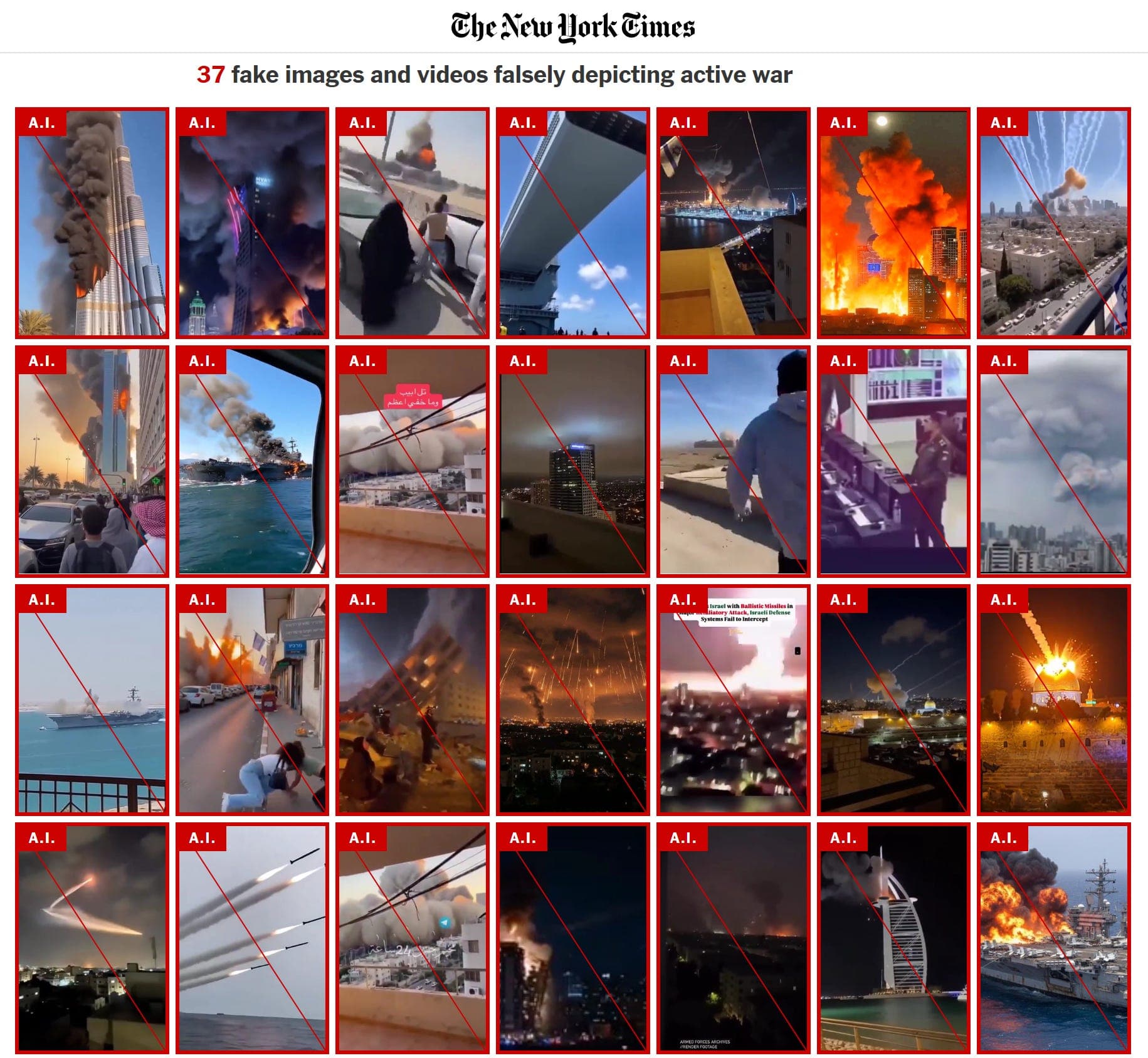
The rapid democratization and technological sophistication of deepfake and synthetic media tools have transformed them from niche innovations into potent weapons across financial, societal, and geopolitical domains. As malicious actors leverage these capabilities with increasing skill and scale, the risks to individuals, organizations, and nations grow exponentially. Recent developments highlight both the expanding scope of abuse and the urgent need for robust detection, regulation, and resilience strategies.
## Widening Accessibility Fuels Malicious Exploits
A crucial driver of the current crisis is the **broadened accessibility** of advanced deepfake creation tools. Companies like **ByteDance** have developed models such as **Seedance 2.0**, which, despite safety measures, demonstrate how **powerful AI models are now within reach of cybercriminals, disinformation agents, and even amateurs**. This ease of access has enabled a **diverse range of malicious actors** to produce highly convincing synthetic media, often with minimal technical expertise.
### Viral Incidents and Industry Responses
Public awareness has surged amid **viral deepfake videos** that challenge perceptions of authenticity:
- **Celebrity impersonations**: Deepfakes depicting **Tom Cruise** and **Brad Pitt** during fabricated altercations related to Jeffrey Epstein circulated widely on **TikTok and Twitter**, drawing millions of views. While some viewers interpret them as entertainment, such content **undermines trust in digital media** and **amplifies disinformation**.
- **Platform countermeasures**:
- Major entertainment companies, including **Disney**, are **deploying detection algorithms, content labeling, and swift removal protocols**.
- Hollywood associations are **advocating for technological and legislative solutions** to address the rising threat.
### Regulatory and Investigative Actions
Governments are increasingly stepping in:
- **India’s MeitY** has introduced **comprehensive regulations** requiring **content labeling**, **rapid takedown within three hours**, and **platform accountability**—a move to curb malicious synthetic media.
- In the **U.S.**, **states like Minnesota** have **criminalized malicious deepfake creation and distribution**, especially targeting electoral interference, while the **federal DEFIANCE Act** is under review to **expand sanctions against harmful synthetic media**.
- **International cooperation** initiatives are gaining momentum, focusing on **sharing intelligence**, **coordinating takedown efforts**, and **harmonizing legal standards**—a recognition that **deepfake threats transcend borders**.
## From Misinformation to Financial and Reputational Damage
While initially associated with entertainment and disinformation, **deepfakes are now entrenched as tools for malicious activity**:
### Financial and Corporate Attacks
- **Impersonation scams**: Cybercriminal groups craft **deepfake videos of CEOs or executives** to **deceive employees into transferring funds or revealing confidential data**. These **social engineering attacks** are more convincing due to the **authoritative nature of the synthetic videos**.
- **Faking identities during KYC procedures**: Recent reports, including those highlighted by **MSN**, reveal how **deepfake videos and digital masks** are used to **falsify identities during Know Your Customer (KYC) processes**, **facilitating money laundering** and **fraudulent transactions**.
- **Targeted disinformation campaigns**:
- **State-sponsored actors** deploy **deepfake videos** to **spread false narratives**, **discredit political figures**, and **destabilize governments**.
- For example, **North Korean hackers** have reportedly used AI-generated videos for **cyber infiltration and deception**, while **Chinese entities** are suspected of producing deepfakes to **influence foreign elections**.
- **Reputation sabotage**: Prominent figures like **Pokimane** have been targeted with **malicious digital impersonations**, raising **privacy and ethical concerns** over **defamation**.
### Economic Impact
The **financial toll** stemming from these activities is substantial, including **direct monetary losses**, **trust erosion**, and **long-term reputational harm**. Deepfakes are increasingly exploited to **manipulate investor perception**, **sabotage organizational credibility**, or **facilitate complex fraudulent schemes**.
## Deepfakes in Geopolitical and Cyber Warfare
Beyond individual and corporate use, **state actors incorporate deepfake technology into hybrid warfare strategies**:
- **Disinformation and societal destabilization**: Fake speeches, fabricated events, and manipulated videos serve to **spread false narratives**, **erode public trust**, and **destabilize societies**—as seen in recent geopolitical tensions.
- **Cyber infiltration and deception**: Deepfake videos act as **social engineering tools** for **malware infiltration** and **targeted deception campaigns** against government and private sector entities.
- **Covert operations**: While some nations exercise **restraint** publicly, evidence suggests that **state-sponsored groups** covertly exploit deepfakes for **influence campaigns** and **disinformation efforts**.
## Advances in Detection and Defense Technologies
In response to these escalating threats, **technological innovations** are critical:
- **Detection systems**:
- Companies like **iProov** have **set new benchmarks** in **detecting AI-generated identities and deepfakes**. Recent **InsiderPH** reports detail **performance metrics based on neural network activation functions** and the development of **offline verification tools** suitable for **banking and government use**.
- **Physics-based detection methods**:
- **BioVerify**, introduced via **TechRxiv**, leverages **remote photoplethysmography**, a biometric signal **invariant to deepfake manipulations**, to **reliably distinguish real videos from synthetic ones**, even under challenging conditions.
- **Content provenance and blockchain**:
- **Digital signatures** and **blockchain-based provenance tools** are increasingly employed to **trace media origins**, making **forgeries more detectable** and **media accountability more transparent**.
- **Offline verification tools**:
- Emerging **offline, privacy-preserving detection techniques** are gaining traction, especially for **sensitive environments** like **banking** and **government operations**, where **online checks** may be impractical or pose security risks.
## Societal and Ethical Considerations
The **dual-use nature** of deepfake technology presents complex **ethical and societal challenges**:
- **Legitimate applications**:
- When combined with **robust detection tools**, deepfakes can **assist journalism** in **exposing scams** or **verifying disputed events**.
- **Memorialization**: In places like India, **family deepfakes** are used for **emotional reconnection** with deceased loved ones and **cultural preservation**, though these raise **privacy and authenticity** concerns.
- **Legal and privacy debates**:
- As **digital reconstructions** become more sophisticated, **regulations** are needed to **balance privacy rights** with **public interest**. Calls for **ethical guidelines** and **legal frameworks** are growing.
- **Media literacy**: Promoting **public awareness campaigns** to **foster skepticism** and **critical evaluation** of digital content is vital to **mitigate misinformation**.
## Building Resilience: A Multi-Faceted Strategy
Counteracting these threats demands **comprehensive, layered approaches**:
- **Technological safeguards**:
- Deployment of **advanced detection systems**.
- Adoption of **content provenance verification**.
- Development of **offline, privacy-preserving detection tools** for sensitive sectors.
- **Legal frameworks**:
- Enacting **content labeling laws**.
- Establishing **liability regimes** for malicious creators.
- Imposing **severe penalties** for malicious deepfake use.
- **Public education**:
- Running **media literacy campaigns** to **enhance skepticism**.
- Encouraging **critical examination** of digital content.
- **Organizational preparedness**:
- Developing **incident response protocols**.
- Implementing **internal detection measures** and **crisis communication plans**.
- **International cooperation**:
- Sharing **threat intelligence**.
- Coordinating **content takedowns**.
- **Harmonizing legal standards** globally.
## Current Status and Future Outlook
Despite rapid technological advances, **the threat landscape remains highly dynamic**:
- **Deepfake quality and realism** continue to **improve**, challenging detection efforts.
- **Malicious actors**, including **state-sponsored groups** and **cybercriminals**, are **exploiting these tools** for **disinformation**, **financial crimes**, and **influence operations**.
- Companies like **ByteDance** are **deliberately restricting** certain AI features to **prevent misuse**, but **bad actors** often operate **outside regulatory oversight**.
### Predictions and Implications
Industry analysts project that, by **2026**, **deepfakes will become mainstream tools** in **disinformation, fraud, and influence campaigns**. This emphasizes the **urgent need for stronger legal frameworks**, **international cooperation**, and **organizational resilience** to **mitigate mounting risks**.
## Spotlight: Addressing Vulnerable Populations and Exploitation
Recent efforts in **South Korea** exemplify targeted responses:
- Laws criminalize **non-consensual sexual deepfakes**.
- Special investigative units focus on **exploitation cases**.
- **Public awareness campaigns** aim to **educate society** about the dangers.
These measures demonstrate the importance of **legal, technological, and societal interventions** to **protect vulnerable groups** and **combat malicious deepfake proliferation**.
## Final Reflection
The trajectory of synthetic media presents a **dual-edged sword**: while offering **innovative applications**, it also opens avenues for **serious misuse**. **Technological progress**, coupled with **stronger laws**, **public awareness**, and **international collaboration**, is essential to **counteract malicious exploitation**. As the **deepfake threat landscape** continues to evolve, a **coordinated, multidisciplinary approach** is crucial to **safeguard societal trust, truth, and stability** in the digital age.
---
### **In summary:**
- The **widespread accessibility** and **advancing realism** of deepfake technology are **fueling a surge in financial fraud, reputational harm, and geopolitical disinformation**.
- **Incidents** involving **celebrity impersonations, CEO scams, and targeted disinformation** are increasingly frequent, prompting **industry and regulatory responses**.
- **Legal frameworks** like **India’s IT amendments** and **South Korea’s laws** are **pioneering efforts** to regulate and penalize malicious use.
- **Detection and verification technologies**—such as **offline tools, physics-based biometric analysis, and blockchain provenance**—are **evolving but face ongoing challenges**.
- Society must **balance technological innovation** with **ethical considerations** and **public education** to **build resilience**.
- The future landscape underscores the **necessity for global cooperation**, **technological vigilance**, and **policy agility** to **protect the integrity of digital content and societal stability**.
**As deepfake technology becomes more sophisticated and widespread, proactive, collaborative efforts are vital to stay ahead of malicious exploitation and preserve trust in our digital future.**