# The Global Transition in 2026: Navigating a Year of Accelerated Change, Ecological Tipping Points, and Resilience
As 2026 progresses, the world finds itself at an unprecedented juncture—where rapid technological innovation, ecological crises, and geopolitical shifts intertwine to shape humanity’s future. This year has become a defining moment in the ongoing effort to move away from fossil fuels toward sustainable energy systems, resilient ecosystems, and adaptive societies. While the pace of progress is remarkable, alarming ecological signs threaten to push Earth beyond critical thresholds, underscoring the urgency for coordinated global action.
## Rapid Advancements in Clean Energy and Electric Mobility
The momentum behind renewable energy deployment and electric vehicles (EVs) continues to surge in 2026. Breakthroughs in **solar technology**, especially **perovskite solar cells**, have significantly improved efficiency and cost-effectiveness, enabling nations to dramatically expand capacity. Notable developments include:
- **China** aims to deploy over **1,200 GW** of offshore wind and solar capacity by 2030, backed by massive infrastructure investments designed to dominate manufacturing and supply chains.
- **India** persists with its **National Solar Mission**, targeting **500 GW** of non-fossil capacity, with a strategic focus on **domestic sourcing of critical minerals** like lithium, cobalt, and rare earth elements. This approach aims to reduce reliance on geopolitically sensitive imports and foster resilient, ethical supply networks.
**Energy storage technologies** have become vital for resilient grids. Breakthroughs in **flow batteries** capable of buffering fluctuations during climate-induced extreme weather events now support reliable power delivery amid escalating climate chaos. These innovations are crucial as climate variability increasingly disrupts traditional energy systems.
In **transportation**, **EV sales** have overtaken those of traditional internal combustion engine vehicles across **Europe**, **North America**, and **Asia**. This shift is fueled by:
- Expanded **charging infrastructure**
- Growing **policy incentives**
- Rising **consumer demand**
The transition is reshaping global supply chains for **battery production** and **EV manufacturing**, aligning with aggressive decarbonization and economic transformation goals.
### Critical Minerals and Supply Chain Reconfigurations
The rapid deployment of renewables and EVs has intensified reliance on **critical minerals**, exposing vulnerabilities in international supply networks. Recognizing these challenges, nations are taking strategic measures:
- The **EU’s Carbon Border Adjustment Mechanism (CBAM)** is incentivizing cleaner practices and reducing **carbon leakage**.
- Countries such as **Canada**, **Australia**, and **China** are expanding **recycling initiatives** and promoting **responsible mining** to develop **sustainable, ethical mineral supplies**. These efforts aim to establish **less geopolitically vulnerable** resource bases, ensuring the momentum of the clean energy revolution continues unimpeded.
Recent **policy shifts** highlight the importance of avoiding conflicts over resource access, emphasizing the need for **resilient, responsible supply chains** to sustain global decarbonization efforts.
## Scientific and Technological Progress: AI, Satellite Monitoring, and Climate Forecasting
Technological advances in **AI** and **satellite technologies** are revolutionizing climate science and disaster preparedness. Notably:
- **Enhanced satellite data analysis** improves early warning systems for wildfires, storms, glacier melt, and other hazards.
- **Refined climate models** now provide higher accuracy, enabling better adaptation strategies.
- **AI-driven insights** are unraveling complex climate dynamics, strengthening disaster response and resource management.
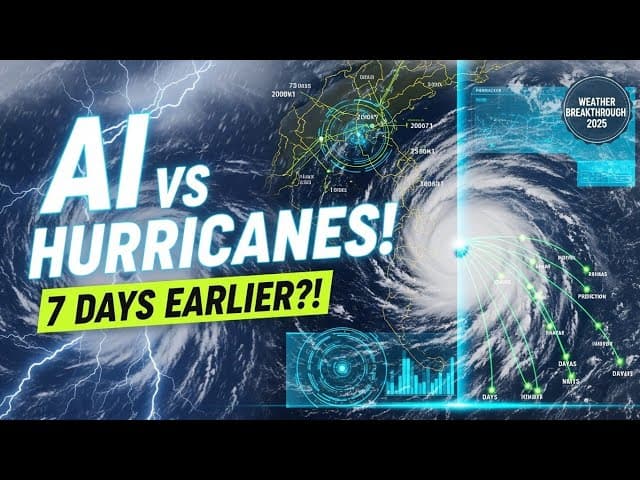
In 2026, **AI** is playing an increasingly prominent role in **hurricane forecasting**, with innovations allowing **predictions up to 7 days earlier**—a significant leap from previous capabilities. As a recent **YouTube video** highlights, this **"Weather Revolution"** is transforming preparedness and response, reducing casualties and economic losses.
Furthermore, a **groundbreaking climate impact model** introduced by **Euronews** reveals **dire forecasts for Europe**, suggesting that the severity of projected impacts may be worse than previously understood. These models reinforce the need for urgent mitigation and adaptation measures.
**Satellite monitoring** has enhanced early warning systems for wildfires, floods, and ice melt, providing crucial data for policymakers and communities. The **UN reports** continue to emphasize the importance of understanding regional climate variability, supporting nations’ resilience-building efforts.
## Intensifying Climate Impacts and Approaching Tipping Points
Despite technological progress, climate impacts are intensifying at an alarming rate:
- The **Arctic** is experiencing **unprecedented ice melt**, with the **Arctic Report Card 2025** warning of rapid thinning and destabilization affecting sea levels and geopolitical stability. Recent observations note **early Arctic destabilization** with **unprecedented climate shifts observed in early February**, disrupting seasonal patterns and ocean currents.
- **Permafrost thawing** persists unabated, releasing **methane**, a potent greenhouse gas that accelerates warming via feedback loops.
- The **Amazon rainforest** has suffered **around 15% forest loss over five years**, risking regional ecological collapse and diminishing its vital role as a carbon sink.
- **Ocean currents**, including the **Atlantic Meridional Overturning Circulation (AMOC)** and **Gulf Stream**, are weakening due to melting ice and changing salinity profiles. A recent **YouTube analysis** titled **"Collapse of this Atlantic current could change Europe's climate forever"** warns of potential **permanent climate shifts** affecting regional weather, agriculture, and ecosystems.
- The **Northeastern U.S.** experienced a **record-breaking cold snap**, illustrating ongoing climate volatility.
### Approaching Climate Tipping Points and Feedback Loops
Scientists warn that **climate thresholds** are nearing or being crossed:
- **Winter** has become the **fastest-warming season** in many regions, with unseasonal warmth followed by cold extremes, disrupting ecosystems and agriculture.
- **Early Arctic melt** and **disrupted jet streams** suggest proximity to **climate tipping points**.
- Oscillations like **La Niña** and **El Niño** are influencing regional weather extremes. With **La Niña** waning and a **75%** chance of transitioning to **El Niño** by summer, the risk of **intensified hurricanes, droughts, and floods** increases significantly.
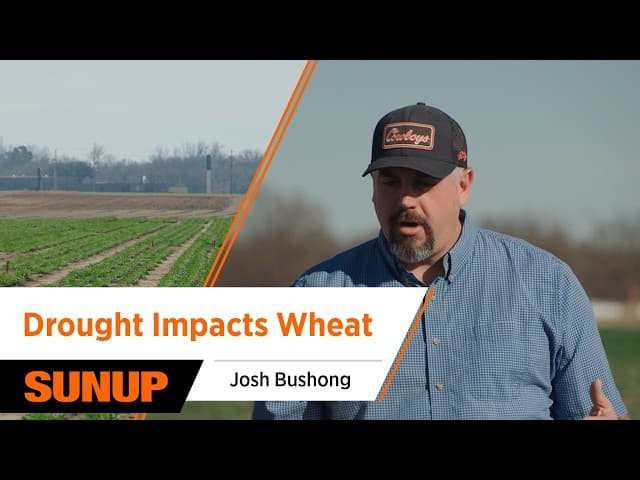
Forecasts project **severe droughts** impacting agriculture globally, notably in **Oklahoma**, where **dry conditions are shaping this year’s wheat crop** (4:04). These stresses threaten global food security and economic stability.
## Ecosystem Responses: Resilience, Adaptation, and Change
Ecosystems are exhibiting both signs of distress and resilience:
- **Sea turtles** are nesting earlier due to warming Atlantic temperatures, but **egg production** is declining, threatening population sustainability. A recent **YouTube video** highlights this: **"Sea turtles nesting earlier as Atlantic warms, but egg production falls, study finds."**
- **Polar bears** are demonstrating **adaptive behaviors**, such as altered hunting strategies and exploiting new food sources. Videos like **"How polar bears are beating the odds against climate change"** showcase their resilience.
- **Coral reefs** are increasingly developing **heat tolerance** through **symbiosis with resilient algae**, though bleaching events persist.
- **Forests** are migrating **poleward and upslope**, favoring **drought-resistant species**.
- **Wetlands** and **mangroves** are expanding via **sediment accumulation** and **vegetation adaptation**, providing natural buffers against storms and coastal erosion.
Efforts such as **coastal wetland restoration** and **coral conservation projects** are vital in bolstering **ecological resilience** and biodiversity.
### Species and Pollinator Dynamics
Pollinator populations remain under threat:
- Declines in **honey bee** populations—driven by habitat loss, pesticides, and climate disruptions—pose risks to over **75% of crops** dependent on pollination, threatening food security globally.
- The **"Pollinators at Risk"** webinar emphasizes that **disrupted phenology and migratory patterns** threaten ecosystems and agriculture, urging habitat restoration and conservation actions.
## Community Resilience and Infrastructure Adaptation
Communities worldwide are deploying **innovative resilience measures**:
- **Microgrids** and **distributed renewable energy** systems are increasing local reliability amid escalating climate shocks.
- **Nature-based solutions**—such as **restoring coastal wetlands**, **reefs**, and implementing **urban green infrastructure**—are proving effective against storms, heatwaves, and flooding.
- **Managed retreat** strategies, exemplified by **Delaware’s relocation efforts**, are gaining prominence as sea levels rise.
- **Urban planning** is increasingly incorporating **climate-resilient infrastructure**, **green spaces**, and **community engagement**.
A recent report, **"Resilience as a New Benchmark for Smarter Infrastructure,"** underscores that resilience now serves as a **core metric** in planning, aiming to help societies **withstand and recover** from climate shocks more effectively.
### Flooding on Campus and Public Infrastructure
Recent reports highlight **flooding on university campuses**, such as the **University of Miami**, where **climate change-induced flooding** is disrupting student life and research activities. The increasing frequency of such events emphasizes the need for **climate-resilient infrastructure** in educational and public facilities.
## Geopolitical and Regulatory Context: Arctic Tensions and Water Security
The **Arctic opening** has intensified **geopolitical tensions**:
- Countries like **Russia**, **Canada**, and **Norway** compete over maritime routes and resource rights, raising conflict risks.
- **Water scarcity** affects over **2.2 billion** people globally, with diminishing flows in major basins such as the **Nile**, **Ganges**, and **Tigris-Euphrates**. These shortages are fueling conflicts, migration, and social unrest.
Recent extreme weather events, including flooding in Cincinnati driven by **melting snowpack** and **storm surges**, exemplify infrastructural stresses. The **"Climate change drives Ohio River flood risk concerns"** report highlights increasing frequency and severity of floods.
### Regulatory Rollbacks and Policy Challenges
Amid progress, setbacks persist. Notably, **EPA regulatory rollbacks**—such as the undermining of climate regulations—pose significant threats to ongoing mitigation efforts. An article titled **"Trump undercuts EPA's climate change fighting tools"** details how political decisions are hampering regulatory capacity to address emissions effectively.
Conversely, **policy initiatives** like the **EPA's reaffirmation of the endangerment finding** reinforce legal authority to regulate greenhouse gases, emphasizing that **climate change remains a critical public health issue**. The **Harvard T.H. Chan School of Public Health** highlights that **delays in policy action exacerbate health risks**, including respiratory illnesses, heat-related morbidity, and vector-borne diseases.
## Socioeconomic Consequences and Public Health
The cumulative impacts of climate change are felt across sectors:
- **Agriculture** faces stresses from droughts and unpredictable seasons. Regions like **Oklahoma** witness **wheat crop declines** amid persistent dryness.
- **Infrastructure damage** from flooding and storms causes economic losses, exemplified by over **$4 billion** in damages from recent storms in Spain and Portugal.
- The **public health** sector is increasingly linked to climate risks, with heatwaves, vector-borne diseases, and air quality issues rising sharply. The **EPA’s reaffirmed endangerment finding** strengthens the case for stricter pollution controls.
## A Year of Critical Choices
2026 vividly demonstrates that **technological breakthroughs**—renewable deployment, **AI-enhanced monitoring**, **ecosystem restoration**—must be complemented by **urgent, coordinated policy**. The **escalating ecological and climate crises**—from **Arctic destabilization** and **weakened ocean currents** to **extreme weather events**—highlight the **imperative for global cooperation**.
However, recent setbacks, including **regulatory rollbacks** like the **EPA’s weakening of climate protections**, threaten to undermine progress. Without decisive action, higher emissions and ecological destabilization risk pushing Earth beyond **irreversible thresholds**, with profound consequences for all life.
**In summary**, 2026 underscores both the remarkable strides toward a sustainable future and the pressing dangers of ecological tipping points. The convergence of **innovative technology**, **policy**, and **community resilience** is essential. The choices made this year will determine whether humanity can **stabilize ecological systems** and **build resilience** or face escalating crises that threaten our collective future. Immediate, coordinated global efforts are vital to **mitigate climate change**, **protect ecosystems**, and **secure a sustainable legacy** for generations to come.