# Middle East Turmoil Reshapes Global Oil, Gas, and Financial Markets: A New Phase of Escalation and Uncertainty
The ongoing conflict in the Middle East has entered a perilous and unpredictable phase, with recent developments signaling a significant escalation that threatens regional stability and reverberates across global energy and financial markets. The convergence of direct military actions, regional spillovers, and diplomatic deadlock has intensified fears of prolonged disruptions, strategic realignments, and economic turmoil worldwide.
## Escalation of Hostilities: A Widening and Deepening Crisis
In recent weeks, the Middle East has witnessed a dramatic intensification of violence across multiple fronts:
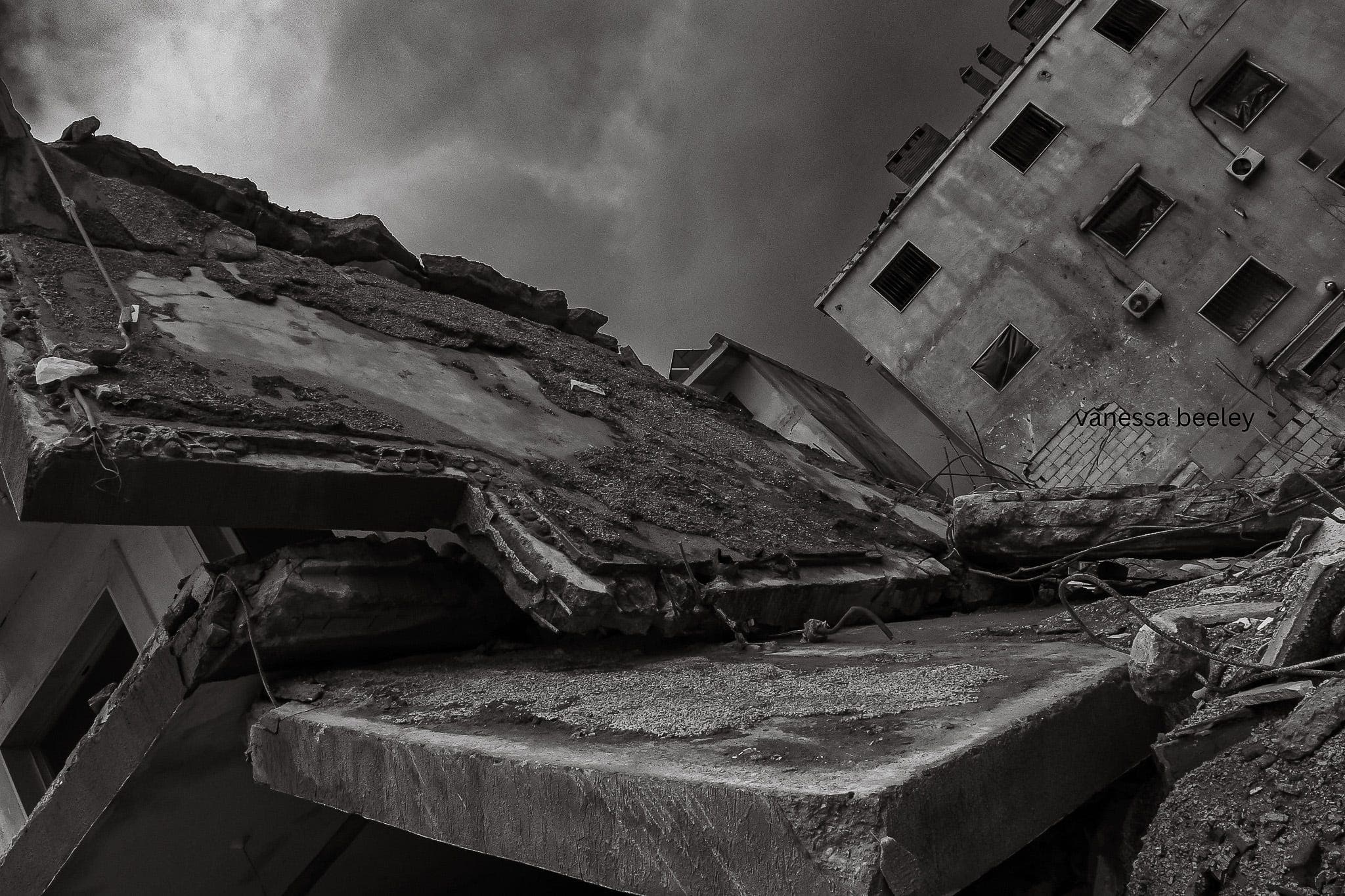
- **Heavy Airstrikes on Iran:** Reports confirm **massive airstrikes targeting Tehran**, marking a notable escalation involving direct military action against Iran itself. These strikes have heightened concerns of a broader regional confrontation, especially as Iran has responded with **missile exchanges** and **military mobilizations** along its borders. Iranian officials have signaled that their military posture is now more assertive, with some analysts suggesting Iran's "Escalation Doctrine," which involves targeting perceived threats beyond conventional boundaries, is now fully in play. This doctrine aims to deter adversaries but risks further spiraling conflict.
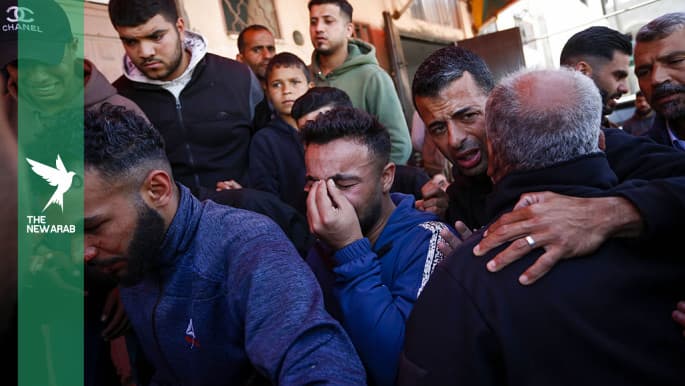
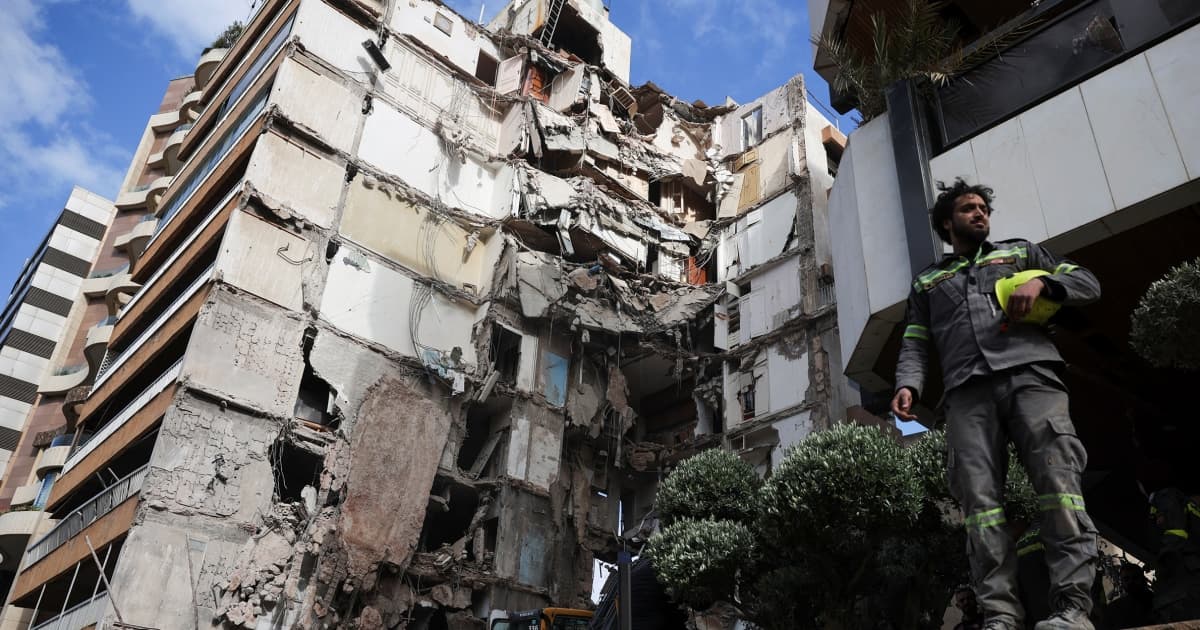
- **Israel-Lebanon Conflict Escalates:** The long-standing Israel-Hezbollah tension has recently boiled over, with **intensified hostilities, civilian displacement, and mounting casualties**. A recent **video report (3:53 minutes)**, viewed over 39 times, underscores the severity: **over 570 deaths** and more than **750,000 displaced civilians**. Cross-border exchanges of fire continue, with Hezbollah launching rockets into northern Israel and Israeli military strikes targeting Hezbollah positions. The situation has raised fears of a broader regional war, especially as Lebanon’s government calls for international intervention to prevent further spillover.
- **Regional Spillovers and Humanitarian Toll:** Countries such as **Syria and Lebanon** are experiencing surges in violence, complicating diplomatic efforts. Despite calls from international bodies—including Qatar’s Minister of State for Foreign Affairs—for **restraint and negotiations**, the hostilities persist, deepening regional instability.
### New Diplomatic and Military Movements
- The **US and European allies** have increased **naval patrols** and **maritime security operations** in the Strait of Hormuz and surrounding waters to **protect shipping lanes** and **deter further attacks**. The US has also **bolstered troop and marine deployments** in regional bases.
- **China** has ramped up **mediation efforts**, with its envoy touring the Middle East to **mediate between Iran, the US, and Israel**. Beijing’s diplomatic push reflects its strategic intent to position itself as a peacemaker amid rising regional tensions.
- The **UN** continues to call for **diplomatic solutions**, emphasizing the need for **de-escalation** and **peaceful negotiations**. However, the fractured political landscape and diverging interests among regional powers hinder progress.
## Disruptions to Energy Infrastructure and Supply Chains
The conflict's impact on regional energy infrastructure remains acute, threatening global supplies:
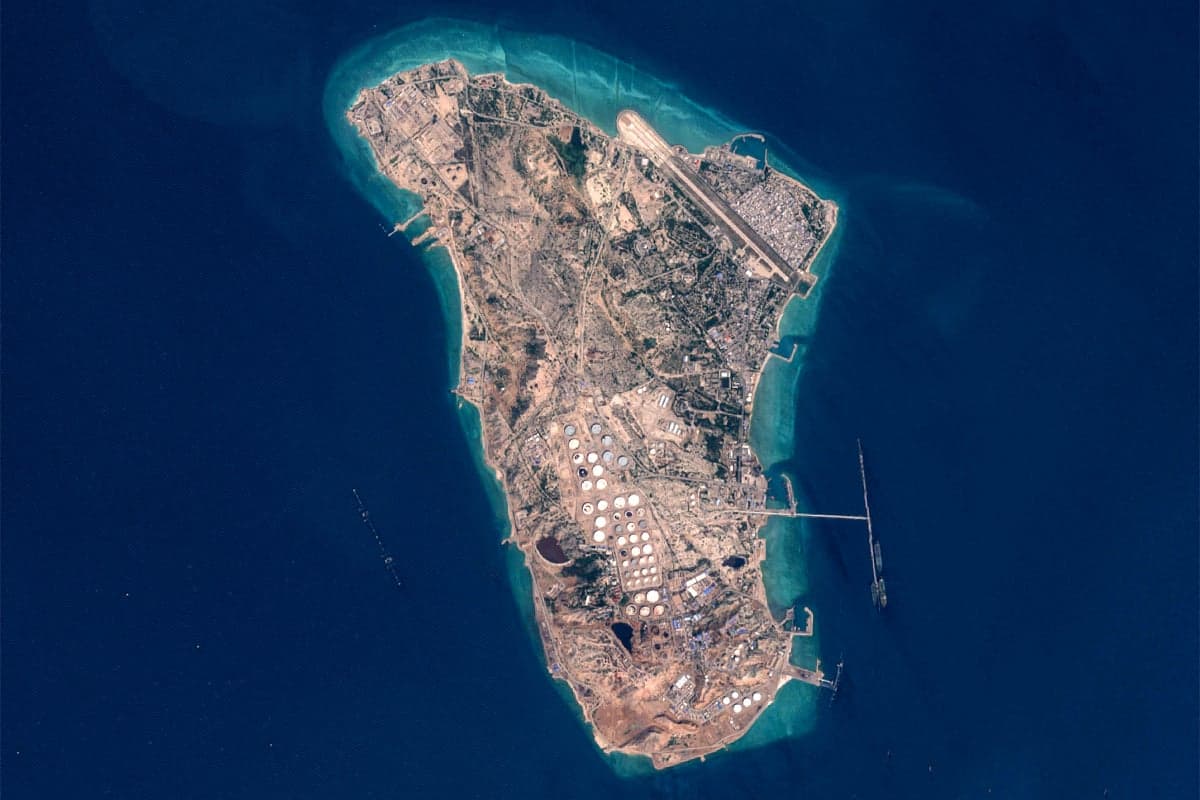
- **Targeted Attacks on Gulf Energy Assets:** Multiple facilities in **Saudi Arabia**, the **UAE**, and **Iran** have been **attacked, sabotaged**, or come under **security threats**. Damage to oil facilities, pipelines, and export terminals has temporarily reduced **regional oil production and export capacity**, causing **volatile swings in oil prices**. Prices briefly surged past **$100 per barrel**, driven by fears of supply shortages.
- **Qatar LNG Facilities Under Threat:** Qatar’s **LNG export terminals**, among the largest globally, face operational disruptions amid security concerns. These facilities are critical for **European**, **Asian**, and **emerging markets** seeking alternatives to Russian and Middle Eastern energy sources. Any prolonged disruption could tighten global LNG supplies, exacerbating energy insecurity.
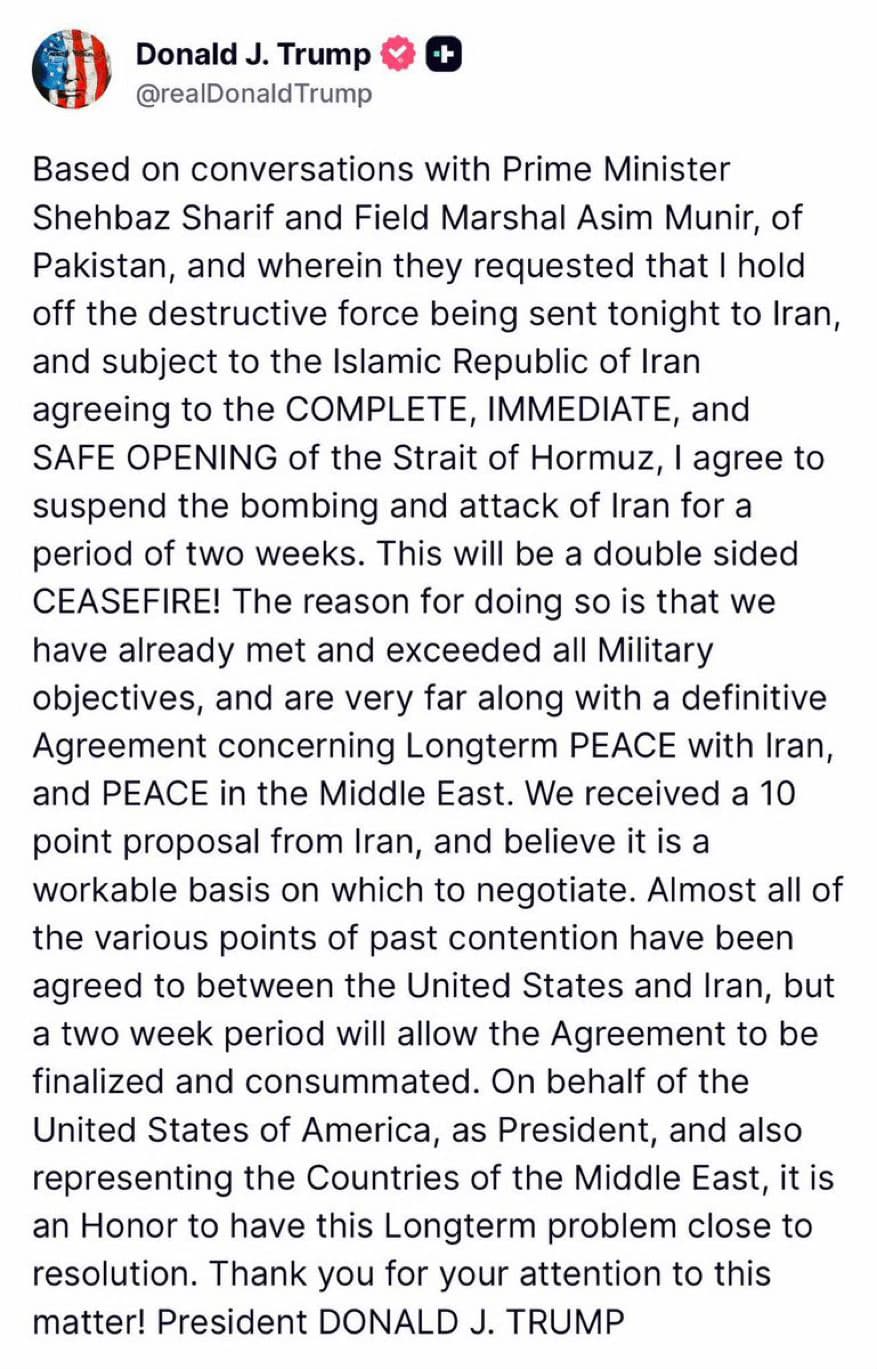
- **Strait of Hormuz Tensions:** The **Strait of Hormuz**, responsible for roughly **20% of global oil trade**, remains a flashpoint. Threats of **blockades** or **attacks** continue to escalate, risking **disruptions in oil and gas shipments**. Already, **gas prices in Europe and Asia** have hit **multi-year highs**, fueling inflationary pressures and economic instability.
## Financial Markets React: Risk Re-pricing and Regulatory Developments
Global financial markets are rapidly adapting to the escalating geopolitical risks:
- **Commodity Futures Volatility:** Oil and gas futures are experiencing **sharp fluctuations**, reflecting supply concerns, military developments, and speculative trading. The **market anxiety** underscores fears of prolonged supply chain disruptions.
- **Stock Market Swings:** Indices across **Europe**, **Asia**, and the **Middle East** display heightened volatility. **Energy stocks** are rallying amid fears of supply disruptions, while **transportation** and **industrial sectors** face declines tied to uncertainty and operational risks.
- **Risk Premium Adjustments:** Investors are **reassessing geopolitical risk premiums**, factoring in **supply chain disruptions**, **inflationary pressures**, and **sanctions risks**. European Union sanctions targeting **Iran** over **human rights abuses** compound trade and financial frictions.
- **Sanctions and Crypto Scrutiny:** The **US Justice Department** is actively investigating **cryptocurrency platforms like Binance** for potential violations related to **Iran sanctions evasion**. Recent video evidence has raised alarms about Binance’s role in facilitating transactions that may bypass US sanctions, highlighting **regulatory risks** in the crypto domain.
- **Temporary Easing of Russian Oil Sanctions:** In a strategic move, the US has **temporarily eased sanctions on Russian oil ships at sea** to **stabilize markets amid soaring energy prices**. While providing short-term relief, this move raises questions about the **enforcement** and **long-term stability** of broader sanctions regimes.
## Diplomatic and Military Responses: Navigating a Fractured Landscape
Despite ongoing violence, diplomatic and military initiatives continue:
- **US and Allied Deployments:** Naval patrols and **maritime security operations** have been intensified in key choke points like the Strait of Hormuz. The US has also **expanded troop and naval deployments** to regional bases, aiming to **deter further attacks** and **secure global energy flows**.
- **Chinese Mediation Efforts:** China’s **Middle East envoy** has been engaging regional actors to **mediate between Iran, the US, and Israel**. Beijing’s approach signals its desire to **position itself as a regional peacemaker**, balancing its strategic interests with increasing influence.
- **International Calls for Diplomacy:** The **United Nations** and various nations urge **restraint and dialogue**, emphasizing that **military escalation only deepens humanitarian suffering and economic instability**.
### Recent Developments: On-the-Ground and Back-Channel Diplomacy
- A recent **on-the-ground report** underscores the **severity of the current escalation**, noting **widespread fire exchanges** along Israel and Lebanon borders, with **civilian casualties and displacement** mounting. The Lebanese government has called for **international intervention** to prevent further spillover, but prospects remain uncertain.
- **Fidan**, Turkey’s Foreign Minister, has indicated that **Iran remains open to back-channel diplomacy**, despite the challenging regional conditions. He stated that **formal negotiations** are difficult but **back-door talks** could pave the way for de-escalation.
- Experts note that **Tehran’s escalation doctrine** is aimed at **deterring adversaries** through **targeted strikes** on perceived enemies but risks broadening the conflict. Tehran’s strategy appears to blend **diplomacy, denial, and targeted retaliation** to maximize pressure while avoiding full-scale war—at least for now.
## Economic Implications and Future Outlook
The ongoing conflict portends **significant economic repercussions**:
- **Supply Disruptions:** Prolonged hostilities threaten to **sustain or worsen energy shortages**, leading to **higher prices**, **inflation**, and **economic slowdown** globally.
- **Inflationary Pressures:** Rising energy costs are fueling **cost-push inflation**, straining consumers and governments alike. Central banks may face increased pressure to tighten monetary policies, risking economic slowdown or recession.
- **Strategic Reserves and Diversification:** Countries are accelerating **building strategic petroleum reserves** and **diversifying energy sources** to mitigate risks. Efforts include **securing alternative suppliers** and investing in **renewable energy**.
- **Prolonged Uncertainty:** Market analysts warn that **escalation or expansion of the conflict** could lead to **sustained volatility**, impacting investments, currencies, and global trade.
## Current Status and Strategic Implications
As of now, **no immediate de-escalation** appears imminent. The conflict’s persistence continues to **fuel market volatility** and **economic uncertainty**. The risk of **further escalation or regional widening** remains high, with potential **downside impacts** on global markets.
**Key takeaways** include:
- The **interdependence between geopolitical stability and energy security** has become starkly evident, with the Middle East conflict serving as a catalyst for **global market turbulence**.
- **Diplomatic efforts** are ongoing but face significant hurdles; **urgent international engagement** is essential to prevent further escalation.
- The **long-term outlook remains uncertain**, but the immediate priorities include **preventing further violence**, **stabilizing energy markets**, and **reinvigorating diplomatic initiatives**.
### **Implications for the Global Economy**
If hostilities intensify, the consequences could include:
- **Extended supply disruptions**, leading to **prolonged energy shocks**, inflation, and slower economic growth.
- **Financial shocks** driven by uncertainty, affecting **investments**, **currencies**, and **trade flows**.
- **Energy-dependent economies** experiencing rising costs, social unrest, and increased inflationary pressures.
---
The Middle East’s turmoil continues to evolve rapidly, underpinning the urgent need for **restraint, diplomacy, and strategic stability measures**. The world must remain vigilant as the risk of a broader regional conflict with widespread economic fallout persists. The coming weeks will be critical in determining whether de-escalation efforts succeed or if the crisis deepens into a protracted and more destructive phase.