# Why Prices Are Rising in 2026: An Updated and Comprehensive Analysis
As 2026 unfolds, the persistent inflationary environment continues to shape economic discussions worldwide. Despite ongoing policy efforts and some promising signs, a complex web of factors sustains upward pressure on prices. Recent developments—ranging from geopolitical tensions and supply chain disruptions to legal rulings and political messaging—have added new layers to this intricate landscape. Understanding these evolving dynamics is crucial for consumers, investors, and policymakers aiming to navigate the uncertain economic terrain.
## Core Drivers Reinforcing Elevated Prices
### Resilient Demand and a Tight Labor Market
The global economy remains firmly in a post-pandemic growth phase characterized by **robust consumer activity**. Sectors such as housing, travel, entertainment, and retail continue to benefit from **pent-up demand** and the easing of restrictions across many regions. Market indicators mirror this optimism; for instance, the **S&P 500** recently surged to **6,602.99 points (+0.98%)**, reflecting investor confidence in sustained economic vitality.
Simultaneously, the **labor market remains remarkably tight**. Recent employment data indicates **higher-than-expected job creation** across multiple sectors, leading to **wage increases**. While higher wages enhance workers’ earnings, they also **fuel wage-led inflation**, as increased labor costs are often passed onto consumers through higher prices.
### Sector-Specific Supply Chain Constraints and Cost Pressures
Energy markets continue to be highly volatile, largely driven by **Russia’s ongoing conflict with Ukraine**, which sustains elevated energy and critical mineral prices vital for electronics, green infrastructure, and defense manufacturing. Despite efforts to stabilize these markets, **high energy costs** persist, directly impacting household expenses and industrial input costs.
Supply chain bottlenecks persist, hampering logistics and raw material availability. Major transportation sectors—including **airlines**, **shipping firms like CSX**, and cruise lines—still grapple with **delays and shortages**. Additionally, shortages of metals and rare earth elements—crucial for modern manufacturing—remain unresolved, further inflating costs. In response, the Biden administration has launched strategic initiatives to **diversify supply chains**, notably through **alliances with the EU and 54 nations**, aiming to **reduce dependence on China** and **stabilize critical material prices**.
### New Initiatives to Strengthen Supply Chains
Recent efforts include the White House’s **America’s Maritime Action Plan**, which emphasizes **investments in maritime infrastructure** to **enhance domestic capacity**. These initiatives focus on **upgrading port infrastructure**, **expanding shipbuilding capabilities**, and **bolstering supply chain resilience** to **prevent future shocks** that could further elevate inflation.
## Geopolitical and External Shocks Amplifying Inflation
### Russia–Ukraine & Energy Market Volatility
The **Russia-Ukraine conflict** remains central in shaping commodity prices and global supply stability:
- **Energy & Critical Minerals:**
Disruptions and prolonged tensions keep energy and mineral prices high. Any escalation could **rapidly escalate costs**, intensifying inflationary pressures.
- **Diplomatic & Strategic Alliances:**
The Biden administration continues to foster **critical-mineral alliances** with the EU and other partners to **mitigate future shocks** and **reduce dependence on volatile regions**.
### U.S.–Iran Nuclear Negotiations and Market Dynamics
Recent **briefings** underscore the importance of **U.S.–Iran negotiations**:
- **If sanctions are eased**, **energy prices could stabilize or decline**, easing inflation pressures.
- Conversely, **failure or escalation** in talks could lead to **market volatility**, pushing energy prices higher and sustaining inflation.
The outcome of these negotiations remains **crucial** for the global oil supply and inflation trajectory.
### Natural Disasters & Pandemic Aftereffects
Residual disruptions from natural disasters and lingering pandemic effects continue to **delay manufacturing and transportation**, exerting **additional inflationary pressures**. These shocks expose **the fragility of global logistics networks**, complicating efforts to contain prices.
## Legal and Trade Developments: Supreme Court Ruling on Tariffs
A significant recent development is the **U.S. Supreme Court’s decision** to **rule against former President Trump’s emergency tariffs** imposed in 2018–2019. This case, **"Trump Tariffs on Trial,"**, challenged the legality of those tariffs, which had increased import costs.
**Key points include:**
- The Court’s ruling **invalidated certain tariffs**, leading to a **temporary reduction in some import costs**.
- **Trump responded** by **announcing plans** to **reintroduce a 10% tariff**, signaling ongoing trade tensions.
- This decision **highlights ongoing debates** over trade policy and its inflationary impact, with **possible reimplementation of tariffs** potentially **driving prices higher** for consumers and businesses.
### Implications and Future Outlook
While the **immediate effect** might be a **short-term easing** of some import costs, **uncertainty surrounding trade policies** persists. The **potential reintroduction of tariffs**—such as the proposed 10% surcharge—could **reignite inflationary pressures** if broadly applied, complicating efforts to **manage ongoing inflation**.
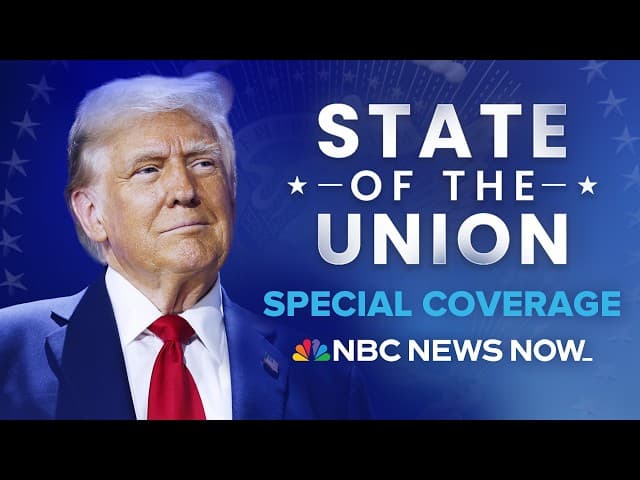
Recent **public messaging** underscores political debates around affordability and trade policy. For example, a widely viewed **YouTube video titled “Trump’s STATE OF THE UNION HIGHLIGHTS: Tax Cuts, border security, and tariffs”** (duration: 4:26, views: 151) emphasizes **tariff policies** as a key topic, reflecting ongoing influence of political narratives on economic expectations.
## Policy & Market Responses: Efforts to Tame Inflation
### Monetary & Fiscal Strategies
The **Federal Reserve** persists with **interest rate hikes** to **curb inflation**:
- Recent increases involve **raising interest rates**, which **raises borrowing costs** and **slows demand**.
- The **$80 billion liquidity drain** signals a **firm stance** on inflation control, though it may introduce **market volatility** and **uncertainty**.
### Sector Dynamics & Market Signals
Market reactions remain **sector-sensitive**:
- The **technology sector** has experienced **valuation adjustments**, with the **Nasdaq** dropping to **22,273.08 points (+0.88%)**, amid fears of rising yields and inflation.
- **Precious metals** like **gold and silver** continue as **inflation hedges**, with technical signals suggesting potential volatility but reinforcing their **safe-haven appeal**.
- The **energy sector** remains **resilient**, exemplified by **ExxonMobil’s record profits**, reflecting **high energy prices** and strategic production increases.
### Recent Policy Initiatives: EPA Vehicle Standards & Fiscal Measures
A noteworthy policy is the **Biden administration’s announcement** of **$1.3 trillion in savings**, partly driven by **EPA’s new vehicle standards**. These standards are projected to **reduce new vehicle costs by approximately $2,400**, supporting household affordability and **curbing inflation**. The policies include:
- **Stricter fuel efficiency and emissions standards**, promoting cleaner transportation.
- **Lower vehicle prices** and **reduced fuel and maintenance costs** over time, easing household expenses.
### Energy Policy & Political Critiques
**Senator Sheldon Whitehouse** recently **criticized** former President Trump’s energy policies, asserting they **exacerbated supply constraints** and **inflated energy costs**. In an **11-minute YouTube video**, Whitehouse argued that **deregulation under Trump** **undermined domestic energy production**, leading to **higher prices** and **greater reliance on international markets**.
This political debate underscores how **policy choices**, whether deregulation or strategic investments, **directly influence energy supply stability** and **price levels**.
### Diplomatic Efforts & Market Outlook
Ongoing **U.S.–Iran negotiations** could **stabilize or reduce energy prices** if successful, easing inflationary pressures. Conversely, failure or escalation could **increase market volatility** and **drive prices higher**.
## Sector Impact & Investor Sentiment
- **Energy Sector:** ExxonMobil’s **record profits** highlight **sector resilience**, with high energy prices bolstering earnings.
- **Technology Sector:** Faces **valuation adjustments** amid rate hikes and inflation fears, leading to **caution among investors**.
- **Safe Havens:** Gold and silver remain popular **inflation hedges**, with continued investor interest.
### Commodity & Market Indicators
- **Copper stocks** recently hit **all-time highs**, reflecting **strong demand for critical minerals** essential for electronics, green energy, and infrastructure.
- **Falling M2 money supply**, a key measure of liquidity, signals **diminished market liquidity**. A recent YouTube discussion titled **"Liquidity Speaks, Sentiment Listens - Falling M2 Could Signal A Stock Market Crash"** emphasizes that declining liquidity **could trigger market downturns** and **affect inflation expectations**.
**Legal and policy experts** from the Yale Budget Lab have highlighted that **reversing or reintroducing tariffs** could significantly influence **cost structures** and **inflation**.
## Additional Developments and Current Outlook
### Major Developments
- **Big News for Montana Mining:**
Recent reports indicate the White House is planning significant initiatives to bolster critical mineral mining, especially in Montana. Trump Interior Secretary Doug Burgum announced at the White House that he is headed to Montana later this week, signaling renewed federal focus on domestic mineral extraction to support supply chain resilience—an essential step to address ongoing shortages in critical minerals pivotal for green energy and electronics.
- **Post-State-of-the-Union Political Landscape:**
Following President Trump’s recent State of the Union address, his agenda faces a new political reality. Discussions highlight ongoing debates over tariffs, energy policies, and inflation strategies, with some analyses emphasizing the impact of these policies on market stability and consumer prices.
- **Nvidia Earnings and Market Impact:**
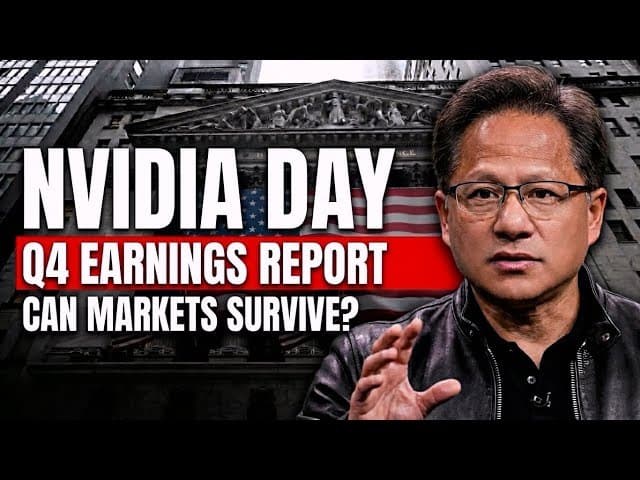
Nvidia’s recent profit report caused mixed reactions in the U.S. stock market. The company's results underscore the growing influence of AI and semiconductor demand, which could influence sector-specific inflation and investor sentiment, especially given broader rate hike concerns.
### Outlook and Implications
Despite some promising measures—such as **supply chain improvements**, **new critical mineral initiatives**, and **policy reforms** like EPA vehicle standards—**the overall inflation outlook remains cautious**. Geopolitical tensions, especially in **energy and critical minerals**, coupled with **labor market resilience** and **trade uncertainties**, suggest that **inflationary pressures are likely to persist into 2026**.
The recent **Supreme Court tariff ruling** and potential for **tariff reintroductions** add uncertainty, with **trade policy debates** continuing to influence prices. Meanwhile, **liquidity concerns**, exemplified by **falling M2**, present additional risks to market stability and long-term inflation control.
---
## **Current Status and Implications**
While some indicators point toward **possible moderation**—thanks to strategic supply initiatives, regulatory reforms, and diplomatic efforts—the overarching environment remains **inflationary**. **Geopolitical conflicts**, **energy market volatility**, and **trade policy uncertainties** sustain elevated prices.
**The economic outlook for 2026 remains uncertain**, heavily reliant on **diplomatic breakthroughs**, **supply chain resilience**, and **effective policy measures**. Absent significant structural or diplomatic improvements, **inflation is expected to stay high**, impacting consumers, businesses, and financial markets alike. Continuous monitoring, strategic adjustments, and proactive policy responses will be essential in navigating this complex environment.
---
## **Key Takeaways**
- **Demand remains resilient**, supported by employment growth and infrastructure investments.
- **Supply constraints**, including energy volatility, critical mineral shortages, and transportation delays, continue to push prices upward.
- **Geopolitical tensions**—notably Russia–Ukraine and U.S.–Iran—play a pivotal role in commodity prices.
- **Legal and trade policy developments**, especially tariff debates and court rulings, contribute significantly to inflation dynamics.
- **Policy measures** like EPA vehicle standards, monetary tightening, and strategic supply initiatives aim to **manage inflation and support affordability**.
- **Market signals** show cautious investor sentiment, sector shifts, and increased interest in **safe-haven assets** like **gold**.
- **Liquidity concerns**, particularly **falling M2 money supply**, pose potential risks to financial stability and inflation control.
**In summary**, inflation in 2026 remains a multifaceted challenge. Its trajectory depends heavily on **geopolitical developments**, **supply chain resilience**, and **policy effectiveness**. While some signs hint at possible moderation, significant risks persist, making ongoing vigilance and adaptive strategies essential for economic stability.