# How Candidates and Campaigns Fight for Advantage Nationwide in 2026: Latest Developments and Strategic Battles
As the 2026 election cycle accelerates towards November, the American political landscape is more dynamic, polarized, and technologically sophisticated than ever before. From intense intra-party contests to external threats exploiting new digital frontiers, campaigns are deploying unprecedented strategies to sway voters, secure control of Congress, and ultimately shape the future of American democracy. Recent developments reveal a nation embroiled in fierce ideological battles, demographic shifts, and technological innovations—each influencing the trajectory of this pivotal election.
## Donald Trump: The Central Pillar of GOP Strategy Continues to Dominate
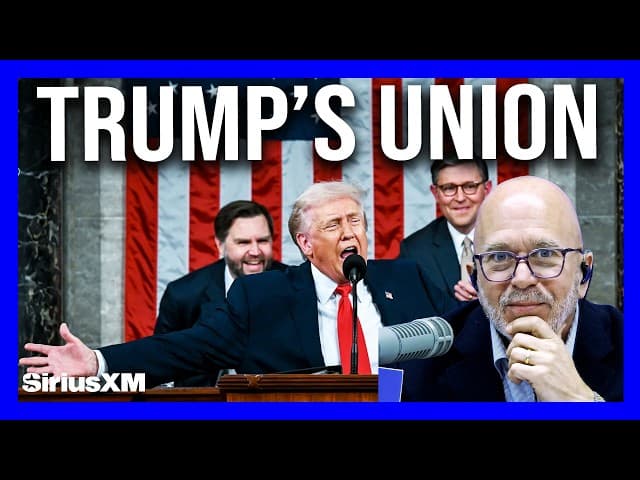
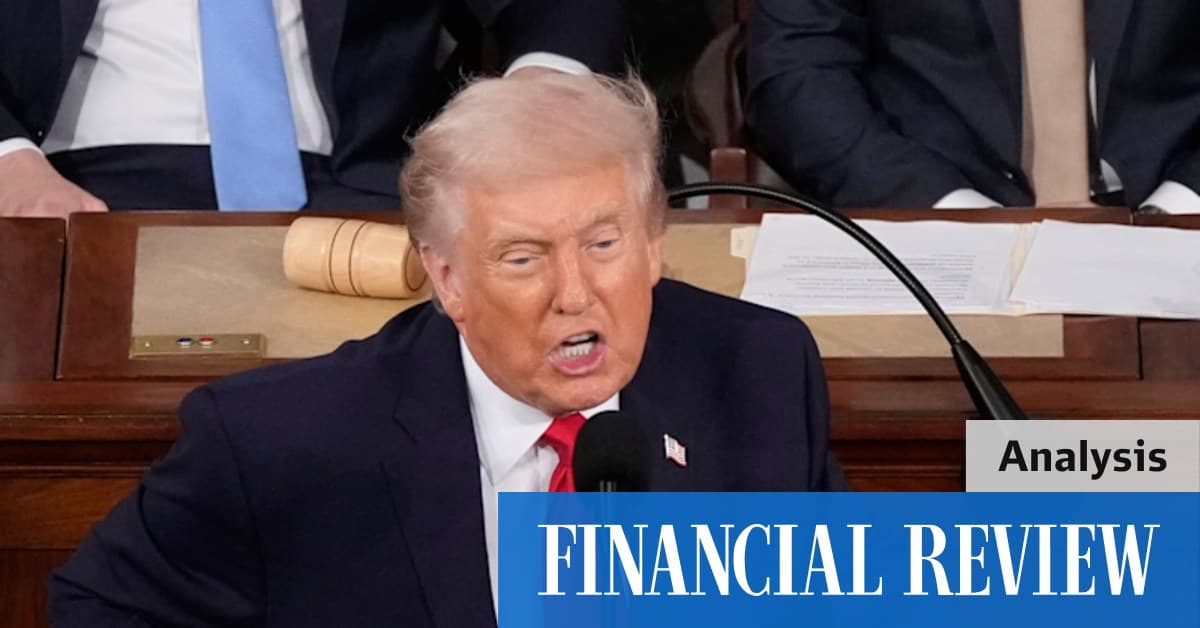
**Donald Trump’s influence remains the cornerstone of Republican strategy** in 2026. With an **extraordinary war chest exceeding $1.5 billion**, his campaign continues to shape messaging, resource allocation, and candidate endorsements across key states. His prominence was underscored in his recent full address at the State of the Union, where he **defended the military budget**, **criticized President Biden** and NATO, and **pressed Iran and Russia**—themes designed to energize his core supporters and project strength on foreign policy.
### Endorsements and Primary Battles
Trump-backed candidates have scored notable victories, particularly in **Georgia**, where his endorsements played a pivotal role in the primary successes, reinforcing his influence over swing state politics. However, intra-party disputes persist. In **Maine**, a recent **shock poll** indicates the Senate race has **flipped unexpectedly**, with incumbent Senator Susan Collins facing a strong challenge from Trump-aligned contenders—signaling potential fissures within the GOP’s unity. The race is heating up amid mounting external spending and shifting voter sentiments.
In **Louisiana**, criticisms surrounding Trump's endorsed candidates highlight ongoing party fractures as the general election looms. These disputes underscore a GOP still grappling with internal divisions: some candidates fully embrace Trump’s populist nationalist message, while others seek distance, risking a fragmented front.
### Messaging and Strategic Focus
Trump’s recent SOTU speech exemplifies his ongoing strategy: rally his base with themes of **national strength**, **tough foreign policy**, and **economic revival**. The speech's focus on **restoring American dominance** and **challenging perceived global threats** aims to solidify his position as the candidate best equipped to handle both domestic and international crises, a message resonating with his core voters.
## Technological and Tactical Innovations Reshape Campaign Strategies
The 2026 cycle is marked by **remarkable advances in campaign technology**, fundamentally altering outreach, messaging, and voter engagement.
- **AI-Generated Content and Deepfakes:**
Campaigns are increasingly employing **AI tools** to produce **hyper-realistic imagery, messaging, and deepfake videos**, raising **serious ethical concerns** about authenticity and misinformation. Democratic campaigns, such as those led by Rep. Jasmine Crockett, leverage these innovations to amplify outreach efforts, but the potential for malicious manipulation threatens to undermine public trust.
- **Data Analytics and Micro-Targeting:**
Campaigns harness **sophisticated data analytics** to deliver **hyper-targeted messages** tailored to specific demographics, issues, and regions. Supporters are highly active on platforms like **X (formerly Twitter)**, **TikTok**, and decentralized social networks, where memes and AI-created content spread rapidly to sway undecided voters and energize their bases.
- **Massive Digital Outreach and SMS Campaigns:**
Campaigns have dramatically scaled **SMS messaging efforts**, with millions of messages sent daily to mobilize voters directly. While this enhances voter contact, managing replies and engagement remains a challenge, prompting innovative solutions such as **automated reply systems** and partnerships with social media influencers.
- **Community and Influencer Engagement**
Recognizing the importance of community-level mobilization, campaigns partner with **local leaders** and **social media influencers**, especially within **Latino** and **Indian American** communities. Initiatives like the **Indian American Voter Atlas** exemplify targeted efforts to consolidate political participation among these growing demographics, whose influence is rising rapidly in many battleground states.
## Voter Dynamics: Anti-Trump Sentiment and Demographic Shifts
A defining feature of 2026 is **growing anti-Trump sentiment**, which has invigorated grassroots activists and institutional efforts alike to expand voter participation.
### Anti-Trump Swing in Red and Purple States
Data from **87 recent state legislative and U.S. House special elections** reveal a **pronounced anti-Trump swing**, especially in **traditionally Republican and swing districts**. This dissatisfaction fuels campaigns focused on **economic issues**, **local concerns**, and **cultural identity**, aiming to boost turnout among suburban and urban voters. An influential analysis titled *“Let’s Do This: The Anti-Trump Swing Is Far More Pronounced in Red and Purple States Than Blue Ones”* highlights the strategic mobilization efforts aimed at countering populist narratives.
### Grassroots Mobilization and Immigration Issues
Efforts include **voter registration drives**, **digital outreach**, and **nonpartisan ballot initiatives** designed to broaden participation across diverse communities. Recent **ICE raids** targeting immigrant communities—particularly in Maine—have **galvanized anti-ICE activism** and mobilized immigrant voters and allies. These incidents serve as rallying points for progressive campaigns advocating for **immigration reform** and **community safety**.
### Rising Influence of Indian American and Latino Voters
The **Indian American** community, experiencing rapid growth, is increasingly targeted through initiatives like the **Indian American Voter Atlas**, which consolidates efforts to boost political participation. Similarly, **Latino voters** are gaining significance in battleground states, with campaigns deploying **social media campaigns**, **influencer partnerships**, and **community outreach** to mobilize these electorates. These demographic shifts are reshaping the electoral landscape, making outreach to diverse communities more vital.
## Key Battleground States and Races
Electoral activity remains highly competitive in several pivotal states, with campaigns employing issue-focused advertising, personal attacks, and strategic messaging.
- **Maine:** The Senate race remains highly volatile. Recent polls suggest the race has **flipped unexpectedly**, with Collins facing significant challenges from Trump-aligned challengers, indicating potential GOP vulnerabilities in a state traditionally considered moderate.
- **Georgia and Louisiana:** Intra-party disputes and outside spending continue to make primaries unpredictable, serving as barometers of party unity or division. The Georgia Senate race, in particular, remains a focal point for both parties.
- **Texas and North Carolina:** Swing districts are experiencing intense campaigning, with issue-based ads and mobilization efforts aiming to tip the scales. Recent updates indicate **shifting voter numbers**, with **early voting** in Texas revealing notable demographic changes, as detailed in the recent report titled *“The Texas Electorate Is Shifting In Real Time”*. The latest data suggests that **early voting numbers** are **higher than in previous cycles**, especially among Latino and younger voters, signaling potential shifts in electoral dynamics.
- **Maryland:** The 2026 races are coming into sharper focus following the filing deadline. The state’s races are increasingly competitive, with Democrats seeking to defend incumbents and Republicans aiming to capitalize on national trends.
### Poll Volatility and External Factors
Polling remains volatile across these key states, influenced by economic concerns, external misinformation campaigns, and internal party dynamics. For instance, recent polls in **Missouri** show **uncertainty** over congressional maps and external disinformation, complicating campaign strategies and voter perceptions.
## Institutional and Legal Environment
Legal and institutional developments continue to shape the electoral landscape:
- **Democratic Attorney General “War Games”:**
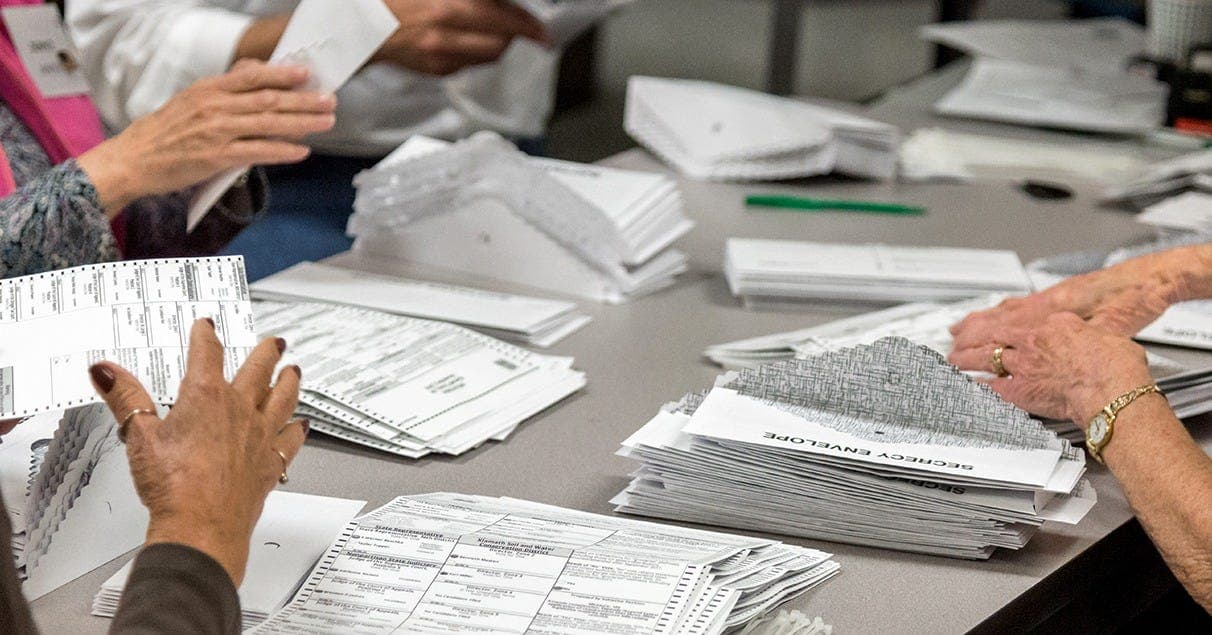
Democratic AGs are actively conducting **“war games”** to simulate and prepare for potential legal challenges, particularly around **mail-in voting** and **ballot integrity** amid misinformation worries. These efforts aim to safeguard election legitimacy.
- **Primary System Concerns:**
Experts like **Chad Peace** warn that **top-2 primary systems** could **reduce candidate diversity** and **increase polarization**, affecting candidate selection and legislative composition. Such procedural nuances may influence the balance of power in legislatures and the nature of policy debates.
- **State-Level Election Laws:**
Recent legislative efforts include bills like **Florida’s new citizenship registration requirement**, which could impact voter registration and turnout. These changes are at the center of debates over access, fairness, and electoral security.
## External Threats and Campaign Safeguards
External influences pose serious challenges:
- **Deepfakes and Misinformation:**
Major AI firms are developing **deepfake videos** and targeted misinformation campaigns, potentially flooding the environment with **false content** that could distort candidate images and sway voter perceptions.
- **Opaque Outside Spending:**
Outside groups, super PACs, and wealthy donors continue funneling vast sums into campaigns, often with limited transparency. A notable example is a **$100 million crypto pro-Trump fund** that, despite initial buzz, has so far **failed to materialize**, illustrating the volatility of external funding sources.
- **Post-SOTU Insights:**
Campaigns are analyzing recent polling data—such as in **Missouri**—to refine strategies amid external disinformation threats and internal uncertainties. These insights inform efforts to **counteract misinformation** and **build resilience** against foreign interference.
## Latest Developments: Campaign Messaging and Electoral Landscape
The **full speech delivered by Trump at the State of the Union** emphasized themes of **military strength**, **foreign policy assertiveness**, and **domestic economic revival**. His critique of Biden and NATO, combined with pressure on Iran and Russia, aims to rally supporters around a **hardline foreign policy stance**. These themes continue to shape the narrative, influencing both campaign messaging and voter perceptions.
Meanwhile, **poll support remains fluctuating**, reflecting ongoing economic anxieties, external threats, and internal party dynamics. Campaigns are adjusting their messaging—highlighting national security, economic stability, and immigration issues—to adapt to these shifts.
---
## **Implications and Current Outlook**
The 2026 electoral landscape remains **highly volatile and multifaceted**. **Support levels fluctuate** amid economic concerns, external misinformation campaigns, and shifting voter demographics. Trump’s core base remains energized by his foreign policy and nationalist rhetoric, but **anti-Trump sentiment** is gaining traction, especially among suburban and urban voters.
The increasing reliance on **technological innovations** introduces both opportunities and vulnerabilities. While AI-driven content and data analytics enable precise outreach, they also pose **ethical challenges** and **security risks** that could erode trust if not managed carefully.
**Demographic shifts**, notably among **Indian American** and **Latino** voters, are reshaping battlegrounds, making **community engagement and targeted outreach** more critical than ever. Simultaneously, **legal frameworks** and **institutional safeguards** are being tested amid concerns over **election integrity** and **foreign interference**.
As the election nears, the campaigns’ ability to **control narratives**, **counter external threats**, and **mobilize diverse electorates** will determine the outcome. The 2026 race is shaping up to be one of the most **complex and consequential** in recent American history—potentially redefining the nation’s political future.
**In sum**, the contest is a multidimensional battle—marked by ideological divides, technological innovation, demographic transformation, and external threats—that will test the resilience and adaptability of American democracy in this pivotal year.